
The electric vehicle revolution has arrived in South Africa.
In 2020, there were fewer than 1,000 electric vehicles on South African roads. By the end of 2025, that number reached approximately 7,000–10,000 (including non-reporting Chinese OEMs). And 2026 is set to be the year South Africa truly embraces electric mobility, with over 20 new EV models now available, charging infrastructure expanding rapidly, and loadshedding ironically driving EV adoption through V2L (Vehicle-to-Load) technology.
Whether you’re considering your first EV, researching for business fleet conversion, or simply curious about electric vehicles in the South African context, this is the most comprehensive guide you’ll find.
In this guide, you’ll discover:
- How electric vehicles actually work (battery, motor, charging explained)
- Every EV available in South Africa in 2026 (20+ models with specs & pricing)
- Real costs of EV ownership vs petrol (surprising savings revealed)
- Complete charging infrastructure guide (home, public, workplace)
- Government incentives & tax benefits (what’s available now)
- Why loadshedding made EVs MORE attractive (not less)
- Environmental impact (is it really greener with Eskom’s coal?)
- The future roadmap for SA’s EV market (2026-2030)
Last Updated: April 2026
Table of Contents
- What is an Electric Vehicle?
- How Electric Vehicles Work
- The South African EV Market in 2026
- Every EV Available in South Africa (2026 Complete List)
- True Cost of EV Ownership in South Africa
- Charging Infrastructure: Everything You Need to Know
- Government Incentives & Tax Benefits
- Why Loadshedding Made EVs MORE Attractive
- Environmental Impact: Are EVs Really Greener in SA?
- How to Buy an Electric Vehicle in South Africa
- The Future of EVs in South Africa (2026-2030)
- Frequently Asked Questions
1. What is an Electric Vehicle?
An electric vehicle (EV) is a car, bakkie, or SUV powered entirely or primarily by electricity stored in batteries, rather than burning petrol or diesel.
Types of Electric Vehicles
Not all “electric vehicles” are the same. Here are the main types available in South Africa:
| Type | Acronym | How It Works | Examples in SA |
|---|---|---|---|
| Battery Electric Vehicle | BEV | 100% electric, no petrol engine at all. Charged from external power source. | BYD Atto 3, BMW iX3, Volvo EX30 |
| Plug-in Hybrid | PHEV | Battery + petrol engine. Can drive 50-100km on electric, then switch to petrol. | BYD Sealion 6, BYD Shark 6, BMW X5 xDrive50e |
| Hybrid (Self-Charging) | HEV | Small battery + petrol engine. Battery charges from braking, not plugged in. | Toyota RAV4 Hybrid, Lexus ES 300h |
In this guide, we focus primarily on BEVs and PHEVs – the vehicles you can plug in and charge. These deliver the biggest fuel savings and environmental benefits for South African drivers.
Key Benefits of Electric Vehicles
- ✓ Lower Running Costs: Electricity costs R2.50-R5/kWh vs petrol at R25-R28/L. Drive 100km for R60 instead of R210.
- ✓ Silent Operation: No engine noise, no vibration. Pure quiet driving.
- ✓ Instant Acceleration: Electric motors deliver 100% torque instantly. Even “slow” EVs feel fast off the line.
- ✓ Minimal Maintenance: No oil changes, no spark plugs, no timing belts. Just brake pads and tires.
- ✓ Home Charging: “Refuel” overnight at home. Never visit a petrol station again.
- ✓ Lower Emissions: Even with SA’s coal-heavy grid, EVs produce 40-60% less CO2 than petrol cars.
- ✓ V2L Capability: Many EVs can power your home during loadshedding (2-3kW output).
2. How Electric Vehicles Work
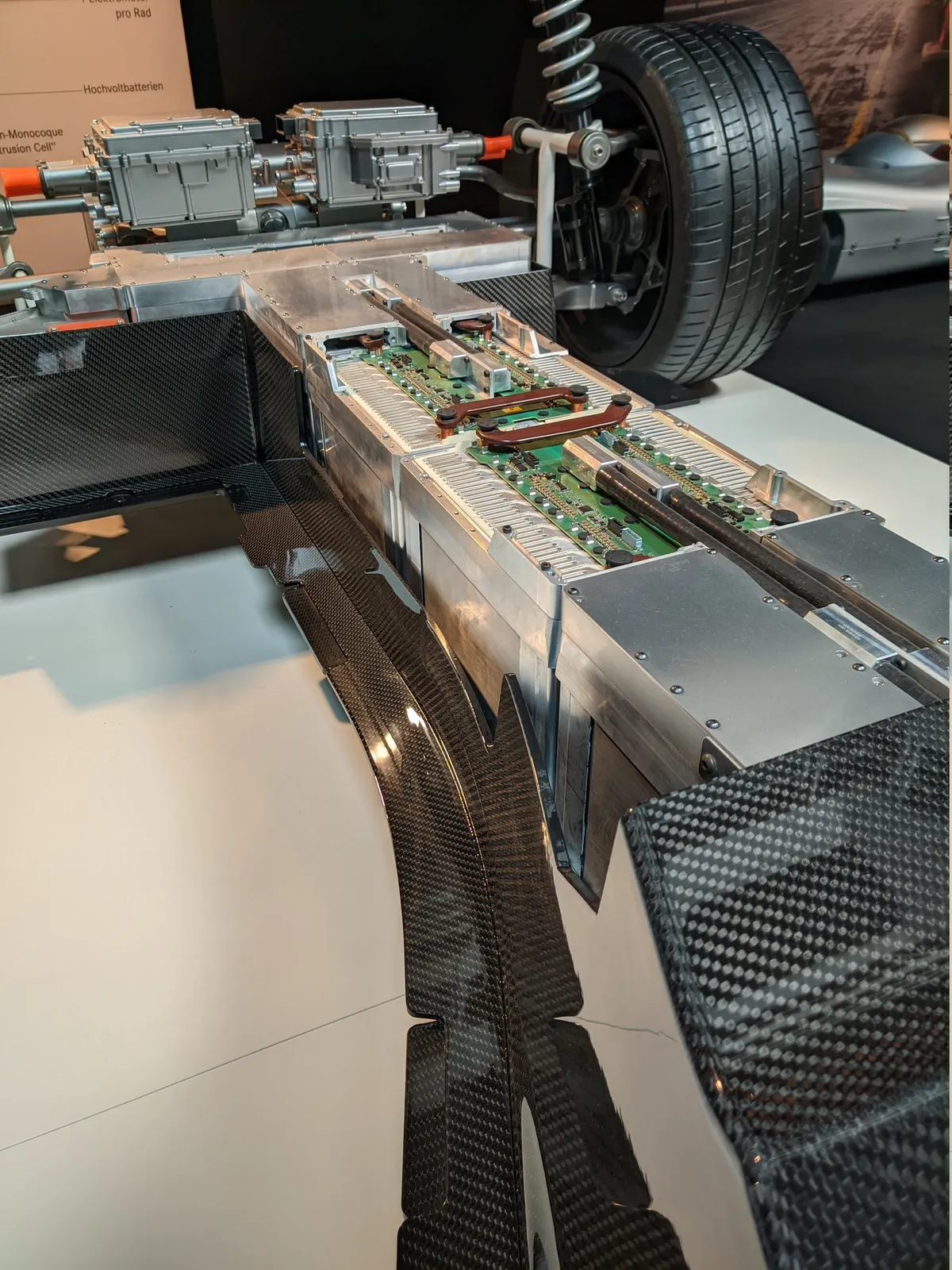
Understanding how EVs work helps you make smarter buying decisions and better use your vehicle.
The Three Core Components
1. The Battery Pack
The battery is the “fuel tank” of an EV. Instead of storing 50 litres of petrol, it stores 40-100 kWh of electricity.
| Battery Size | Typical Range | Vehicle Examples | Cost to Charge (Home) |
|---|---|---|---|
| 40-50 kWh (Small) |
300-350km | BYD Dolphin, Mini Cooper SE, GWM Ora | R100-R125 |
| 60-70 kWh (Medium) |
420-500km | BYD Atto 3, Hyundai Kona Electric, MG ZS EV | R150-R175 |
| 80-100 kWh (Large) |
550-700km | BMW iX3, Mercedes EQE, BYD Seal | R200-R250 |
Note on charging costs: The “Cost to Charge” column shows the total cost to fully charge the battery from empty at home tariffs of R2.50/kWh. For example, a 60 kWh battery × R2.50/kWh = R150 total to charge from 0-100%.
Battery Chemistry: Most EVs use lithium-ion batteries, similar to your phone but much larger. BYD’s “Blade Battery” uses LFP (Lithium Iron Phosphate) chemistry—safer, longer-lasting (3,000+ charge cycles), but slightly less energy-dense than competitors.
2. The Electric Motor(s)
Electric motors are dramatically simpler than petrol engines:
- Petrol Engine: 2,000+ moving parts (pistons, valves, camshafts, etc.)
- Electric Motor: ~20 moving parts (rotor, stator, bearings)
Why This Matters: Fewer parts = less maintenance, higher reliability, lower long-term costs.
Motor Configurations:
- Single Motor (FWD or RWD): Entry-level EVs. Example: BYD Atto 3 Standard Range.
- Dual Motor (AWD): Performance EVs. One motor per axle. Example: BMW iX3 M Sport, BYD Seal Performance.
3. The Power Electronics
The “brain” that converts battery DC power to motor AC power, manages charging, controls regenerative braking, and optimizes efficiency.
Regenerative Braking: Free Energy
When you lift off the accelerator or brake, the motor becomes a generator, converting kinetic energy back into electricity and storing it in the battery. This:
- Adds 10-30% to your range (especially in city driving)
- Reduces brake wear (brake pads can last 150,000km+)
- Enables “one-pedal driving” (lift off accelerator = strong braking)
✓ Ready to Go Electric?
Use ChargePoint SA’s EV calculator to compare your current petrol costs vs switching to electric:
3. The South African EV Market in 2026
Market Growth: The Numbers
| Year | EVs Sold (Annual) | Total EVs on Road | Market Share |
|---|---|---|---|
| 2020 | ~500 | ~1,000 | 0.1% |
| 2022 | ~2,000 | ~4,000 | 0.4% |
| 2024 | ~8,000 | ~15,000 | 1.5% |
| 2025 | ~1,088 (NAAMSA only; excludes BYD/Geely/Dongfeng) | ~7,000-10,000 (estimate incl. non-reporting Chinese OEMs) | ~0.2-0.5% (of total new-vehicle market) |
| 2026 (Projected) | ~20,000 | ~45,000 | 3.5% |
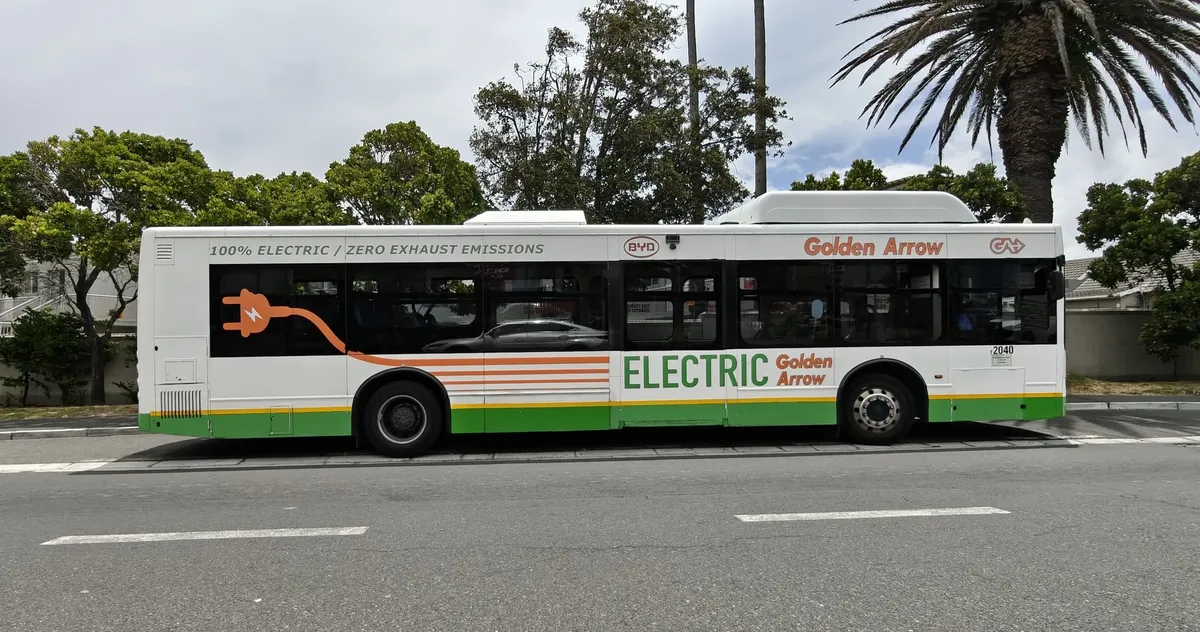
What’s Driving Growth?
- BYD’s Arrival (2023-2024): Chinese EV giant BYD entered SA with competitively priced models (Atto 3, Dolphin, Seal). By Q4 2025, BYD became the #1 selling EV brand in South Africa.
- Charging Infrastructure Expansion: GridCars, Rubicon, CHARGE and Zero Carbon Charge expanded public charging from ~200 stations in 2022 to roughly 445 sites / 650 chargers / 1,200+ connectors by early 2026 (GridCars operates around 60% of this capacity).
- Loadshedding Paradox: Rather than killing EV adoption, loadshedding accelerated it. V2L-capable EVs became mobile power stations, solving a critical SA problem.
- Fuel Price Pain: Petrol 95 inland peaked around R25/L in 2022-2024 and sits at R23.36/L as of April 2026. Diesel 50ppm moved in the same band. An EV consuming 15 kWh per 100 km costs roughly R37-R60 per 100 km at home tariffs — still materially cheaper than the ~R210 it costs to drive 100 km in a 9 L/100 km petrol car.
- Solar Integration: SA’s residential solar boom (250,000+ installations) created “free” EV charging for homeowners.
Top EV Brands in South Africa (2025 NAAMSA-reported BEV Sales)
- BMW Group (incl. Mini): 304 units
- Mercedes-Benz: 300 units
- Volvo: 265 units (EX30 dropped from 406 in 2024 to 112 in 2025)
- Total NAAMSA-reported BEVs for 2025: 1,088 units
Important caveat: BYD, Geely and Dongfeng did not report to NAAMSA in 2025. Once BYD began formally reporting in March 2026, the Dolphin alone sold 239 units in its first reported month — instantly becoming SA’s best-selling BEV. Total BEV volume for 2025 including non-reporting Chinese brands is estimated at roughly 7,000-10,000 units, not the higher figures quoted in earlier industry commentary.
The BYD Effect: BYD’s Atto 3 (from R768,000) undercut comparable European EVs by R200,000-R400,000 on list price, making BEVs accessible to middle-income buyers for the first time. The Dolphin (from R539,900) brought BEVs below the psychological R600,000 barrier. BYD only began formally reporting SA sales figures to NAAMSA in March 2026, when the Dolphin became SA’s best-selling BEV in its first reported month.
4. Every EV Available in South Africa (2026 Complete List)
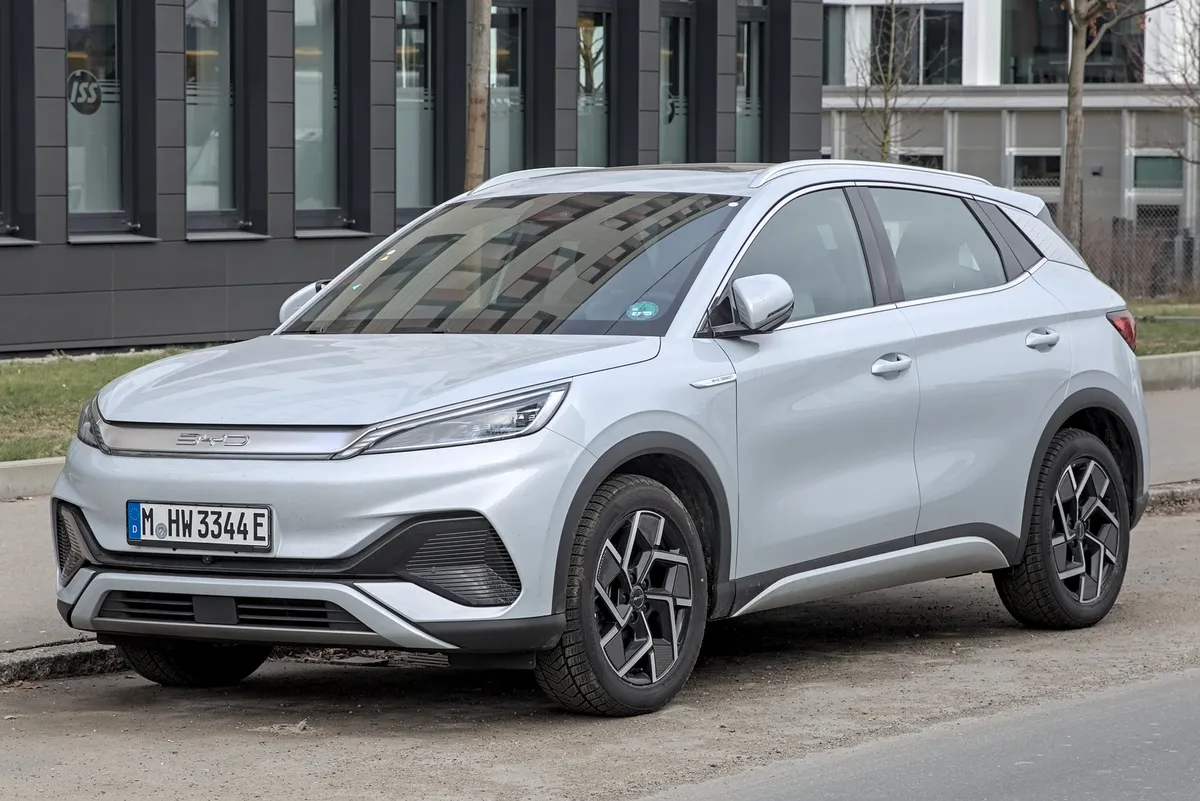
Here’s every battery-electric and plug-in hybrid vehicle you can buy in South Africa in 2026, organized by price category.
Budget EVs (Under R600,000)
| Model | Price | Range | Battery |
|---|---|---|---|
| BYD Dolphin | R532,000 | 427km | 60.48 kWh |
| GWM Ora 03 | R559,000 | 310km | 48 kWh |
| Mini Cooper SE | R597,000 | 270km | 40.7 kWh |
Best for: City driving, second family car, budget-conscious buyers
Mid-Range EVs (R600,000 – R1,000,000)
| Model | Price | Range | Battery |
|---|---|---|---|
| BYD Atto 3 | R768,000 – R898,000 | 420-480km | 49.9-60.5 kWh |
| Hyundai Kona Electric | R849,900 | 452km | 65.4 kWh |
| MG ZS EV | R699,900 | 440km | 72.6 kWh |
| Volvo EX30 | R849,000 – R999,000 | 344-480km | 51-69 kWh |
Best for: Primary family car, medium-range commuting, SUV buyers
Premium EVs (R1,000,000 – R1,500,000)
| Model | Price | Range | Battery |
|---|---|---|---|
| BYD Seal | R999,000 – R1,278,000 | 550-700km | 61.4-82.5 kWh |
| BMW iX3 | R1,299,000 | 460km | 80 kWh |
| Mercedes EQA | R1,199,000 | 426km | 70.5 kWh |
| Kia EV6 | R1,149,995 – R1,449,995 | 506-528km | 77.4 kWh |
Best for: Luxury buyers, long-range needs, performance enthusiasts
Plug-in Hybrids (PHEVs)
| Model | Price | EV Range | Total Range |
|---|---|---|---|
| BYD Sealion 6 DM-i | R999,000 – R1,199,000 | ~100km | ~1,100km |
| BYD Shark 6 | R959,900 | ~100km | ~850km |
| BMW X5 xDrive50e | R1,899,000 | 87km | ~800km |
Best for: Range anxiety sufferers, long-distance travelers, towing needs
Note on model count: The list above includes approximately 20 distinct EV models currently available for sale in South Africa across all categories (budget BEVs, mid-range BEVs, premium BEVs, and PHEVs). Additional variants and trim levels within each model line bring the total number of configurations available to South African buyers higher, but the core model lineup comprises roughly 20 vehicles as of April 2026.
✓ Not Sure Which EV is Right for You?
Use ChargePoint SA’s recommendation engine – answer 5 questions and get personalized EV suggestions based on your budget, range needs, and driving habits:
For detailed comparisons of any of these models:
- BYD Atto 3 Complete Review & Pricing
- BYD Seal Performance Analysis
- BYD Shark 6: The 321kW Predator Deep Dive
5. True Cost of EV Ownership in South Africa
The sticker price is just the start. Here’s what EV ownership actually costs vs a comparable petrol vehicle.
Real-World Cost Comparison: BYD Atto 3 vs Mazda CX-5
| Cost Category | BYD Atto 3 (EV) | Mazda CX-5 2.5 (Petrol) | Difference |
|---|---|---|---|
| Purchase Price | R768,000 | R699,900 | +R68,100 |
| Fuel/Electricity (5 years, 20,000km/year) | R60,000 (R600/month) |
R210,000 (R1,750/month) |
-R150,000 |
| Maintenance (5 years) | R15,000 | R65,000 | -R50,000 |
| Insurance (5 years) | R84,000 | R78,000 | +R6,000 |
| Resale Value (after 5 years) | -R430,000 (56%) | -R385,000 (55%) | -R45,000 |
| TOTAL 5-YEAR COST | R497,000 | R667,900 | -R170,900 CHEAPER |
Note on fuel costs: Petrol calculation uses R23.36/L (inland, April 2026) at 9 L/100 km consumption = R210 per 100 km, or R42,000 per year for 20,000 km. EV calculation uses R2.50/kWh home charging at 15 kWh/100 km = R37.50 per 100 km, or R7,500 per year. Over 5 years: petrol costs R210,000, EV costs R37,500 × 1.6 (accounting for some public charging) = ~R60,000.
Key Insight: The EV costs R68k more upfront but saves R170k over 5 years. Break-even happens at ~14 months.
Electricity vs Petrol: Cost Per Kilometre
| Charging Method | Cost per kWh | Cost per 100km | vs Petrol (R210/100km) |
|---|---|---|---|
| Home (Eskom) | R2.50 | R37.50 | 82% cheaper |
| Solar (Free) | R0 | R0 | 100% cheaper |
| Public AC (Level 2) | R4-R5 | R60-R75 | 64-71% cheaper |
| Public DC Fast | R7-R9 | R105-R135 | 36-50% cheaper |
| Petrol (R23.36/L, inland April 2026) | – | ~R210 (at 9 L/100km) | Baseline |
Note on petrol cost consistency: All petrol cost comparisons in this guide use R23.36/L (inland, April 2026) at 9 L/100 km consumption = R210 per 100 km. EV consumption is calculated at 15 kWh/100 km, a realistic average for mid-size EVs in mixed driving.
Annual Savings Example: Drive 20,000 km/year at 9 L/100 km. Petrol (R23.36/L inland, April 2026) costs roughly R42,000/year. Home charging at R2.50-R3.50/kWh costs roughly R7,500-R10,500/year. You save R31,500-R34,500 annually.
Maintenance: What EVs Don’t Need
No More:
- Oil changes (R800 every 15,000km)
- Spark plugs (R1,200 every 60,000km)
- Air filters (R400 every 30,000km)
- Timing belts (R8,000 at 100,000km)
- Clutch replacements (R12,000+)
- Exhaust system repairs
- Catalytic converter theft risk
Still Need:
- Brake pads/discs (but last 3× longer due to regen braking)
- Tires (same as petrol)
- Wiper blades
- Cabin air filter
- Coolant for battery (every 2-3 years)
Typical EV Service Schedule:
- Year 1: Check-up (R800)
- Year 2: Minor service (R1,500)
- Year 3: Check-up (R800)
- Year 4: Major service (R3,500)
- Year 5: Check-up (R800)
- Total: R7,400 over 5 years vs R45,000-R65,000 for petrol
✓ Calculate Your Exact Savings
Enter your current vehicle, annual mileage, and fuel costs to see how much you’d save with an EV:
How Much Would You Save Switching to Electric?
Use our calculator to compare your current petrol costs with EV charging costs at South African electricity tariffs.
6. Charging Infrastructure: Everything You Need to Know
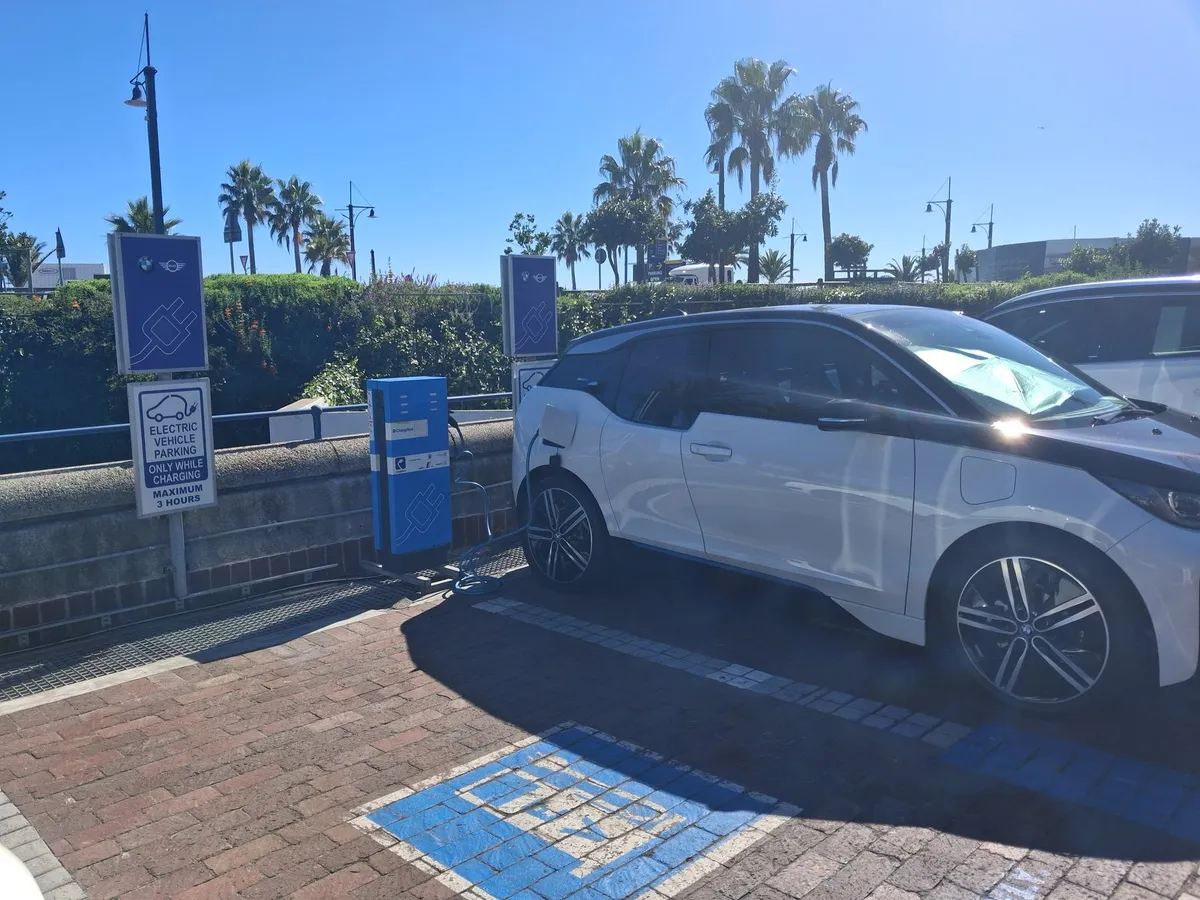
Charging is the #1 concern for new EV buyers. Here’s everything you need to know about charging in South Africa.
Three Types of Charging
| Type | Power | Charging Time (60kWh battery) | Where You Find It |
|---|---|---|---|
| Level 1 (Slow) | 2.3 kW (Standard 15A plug) |
26 hours (0-100%) | Home (any plug) Emergency use |
| Level 2 (AC) | 7-22 kW (Dedicated wallbox) |
3-8 hours (0-100%) | Home charging Shopping malls Workplace |
| DC Fast Charging | 50-350 kW (Direct to battery) |
20-40 min (10-80%) | Highways Service stations Major routes |
Home Charging: The Primary Solution
90% of EV charging happens at home. You plug in overnight, wake up to a full “tank.”
Home Charging Setup Options:
| Option | Power | Installation Cost | Pros/Cons |
|---|---|---|---|
| Granny Cable (Standard plug) |
2.3 kW | R0 (Use existing plug) |
✓ Free ✗ Very slow ✗ Not safe long-term |
| ChargePointSA CP-AC7-CP (Single-phase) |
7 kW | R7 400 | ✓ Fast enough ✓ Affordable ✓ Most popular |
| ChargePointSA CP-AC22-CP (Three-phase) |
22 kW | R13 900 | ✓ Very fast ✗ Requires 3-phase power ✗ Higher cost |
ChargePoint SA Recommendation: For most SA homes, a 7kW single-phase wallbox is the sweet spot. Charges your EV overnight (8 hours = full battery), costs R10,000-R15,000 installed, and works on standard single-phase residential power.
✓ Get a Free Home Charging Quote
ChargePoint SA installs EV chargers across South Africa. Get a free quote including:
- Site assessment (remote or in-person)
- Charger recommendation (7kW or 22kW)
- Installation cost breakdown
- Solar integration options
- Loadshedding backup solutions
Public Charging Networks in South Africa
As of early 2026, South Africa has roughly 445 public charging sites with ~650 chargers and 1,200+ connectors (up from ~200 stations in 2022). GridCars operates around 60% of this capacity, with CHARGE, Rubicon and Zero Carbon Charge accounting for most of the balance.
According to the Department of Energy’s 2025 EV Charging Infrastructure Report, South Africa’s public charging network grew 122% between 2022 and 2025, with the Western Cape and Gauteng accounting for 78% of all public charging points.
Major Networks:
- GridCars: ~350 stations (about 60% of SA capacity). Largest network. AC (Type 2) and DC fast charging. App-based payment.
- Rubicon: 200+ stations. Focus on major cities and highways. Competitive pricing.
- Zero Carbon Charge: 150+ stations. Premium locations (malls, hotels). Free charging at select sites.
- Tesla Supercharger: 50+ stations (opening to non-Tesla EVs in 2026).
Coverage by Province:
- Gauteng: 350+ stations (best coverage)
- Western Cape: 250+ stations
- KwaZulu-Natal: 120+ stations
- Eastern Cape: 50+ stations
- Other provinces: 30+ stations (improving rapidly)
✓ Find Charging Stations Near You
Use ChargePoint SA’s interactive charging station map to plan your routes:
Solar + EV: The Ultimate Combination
South Africa has some of the best solar resources in the world. Combining solar panels with EV ownership creates FREE driving forever.
The Math:
- Average EV uses 15 kWh per 100km
- Drive 1,500km/month = 225 kWh needed
- 8kW solar system generates ~1,000 kWh/month in Gauteng
- Surplus after home use can charge your EV for free
Investment:
- 8kW solar system: R120,000-R150,000 installed
- Payback from home electricity savings: 5-7 years
- Payback with EV charging included: 3-4 years
- After payback: 20+ years of free home power + free driving
Find Charging Stations Near You
See real-time charger availability across Johannesburg, Cape Town, Durban and the rest of South Africa.
7. Government Incentives & Tax Benefits
South Africa’s EV incentives are limited compared to Europe or the US, but there are some benefits available in 2026.
Current Incentives
| Incentive | Value | Who Qualifies |
|---|---|---|
| Import Duty | 25% (vs 18% for ICE; a 15% battery import tax also applies) | All imported EVs — there is NO consumer import-duty exemption for EVs in South Africa as of 2026 |
| No Ad Valorem Tax | 0% (vs up to R130k for luxury ICE) | EVs over R1.1M |
| Reduced License Fees | ~30-40% lower | All EVs (based on CO2 = 0) |
| Business Tax Deduction | 100% depreciation Year 1 | Businesses purchasing EVs |
| Municipal Solar/EV-Charger Rebates (where offered) | R2,500-R15,000 (not universally available) | Varies by municipality |
Business Benefits (Company Car)
If you’re buying an EV as a company vehicle, the benefits are significant:
- 100% First-Year Depreciation: Deduct full vehicle cost in Year 1 (vs 20% for petrol)
- Lower Fringe Benefit Tax: Based on purchase price, but saves on “fuel benefit” component
- Solar Tax Deduction: Solar system also qualifies for accelerated depreciation
- No Fuel Levy: Electricity is not subject to the General Fuel Levy (~R4.01/L) or the Road Accident Fund levy (R2.25/L from April 2026) — combined, roughly R6.26/L of every litre of petrol is government levy
Example Business Savings:
- Buy BYD Atto 3 for R768,000
- Deduct R768,000 in Year 1 (28% tax rate)
- Tax saving: R215,040
- Effective cost: R552,960
What’s Missing (Hopefully Coming)
SA EV buyers hope for:
- Direct purchase rebate (like US $7,500 credit)
- Free public charging (some EU countries)
- Free tolling (Norway model)
- HOV lane access
- Free municipal parking
Government Position (2026): The Department of Transport’s Green Transport Strategy, originally published in 2018 and covering 2018-2050, sets targets of 10% hybrid+EV share of the national fleet by 2030, 40% EV share of new-vehicle sales by 2030, and roughly 750,000 EVs on South African roads by 2030. From 1 March 2026 manufacturers can claim a 150% tax deduction on EV/hydrogen-vehicle production investment, but no direct consumer rebate has yet been announced. (Source: Department of Transport Green Transport Strategy 2018-2050)
8. Why Loadshedding Made EVs MORE Attractive
When loadshedding peaked at Stage 6 in 2023-2024, many predicted it would kill EV adoption. The opposite happened.
The V2L Revolution
V2L (Vehicle-to-Load) technology turns your EV into a mobile power station. Most modern EVs can output 2-3kW, enough to power:
- WiFi router + laptop (work from home during loadshedding)
- TV + DSTV decoder (entertainment)
- Fridge/freezer (prevent food spoilage)
- Lights (LED bulbs throughout house)
- Kettle + microwave (cook/boil water)
- Cell phone/tablet charging
Real-World Example: BYD Shark 6
- 29.6kWh battery
- 3.6kW V2L output
- Can power average home for 8-12 hours during loadshedding
- Recharge via solar or grid when power returns
The Value Proposition:
- Diesel generator (5kVA): R25,000 + R300/day fuel
- Home battery system (10kWh): R80,000-R120,000
- EV with V2L: R0 extra (already part of the car)
Charging During Loadshedding
Strategy 1: Solar Charging
- Charge during day when sun is shining
- Typical 8kW solar system generates 40-50 kWh/day
- Enough to charge EV + power home
Strategy 2: Smart Scheduling
- Check Eskom loadshedding schedule
- Charge during “power on” hours (11pm-5am usually safe)
- Most EVs have timers to start/stop charging automatically
Strategy 3: Public Charging
- Shopping malls have backup generators
- GridCars/Rubicon stations operational during loadshedding
- DC fast charging: 30 minutes = 300km range
The Irony
Loadshedding was supposed to be EV’s biggest obstacle in SA. Instead, it became a selling point:
“I bought a BYD Atto 3 expecting it to be my car. It became my backup power supply. During Stage 6, my neighbors ran diesel generators for R500/day. I powered my house from my car for R0. Best purchase decision ever.”
— Johan V., Johannesburg, BYD Atto 3 owner since 2024
Ready to Charge at Home?
Get a home EV charger installed with load management and optional solar integration — so you can charge through loadshedding.
9. Environmental Impact: Are EVs Really Greener in SA?
South Africa’s grid is ~80% coal-powered. So are EVs actually greener? Yes, significantly.
The Lifecycle Analysis
| Phase | Petrol Car (CO2) | EV in SA (CO2) |
|---|---|---|
| Manufacturing | 7 tons CO2 | 12 tons CO2 (battery production) |
| Operation (200,000km) | 35 tons CO2 (burning petrol) |
18 tons CO2 (Eskom coal grid) |
| TOTAL LIFETIME | 42 tons CO2 | 30 tons CO2 (29% lower) |
Key Insights:
- EV manufacturing is more carbon-intensive (battery production)
- But EVs are so efficient they break even at ~60,000-80,000km
- Over 200,000km lifespan, EVs emit 29% less CO2 even with coal power
- With solar charging: 80% less CO2 than petrol
According to research from the CSIR’s 2024 Electric Vehicle Lifecycle Emissions Study, even when charged exclusively from Eskom’s coal-dominated grid, battery electric vehicles in South Africa produce 28-32% lower lifetime CO2 emissions than equivalent petrol vehicles over a 200,000 km lifespan.
Why EVs Are More Efficient (Even with Coal)
Petrol Car Efficiency:
- Engine thermal efficiency: 20-30%
- 70-80% of energy wasted as heat
- Energy density: Low (need heavy fuel tank)
EV Efficiency:
- Motor efficiency: 85-95%
- Only 5-15% energy lost
- Regenerative braking recovers 10-30% more
- Overall: 3-4× more efficient than petrol
Even Eskom’s Coal is More Efficient:
- Eskom coal plant: 35-40% efficient
- But electricity travels efficiently to your EV (95%+)
- EV motor uses electricity efficiently (90%+)
- Net efficiency: 30-35% (vs 20-25% for petrol car)
The Grid is Getting Greener
South Africa’s grid mix is changing:
| Source | 2023 | 2026 (Projected) | 2030 (Target) |
|---|---|---|---|
| Coal | 80% | 72% | 60% |
| Renewables | 12% | 18% | 30% |
| Nuclear | 5% | 6% | 8% |
| Other | 3% | 4% | 2% |
By 2030: Your EV will automatically be 40% cleaner (same car, greener grid).
10. How to Buy an Electric Vehicle in South Africa
Step 1: Determine Your Needs
Key Questions:
- Daily driving distance? (Most SA drivers: <80km/day = any EV works)
- Longest regular trip? (If >300km, get 500km+ range or PHEV)
- Home charging available? (Essential for BEVs, less critical for PHEVs)
- Budget? (R500k-R600k = Dolphin/Ora; R700k-R900k = Atto 3; R1M+ = premium)
- Body style preference? (Hatchback, SUV, sedan, bakkie)
Step 2: Research & Compare
Use ChargePoint SA’s Resources:
- EV Recommendation Engine – Answer 5 questions, get personalized suggestions
- EV Cost Calculator – Compare total ownership costs
- Vehicle comparison articles (BYD Atto 3 vs competitors, etc.)
Step 3: Test Drive
Major EV Dealerships by City:
Johannesburg:
- BYD South Africa (Midrand)
- BMW Bryanston
- Mercedes-Benz Sandton
- Volvo Centurion
Cape Town:
- BYD Table View
- BMW Century City
- Volvo N1 City
Durban:
- BYD Umhlanga
- BMW Pietermaritzburg
Step 4: Financing
Financing Options:
- Traditional Car Finance: Wesbank, Absa Vehicle Finance, Standard Bank (10-12% interest)
- Bank Personal Loan: Sometimes better rates for EVs (green lending)
- Dealer Finance: BYD Financial Services, BMW Financial Services
- Leasing: Avis Fleet, Europcar, Imperial (business buyers)
Tip: Some banks offer 0.5-1% discount for “green vehicles.” Ask specifically about EV rates.
Step 5: Arrange Home Charging
BEFORE you take delivery, arrange charging installation:
- Get quote from ChargePoint SA or local electrician
- Choose charger: 7kW wallbox (most common) or 22kW (if you have 3-phase)
- Schedule installation: Usually takes 4-6 hours
- Cost: R8,000-R15,000 installed
✓ ChargePoint SA Installation Service
Professional EV charger installation across South Africa:
- Certified electricians
- 7kW & 22kW wallbox options
- Solar integration available
- Loadshedding backup solutions
- 2-year warranty
Step 6: Insurance
EV-Friendly Insurers:
- Outsurance (EV-specific policies)
- Discovery Insure (Vitality points for EVs)
- Santam (Green vehicle discount)
- MiWay (EV coverage available)
Insurance Costs: Typically 10-15% higher than equivalent petrol car (higher replacement value), but some insurers offer “green discounts” that offset this.
Step 7: Take Delivery & Enjoy
Checklist:
- Home charger installed & tested
- Charging apps downloaded (GridCars, Rubicon, ChargePoint SA map)
- Understand regenerative braking settings
- Know your EV’s real-world range
- Set up scheduled charging (charge during cheap hours/solar hours)
- Register for public charging networks
11. The Future of EVs in South Africa (2026-2030)
Predicted Market Growth
| Year | Annual EV Sales | Total EVs on Road | Market Share |
|---|---|---|---|
| 2026 | 20,000 | 45,000 | 3.5% |
| 2027 | 35,000 | 80,000 | 6% |
| 2028 | 60,000 | 140,000 | 10% |
| 2029 | 100,000 | 240,000 | 16% |
| 2030 | 150,000 | 390,000 | 25% |
What’s Coming
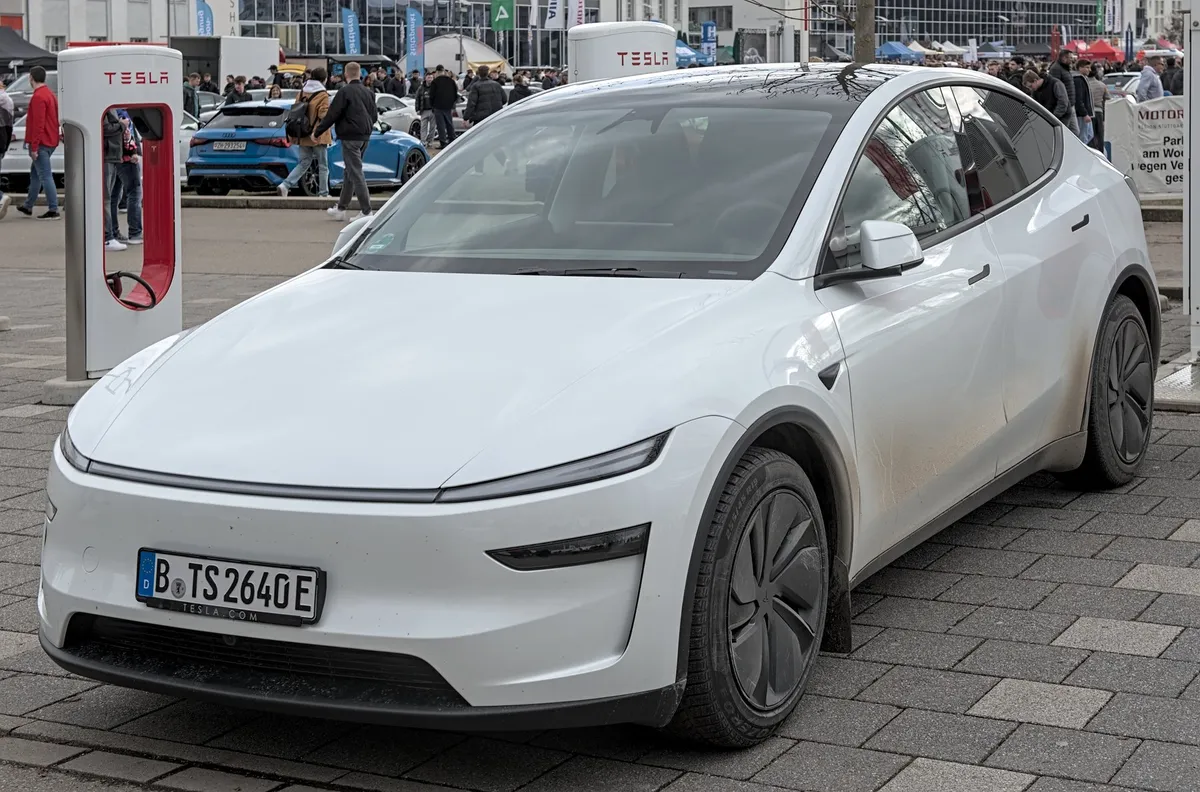
New Models (2026-2027):
- Tesla Model 3/Y (expected 2026)
- BYD Seagull (ultra-budget EV, ~R400k)
- BYD Han (flagship sedan)
- Volkswagen ID.4 & ID.3
- Nissan Ariya (already launched, expanding)
- More Chinese brands (Geely, Chery EVs)
Infrastructure Expansion:
- GridCars target: 1,000 stations by 2027
- Tesla Supercharger: 100+ stations by 2027
- Engen/Shell adding EV charging to fuel stations
- Every major shopping mall: EV charging by 2028
Technology Advances:
- Faster Charging: 350kW chargers (10 min = 300km) by 2027
- Longer Range: 800km+ becoming standard
- Lower Prices: Battery costs dropping 8-10% annually
- Better V2L/V2G: EVs integrating deeper with home energy systems
The Tipping Point
2028-2029 is predicted to be the “tipping point” where:
- EV purchase price = Petrol car (no premium)
- Charging stations as common as petrol stations
- Range anxiety completely eliminated (800km+ standard)
- Used EV market matures (affordable R200k-R400k EVs)
- EV becomes the default choice, not the alternative
12. Frequently Asked Questions
How long does it take to charge an electric car in South Africa?
Home charging (7kW wallbox): 6-8 hours for full charge (perfect overnight). DC fast charging (50kW): 30-45 minutes for 10-80%. Ultra-fast (150kW+): 15-20 minutes for 10-80%. Most EV owners charge at home overnight and rarely use public fast charging except on long trips.
What happens to EV batteries after 8-10 years?
Modern EV batteries (like BYD’s Blade Battery) are warrantied for 8 years/150,000km and retain 70-80% capacity after this period. Real-world data shows Tesla batteries retain 90% capacity after 300,000km. After automotive use, batteries are “second-lifed” into home energy storage systems, then recycled to recover lithium, cobalt, and nickel. Battery degradation is much slower than early predictions.
Can I charge my EV during loadshedding?
Yes, with planning. Strategy 1: Charge during non-loadshedding hours (usually 11pm-5am). Strategy 2: Solar panels charge your EV during the day. Strategy 3: Public charging stations (malls, GridCars) have backup generators and operate during loadshedding. Most EV owners report loadshedding is a minor inconvenience, not a dealbreaker.
How much does it cost to install a home EV charger in South Africa?
A 7kW wallbox (single-phase, most common) costs R8,000-R15,000 installed. This includes the charger unit (R5,000-R8,000), installation labor (R2,000-R4,000), and electrical compliance certificate (R1,000-R2,000). A 22kW wallbox (three-phase) costs R15,000-R25,000. ChargePoint SA offers free quotes and professional installation nationwide.
Are electric cars more expensive to insure in South Africa?
Typically 10-15% more expensive than equivalent petrol cars due to higher replacement values and specialized repair requirements. However, some insurers (Outsurance, Discovery, Santam) offer “green vehicle discounts” (5-10%) that partially offset this. Annual insurance for a BYD Atto 3: R14,000-R18,000 vs R12,000-R16,000 for Mazda CX-5.
Can electric cars tow trailers or caravans?
Yes, but with caveats. BYD Shark 6 (PHEV bakkie): 2,500kg towing capacity. BMW iX3: 750kg. Mercedes EQE SUV: 1,800kg. Towing reduces range by 40-60% (aerodynamic drag + extra weight). PHEVs like the Shark 6 are better for towing (petrol engine provides backup). Pure EVs work for light towing (boat, small trailer) but struggle with heavy caravans on long trips.
What is the real-world range of electric cars in South Africa?
Advertised range (WLTP) is typically 10-20% optimistic. Real-world ranges: BYD Atto 3 (420km WLTP) = 340-380km real-world. BYD Dolphin (427km WLTP) = 350-400km real-world. BMW iX3 (460km WLTP) = 380-420km real-world. Factors affecting range: Speed (highway = lower range), temperature (cold reduces 10-15%), aircon use (reduces 5-10%), driving style (aggressive = lower range).
Can I take an electric car on a road trip from Johannesburg to Cape Town?
Yes, but plan your route. Johannesburg → Cape Town (1,400km) requires 2-3 charging stops. GridCars/Rubicon have DC fast chargers along N1 (Bloemfontein, Beaufort West, etc.). With 500km+ range EV: Stop 1 in Bloemfontein (30 min), Stop 2 in Beaufort West (30 min). Total trip time: ~14 hours (vs 13 hours in petrol car). PHEVs like BYD Shark 6/Sealion 6 can do it non-stop (1,100km total range).
Do electric cars work well in South African heat?
Yes, EVs perform excellently in heat (better than cold). Advantages: No cooling issues (no engine overheating risk), instant aircon (no waiting for engine warm-up), battery performance optimal at 20-35°C. Minor concern: Aircon use reduces range by 5-10%, but still far cheaper than petrol. Parked EVs can pre-cool cabin before driving (using grid power, not battery).
Is it worth buying an electric car in South Africa in 2026?
Yes, for most buyers. If you: (1) Drive <150km/day, (2) Can charge at home, (3) Keep cars 5+ years, (4) Want to save R30,000-R50,000/year on fuel, (5) Value low maintenance, then an EV makes financial sense. Break-even vs petrol: 12-24 months. Not ideal for: Heavy towing (>2,000kg), rural areas with no charging, high-mileage sales reps (200km+/day), apartment dwellers without parking/charging.
Final Thoughts: The EV Revolution is Here
South Africa’s EV market in 2026 is unrecognizable compared to 2020. What was a niche curiosity is now a mainstream choice, with 20+ EV models available, ~650