

Diesel above R30 per litre is driving a major shift in thinking — BYD sold 705 units in April 2026 alone, up from 589 in March. But as more South Africans consider making the switch, one question keeps surfacing in buyer forums and dealership visits: what happens to my EV’s range when the Highveld temperature drops to -5°C on a July morning? The short answer is yes, cold weather reduces EV range. The longer answer — and the one that matters for SA buyers — is more nuanced than the horror stories you’ll read about Scandinavian winters.
The science behind winter range loss
Lithium-ion batteries are chemical reactors. When ambient temperature drops, the electrolyte inside becomes more viscous and ion movement slows. This increases internal resistance, which means the battery delivers less usable power and accepts charge more slowly. At the same time, you’re drawing energy to heat the cabin — and unlike a petrol car that dumps waste heat from the engine, an EV must use battery power for climate control.
The result: a double hit. Your battery’s effective capacity shrinks and you’re using more energy per kilometre travelled.
How much? Global data shows a wide range. One Tesla Model 3 Long Range owner in Canada reported using 80% of battery for a 183 km trip at -18°C — a practical winter range of just 185 km from a car rated at 560 km. That’s a 67% loss. But that’s an extreme case: studded winter tyres, 20–30 km/h winds, highway speeds, and temperatures SA drivers will never see.
What the data shows for moderate cold
Research from Norway’s annual winter range tests — the world’s most consistent cold-weather EV benchmark — shows that at -15°C, modern EVs typically lose 20–41% of their rated range depending on model and battery chemistry. The Toyota Urban Cruiser (which uses LFP chemistry) posted a 50% range loss in -15°C conditions, raising flags about how budget-focused battery tech handles cold.
South Africa’s winter is gentler. Johannesburg’s average July low is around 4°C. Bloemfontein might hit -5°C on a clear night. Pretoria’s coldest mornings scrape -2°C. These are not Scandinavian conditions. Expect range reductions in the 15–30% band for most modern EVs under typical SA winter driving — less if you precondition, more if you’re doing a dawn highway run with the heater on full blast.

LFP vs NMC: battery chemistry matters
Not all EV batteries respond to cold the same way. The two dominant chemistries in SA’s 2026 market are:
- LFP (Lithium Iron Phosphate): Used in most BYD models, the BYD Dolphin Surf at R339,900, and some Tesla Standard Range variants. Cheaper, safer, longer-lived — but more temperature-sensitive. Expect the upper end of the 15–30% winter loss range.
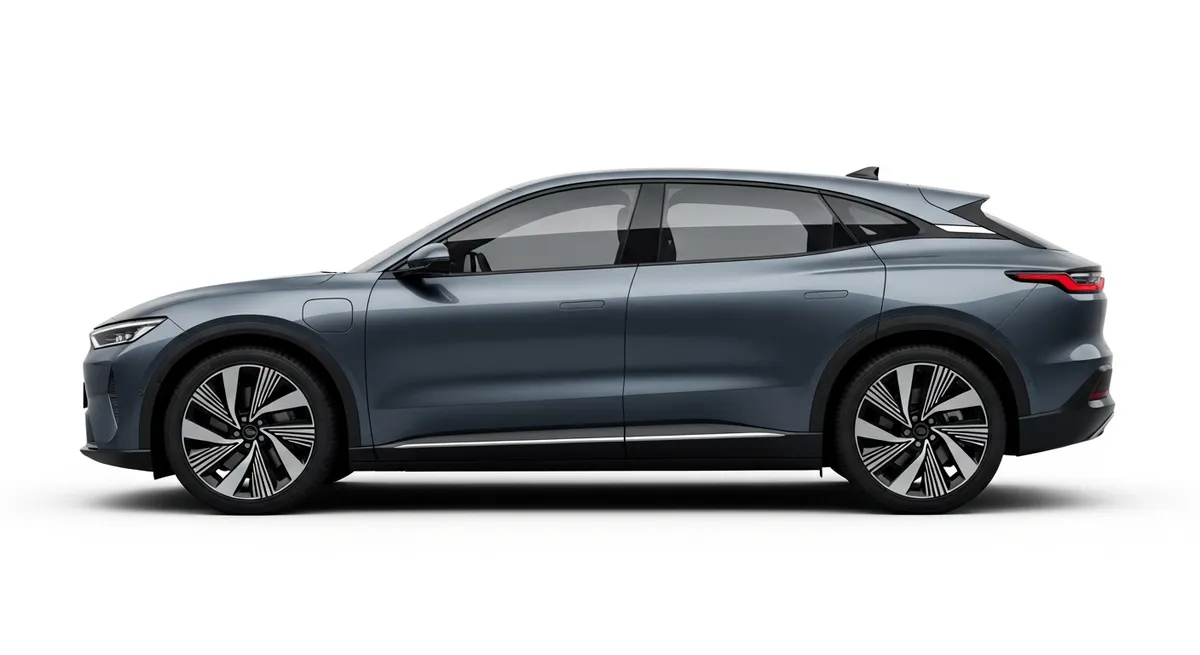
- NMC (Nickel Manganese Cobalt): Used in most European and premium Asian EVs. Higher energy density, better cold-weather performance, costlier. The Volvo EX30 (24 units sold in April 2026) uses NMC and will hold range better in a Highveld frost.
If you’re shopping for an EV and you live in Sutherland or the Drakensberg foothills, battery chemistry is worth asking about. For Gauteng and coastal buyers, the difference is real but not a deal-breaker.
What SA EV owners are saying
The gap between manufacturer range claims and real-world winter performance creates anxiety. As u/cardogio put it on r/electricvehicles: “Shopping for an EV and every review talks about ‘up to 40% range loss in winter.’ But the specifics vary wildly… Trying to figure out if a 400 km rated range actually means 240 km in February, or if it’s not that bad.”
That uncertainty is the real barrier. One user on r/electriccars reframed the issue: “Is range really the core problem, or is it that buyers don’t feel confident the car will fit their life without friction?”
The good news: long-term owners report stable performance. A 2021 Kona EV driver checking in after five years noted: “I’m sure there has been some loss of capacity but nothing noticeable. I’m getting the same range I did 5 years ago.” Winter range loss doesn’t compound with battery age if the battery management system is doing its job.
How to minimise winter range loss
You can’t change the chemistry, but you can change your habits. Here’s what works:
1. Precondition while plugged in
Warm the cabin and battery before you unplug. Most EVs let you schedule this via the app. You’ll leave with a warm car and a full battery, using grid power instead of draining your range. This single habit can recover 10–15% of winter range loss.
2. Park indoors when possible
A battery that starts at 15°C instead of 2°C performs measurably better. If you have a garage, use it. If your workplace has covered parking, advocate for a charger there.
3. Use seat heaters, not cabin heat
Resistive heating is expensive. Heating your body directly via the seat and steering wheel uses a fraction of the energy. Set the cabin temp to 18°C and rely on contact heat — you’ll stay comfortable and extend range by 5–10%.
4. Drive gently
Cold batteries can’t regenerate as aggressively. Smooth inputs, anticipate stops, let the car coast. Winter is not the time to test your EV’s 0–100 time.
5. Charge to 100% for long trips
Daily driving? Stick to 80%. But if you’re doing Johannesburg to Durban in July, charge to 100% the night before and precondition. The battery management system will allow it for travel, and you’ll need every kilowatt-hour.
SA’s expanding charging infrastructure reduces range anxiety
Range loss matters less when you can top up easily. South Africa’s public charging network is growing fast:
| Network | Coverage (2026) | Key development |
|---|---|---|
| GridCars | 450+ stations, 1,200+ connectors | 11 new Eastern Cape DC fast chargers added Jan–Feb 2026 |
| Rubicon | 103 public + 20 dealership sites | 21,606 transactions in 2025 (up 159% YoY), 625 MWh dispensed |
| BYD Flash | 200–300 stations by end-2026 | Up to 1 MW charging (400 km in 5 min), first sites live April/May 2026 |
| CHARGE (Zero Carbon) | 120 passenger + 120 truck stations by 2026 | Solar-powered, N3 corridor sites ~180 km from Joburg, 200 km from Durban |
Rubicon’s network handled 625 MWh in 2025, maintaining a 1:7 EV-to-charger ratio — better than the global 1:10 benchmark. BYD’s megawatt Flash stations will add 400 km of range in five minutes, making winter range loss a non-issue for intercity travel.
Public DC charging costs R7.00–R7.35 per kWh as of August 2025. AC charging runs R5.88 per kWh. Even at those rates, you’re paying roughly R1.20–R1.50 per kilometre — half the cost of a diesel bakkie at R30/l doing 12 km/l.
What this means for SA EV buyers in 2026
The fuel price shift is structural. Diesel above R30/l is driving major changes in fleet and consumer thinking. BYD sold 705 units in April 2026. The Dolphin Surf moved 302 units, proving that price compression at entry level is working.
Winter range loss is a real phenomenon, but in SA’s climate it’s manageable. A 400 km rated EV will deliver 280–340 km in July depending on how you drive and whether you precondition. That’s still enough for Johannesburg to Bloemfontein with one DC fast-charge stop. And the economics hold: even with a 30% winter range hit, you’re spending less per kilometre than any petrol or diesel vehicle.
The psychological barrier — “will this car work in my life?” — is being addressed by infrastructure. WattSpot’s fleet network recorded 18,884 sessions across three Gauteng sites in its first quarter. Kia will debut its first EV in Q4 2026, likely the EV5 with 400–555 km range. Government’s 150% tax allowance for EV manufacturing activated 1 March 2026, with R964 million in support over three years.
The market is moving. Winter range loss is a factor, not a showstopper.
What’s next: watch these developments
- BYD’s Flash network rollout (April–December 2026): If 200–300 megawatt stations go live as promised, intercity winter travel anxiety evaporates.
- CHARGE’s N3 solar hubs: Off-grid fast charging on SA’s busiest freight route proves the model works beyond urban centres.
- Kia EV5 launch (Q4 2026): A major mainstream brand entering with 400+ km range and 350 kW DC charging capability signals market maturity.
- Local EV manufacturing: Government’s tax incentive aims to kickstart domestic production in 2026 — lower prices, better support, more confidence.
- Real-world SA winter range data: As the installed base grows, expect local publications and owner groups to publish Highveld-specific range tests. The global data is useful; SA-specific data will be definitive.
Ready to charge smarter this winter?
Winter range loss is predictable and manageable with the right setup. Whether you’re already driving electric or considering the switch as fuel prices climb, home charging infrastructure is your foundation. Preconditioning only works if you’re plugged in overnight. A 7.4 kW or 11 kW home charger means you start every winter morning with a full, warm battery — and that’s worth 15–20% more range than relying on public charging alone.
ChargePoint SA designs and installs home and commercial EV charging solutions across South Africa. We’ll assess your electrical setup, recommend the right charger for your vehicle and usage, and handle the full installation — including COC certification. Get a free site assessment and quote and take the guesswork out of winter charging.
Image credits
“Dark Days Ahead: Eskom Rolling Blackouts and Loadshedding” by Axel Bührmann (CC BY 2.0, via flickr) · Image: Volvo Cars Global Media (press kit)