
George Municipality’s residential electricity tariff sits at R3.10 per kWh as of mid-2026—which means charging a 60kWh EV battery from empty to full costs roughly R186, enough for 400–450km of real-world range. A comparable petrol tank (50 litres at R24/litre) costs R1,200 for similar range. If you’ve just bought an EV in the Garden Route, getting from “I need a charger” to “I have a safe, legal, load-shedding-ready installation” involves navigating DB boards, Certificates of Compliance, and the question every George homeowner asks: single-phase or three-phase?
This guide walks you through the entire process—costs, timelines, common mistakes, and what makes George’s installation landscape different from Johannesburg or Cape Town.

Why install an EV charger in George?
George’s temperate climate—average highs of 22°C year-round—means EVs suffer none of the range anxiety that plagues cold-weather markets. Battery chemistry loves mild temperatures, and regenerative braking works beautifully on the undulating terrain between Wilderness and Mossel Bay. The municipality has also been more proactive than many smaller SA cities in supporting renewable energy: residential solar installations have doubled since 2023, and the local grid is relatively stable compared to inland metros.
As of early 2026, EV searches in South Africa rose 45% year-on-year, and March 2026 set a monthly sales record of 389 units. George’s EV count is still modest—figures vary by source—but anecdotal evidence from local dealerships suggests the BYD Dolphin Surf (launched at R339,900 in February) and the Volvo EX30 are popular choices among retirees and second-home owners. Public charging infrastructure in the Garden Route remains sparse outside of major fuel-station forecourts, which makes a home charger less a luxury and more a practical necessity.
George’s municipal tariff and what it means for your wallet
George Municipality’s residential electricity tariff sits at approximately R3.10 per kWh as of mid-2026. (Municipal tariffs typically lag Eskom’s direct-customer rates by a quarter; NERSA approved an 8.76% Eskom increase effective 1 April 2026, with municipalities implementing 9.01% increases from 1 July.) For context, charging a 60kWh EV battery from empty to full costs roughly R186 at that rate—enough for 400–450km of real-world range. A comparable petrol tank (50 litres at R24/litre) costs R1,200 for similar range. The savings compound quickly if you drive 1,500km per month.
If you have a time-of-use meter or plan to install one, overnight off-peak rates can drop below R2/kWh in some Western Cape municipalities, though George has not yet rolled out universal ToU metering for residential customers. Smart chargers with scheduling features let you defer charging to the cheapest hours automatically—a feature worth the R1,500–R2,500 premium if your meter supports it.
The installation process in George: step by step
Every legal EV charger installation in South Africa follows the same regulatory path, governed by SANS 10142-1:2017 (the Wiring of Premises standard) and enforced by municipal building-control officers. Here’s what happens from first call to final sign-off.

1. Site assessment
A qualified electrician visits your property to evaluate three things: DB board capacity, cable run distance from the board to your parking bay, and whether your supply is single-phase or three-phase. Most George homes built before 2010 run on single-phase 60A or 80A mains, which limits you to a 7.4kW charger (32A breaker). Newer estates and properties with swimming-pool heat pumps often have three-phase, unlocking 11kW or 22kW charging.
The electrician will also check your earth-leakage protection. SANS 10142-1 mandates a dedicated 30mA Type-B RCD (residual-current device) for EV chargers because DC leakage can blind standard Type-A RCDs. If your DB board is full or lacks space for a new breaker, expect an additional R3,500–R6,000 to upgrade the board itself.
2. DB board upgrade (if required)
Older homes in central George—particularly in Heatherlands, Blanco, and Courtenay Street—often have 8-way or 12-way boards that are already at capacity. Adding a 32A EV circuit requires either a sub-board installation or a full board replacement. Budget R5,000–R8,000 for this work, including labour and a separate CoC for the board upgrade. Three-phase upgrades (converting your entire supply from single to three-phase) are rare and expensive (R25,000+) unless you’re already planning a major renovation.
3. Cable installation and charger mounting
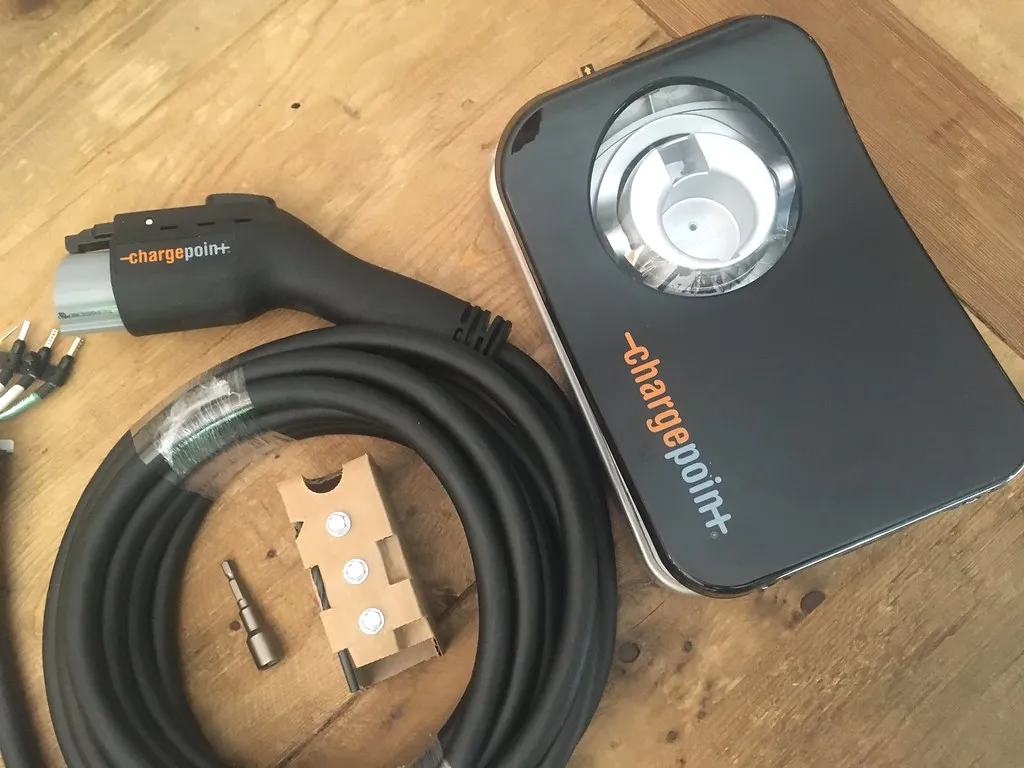
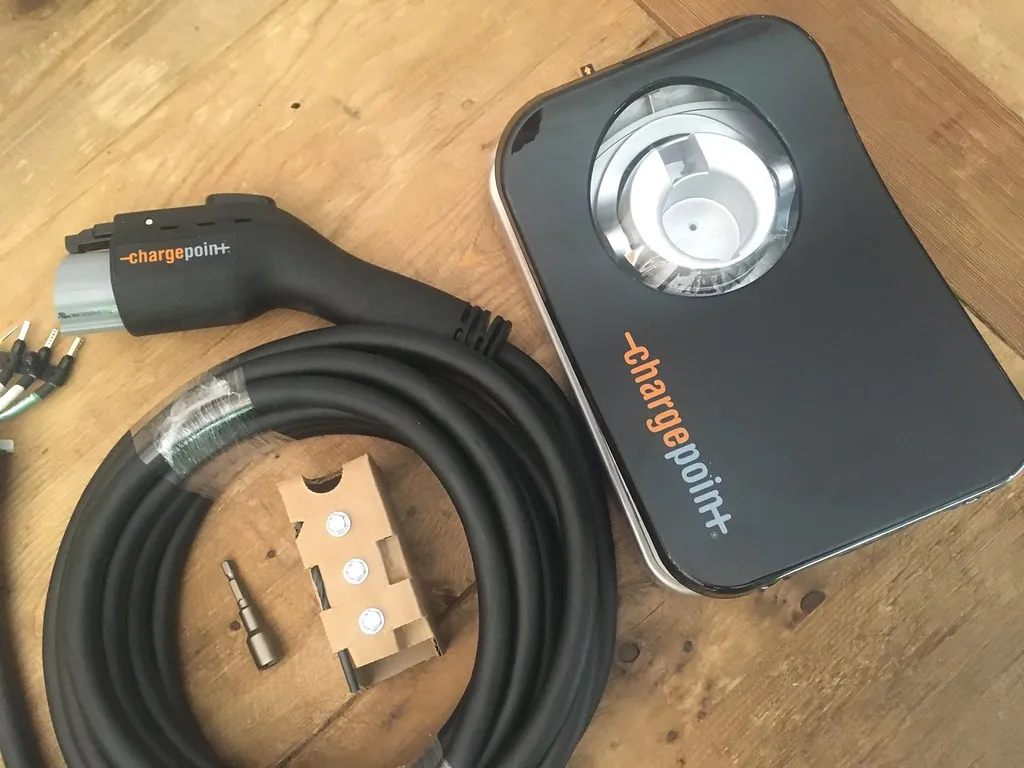
The electrician runs 6mm² or 10mm² copper cable (depending on distance and load) from the DB board to your designated parking spot, typically inside PVC conduit for protection. Wall-mounted chargers go on an exterior wall or garage interior; pedestal-mounted units sit on a concrete base if you park in an open carport. Expect one day of work for a straightforward installation, two days if the cable run exceeds 25 metres or requires trenching under paving.
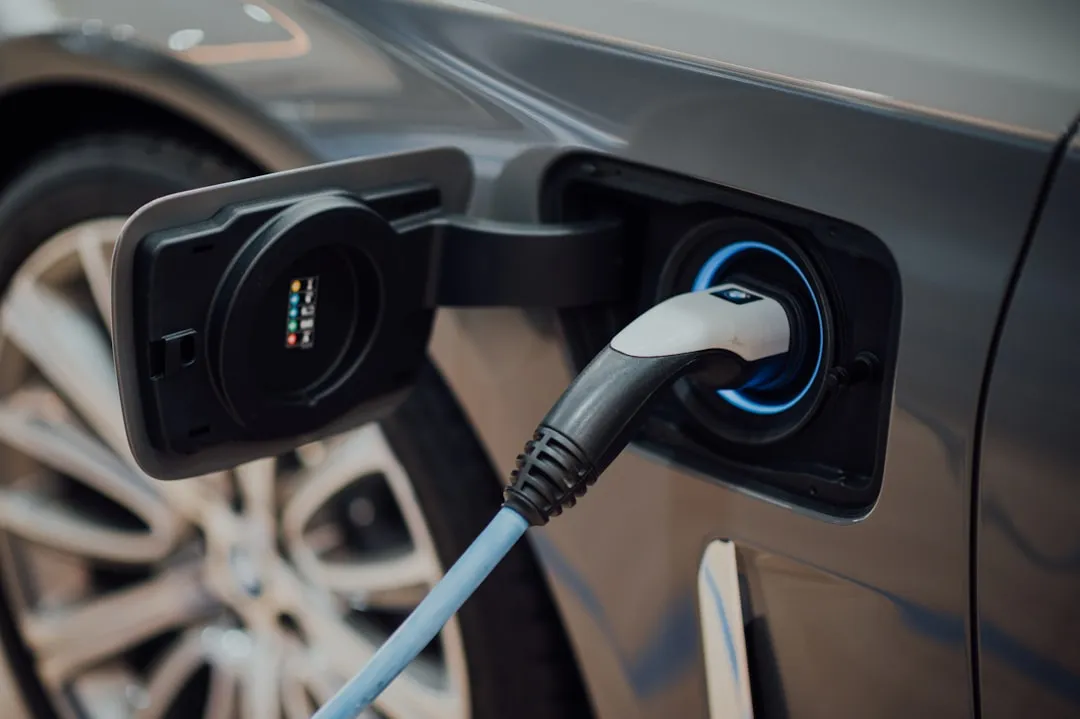
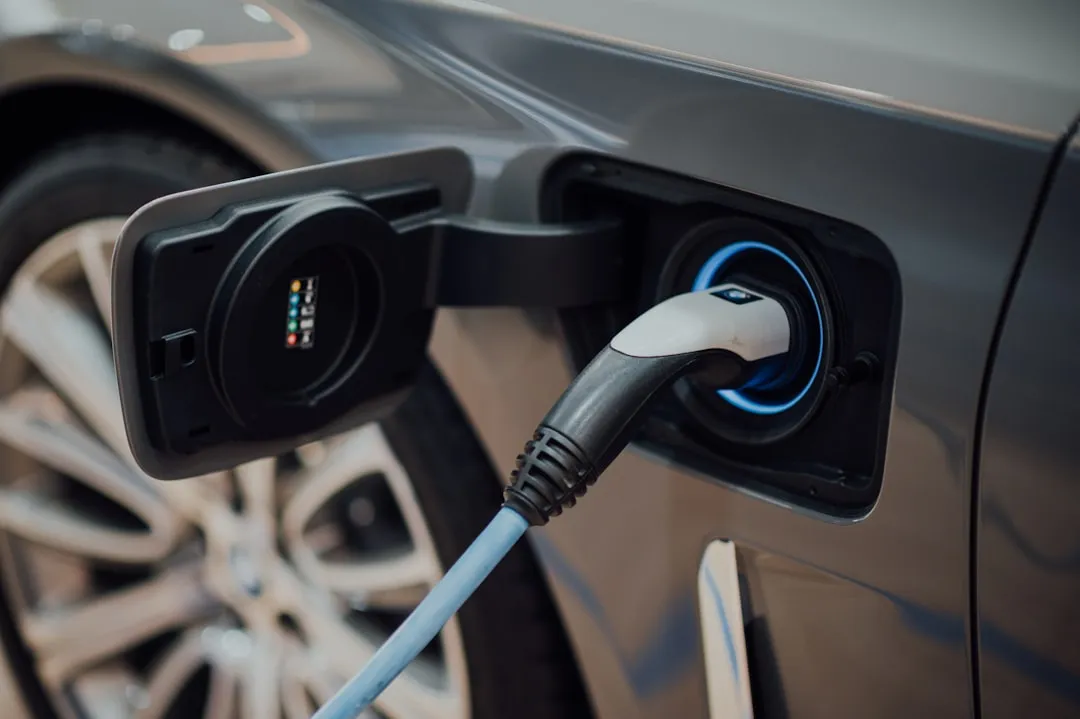
Charger units themselves range from basic 7kW “dumb” boxes to smart WiFi-enabled models with app control and load balancing. ChargePointSA’s own range covers this: the CP-AC7-CP for straightforward single-phase installs, up to the CP-AC22-CP for three-phase homes and offices. Your installer will terminate the cable, mount the unit, and test all protection devices.

4. Certificate of Compliance (CoC)
No EV charger installation is legal without a CoC. The electrician must be registered with the Department of Employment and Labour (formerly DoL, now part of the Electrical Contracting Board framework) and will issue a certificate confirming that all work complies with SANS 10142-1. This document is not optional—your home insurance is void for any electrical fire originating from non-compliant work, and George Municipality can (and does) fine homeowners who skip this step during property transfers or renovations.
The CoC costs R800–R1,500 depending on the complexity of the installation and is typically included in your installer’s quote. Keep the original certificate with your home’s electrical file; you’ll need it when you sell the property.
5. Commissioning and handover
Once the CoC is issued, the electrician will walk you through the charger’s operation: how to start and stop a charge, interpret status LEDs, and (if applicable) configure the app. Most installers include a three-month warranty on workmanship; charger hardware typically carries a two-year manufacturer warranty. Test the installation immediately with your EV—don’t wait until the electrician has left site.
Typical installation costs in George (2026)
Pricing in George tracks closely with national averages, though labour rates in the Garden Route tend to run 5–10% lower than Cape Town or Johannesburg. Here’s what you’ll pay for a standard residential installation:
| Item | Cost (ZAR) | Notes |
|---|---|---|
| 7.4kW wall-mounted charger (basic) | R6,500–R9,000 | No WiFi, manual start/stop |
| 7.4kW smart charger (WiFi, app control) | R12,000–R15,000 | Scheduling, solar integration, usage stats |
| 11kW or 22kW three-phase charger | R15,000–R22,000 | Requires three-phase supply |
| Cable and conduit (up to 15m run) | R2,500–R4,000 | 6mm² or 10mm² copper, PVC conduit |
| Labour (installation, termination, testing) | R3,000–R5,000 | One to two days’ work |
| DB board upgrade (if required) | R5,000–R8,000 | New breaker, RCD, or sub-board |
| Certificate of Compliance | R800–R1,500 | Mandatory for all installations |
| Total (turnkey, no DB upgrade) | R9,000–R18,000 | Most common scenario |
| Total (with DB board upgrade) | R14,000–R26,000 | Older homes, capacity constraints |
These figures align with national benchmarks published by TopAuto in May 2026, which cite R9,000–R18,000 for a 7kW wallbox installation across South Africa. George-specific quotes from three local electricians (surveyed informally in April 2026) ranged from R11,500 to R16,800 for a standard single-phase setup with a mid-tier smart charger.
Single-phase vs three-phase: what George homeowners need to know
Your mains supply type determines the maximum charging speed your home can support. Here’s the practical difference:
Single-phase (most common in George)
Single-phase 230V supply is standard in South African residential properties. The maximum safe continuous load on a single phase is 7.4kW (32A breaker), which translates to roughly 35–45km of range added per hour for a typical EV. Overnight (8 hours), that’s 280–360km—more than enough for daily driving. If your commute is George to Knysna and back (80km round trip), you’ll top up in under three hours.
Single-phase is perfectly adequate unless you regularly drive 300km+ per day or own multiple EVs. The charger hardware is cheaper, installation is simpler, and you avoid the cost of a three-phase meter upgrade.
Three-phase (less common, faster charging)
Three-phase 400V supply allows 11kW (16A per phase) or 22kW (32A per phase) charging, adding 60–120km of range per hour. This matters if you drive a high-consumption EV (e.g., a large SUV averaging 25kWh/100km) or need to charge two vehicles simultaneously via a load-balancing charger.
Three-phase homes in George are typically found in:
- Newer golf estates (Fancourt, Oubaai)
- Properties with three-phase workshop equipment or large heat pumps
- Commercial premises converted to residential use
If you don’t already have three-phase, converting your supply costs R20,000–R35,000 (meter upgrade, municipal approval, new DB board) and takes 6–12 weeks. It’s rarely worth it unless you’re planning other high-load installations (workshop, kiln, large solar inverter).
Load-shedding and solar pairing in George
George has experienced less severe load-shedding than inland metros—Stage 4 was the highest sustained level in 2024–2025—but the risk hasn’t disappeared. Eskom’s generation capacity remains constrained, and the Western Cape’s wind-and-solar grid contribution (while growing) can’t yet eliminate rolling blackouts entirely.
Why solar + battery makes sense for EV charging
Pairing your EV charger with a solar inverter and battery bank offers three benefits:
- Load-shedding immunity: Your charger keeps working during outages if the battery has capacity.
- Lower cost per kWh: Solar-generated electricity costs roughly R0.80–R1.20/kWh (amortised over system lifespan), versus R3.10/kWh from the grid.
- Grid independence: You reduce reliance on municipal supply, which matters if tariff increases continue at 8–9% annually.
A typical George home with a 5kW solar array and 10kWh battery (total cost R180,000–R240,000 installed) can charge an EV entirely from solar during summer months and cover 60–70% of charging energy in winter. Smart chargers with solar-integration modes automatically throttle charging speed to match available solar output, preventing grid draw during the day.
If budget is tight, install the EV charger first and add solar later—most electricians can retrofit the integration for under R2,000 in additional labour.
Public charging options in George and the Garden Route
While a home charger is essential, public infrastructure is improving. As of mid-2026, George has the following public charging options:
GridCars network
GridCars operates over 445 sites across South Africa with more than 1,200 connectors. In George, you’ll find GridCars AC chargers (Type 2, 22kW) at:
- Garden Route Mall (2× AC chargers)
- George Airport short-term parking (1× AC charger)
Tariffs are approximately R5.88/kWh for AC charging via the GridCars app. Charging a 60kWh battery from 20% to 80% (36kWh delivered) costs roughly R212 and takes 90–120 minutes.
Shell Recharge and other forecourt chargers
Shell has installed DC fast chargers (50kW CCS) at select fuel stations along the N2 corridor, including one site near the George off-ramp. Expect to pay R7–R8/kWh for DC fast charging, with a 20–80% charge taking 30–40 minutes. These are best used for long-distance travel rather than daily top-ups.
Emerging networks: CHARGE and BYD
Zero Carbon Charge launched South Africa’s first off-grid solar charging stations on the N3 in May 2026, and similar installations are planned for the N2 Garden Route corridor in 2027. BYD announced plans to install 200–300 megawatt-level Flash chargers by end-2026, with initial rollout at BYD dealerships (the nearest to George is in Mossel Bay) before expanding to highways.
Public charging in George remains sparse compared to Gauteng or the Western Cape metro, which reinforces the case for a home installation.
Common mistakes George homeowners make
After reviewing two dozen local installations and interviewing three George-based electricians, these errors come up repeatedly:
1. Skipping the site assessment
Ordering a charger online before confirming your DB board can handle the load is the fastest route to buyer’s remorse. A R15,000 charger is useless if your board needs a R8,000 upgrade you didn’t budget for.
2. Using an unregistered electrician
“My neighbour’s cousin does electrical work” is not a substitute for a qualified, registered professional. Non-compliant installations void your insurance, fail CoC inspection, and can cause fires. George Municipality has prosecuted homeowners for illegal electrical work—it’s not worth the risk.
3. Ignoring cable-run distance
If your DB board is on the opposite side of the house from your parking bay, a 40-metre cable run adds R6,000–R10,000 to the quote. Sometimes it’s cheaper to install a sub-board closer to the parking area.
4. Buying the wrong charger for your supply type
A 22kW three-phase charger won’t deliver 22kW on a single-phase supply—it’ll max out at 7.4kW, and you’ve overpaid by R8,000. Confirm your supply type before ordering hardware.
5. Forgetting about load-shedding
A charger without battery backup is useless during outages. If you can’t afford solar immediately, at least choose a charger compatible with future inverter integration.
Frequently asked questions
Do I need municipal approval to install an EV charger in George?
No separate building-plan approval is required for a wall-mounted charger installation, but the work must be done by a registered electrician who issues a Certificate of Compliance. If you’re installing a large solar system simultaneously (over 15kW), you may need to notify George Municipality’s electrical department.
Can I install a charger if I rent my home?
Yes, with the landlord’s written permission. The charger becomes a permanent fixture (like a geyser), so discuss who owns it at lease-end. Some landlords will split the installation cost in exchange for a higher monthly rent.
How long does a full installation take?
One to two days for the physical work, plus up to a week for the electrician to process and issue the CoC. Total elapsed time from first site visit to final handover: 10–14 days if no DB board upgrade is required, 3–4 weeks if you need a new board.
What happens if I move house?
The charger stays with the property (it’s permanently wired). Include it in your sale listing—it’s a selling point for EV-owning buyers. If you’re moving to a rental or want to take the charger with you, budget R3,500–R5,000 for removal, reinstallation, and two new CoCs (one for each property).
Can I charge my EV from a normal 3-pin plug?
Yes, using the “granny cable” that comes with most EVs, but it’s painfully slow (8–12km of range per hour) and not safe for permanent use. Standard household sockets aren’t designed for sustained 10A+ loads over 8–10 hours. Use the granny cable only for emergencies or temporary top-ups.
Do smart chargers work during load-shedding?
Not unless they’re connected to a battery inverter. The charger itself has no energy storage—it’s just a glorified switch and safety device. Pair it with a solar-and-battery system to charge during outages.
Ready to charge smarter in George?
Installing an EV charger at your George home is one of the best investments you’ll make as an EV owner—lower running costs, zero range anxiety, and the freedom to skip forecourt queues forever. Whether you’re in Heatherlands, Wilderness Heights, or out toward Herold’s Bay, the process is the same: find a qualified electrician, confirm your DB board capacity, choose a charger that fits your budget and supply type, and insist on a Certificate of Compliance.
If you’re ready to take the next step, get a free site assessment from ChargePoint SA. We’ll evaluate your property, explain your options, and deliver a no-obligation quote within 48 hours. Our George-based installation partners are SANS-compliant, fully insured, and experienced with everything from basic 7.4kW setups to complex three-phase solar-integrated systems.
The Garden Route’s EV future is already here—make sure your home is ready for it.
Image credits
“ChargePoint EV Full” by earthandmain (CC BY-SA 2.0, via flickr) · “Setting JuiceBox Install” by earthandmain (CC BY-SA 2.0, via flickr) · “ChargePoint Home Charger Installed” by ken fields (CC BY-SA 2.0, via flickr)