
📊 Quick Comparison Overview
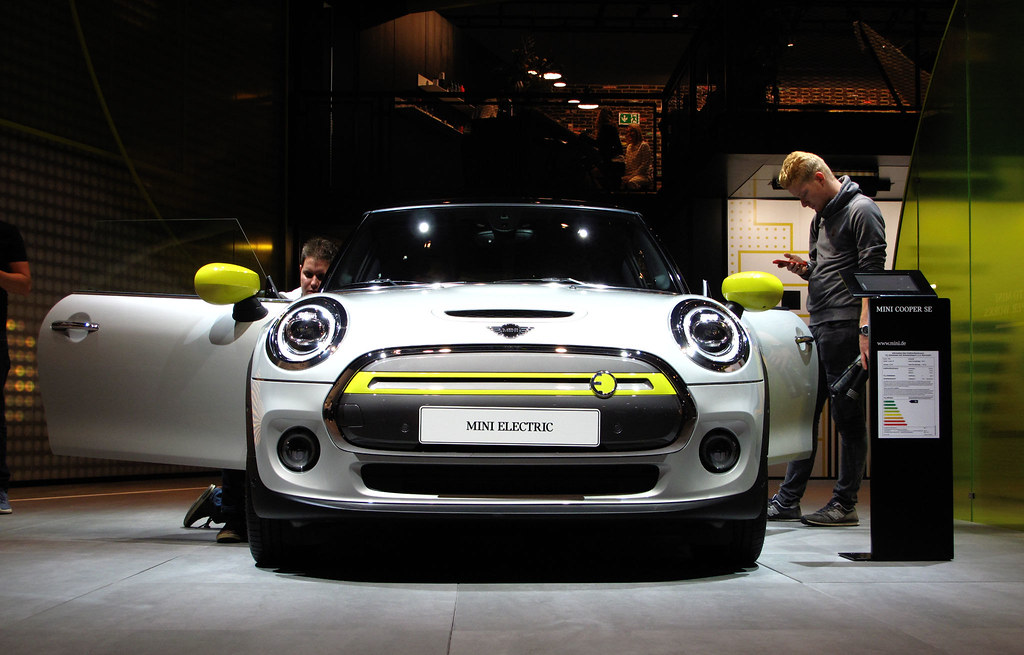
Considering switching to an EV? This comprehensive comparison between the Mini Cooper SE and the VW Polo 1.0 TSI will help you make the right decision for your wallet and lifestyle in South Africa.
| Feature | Mini Cooper SE | VW Polo 1.0 TSI |
|---|---|---|
| Purchase Price | R750,000 | R400,000 |
| 5-Year Fuel Cost | R47,704 | R81,075 |
| 5-Year Maintenance | R15,000 | R40,000 |
| Total Cost of Ownership | R812,704 | R521,075 |
| Winner | Petrol wins by R291,629! | |
💰 The Real Cost: 5-Year Ownership Analysis
The numbers tell a clear story: while the Mini Cooper SE costs R750,000 upfront compared to the VW Polo 1.0 TSI’s R400,000, that R350,000 price gap dominates the total cost equation. Even with lower running costs, the EV doesn’t close the gap over five years.
Fuel Costs Breakdown
- Mini Cooper SE electricity cost: R9,541/year = R47,704 over 5 years
- VW Polo 1.0 TSI petrol cost: R16,215/year = R81,075 over 5 years
- Fuel savings with EV: R33,371 over 5 years
Maintenance Costs
- Mini Cooper SE: R15,000 (minimal – no oil changes, less brake wear)
- VW Polo 1.0 TSI: R40,000 (regular servicing, oil, filters, etc.)
- Maintenance savings with EV: R25,000
The Bottom Line
Combined fuel and maintenance savings with the Mini Cooper SE total R58,371 over five years. However, this doesn’t offset the R350,000 higher purchase price. The Polo remains R291,629 cheaper overall when you factor in total cost of ownership.
Put another way: the Mini Cooper SE costs you an extra R4,860 per month compared to the Polo over the same period. That’s the premium you pay for zero emissions, cutting-edge technology, and the EV driving experience.
🎯 Who Should Buy the Mini Cooper SE?
The Mini Cooper SE is perfect for you if:
- 💰 Lower running costs matter: Spend just R795/month on electricity vs R1,351/month on petrol
- 🏠 Home charging available: Wake up to a “full tank” every morning without visiting a petrol station
- 🌆 City/suburban driving: Perfect for the 234km range on a single charge
- 🔧 Low maintenance priority: No oil changes, no exhaust systems, minimal brake wear
- 🌍 Environmental responsibility: Zero tailpipe emissions in SA’s cities
- ⚡ Modern technology: Latest infotainment, over-the-air updates, advanced safety features
- 💵 Budget flexibility: You can absorb the R350,000 higher upfront cost for the benefits EVs bring
🎯 Who Should Buy the VW Polo 1.0 TSI?
The VW Polo 1.0 TSI makes sense if:
- 💵 Lower upfront cost needed: R350,000 cheaper to purchase
- ⛽ Long-distance flexibility: Refuel anywhere in 5 minutes with petrol stations everywhere
- 🚗 Occasional road trips: No range anxiety for spontaneous long drives
- 📍 Rural/remote areas: No charging infrastructure concerns
- 🔋 No home charging option: Petrol stations remain more accessible for now
- 👴 Familiar technology: Comfortable with traditional vehicle ownership
- 📊 Total cost priority: Want the lowest overall 5-year expenditure
💡 Key Decision Factors
Choose the Mini Cooper SE if you:
- ✅ Drive less than 234km per day on average
- ✅ Have access to home charging or workplace charging
- ✅ Value lower monthly running costs (R795 vs R1,351 for fuel)
- ✅ Prioritise minimal maintenance requirements
- ✅ Want zero tailpipe emissions
- ✅ Can manage the higher upfront cost for long-term benefits
- ✅ Appreciate cutting-edge automotive technology
Choose the VW Polo 1.0 TSI if you:
- ✅ Need maximum flexibility for long-distance travel
- ✅ Don’t have reliable charging access
- ✅ Drive more than 234km daily
- ✅ Need to minimise upfront costs
- ✅ Prefer the familiarity of petrol stations
- ✅ Live in an area with limited charging infrastructure
- ✅ Want the lowest total 5-year cost of ownership
🔋 Charging Infrastructure in South Africa
South Africa’s EV charging network is growing rapidly, with over 500 public charging points nationwide. Major cities like Johannesburg, Cape Town, Durban, and Pretoria have excellent coverage. You can explore real-time charging station availability on our live EV charging map.
Home charging is the game-changer: Installing a home charger (R15,000–R30,000) gives you a “full tank” every morning at a fraction of petrol costs. Most EV owners charge overnight on off-peak electricity rates, making home charging the most economical option.
Public Charging Reality
While public charging infrastructure is expanding, home charging remains the primary solution for most EV owners. Public DC fast chargers can add 80% charge in 30–40 minutes, but they’re more expensive than home charging and best reserved for road trips or emergencies.
📈 Long-Term Value
Over 5 years of ownership (15,000km/year):
- Total cost advantage – VW Polo 1.0 TSI: R291,629 cheaper overall
- Monthly cost difference: R4,860 more expensive to run the Mini Cooper SE
- Cost per kilometre – Mini Cooper SE: R10.84
- Cost per kilometre – VW Polo 1.0 TSI: R6.95
When Does the EV Break Even?
At current fuel and electricity prices, the Mini Cooper SE would need approximately 15–20 years of ownership to match the Polo’s total cost. However, if petrol prices rise significantly or if you drive substantially more than 15,000km annually, the break-even point comes sooner.
For drivers covering 30,000km per year, the fuel and maintenance savings double to around R116,742 over five years, reducing the total cost gap to approximately R233,258. Higher annual mileage makes the EV economics more favourable, though the Polo still maintains a cost advantage in most scenarios.
🌍 Environmental Impact
By choosing the Mini Cooper SE over the VW Polo 1.0 TSI, you’ll prevent approximately 8,143kg of CO₂ from entering the atmosphere over 5 years. That’s equivalent to planting roughly 370 trees.
For environmentally conscious drivers, this emissions reduction may justify the higher cost. The Mini Cooper SE produces zero tailpipe emissions, improving local air quality in South African cities – particularly important in high-traffic areas.
While South Africa’s electricity grid still relies heavily on coal-fired power stations, EVs remain cleaner than petrol vehicles on a well-to-wheel basis. As the grid incorporates more renewable energy sources, the environmental advantage of EVs will only increase.
🔧 Practical Ownership Considerations
Mini Cooper SE Advantages
- Instant torque delivery for responsive city driving
- Quieter, smoother ride with no engine vibration
- Lower servicing frequency (typically every 2 years vs annually)
- Regenerative braking extends brake pad life significantly
- No oil changes, timing belts, or exhaust system repairs
- Pre-conditioning cabin temperature while plugged in
- Lower centre of gravity improves handling dynamics
VW Polo 1.0 TSI Advantages
- Proven reliability with established service network nationwide
- No range anxiety or charging planning required
- Better resale value certainty in current SA market
- Lower insurance premiums (typically 15–20% less than equivalent EVs)
- Easier to find qualified mechanics outside major centres
- Suitable for all driving conditions without infrastructure concerns
- Quick refuelling for time-sensitive journeys
🏁 The Verdict
The Polo Wins on Pure Economics
If total cost of ownership is your primary concern, the VW Polo 1.0 TSI is the clear winner. At R291,629 cheaper over five years, it offers significantly better value for budget-conscious buyers. The lower purchase price combined with competitive running costs make it the sensible choice for most South African drivers who need to minimise overall expenditure.
The Mini Cooper SE is a Premium Choice
The Mini Cooper SE appeals to early adopters willing to pay a substantial premium for zero emissions, cutting-edge technology, and lower running costs. If you have home charging, drive primarily in the city, and can absorb the higher upfront cost, the EV delivers an exceptional driving experience with minimal maintenance hassles.
Your Decision Factors:
- Choose the Mini Cooper SE if environmental impact, modern technology, and daily running costs matter more than total expenditure – and you’re comfortable paying R291,629 more over five years for these benefits
- Choose the VW Polo 1.0 TSI if you need the lowest total cost, maximum flexibility, and proven reliability without the infrastructure constraints of EV ownership
Both are excellent vehicles – your choice depends on whether you prioritise upfront savings and total cost, or you’re willing to invest more for lower running expenses and environmental benefits.
🚙 Insurance and Financing Considerations
Insurance costs typically favour the Polo, with premiums running 15–20% lower than the Mini Cooper SE due to the EV’s higher replacement value and specialised repair requirements. Over five years, this can add R15,000–R25,000 to the Mini’s total cost of ownership.
Financing the higher purchase price of the Mini Cooper SE also impacts affordability. At current interest rates, the R350,000 price difference translates to approximately R7,000–R8,000 higher monthly instalments over a standard 72-month finance term. This makes the Polo significantly more accessible for buyers relying on vehicle finance.
🔌 Real-World Charging Scenarios
Understanding daily charging patterns helps clarify the Mini Cooper SE’s practicality. With 234km of range, the average South African driver covering 15,000km annually (roughly 41km per day) only needs to charge 2–3 times per week with home charging.
For apartment dwellers without dedicated parking or those in areas with frequent load-shedding, the charging equation becomes more complex. Public charging costs approximately R2.50–R4.00 per kWh compared to R1.50–R2.00 for home charging, significantly impacting running costs if you rely primarily on public infrastructure.
💰 Calculate Your Own Savings
Want to see how much you could save based on your specific driving habits? Use our EV Cost Savings Calculator to input your exact annual kilometres, electricity rate, and more. The calculator accounts for your unique circumstances and provides personalised cost comparisons.
🚗 Ready to Make the Switch?
Need help installing a home charger for your new EV? Get a free quote for professional EV charger installation anywhere in South Africa. Our certified installers handle everything from electrical compliance to municipal approvals.
Last updated: January 2025
Continue Reading
Deprecated: File Theme without comments.php is deprecated since version 3.0.0 with no alternative available. Please include a comments.php template in your theme. in /var/www/wordpress/wp-includes/functions.php on line 6085
Leave a Reply