The short answer: at R23.36/litre petrol (95 Unleaded) and 20,000 km per year, the BYD Dolphin Surf Comfort saves you roughly R22,000 annually over the Volkswagen Polo Vivo 1.4 — and if petrol blows past R28/litre in May as projected, that saving climbs toward R28,000 a year. The price premium pays itself back in under three years. For the first time in South African motoring history, an electric hatchback isn’t just competing in the sub-R400K segment. It’s winning it.
In March 2026, 239 BYD Dolphin Surfs left showroom floors, making it the best-selling EV in South Africa for the month. In total, 389 EVs were sold in South Africa in March — a new monthly record for full-electric sales. Meanwhile, the Polo Vivo soldiered on as it always has: the dependable, proudly South African hatchback assembled in Kariega, still shifting over a thousand units a month without breaking a sweat. These two cars represent two completely different worldviews. And right now, with Eskom’s grid wobbling and fuel prices doing their best impression of Brent crude’s worst nightmare, the decision between them has never been more consequential.
South Africans were hit with unprecedented petrol and diesel price increases in April, following a significant oil price spike caused by the war in the Middle East. Although a R3-per-litre temporary tax reprieve alleviated some of the projected increases, motorists were still faced with a petrol price hike of R3.06 per litre and diesel increases of between R7.37 and R7.51. Assuming the fuel levy relief is extended and the ceasefire holds, South Africa’s petrol prices at retail level are likely to average around R28 to R30 in May. In a worst-case scenario, Scenario A pushes petrol toward R30/litre and diesel past R37/litre. This is the context in which we’re running the numbers. And they don’t lie.
The Specs: What R341,900 Buys You in 2026
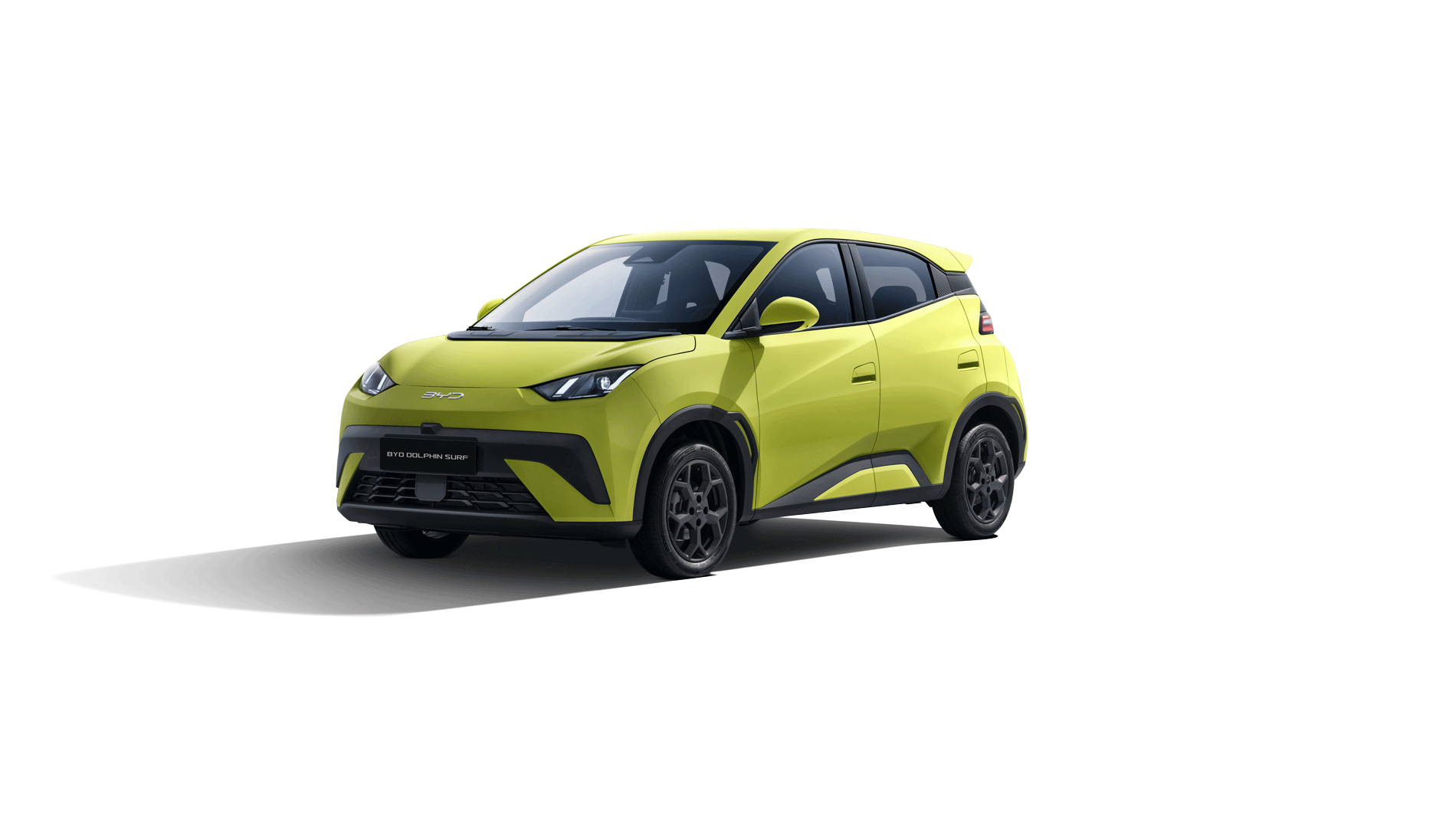
Let’s get the basics on the table. The Dolphin Surf is available in two variants: a Comfort at R339,900 and a Dynamic at R389,900. Both use BYD’s Blade Battery — the Comfort with a 30 kWh pack offering 232 km of WLTP range, the Dynamic stepping up to 38.8 kWh and 295 km. We’re comparing the Comfort here, because that’s the one 239 South Africans actually bought in March.
The Polo Vivo line-up kicks off with the 55 kW/130 Nm Vivo 1.4 5MT at R271,900. The Polo Vivo is proudly manufactured in South Africa at Volkswagen’s plant in Kariega, Eastern Cape. That local manufacturing story matters to a lot of buyers — and rightly so. But let’s see what the spreadsheet says.
| Specification | BYD Dolphin Surf Comfort | VW Polo Vivo 1.4 |
|---|---|---|
| Price (2026) | R341,900 | R271,900 |
| Engine / Battery | 30 kWh Blade Battery | 1.4L petrol, 4-cylinder |
| Power Output | 55 kW / 135 Nm | 55 kW / 130 Nm |
| Range / Tank | 232 km WLTP | ~790 km (45L tank) |
| Fuel / Energy Use | ~13.8 kWh/100 km | 5.7 L/100 km |
| 0–100 km/h | ~14.2 seconds | ~14.0 seconds |
| Top Speed | 130 km/h | 171 km/h |
| Refuel / Recharge | 4–5 hrs (7 kW AC home) / 30 min (DC fast) | 5 minutes |
| Safety Rating | 5-star Euro NCAP | Not independently rated |
| Warranty | 3yr vehicle + 8yr/200,000 km battery | 3yr/120,000 km vehicle |
The price gap is R70,000. That’s real money. But here’s where the story gets interesting — and why 239 South Africans said “take my money” in a single month.
The Running Cost Maths: Brutal, Honest, and Impossible to Ignore
Let’s do the fuel maths properly — not with massaged numbers, but with the actual prices you’re paying at the pump right now.
The Polo Vivo 1.4 averages around 5.9 litres per 100 km in real-world mixed driving. At R23.36 per litre for 95 Unleaded petrol (April 2026 inland price), that works out to roughly R138 per 100 km. Over 20,000 km per year, you’re spending R27,600 at the pump. Just on fuel. Before oil changes, service plans, and the inevitable Tuesday morning when your bonnet feels like it’s breathing.
The Dolphin Surf charges at roughly 13.8 kWh per 100 km in real-world conditions. During a launch drive, Cars.co.za saw an impressive indicated return of 12.5 kWh/100 km. Cape Town’s off-peak electricity tariff sits at around R1.89/kWh — charge overnight, pay approximately R26 per 100 km. At 20,000 km per year, your total electricity cost is around R5,200. That’s a saving of over R22,000 per year against the Polo Vivo on petrol alone, at today’s prices.
According to Winstone Jordaan, director of charging network GridCars, the cost of running an EV is roughly two-thirds that of a petrol vehicle — and the fuel price hikes in April, with further increases expected in May, have added to the appeal of EV ownership.
Now apply the May scenario. While early-April projections feared an R11 jump for petrol, the latest forecast has settled to a combined hike of roughly R4 to R5 per litre. If petrol pushes past R28/litre at the pump in May — which most analysts consider base case — the Polo Vivo’s annual fuel bill at 20,000 km climbs to over R33,000. The Dolphin Surf’s electricity bill barely moves. Suddenly you’re looking at R28,000 in annual savings. The payback on that R70,000 premium drops to about 2.5 years.
Want to plug in your own commute and electricity tariff? Use our EV savings calculator to run your specific numbers — because R23.36/litre is already historic, and the May forecast makes it look tame.
How Much Could You Save With an EV?
Use our free calculator to compare your current fuel costs with EV charging costs.
Five-Year Total Cost of Ownership: The Full Picture
Purchase price and fuel are only two lines on the spreadsheet. A fair comparison has to include everything — maintenance, insurance, depreciation, and the once-off cost of getting a charger installed at home.
Maintenance first. The Polo Vivo’s 1.4-litre engine is a known quantity — simple, reliable, and cheap to service at any backstreet workshop from Bellville to Bela-Bela. Annual service costs typically run R3,000 to R5,000 depending on mileage and whether you use a VW dealer or an independent. The Dolphin Surf, by contrast, has no cambelt, no oil, no spark plugs, and dramatically fewer moving parts. Real-world owners report negligible service costs beyond tyres and the occasional cabin filter. Budget R1,500 to R2,000 per year maximum.
Insurance is where the EV takes a knock. Expect to pay R200 to R300 per month more for the Dolphin Surf versus the Polo Vivo, purely because repair costs for electric vehicles are higher and local panel shops are still building EV expertise. Over five years, that’s roughly R12,000 to R18,000 extra. Significant, but nowhere near enough to offset the fuel savings.
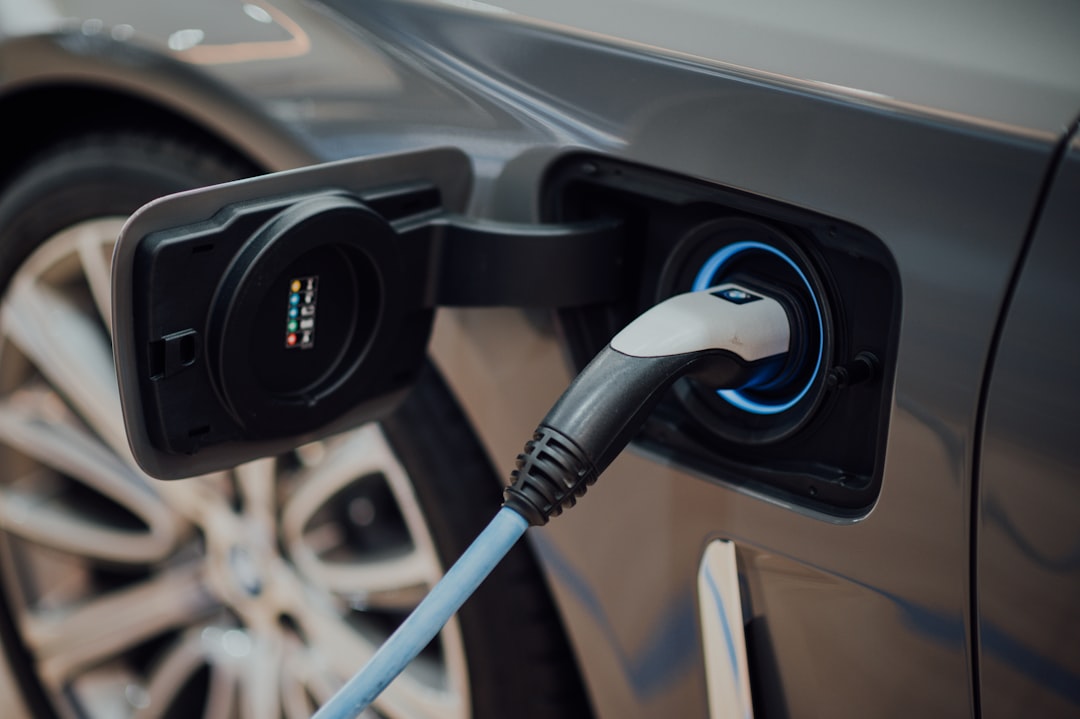
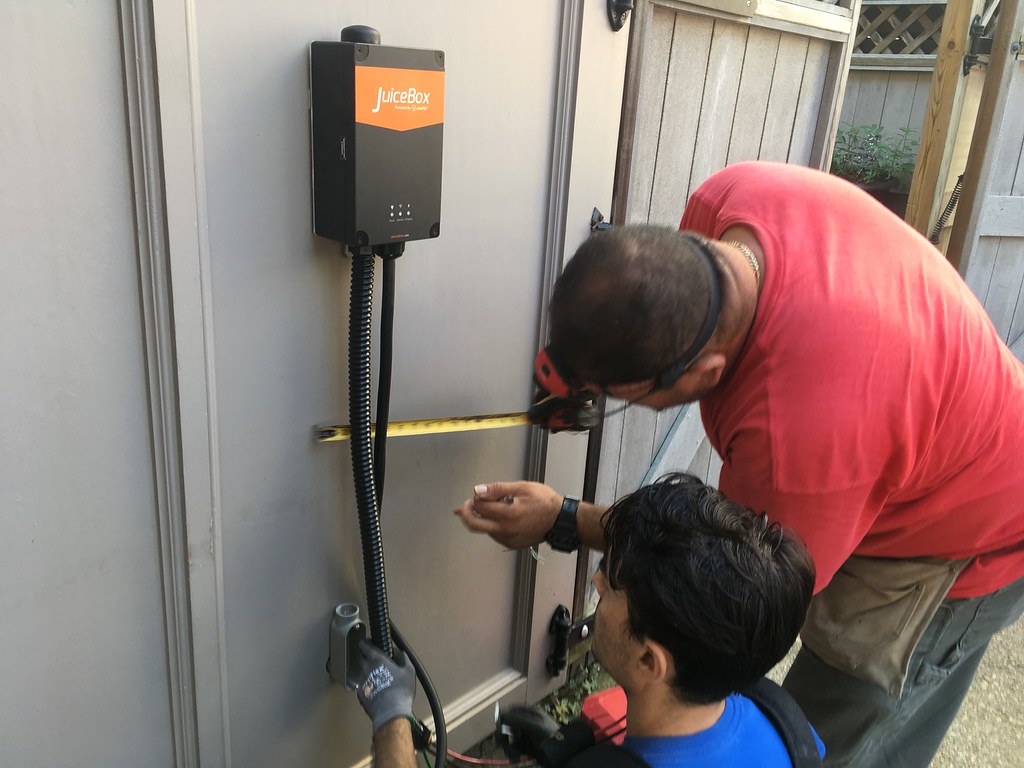
Then there’s the home charger. At launch, BYD offered an “Early Adopter Package” that included a 7 kW home charger wallbox, a R10,000 cash incentive, and a R999-a-month insurance offering through Absa. For buyers who missed that window, a SANS 10142-compliant 7 kW wallbox installation typically runs R8,000 to R12,000 — once. That’s it. One fixed cost, then years of off-peak overnight charging. Get a free home charger installation quote before you make a final decision — prices vary by municipality and installation complexity.
Over five years at 20,000 km per year, and using today’s fuel prices as a conservative baseline: the Dolphin Surf saves approximately R22,000 per year in fuel alone. Add lower servicing costs (save roughly R12,500 over five years), subtract the extra insurance (lose R15,000) and the charger install cost (lose R10,000 one-time), and you’re still ahead by over R90,000 compared to the Polo Vivo. With May’s projected fuel increases, that number goes north of R120,000.
Performance: It’s a Dead Heat — With a Twist
Here’s something nobody expected. The Polo Vivo 1.4 and the Dolphin Surf Comfort are statistically neck-and-neck in a straight line. Both produce 55 kW. Both sprint to 100 km/h in the 14-second range. They’re evenly matched on paper. But paper doesn’t capture what the Dolphin Surf actually feels like off the line.
Even with the relatively modestly specced Dolphin Surf, the instant torque at take-off is quite obvious. Electric motors deliver maximum torque from zero rpm. Pull onto the N1 from a slip road, merge into peak-hour traffic on the M3, or squeeze past a minibus taxi on Oxford Road — the Dolphin Surf responds instantly and without hesitation. The Polo Vivo takes a moment to build revs and find its feet. In city driving, which is where both of these cars spend 90% of their lives, the EV wins emphatically on feel.
Where the Polo Vivo genuinely wins is top speed and long-distance confidence. The Polo Vivo has a top speed of 171 km/h, while the Dolphin Surf is electronically limited to 130 km/h. On the N2 between Cape Town and George, or the N1 heading into the Hex River Pass, that 130 km/h ceiling becomes more noticeable — especially when overtaking. It’s not dangerous, but it is a limitation worth acknowledging.
At 3,925 mm long, 1,720 mm wide and 1,590 mm high, the Dolphin Surf is a proper hatchback, not a toy. Boot space is 230 litres, expandable to 930 litres with the rear seats flat. The Polo Vivo offers similar practicality with arguably better ergonomics for taller drivers. Neither car is a family road-tripper. Both are perfect city workhorses.
SA Reality Check: Load-Shedding, Body Corporates, and Resale
No review of an EV in South Africa is complete without addressing the elephant in the room wearing an Eskom hard hat. Load-shedding. It’s been quieter recently, but nobody is naive enough to think it’s gone forever.
Here’s the practical reality. The Dolphin Surf’s 30 kWh battery takes roughly four to five hours to charge from near-empty on a 7 kW wallbox. Stage 2 load-shedding in most schedules means two-hour slots, typically distributed across morning and evening peaks. Off-peak charging between midnight and 6am is almost always unaffected by load-shedding. Charge overnight when the grid is quiet, wake up to a full battery. It’s genuinely manageable — and owners who’ve added even a modest solar PV setup report that their charging is essentially free. One Durban owner who bought the first Dolphin Surf in South Africa noted that the car is parked off at home for the majority of the day, benefiting from slow charging via home solar panels — meaning day charging is basically free.
The Polo Vivo, of course, doesn’t care about load-shedding at all. Fill it up, drive it. Simple. If your living situation makes EV charging genuinely impossible — you park on the street, you live in a body corporate that’s still navigating approvals, you travel extensively between cities — the Polo Vivo remains the pragmatic choice. No judgement.
Body corporate approvals have improved significantly since 2024. What used to take three to six months of body corporate wrangling now typically resolves in two to six weeks as building managers become more familiar with the SANS 10142 compliance requirements and the legal obligation to permit EV charging installations. It’s still a process, but it’s no longer the nightmare it was. Check our live charging map to see how dense the public network already is in your area — GridCars alone has over 600 public chargers nationwide, which means the Dolphin Surf is increasingly viable even for those still working through body corporate approvals.
Ready to Install a Home Charger?
Get a free, no-obligation quote for professional EV charger installation in South Africa.
Resale Value: The Honest Uncertainty
The Polo Vivo has one of the strongest resale values of any car in South Africa, full stop. The Volkswagen Polo Vivo has a strong reputation in South Africa and is a consistent top-seller, considered a reliable, affordable, and practical choice for everyday driving, with a strong focus on build quality. Its popularity means there is a good market for used models and parts are readily available. A three-year-old Polo Vivo 1.4 holds roughly 65 to 70 percent of its original value. That’s genuinely impressive for a budget hatchback.
The Dolphin Surf’s resale story is unwritten. That’s the honest truth. BYD launched in South Africa only in 2023, and the Dolphin Surf only arrived in September 2025. There’s no three-year-old example to reference. What we can say is this: BYD provides an 8-year/200,000 km warranty on the battery alongside the 3-year vehicle warranty and service plan. That warranty transfers to subsequent owners and acts as a powerful confidence signal in the used market. And as more EVs enter the SA market, the ecosystem of technicians, parts, and resale confidence will only improve.
If resale certainty is a hard requirement for you — say, you’re financing the car and know you’ll sell in three years — the Polo Vivo wins this round cleanly. If you’re buying to keep and drive, the Dolphin Surf’s economics are overwhelming.
If you’re still weighing up alternatives in the segment, our BYD Dolphin Surf vs Toyota Urban Cruiser comparison covers the sub-R400K SUV angle, and for a broader picture of what EVs actually cost versus petrol over five years in SA, the full EV vs petrol running cost breakdown is required reading.
What Makes the Dolphin Surf Actually Good to Live With
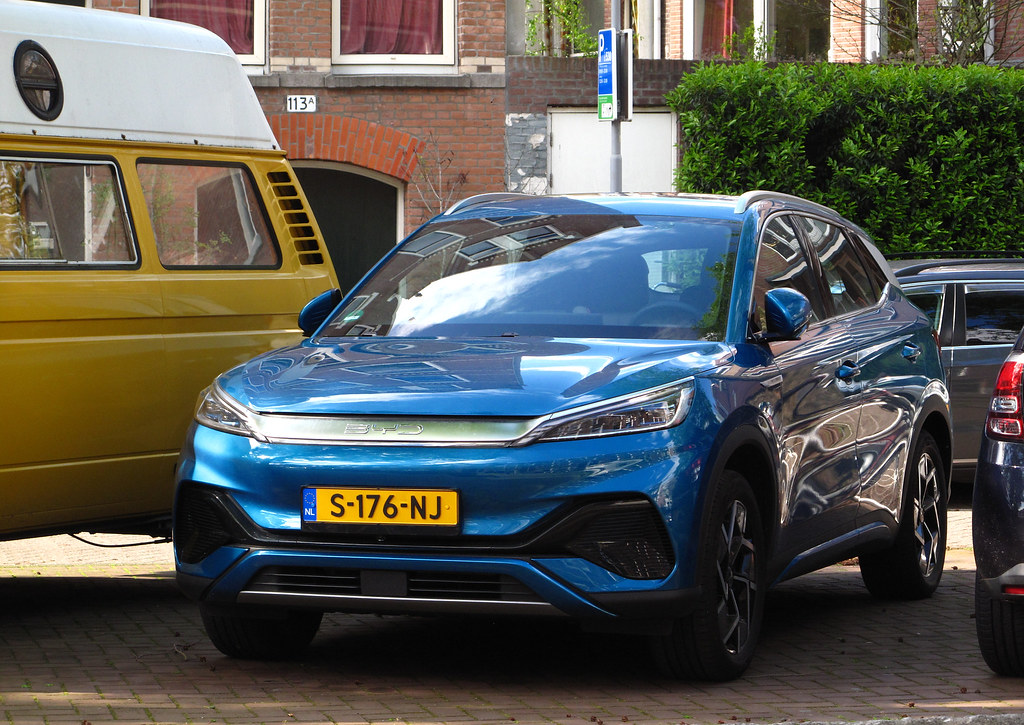
Specs and savings are one thing. Living with a car is another. The Dolphin Surf punches above its R341,900 price tag in ways that matter daily. Standard equipment includes a 7 kW home charger wallbox, 16-inch alloy wheels, vehicle-to-load (V2L) capability, a 10.1-inch touchscreen with Apple CarPlay and Android Auto, a seven-inch digital instrument panel, voice control, and a 15W wireless charging pad. V2L — Vehicle to Load — means you can power appliances directly from the car battery during load-shedding. That’s free, accidental genius in the South African context.
The BYD Dolphin Surf features a multifunction steering wheel plus keyless entry and start on both variants, and integrates with your smartphone via the BYD App. From locking or unlocking the vehicle remotely to checking battery levels or pre-conditioning the cabin, the app puts a user in control of their car no matter where they are. Pre-condition the cabin before you get in on a Highveld summer morning. It sounds like a luxury. It’s a standard feature.
The Polo Vivo, by contrast, gives you what you need and not much else. A radio, air conditioning, a practical cabin. No wireless charging, no V2L, no app connectivity. It does the job with zero drama. Whether that simplicity is a virtue or a limitation depends entirely on what you value.
Find Charging Stations Near You
Explore our live map of EV charging stations across South Africa — updated in real time.
The Context That Changes Everything
For years, the honest answer to “should I buy an EV in South Africa?” was: not yet. The entry point was too high, the grid too unreliable, and the value proposition too thin. That calculus shifted in September 2025 when BYD launched the Dolphin Surf, officially becoming the most affordable electric car in the country at R339,900.
And then April 2026 happened. Following the United States’ initiation of war against Iran on 28 February in “Operation Epic Fury”, retaliatory strikes and the closure of the Strait of Hormuz sent global oil prices soaring past $100 a barrel, while investors pulled out of riskier markets, impacting the rand. At current international crude oil prices, analysts project that the 95-octane petrol price could exceed R30 per litre by June or July if conditions do not improve. That changes the maths on every petrol car in South Africa, not just the Polo Vivo.
Naamsa figures show 1,088 BEVs were sold in South Africa in 2025, still only about 0.2% of the total new vehicle market. March 2026’s 389 units, in a single month, represents 35.7% of that entire year’s volume. That’s not a trend. That’s a step change. And it happened the same month petrol hit R23.36/litre on its way to who-knows-where.
In a price-sensitive market, affordability rather than environmental concerns is the decisive factor. South Africans aren’t buying the Dolphin Surf to save the planet. They’re buying it because the maths finally works. And right now, the maths screams.
Verdict: Who Should Buy Which Car?
Buy the BYD Dolphin Surf if you drive 15,000 km or more per year, have access to home charging (or are in a body corporate that will approve it), and rarely need to drive more than 200 km in a single day. At R23.36/litre petrol and off-peak electricity, you’ll save roughly R22,000 annually in fuel costs alone. At May’s projected prices of R28/litre or higher, that saving could exceed R28,000 per year. The payback on the price premium sits at two to three years. After that, you’re banking pure savings every month while the Polo Vivo owner watches pump prices with increasing dread.
Buy the Polo Vivo 1.4 if you cannot charge at home, if you regularly drive long intercity distances, if you need the certainty of a proven resale value, or if your monthly budget simply cannot absorb the R70,000 premium — regardless of what the five-year spreadsheet says. It’s a genuinely good car. Dependable, locally built, easy to service anywhere in the country. If the Dolphin Surf is asking you to change how you refuel, the Polo Vivo says: nothing changes.
But here’s my honest opinion: for the majority of South African urban commuters — the people doing 40 km to 80 km a day, parking at home overnight, watching their bank account bleed every time they fill up — the Dolphin Surf is now the smarter buy. Not eventually. Now. The fuel crisis didn’t create this argument. It just made it impossible to ignore.
Before you commit, run your exact numbers through our EV calculator — plug in your daily distance, your local electricity tariff, and today’s fuel price. The answer might surprise you. And when you’re ready to move forward, get a free home charger installation quote — because the charger is the last piece of the puzzle.
FAQ
Can I charge the BYD Dolphin Surf at home?
Yes. BYD’s early adopter package included a 7 kW home charger wallbox, and the Dolphin Surf supports AC charging up to 7 kW. From near-empty, a full charge takes approximately four to five hours overnight. Off-peak electricity rates (typically midnight to 6am) make this the cheapest time to charge in most SA municipalities.
What if I live in a body corporate or flat and can’t charge at home?
Body corporate approvals have improved dramatically — typically two to six weeks in 2026, down from three to six months in 2024. SANS 10142 compliance is required. In the meantime, or for those without home charging, public DC fast chargers are available across the country. Driving on electricity at public chargers costs roughly 50 cents per kilometre for daily commuting, compared to a petrol hatchback averaging R1.80 to R2.20 per km at current fuel prices. The economics still favour the EV, just less dramatically. Check the live charging station map to see what’s available near you.
Does load-shedding kill EV ownership?
No — but it requires planning. Off-peak charging between midnight and 6am is rarely disrupted by load-shedding schedules. Stage 2 typically runs two-hour slots in morning and evening peaks. If you charge overnight, the impact is minimal. Owners with solar PV panels effectively eliminate the concern entirely, benefiting from slow charging via home solar panels that makes day charging essentially free.
Is 232 km of range enough for South African driving?
BYD noted that with an average daily travel distance of about 55 km, the Dolphin Surf’s launch route was a good example of how it would typically be used. For 90% of South African urban commuters, 232 km of WLTP range covers three to four days of normal driving between charges. Range anxiety is real but statistically unfounded for most buyers in this segment. Long-distance intercity travel requires planning around the public charging network — which is growing rapidly.
What’s the insurance cost difference between the Dolphin Surf and Polo Vivo?
Expect to pay approximately R200 to R300 per month more for the Dolphin Surf due to higher repair costs and limited local EV repair expertise. That’s R2,400 to R3,600 per year extra — a real cost, but one that is comfortably outweighed by the fuel and maintenance savings. BYD’s early adopter package included a R999-a-month insurance offering through Absa, which made the initial ownership cost significantly more competitive for early buyers.
What warranty does the BYD Dolphin Surf come with?
Buyers get a 3-year/100,000 km vehicle warranty, a 3-year/60,000 km service plan, and an 8-year/200,000 km battery warranty. The battery warranty transfers to subsequent owners, which strengthens the Dolphin Surf’s case in the used market as more units come off their initial ownership.
How does the Dolphin Surf compare to other sub-R400K EVs arriving in 2026?
The Geely E2, which arrived locally in April 2026, is now the most affordable EV in SA, undercutting the Dolphin Surf’s R341,900 entry price. There may soon be three new EV models priced under R400,000 in the local market, which is a significant shift in a market dominated by expensive, premium EVs until very recently. Competition is heating up fast in this segment.
Continue Reading