
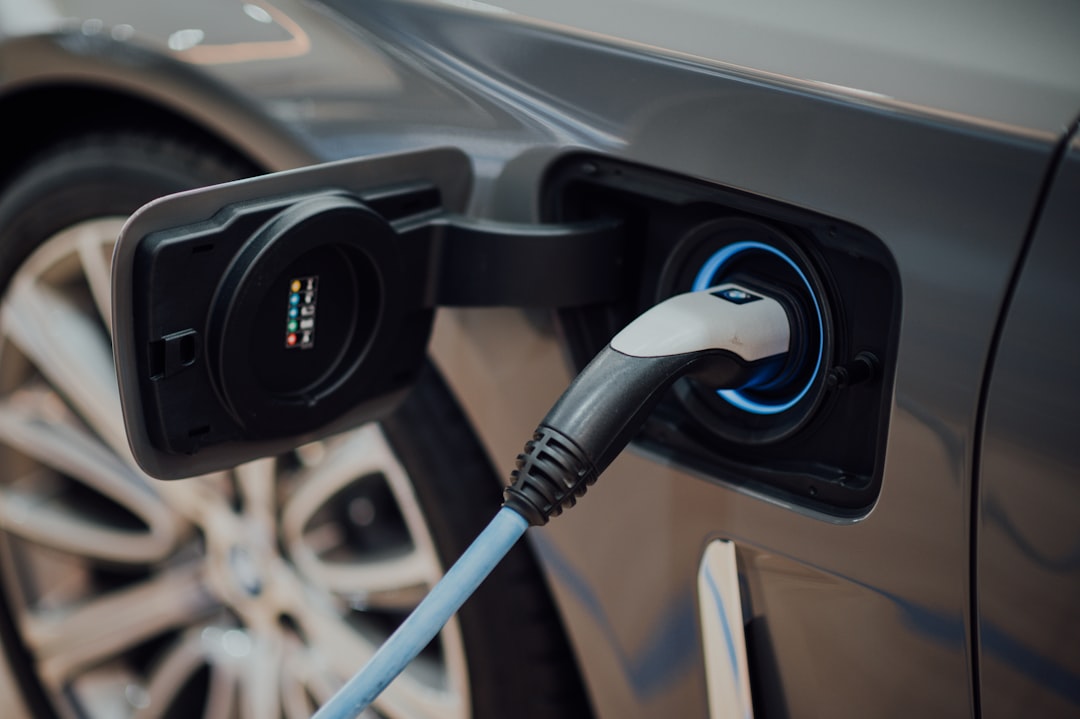
Load-Shedding and Electric Cars: Can You Still Charge in South Africa?
Can You Still Charge an EV During Load-Shedding?
Yes, with the right setup you can absolutely charge your EV during load-shedding — and a growing number of South African EV owners have implemented smart solutions that make load-shedding a minor inconvenience rather than a showstopper.
The key is understanding that modern EVs and charging infrastructure are specifically designed to work around South Africa’s unique power challenges. With strategic planning and the right equipment, you can maintain excellent charging reliability even during Stage 6 load-shedding.
According to Eskom’s 2026 tariff structure, residential electricity costs approximately R4.00–R5.00 per kWh depending on your municipality and time-of-use bracket, making home charging significantly cheaper than petrol even when factoring in occasional generator backup.
Understanding EV Range and Daily Consumption in SA
Most affordable EVs available in South Africa in 2026 offer a real-world range of 300–350km on a full charge. Larger or older models may use 200–220Wh per kilometre in typical SA driving conditions, while newer compact EVs achieve closer to 160–180Wh/km.
For a typical 50km daily commute, you’ll consume approximately 9–11kWh depending on your vehicle’s efficiency (at 180–220Wh/km), driving style, and whether you’re navigating Johannesburg’s hills or Cape Town’s highways. This means even without charging for several days, you retain substantial range — roughly 6–7 days of commuting before fully depleting a 60kWh battery pack.
Understanding your vehicle’s specific consumption rate is crucial for planning around load-shedding. Most EVs display real-time efficiency on the dashboard, helping you track actual kWh usage per trip.
5 Proven Load-Shedding Charging Solutions
Solution 1: Smart Scheduling (FREE)
Modern EV chargers include intelligent scheduling that automatically charges your vehicle during non-load-shedding periods. The charger monitors your local load-shedding schedule and optimises charging to maximise available power windows.
Pros: Free, no additional equipment needed
Cons: Requires planning ahead, won’t work during extended outages
Most ChargePoint home chargers include this feature as standard, syncing with the EskomSePush API to avoid wasted charging attempts during scheduled outages. According to MyBroadband’s energy coverage, smart scheduling has become the baseline solution for most SA EV owners, requiring zero upfront investment beyond the charger itself.
Solution 2: Solar + Battery Storage
A 5kW solar system with 10kWh battery storage provides daytime charging capability regardless of grid status. This is becoming increasingly popular among South African EV owners who want energy independence.
Cost: R120,000–R180,000 installed
Benefit: Near-zero running costs, load-shedding independence, home backup power
According to industry data, systems of this size can provide 50–70km of EV range per day while also powering essential household loads during outages. The payback period for combined home-and-EV solar systems has dropped to 4–6 years in 2026, making this an increasingly attractive option for homeowners.
Solution 3: Generator Backup
A quality 7kW inverter generator can charge your EV at full speed during outages.
Cost: R15,000–R30,000
Running cost: R8–R12 per kWh (vs R4–R5/kWh from grid)
Best for: Occasional backup, long-distance travel flexibility
While more expensive per kWh than grid power, generators offer complete flexibility and can be shared with neighbours or used for other household backup needs. Petrol-powered generators remain the most cost-effective backup solution for EV owners who only need occasional emergency charging.
Solution 4: Public Charging Network
Many modern public DC fast chargers have battery storage or generator backup, keeping them operational during load-shedding. Shopping centres, office parks, and dedicated charging hubs increasingly offer this reliability.
Use the ChargePoint live charging map to find stations with backup power near your regular routes. DC fast charging can add 100–150km of range in just 20–30 minutes, making it a practical solution for urgent top-ups during extended grid outages.
According to Fin24’s infrastructure reporting, South Africa’s public charging network expanded by 40% in 2025–2026, with backup-equipped stations now representing roughly 60% of new installations in major metros.
Solution 5: Workplace Charging Agreements
If your employer has backup power (generator or solar), negotiate access to workplace charging. Many companies are installing EV chargers as an employee benefit, and these often remain operational during grid outages.
Cost: Usually free or subsidised
Benefit: Charges while you work, reduces home electricity demand
Real-World Load-Shedding Charging Strategy
Here’s how successful South African EV owners handle load-shedding in 2026:
Daily Routine Approach
- Evening charging (18:00–22:00): Primary charging window when most people return home
- Night charging (22:00–06:00): Cheapest electricity rates, fewer load-shedding stages
- Opportunity charging: Top up whenever power is available during the day
With a typical EV’s 300–350km range, most South Africans only need to fully charge 2–3 times per week, making load-shedding scheduling very manageable. The key is maintaining a buffer — never letting your battery drop below 20% if you can avoid it.
This approach works because load-shedding schedules are predictable. By checking your area’s schedule each morning and planning your charging windows accordingly, you can maintain consistent range without expensive backup systems.
Cost Comparison: Grid vs Backup Charging
| Charging Method | Cost per kWh | Cost per 100km | Monthly Cost (1,500km) |
|---|---|---|---|
| Grid (off-peak) | R4.00–R5.00 | R72–R90 | R1,080–R1,350 |
| Solar + battery | R0.50–R1.50* | R9–R27 | R135–R405 |
| Generator | R8.00–R12.00 | R144–R216 | R2,160–R3,240 |
| Public DC fast | R6.00–R8.00 | R108–R144 | R1,620–R2,160 |
*Amortised over 10-year system lifespan
Even with occasional generator use during extended outages, EV charging remains far cheaper than petrol at R24–R26 per litre. Use the ChargePoint EV calculator to model your specific driving patterns and charging costs.
What the Data Shows About SA EV Charging in 2026
While comprehensive national statistics on EV owner behaviour aren’t yet available, charging infrastructure providers report that smart scheduling and workplace charging have become the two most common solutions among their customer base. Solar-battery systems are growing fastest in the premium segment, particularly among homeowners in Gauteng and Western Cape metros.
The shift toward backup-equipped public chargers reflects broader market adaptation to load-shedding. Shopping centres and office parks view reliable EV charging as a competitive amenity, driving investment in battery-backed infrastructure even where grid power remains unreliable.
Frequently Asked Questions
What happens to my EV charger during load-shedding?
The charger simply pauses when power goes out and automatically resumes charging when power returns. No damage occurs to either the charger or your vehicle. Modern smart chargers track the interruption and adjust the charging schedule accordingly.
Can I charge my EV with solar panels during load-shedding?
Yes, with a battery storage system. A 5kW solar system with 10kWh battery can provide 50–70km of range per day, making you largely independent of grid power. This setup costs R120,000–R180,000 installed.
How much range does an EV lose per day if I can’t charge?
EVs don’t lose charge when parked — they maintain their state of charge. If you drive 50km/day, you’ll use about 9–11kWh depending on your vehicle’s efficiency (160–220Wh/km is typical for SA conditions). With 300–350km average range for affordable models, you have 6–7 days of driving before fully depleting the battery.
Is a generator good for charging EVs during load-shedding?
Yes, a 7kW inverter generator works perfectly for EV charging and costs R15,000–R30,000. Running costs are higher (R8–R12/kWh vs R4–R5/kWh from grid), but it provides complete flexibility during extended outages.
Do public charging stations work during load-shedding?
Many modern public DC fast chargers have battery storage or generator backup, keeping them operational during load-shedding. Check charging apps for real-time availability of stations near you.
Planning Your Charging Strategy
The most practical approach for most South African EV owners combines grid charging during available windows with one backup option. If you own your home, solar-battery systems offer the best long-term value. Renters and apartment dwellers typically rely on workplace charging or public networks with backup power.
Start by calculating your daily consumption using your vehicle’s trip computer. Track your kWh usage over a week to understand your baseline needs. Then identify your available charging windows based on your area’s typical load-shedding schedule. Most owners find they have 16–20 hours of grid availability per day even during Stage 4, which is more than sufficient for overnight charging.
For extended trips or emergency situations, know where your nearest backup-equipped public chargers are located. The ChargePoint live map shows real-time availability and backup status for stations across South Africa.
The Bottom Line
Load-shedding doesn’t have to stop you from driving electric. With smart scheduling, a modest investment in backup power, and access to South Africa’s growing public charging network, EV ownership remains practical and cost-effective even during Stage 6 outages.
The most successful approach combines multiple strategies: rely on grid charging during available windows, maintain a solar-battery system for daily top-ups if you own your home, and keep a generator or public charging option as backup for emergencies.
Ready to explore your EV charging options? Get a personalised quote for a home charging solution tailored to your load-shedding schedule and driving needs.
Continue Reading
Deprecated: File Theme without comments.php is deprecated since version 3.0.0 with no alternative available. Please include a comments.php template in your theme. in /var/www/wordpress/wp-includes/functions.php on line 6085
Leave a Reply