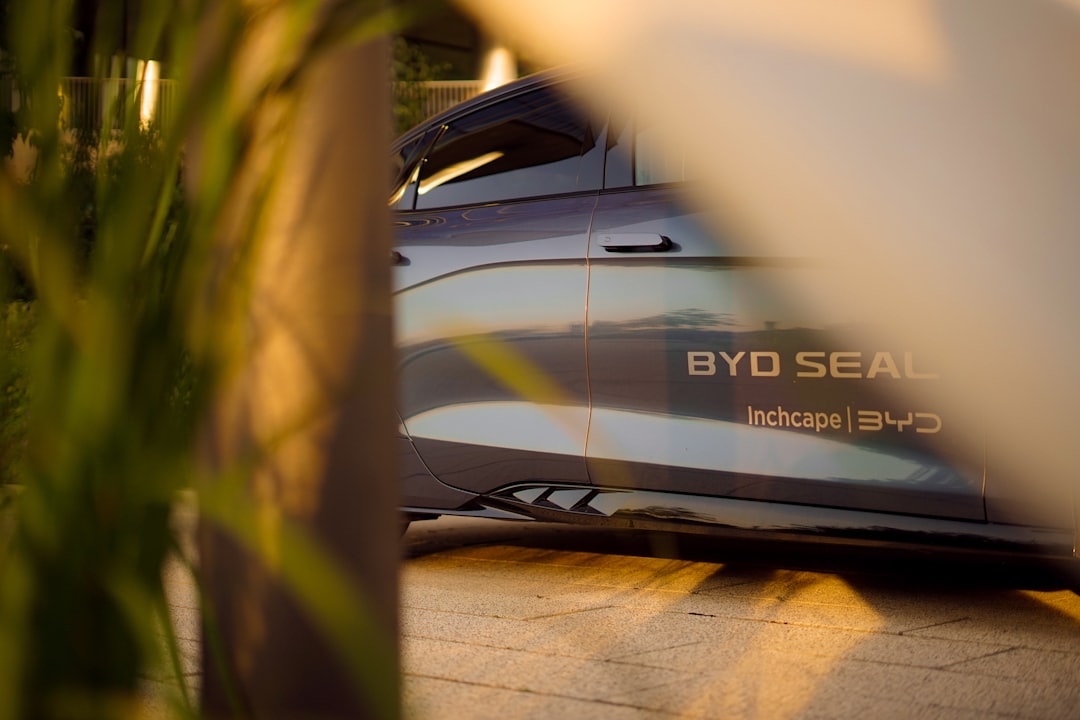
Here is the short answer: the BYD Seal Premium Extended Range costs R1,007,900 and will set you back roughly R549 a month in home electricity. The BMW 320i M Sport sits at approximately R850,000 and will cost you around R2,756 a month in petrol. That is a R2,207 monthly difference — R26,484 every year — in favour of the electric car. But the BMW is R157,900 cheaper upfront and carries a dealer network and resale track record the BYD simply cannot yet match in South Africa. This is the most interesting luxury sedan decision you can make in 2026. Let us break it down properly.
Both cars target the same buyer: a professional or executive who wants a proper rear-wheel-drive sedan in the R800,000-to-R1.2 million bracket. One is a tech-forward electric from the company that just dethroned Tesla globally. The other is the definitive benchmark of the compact executive class, now in its seventh generation. The question is no longer “is the EV good enough?” — it very much is. The question is whether the numbers stack up for your specific lifestyle.
We have run the full maths on South African fuel prices, Cape Town electricity tariffs, five-year ownership costs, the Eskom reality of 2026, and the home charging setup you will need. By the end of this, you will know exactly which car makes financial and practical sense for you. You can also use our EV savings calculator to see exactly what you would save based on your actual driving profile.
Side-by-Side: The Key Numbers
Before we get into the detail, here is where these two cars stand head-to-head on the numbers that actually matter.
| Spec | BYD Seal Premium Extended Range | BMW 320i M Sport |
|---|---|---|
| Price (2026) | R1,007,900 | ~R850,000 |
| Powertrain | 230 kW / 360 Nm electric (RWD) | 135 kW / 300 Nm turbo petrol (RWD) |
| 0–100 km/h | 5.9 seconds | 7.4 seconds |
| Range / Tank | 570 km WLTP | ~800 km (60L @ 7.5L/100km real-world) |
| Monthly running cost | ~R549 (home off-peak charging) | ~R2,756 (@ R24.50/litre, 1,500 km/month) |
| Warranty | 6 years / 150,000 km | 5 years / 100,000 km |
| Luggage space | 400L + 50L frunk | 480L |
| Charging / Refuel | 150 kW DC, 11 kW AC | Petrol station, anywhere |
Performance and Drive Feel
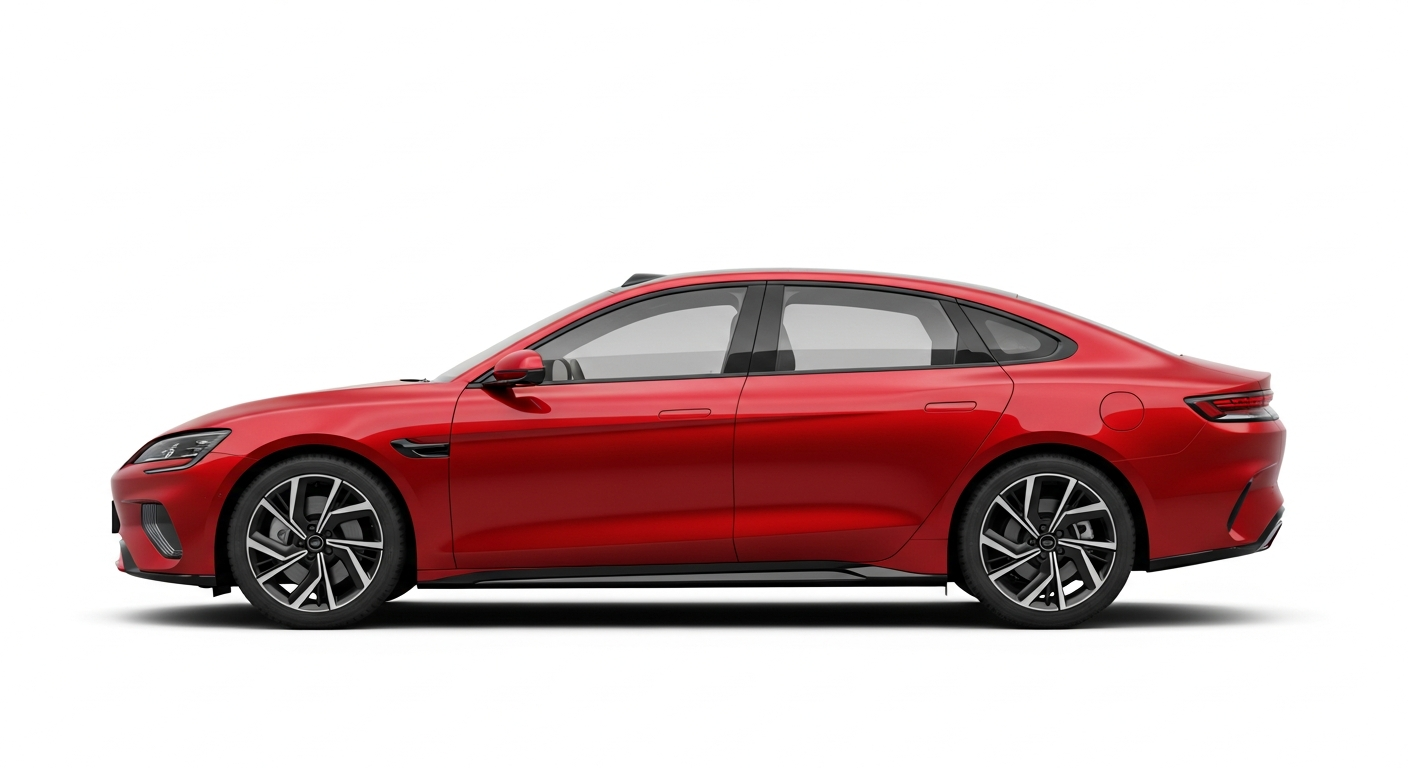
Let us be direct: the BYD Seal is the faster car. The base model gets a single e-motor turning the rear wheels that delivers 230 kW and 360 Nm, propelling it to 100 km/h in 5.9 seconds. The BMW 320i M Sport manages 7.4 seconds with its 135 kW turbocharged 2.0-litre. That is a meaningful gap. On the N1 highway on-ramp heading into Joburg, the Seal does not just feel brisk — it feels like a proper sports sedan.
But here is the thing BMW fans will immediately and correctly point out: quicker is not always more engaging. The 3 Series has spent five decades refining the relationship between driver and road. The steering, the weight distribution, the way it flows through an S-bend on the R44 near Stellenbosch — there is a tactile reward to the BMW that electric torque delivery alone cannot replicate. The Seal is rapid. The BMW is rewarding. Those are two different experiences.
What the Seal does have going for it is that BYD’s e-platform architecture puts the battery in the floor, lowering the centre of gravity significantly. It is not as dynamically communicative as the Bimmer, but it is genuinely composed, and the instant torque makes it feel more potent than the 5.9-second figure suggests in everyday traffic.
How Much Could You Save With an EV?
Use our free calculator to compare your current fuel costs with EV charging costs.
Technology and Cabin Quality
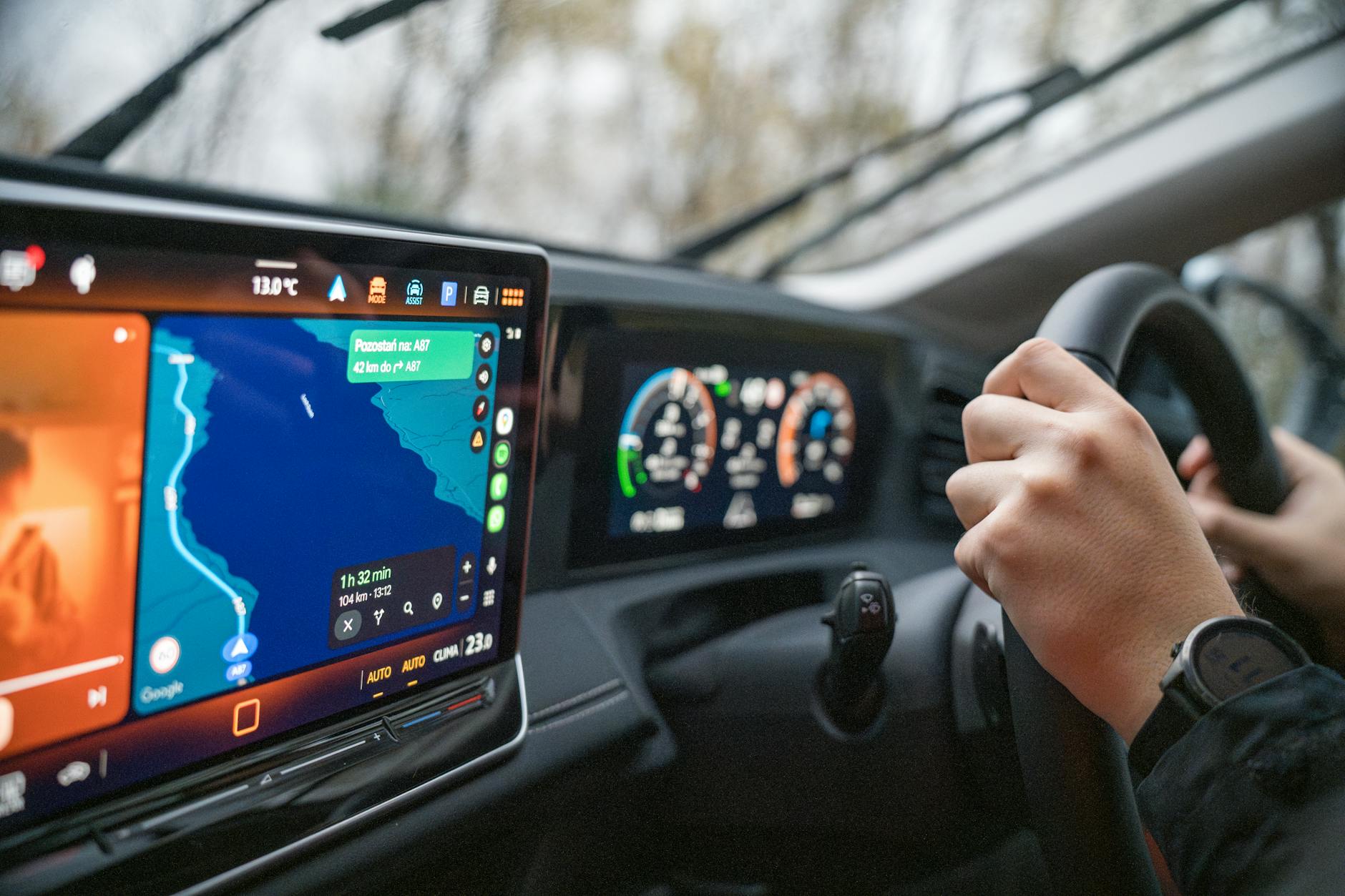
Like other vehicles in the BYD catalogue, the Seal is generously equipped — bringing leather upholstery, electric front seats with heating and ventilation, a 10.25-inch digital instrument cluster, a heads-up display, dual-zone climate control, two wireless phone chargers, RGB mood lighting, and a panoramic glass roof. Hanging on the dash is a rotating 15.6-inch infotainment system with Apple CarPlay and Android Auto, satellite navigation, and voice assist, hooked up to a 12-speaker Dynaudio stereo.
The BMW’s interior is more conservative but arguably better screwed together. iDrive remains one of the better vehicle operating systems in the business, and the quality of materials in the cockpit — the leather, the metal trim details — still feels a level above the BYD’s slightly plasticky secondary surfaces. The Seal’s giant rotating screen is genuinely impressive; whether it will age well is another question.
On safety, both Seal variants come standard with adaptive cruise control, lane-departure warning, lane-keep assist, proactive collision warning, traffic sign recognition, front and rear cross-traffic alert with braking, blind-spot detection, and a 360-degree camera system. For a car at this price point, that is excellent value.
The Real Running Costs: Where the BYD Destroys the BMW
This is where the conversation gets serious. We have run the numbers using real South African data — not optimistic manufacturer claims.
For a typical executive driving 1,500 km per month (18,000 km per year), the BYD Seal costs roughly R549 per month to charge at home. That calculation works as follows: 1,500 km at 14.5 kWh/100 km equals 217.5 kWh total. Charging 80% of that overnight on the City of Cape Town’s off-peak rate of R1.89/kWh costs R329. The remaining 20% at the standard R3.18/kWh tariff adds R138. Total: R549/month. Run this through our savings calculator with your own municipality’s tariff — Joburg and Tshwane numbers will differ slightly.
The BMW 320i at real-world consumption of 7.5 L/100 km (BMW claims 6.5 L/100 km; real-world South African conditions add roughly a litre) covering the same 1,500 km costs 112.5 litres at R24.50 per litre. That is R2,756 per month in fuel alone.
The BYD Seal saves R2,207 per month — R26,484 per year — in running costs compared to the BMW 320i at current fuel and electricity prices.
That is not a rounding error. That is a family holiday every year. Or your home charger installation paid back within twelve months.
Five-Year Total Cost of Ownership: Essentially a Dead Heat
Despite the running cost advantage, the five-year total cost of ownership is essentially a tie — with the BMW edging ahead by a statistically insignificant margin.
The BYD Seal’s five-year total stacks up as follows: purchase price R1,007,900, electricity over 60 months at R549/month totalling R32,940, maintenance approximately R15,000 (EVs skip oil changes, spark plugs, and filters; regenerative braking means brake pads last 100,000+ km), and estimated insurance at R3,000/month totalling R180,000. Five-year total: approximately R1,235,840.
The BMW 320i over five years: purchase price R850,000, fuel at R2,756/month totalling R165,360, service and maintenance approximately R75,000 (oil changes every 15,000 km, spark plugs, filters, brake pads every two years), and estimated insurance at R2,500/month totalling R150,000. Five-year total: approximately R1,240,360.
The BMW wins by roughly R4,500 over five years — a margin so narrow it is effectively statistical noise given the assumptions involved. And that is before accounting for any future fuel price increases. If 95 ULP heads towards R27 or R28 per litre in the next two years (not unrealistic given the rand’s historical volatility), the Seal’s five-year advantage becomes significant.
The breakeven on the higher purchase price alone — R157,900 more for the Seal — comes at around six years of equivalent driving. For buyers on a five-year finance cycle who trade frequently, the BMW makes financial sense. For buyers who hold their cars longer and rack up kilometres, the Seal wins decisively.
Ready to Install a Home Charger?
Get a free, no-obligation quote for professional EV charger installation in South Africa.
Practicality: Range, Luggage, and the Reality of EV Ownership in SA
Both Seals sport an 82.56 kWh battery pack, which is good for a driving range of 570 km in the Extended Range variant — based on the more realistic European WLTP range test rather than the usually optimistic Chinese NEDC standard. Charging the battery from 30–80% can be done in 26 minutes at a 150 kW DC station, and it also supports up to 11 kW AC charging for overnight top-ups at home.
The BMW’s 60-litre tank at real-world consumption stretches to around 800 km between stops. That is a meaningful advantage if you regularly do Joburg to Cape Town in one long haul. For the daily commute — the Sandton to Midrand run, Cape Town CBD to Constantia, Umhlanga to Durban North — 570 km WLTP range is more than enough to go a week without thinking about charging.
The Seal measures 4,800 mm long with a 2,920 mm wheelbase. The luggage compartment swallows 400 litres, with the front trunk accommodating another 50 litres. The BMW 320i offers 480 litres in the luggage area — a meaningful advantage if you are hauling golf clubs or have a family. But the BYD’s frunk adds back some of that lost practicality.
The Eskom Factor: SA’s Biggest EV Objection, Answered
Two years ago, the #1 objection to buying an EV in South Africa was grid reliability. Load-shedding was running at Stage 6, and the idea of plugging in overnight and waking up to a flat battery was completely legitimate. That reality has fundamentally changed.
As of the most recent Eskom briefing, South Africa has recorded 341 consecutive days without load-shedding. “Eskom enters the 2026 winter season with a resilient power system, projecting a winter period of continued energy stability from 1 April to 31 August 2026.” This is not spin — the Energy Availability Factor is consistently above 65%, currently at 65.85% for the 2025/26 financial year, compared to below 10% during the darkest days of 2022–2023.
Look, we are not naive about South African infrastructure. Load reduction — targeted power cuts in areas affected by illegal connections or infrastructure strain — is still happening, and it is a real issue in many townships and some suburbs. If you live in an area that regularly experiences load reduction, a home battery backup alongside your charger is a sensible addition. But for the majority of executive-home buyers considering a car at this price point, scheduled load-shedding is effectively gone.
The broader EV charging anxiety question is also increasingly well-answered. Urban areas like Gauteng have extensive charging networks, with major cities benefiting from reliable coverage provided by operators such as GridCars, Chargify, and Rubicon. GridCars operates 350+ stations nationwide with strong Western Cape presence. Check the live charging map — Cape Town, Joburg and Durban are genuinely well-covered for a trip car, not just a commuter.
Home Charging: What the BYD Seal Setup Actually Costs
Owning an EV like the Seal without a home charger is like having a pool without a pump. You can get by, but you will not enjoy the full experience. The good news is that home charger installation in South Africa has become genuinely straightforward in 2026.
Home EV charger installation costs R12,000–R25,000 in South Africa. The hardware runs R8,000–R18,000, installation R5,000–R15,000, and CoC R500–R1,500. A 7.4 kW wallbox — the sweet spot for most South African homes — will add 40–80 km of range per hour, meaning the Seal’s 82.56 kWh pack is comfortably full by morning if you plug in after the braai.
If you live in sectional title — a body corporate complex or estate — you will need trustee approval before installation. A compliant EV home charger installation in South Africa must meet SANS 10142-1 and, as of the 2025 code updates, Part 1 Annex N specifically covering EV charging infrastructure. A Certificate of Compliance must be issued by a registered electrician — without this, your home insurance can reject claims for electrical fires and you cannot legally transfer the property.
This is not as scary as it sounds. Most body corporates have become receptive to EV charger installations, particularly in higher-end complexes where residents are precisely the demographic buying cars at this price point. Get a free installation quote from ChargePoint SA — we cover Joburg, Pretoria, Cape Town, Durban, and the Garden Route, and can advise on body corporate compliance requirements specific to your complex.
Find Charging Stations Near You
Explore our live map of EV charging stations across South Africa — updated in real time.
Brand and Warranty: Established vs Ascending
The BMW 320i comes with one of the most established dealer networks in South Africa. There are BMW dealerships in every major city and most secondary towns. Service plan coverage, parts availability, and resale predictability are all known quantities. The 320i is known for its blend of sporty performance, luxury, and advanced technology, with a turbocharged 2.0-litre four-cylinder engine delivering a smooth and efficient driving experience, a comfortable interior with high-quality materials, and a range of safety features.
BYD, on the other hand, is newer to South Africa but moving fast. The warranty is more generous — six years and 150,000 km versus BMW’s five years and 100,000 km. And globally, the brand has arrived in a serious way. BYD has officially overtaken Tesla as the world’s largest manufacturer of all-electric vehicles for the full year of 2025. And it wasn’t even close. BYD sold about 2.26 million battery electric vehicles in 2025, while Tesla delivered about 1.64 million EVs in the same year. That global manufacturing scale does translate to parts supply security — this is not a niche brand you need to worry about disappearing.
The resale question is more nuanced. BMW resale values in South Africa are well-established and strong. BYD resale data in SA is thin — there simply have not been enough cars owned long enough to establish a secondary market pattern. If you plan to sell after three years, the BMW is almost certainly the safer bet on residual value. If you are buying to hold for five-plus years and run high kilometres, the lower running costs more than compensate. For a deeper dive on running costs across multiple EV models, our full EV vs petrol running costs comparison for South Africa has the detailed breakdown.
The Verdict: Who Should Buy Which Car
This is a genuinely close call. If someone forces us to pick, we lean towards the BYD Seal for most buyers in this segment — but with important caveats.
Buy the BYD Seal Premium Extended Range if you drive less than 500 km per week, have a standalone home where installing a charger is straightforward, do most of your kilometres on predictable routes, and care about advanced technology and lower running costs. You will save R26,484 per year in fuel. The six-year warranty is better than the BMW’s. The performance is genuinely impressive — 230 kW and 360 Nm in a rear-wheel-drive sedan at R1 million is extraordinary value by any global standard. And with Eskom’s grid now recording over 341 consecutive load-shedding-free days, the energy anxiety that killed the EV conversation two years ago is largely moot.
Buy the BMW 320i M Sport if you regularly need 600-plus km range on long-distance trips without planning stops, you live in sectional title with a complex body corporate that is not EV-friendly yet, you value BMW’s established dealer and service network, or resale value in a three-year cycle is a key financial consideration. The BMW is R157,900 cheaper upfront, has a deeper secondary market, and remains one of the best-driving compact executive sedans in the world. There is also an honesty to the BMW driving experience — the direct steering, the progressive chassis balance — that the Seal cannot yet fully replicate.
Both are excellent cars. The fact that we are seriously comparing a Chinese EV to a 3 Series tells you everything about where the market is in 2026. If you are still on the fence on the numbers, calculate your exact savings with our EV calculator and see what the fuel difference means for your specific monthly mileage.
FAQ
Is the BYD Seal cheaper to own than the BMW 320i over five years?
It is essentially a draw over five years, with the BMW costing approximately R1,240,360 and the BYD Seal approximately R1,235,840 in total including purchase price, fuel/electricity, maintenance, and insurance. The BYD saves R26,484 per year in running costs but costs R157,900 more upfront. Buyers who hold the car longer than five years or drive higher annual mileage benefit increasingly from the BYD’s much lower per-kilometre costs.
How much does it cost to charge the BYD Seal at home in Cape Town?
Using the City of Cape Town’s off-peak electricity tariff of R1.89/kWh (available 21:00–07:00), charging the BYD Seal for 1,500 km of monthly driving costs approximately R411 for the off-peak portion and R138 for the 20% topped up at standard tariff — a total of around R549/month. This compares to R2,756/month in petrol for a BMW 320i covering the same distance. The full calculation assumes 14.5 kWh/100 km real-world efficiency for the Seal.
What happens to my BYD Seal during load-shedding?
South Africa has recorded 341 consecutive days without load-shedding as of May 2026, and Eskom projects a winter period of continued energy stability from 1 April to 31 August 2026. In the event of a power interruption, smart home chargers automatically resume when supply is restored. Most owners in formal suburbs find they wake up to a fully charged car even when occasional outages occur overnight. For additional peace of mind, a home battery backup paired with your charger eliminates this concern entirely.
Which has better resale value in South Africa — the BYD Seal or the BMW 320i?
The BMW 320i has a well-established and strong resale track record in South Africa. BYD resale data locally is limited given how recently the brand arrived. Globally, BYD has officially overtaken Tesla as the world’s largest manufacturer of all-electric vehicles, which provides confidence in the brand’s longevity, but South African buyers on short three-year finance cycles who prioritise residual value should currently favour the BMW. This calculus may shift as the BYD secondary market matures over the next two to three years.
Can I install a home charger in a complex or sectional title property?
Yes, but you need body corporate approval before proceeding. A compliant EV home charger installation must meet SANS 10142-1 and Part 1 Annex N specifically covering EV charging infrastructure. You will need a trustee resolution and a Certificate of Compliance from a registered electrician. Many complexes in the R1 million car bracket — estates, security villages, Atlantic Seaboard apartments — are increasingly receptive to EV charging requests. Get a free site assessment and quote and we can advise on the specific compliance requirements for your complex.
Continue Reading