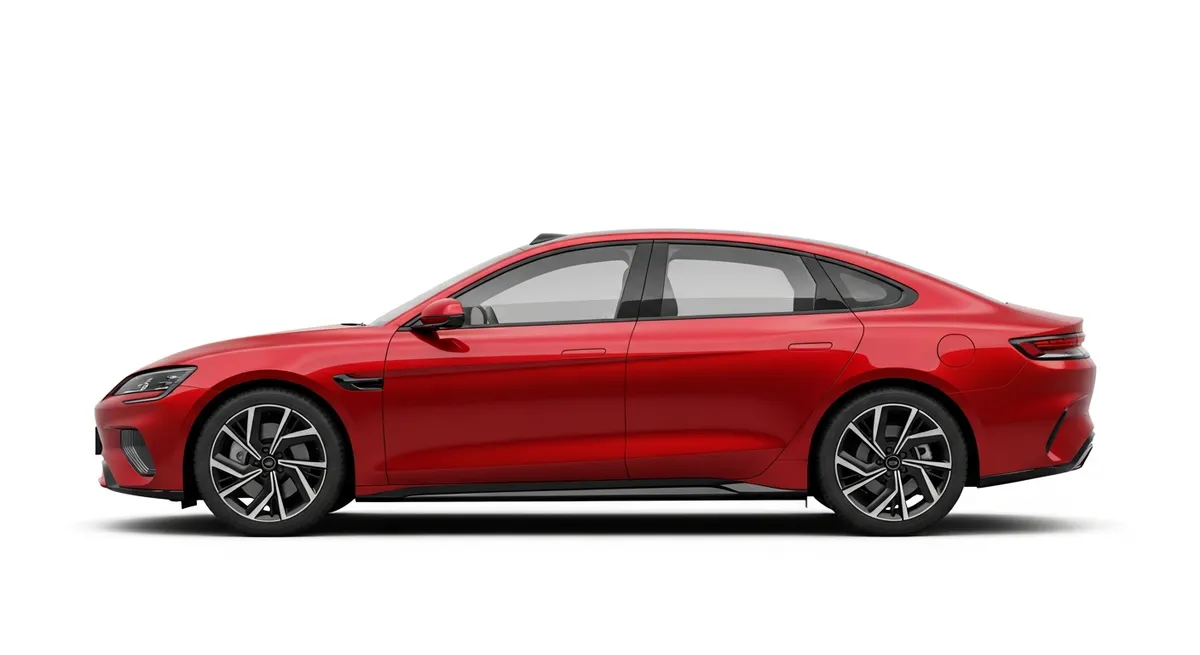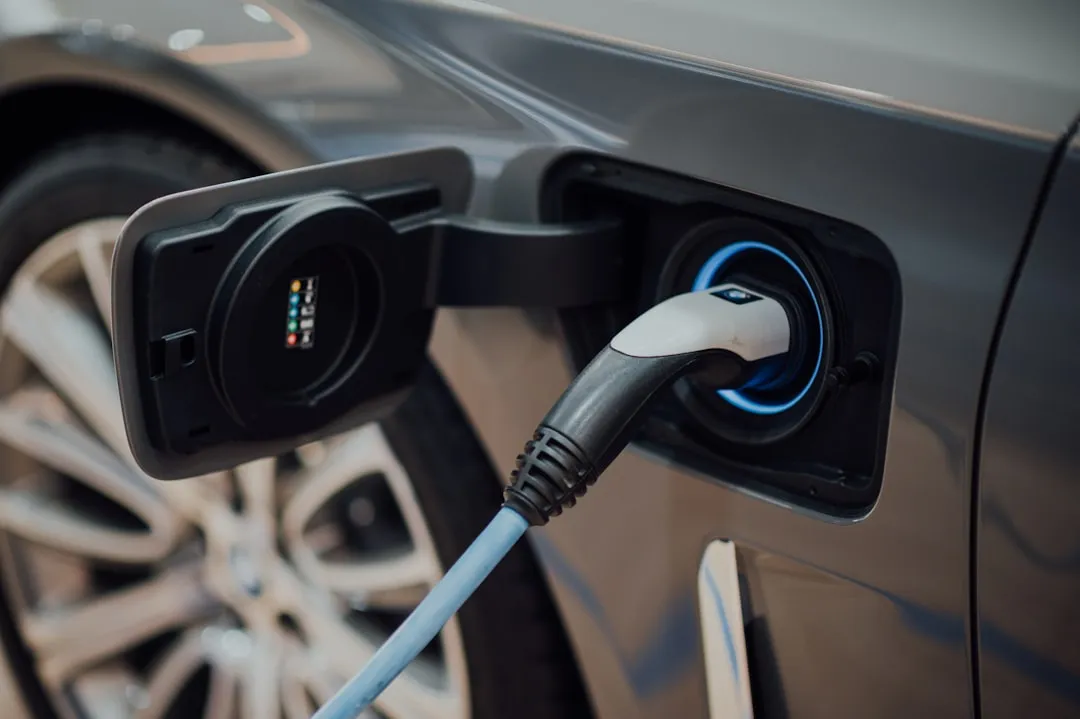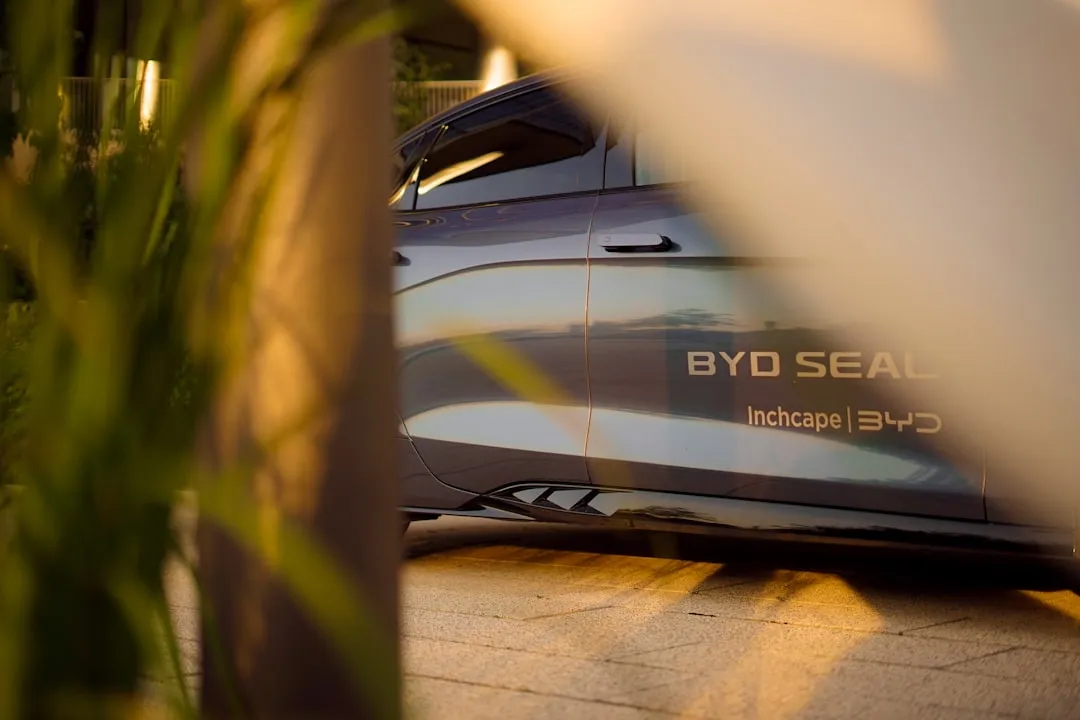

Have you noticed it yet? That little wave and flash of the lights when you pass another BYD on the highway? Whether you’re piloting a Dolphin Surf, cruising in a Sealion 6, putting the Shark 6 through its paces in the dunes, or gliding silently in an Atto 3 or Seal, the “BYD Wave” is officially a thing in South Africa.
BYD only began formally reporting South African sales to NAAMSA in early 2025, and by the time the first full-year figures were tallied the Dolphin had become one of SA’s best-selling battery-electric vehicles. Including non-reporting historical volume (BYD, Geely and Dongfeng were not submitting to NAAMSA in 2024), the active BYD parc in South Africa sits in the low-to-mid single digits of thousands—not the 35,000-figure that has circulated online. With that said, the community is growing fast. From “stale petrol” concerns in PHEVs to the mystery of the 12V battery that can leave you stranded despite having 100% charge, we’ve compiled the ultimate survival guide to help you get the most out of your BYD and avoid costly mistakes.
This isn’t just another owner’s manual regurgitation. These are real-world pro-tips from the trenches of daily BYD ownership in South Africa—the stuff your dealer might not tell you, but every BYD owner should know.
Quick Navigation
- The Sealion 6 “Stale Fuel” Paradox
- The “Dead Car” Syndrome (12V Battery Secret)
- Home Charging Optimization (Save R2,000+/Month)
- The Dolphin Surf “Spare Wheel” Anxiety
- DIY “Pet Mode” & Climate Control Hacks
- Charging in the Wild: Road Trip Survival
- Using Your BYD During Loadshedding
- Maintenance Schedule (The Non-Obvious Stuff)
- Warranty Gotchas That Could Cost You
- Join the BYD SA Community
1. The Sealion 6 “Stale Fuel” Paradox (PHEV Owners Must Read)
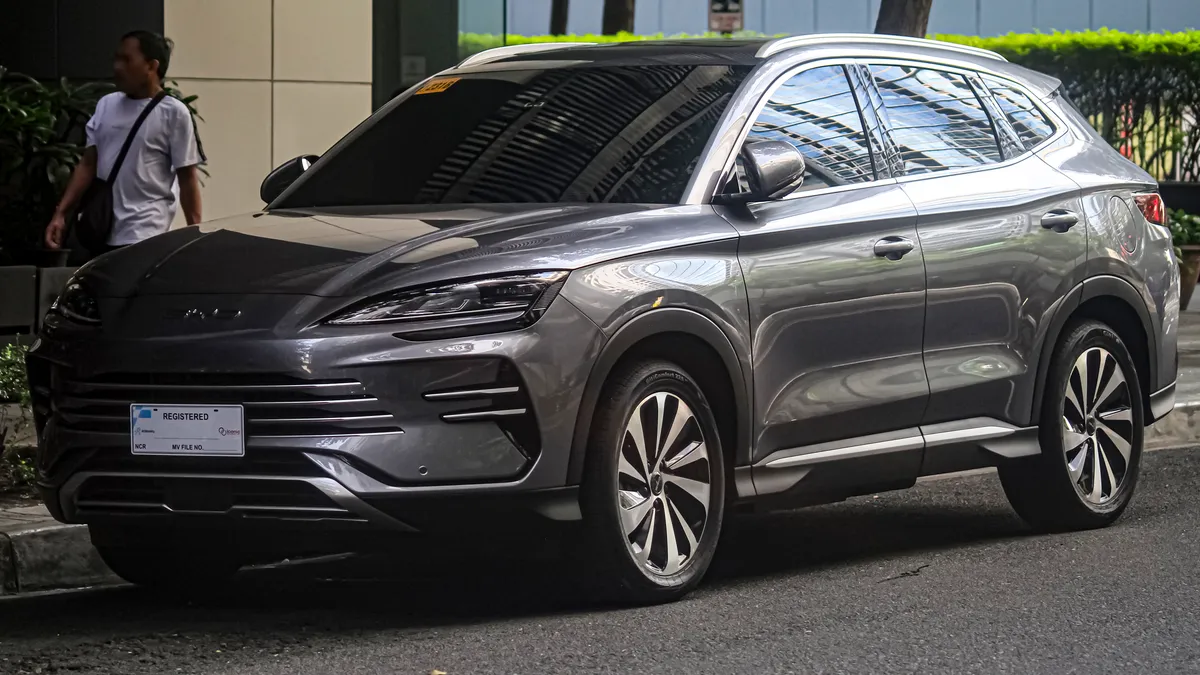
If you have a Sealion 6 PHEV or Shark 6 PHEV, congratulations—you’ve probably discovered the joy of never visiting a petrol station. With 100km+ of pure electric range, many owners are going 3-6 months between fill-ups.
The Problem: Petrol degrades over time. Modern fuel contains ethanol (E10 in SA), which absorbs moisture and breaks down after 3-4 months. According to Shell’s fuel quality guidelines, stale petrol can cause:
- Gummed-up fuel injectors (R8,000-R15,000 repair)
- Rough engine starts and misfires
- Reduced fuel efficiency when you DO need petrol
- Potential warranty voidance if deemed “neglect”
The Fix: The 20km Weekly Burn
Even if you’re running on pure EV bliss, force yourself to use HEV mode at least once a week for a 20-30km highway run. Here’s why:
- Fuel Circulation: Prevents petrol from sitting stagnant in the tank
- Engine Lubrication: Keeps internal combustion engine (ICE) components lubricated
- Exhaust System: Burns off moisture that accumulates in cold starts
- Fuel System: Exercises fuel pumps and injectors
Pro Tip: If you know you won’t use petrol for 2+ months (like if you have solar and home charging), only fill up 1/4 tank. Smaller volume = less fuel to go stale. Top up as needed.
SOC Management Tip
Planning to “kill the battery” to test fuel-only performance? Be prepared: The engine will rev significantly higher (and louder) than normal because it’s doing double duty:
- Moving the car
- Charging the battery simultaneously
Don’t panic—this is completely normal. The ICE is working harder because it’s generating electricity while propelling you forward. Once the battery reaches 30-40% SOC, the revs will drop back to normal cruising levels.
2. The “Dead Car” Syndrome (The 12V Secret Nobody Tells You)
This is the #1 “worst-case scenario” reported by BYD owners across all models (Dolphin, Atto 3, Seal, Shark, Sealion). The symptoms:
- You have 95% charge on your main battery
- The car is completely dead—no screens, no sounds, nothing
- You can’t even unlock the doors with the key fob
- Panic sets in: “Did my BYD just brick itself?!”
Note: The Dolphin Standard Range lists from R539,900 and the Surf from R341,900; only top-spec Seal and Sealion models approach R800,000. Regardless of price, the 12V issue affects all BYDs equally.
The Culprit: Your 12V Lead-Acid Battery
Here’s what most new EV owners don’t realise: Your BYD (like almost all EVs) relies on a standard 12V lead-acid battery to power the computers, screens, and electronics. The big 60-100kWh Blade battery? It doesn’t do anything until the 12V battery “wakes up” the car’s computer.
Think of it like this:
- 12V battery = Your phone’s power button
- Blade battery = Your phone’s main battery
If the power button doesn’t work, your phone won’t turn on—even if it’s fully charged. Same principle.
Why the 12V Dies (Even in New Cars)
- Phantom Drain: Connectivity systems (4G modem, GPS, alarms) slowly drain 12V even when parked
- Short Trips: Only doing 5-10km trips? The 12V doesn’t have time to fully recharge
- Long-Term Parking: Leaving your BYD parked for 2+ weeks without driving
- Cold Weather: Johannesburg winters can reduce lead-acid battery capacity by 30%
- Defective Battery: Some early 2024/2025 models had weak 12V batteries from factory
The Fix: R400 Could Save Your Day
Essential BYD Owner Item: Keep a small portable lithium jump-starter in your glovebox or boot. You don’t need a Hilux to jump you—just enough juice to wake up the 12V.
Recommended specs:
- Capacity: 10,000mAh minimum
- Peak Amps: 400A+ (for safety margin)
- Cost: R350-R600 at Takealot, AutoZone, or Amazon
- Brands: NOCO Boost, GOOLOO, Audew
Warning: If your 12V battery dies more than twice, replace it immediately. Lead-acid batteries lose capacity with each deep discharge. Cost: R1,200-R1,800 at BYD dealer or R800-R1,200 aftermarket (Willard/Varta equivalents work fine).
Prevention: The 30-Day Rule
If you’re parking your BYD for more than 2 weeks:
- Disconnect the 12V negative terminal (stops phantom drain)
- OR use a smart trickle charger (connects to 12V battery, keeps it topped up)
- OR have someone start and run the car for 15 minutes weekly
3. Home Charging Optimization: Save R2,000+ Per Month
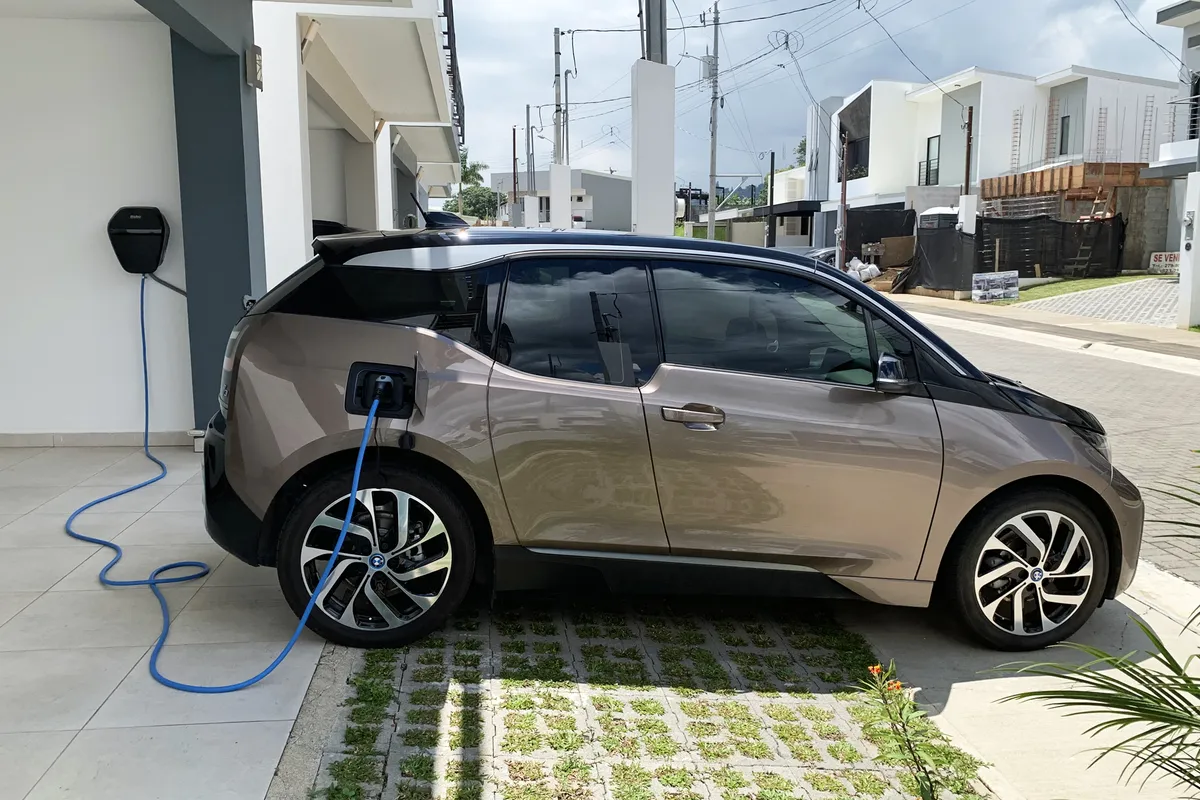
Here’s the reality: 80-90% of your charging will happen at home. Getting this right could save you R20,000-R30,000 per year. Getting it wrong? You’ll wonder why your electricity bill is higher than your old petrol costs.
The Three Charging Speeds (And When to Use Each)
| Method | Power | 0-100% Time | Cost | Best For |
|---|---|---|---|---|
| Wall Socket (Granny) | 2.3kW | 24-30 hours | R0 (included) | Emergencies only |
| ChargePointSA CP-AC7-CP | 7kW | 8-10 hours | R7 400 | Overnight charging |
| ChargePointSA CP-AC22-CP | 11-22kW | 3-5 hours | R13 900 | High-mileage drivers |
Which Charger Do You ACTUALLY Need?
7kW is the sweet spot for 90% of BYD owners. Here’s why:
- Charges any BYD from 20-100% overnight (8 hours)
- Works on single-phase power (no 3-phase upgrade needed)
- Half the cost of 22kW installation
- Lower electrical CoC certificate fees
- Sufficient for average 50-80km daily driving
You need 22kW if:
- You drive 150km+ daily
- You have multiple EVs in the household
- You’re using your BYD for Uber/Bolt (need quick turnaround)
- You already have 3-phase power
Get a Home Charger Quote
ChargePoint SA installs certified 7kW and 22kW chargers with:
- Professional electrician installation
- Certificate of Compliance (CoC)
- 2-year warranty on equipment
- Load-shedding compatible options
- Solar integration available
Time-of-Use (TOU) Tariffs: The Smart Move
If you’re on a flat residential tariff, you’re probably overpaying for overnight charging. Eskom restructured Homeflex (its household time-of-use tariff) in April 2025 and applied a further 8.76% direct-customer increase from April 2026. According to Eskom’s published tariff schedules, exact rates depend on your supply class, season and municipality, but the pattern below is representative—always check your latest bill or the Eskom 2025/26 tariff booklet for the figures that apply to you:
| Time Period | Standard Rate | TOU Rate | Savings |
|---|---|---|---|
| Off-Peak (overnight, incl. weekends) | ~R2.40-R3.20/kWh | ~R1.50-R2.35/kWh (Homeflex) | ~30-40% cheaper |
| Standard (mid-morning/afternoon) | ~R2.40-R3.20/kWh | ~R2.20-R3.00/kWh (Homeflex) | ~10-15% cheaper |
| Peak (morning 2h + evening 3h) | ~R2.40-R3.20/kWh | ~R5.50-R8.50/kWh (Homeflex, High-Demand) | 2-3x MORE expensive |
Real-World Example: BYD Atto 3 Extended Range (60.48 kWh usable)
- Flat tariff: 60 kWh × ~R2.80 = ~R168 per full charge
- Homeflex low-demand off-peak: 60 kWh × ~R1.80 = ~R108 per full charge
- Monthly savings shifting 8 overnight charges to off-peak: ~R480-R700 per month (R5,700-R8,400 per year), depending on your supply class and season
Pro Tip: Set your BYD’s charging timer to START at 22:00 (when off-peak begins). Your car will automatically delay charging even if plugged in earlier. This prevents accidentally charging during peak hours.
Solar + EV = Energy Independence
With electricity tariffs rising materially every year (Eskom direct-customer tariffs rose 12.74% in April 2025 and a further 8.76% in April 2026), solar + EV is an increasingly attractive combo:
- Generate your own “fuel” at a levelised ~R1.00-R1.50/kWh over the life of a residential solar array (vs ~R2.80/kWh Eskom flat residential)
- Charge during the day from solar (no grid dependency)
- ROI in 6.5-16 years depending on system size, usage and tariff structure (vs 8-10 years for solar-only)
- Loadshedding-proof with battery backup
Typical Setup for BYD Owners:
- 6kW solar array (15-20 panels) = R120,000-R180,000
- 5kWh battery storage (optional) = R80,000-R120,000
- 7kW EV charger integrated = R12,000
- Total: R210,000-R310,000 installed
Monthly Savings:
- Charging: R800-R1,200
- Home electricity: R800-R1,500
- Total: R1,600-R2,700/month = R19,200-R32,400/year
Note: The R210K-R310K install cost divided by R19K-R32K annual savings yields a 6.5-16 year payback period, not 4-6 years. Actual ROI depends heavily on your tariff structure, daily consumption profile, and whether you include battery storage. Systems without batteries and on favourable TOU tariffs can achieve faster payback; fully off-grid setups take longer.
Explore Solar + EV Solutions
ChargePoint SA can help you design a complete solar + EV charging system tailored to your usage.
4. The Dolphin Surf “Spare Wheel” Anxiety
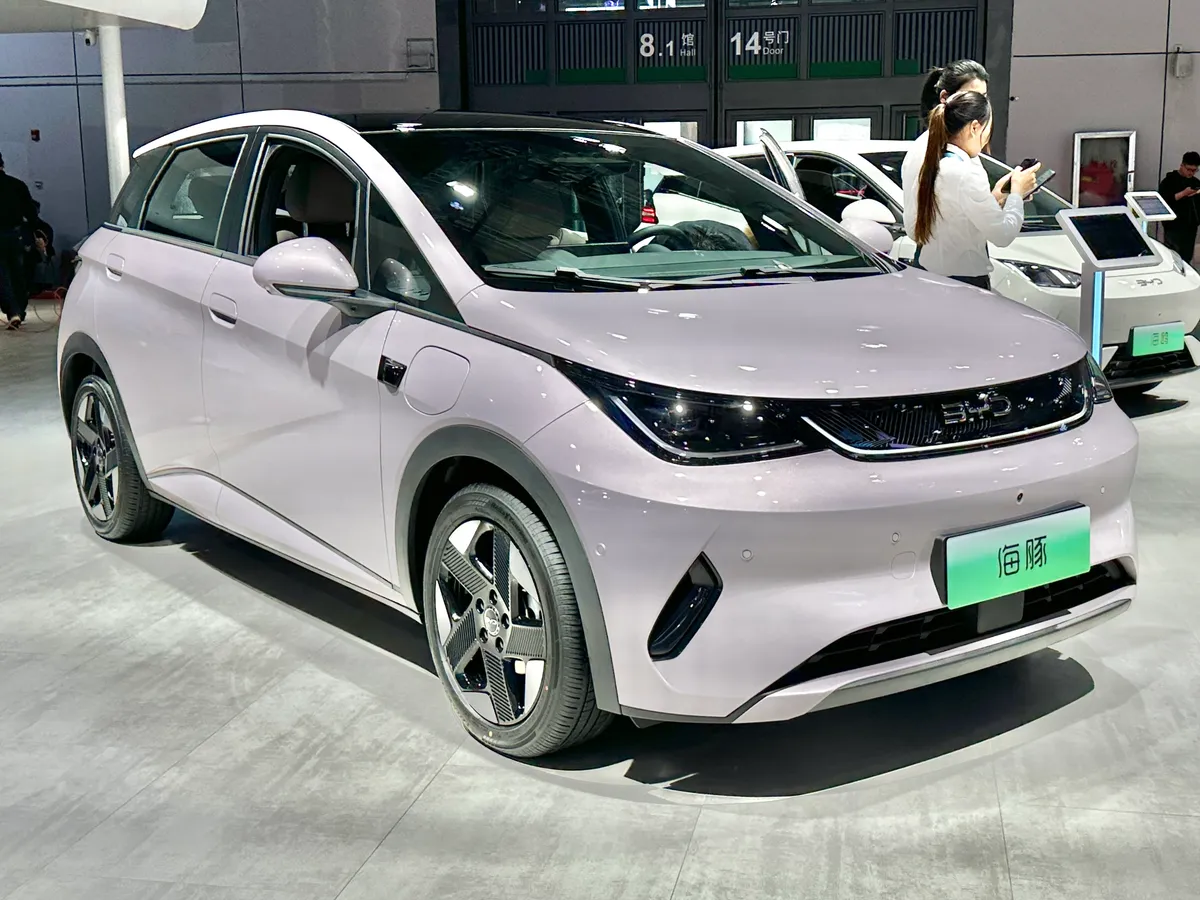
The BYD Dolphin is a city hero—nimble, efficient, and attractively priced. The regular Dolphin Standard Range lists from R539,900 (Extended Range from R602,900), while the smaller Dolphin Surf now opens the range at R341,900-R393,900 depending on trim. But there’s one thing that makes South African drivers nervous across both variants: no full-size spare wheel.
Instead, you get a tyre repair kit (foam sealant + compressor). This works great for:
- Small punctures (nail, screw)
- Slow leaks
- Cuts under 6mm
It does NOT work for:
- Sidewall damage
- Large tears or blowouts
- Damaged wheel rims
The Community Solution: Space-Saver Hack
BYD Dolphin owners in SA have discovered that a Suzuki Swift space-saver wheel fits (with minor modification):
What You Need:
- Suzuki Swift space-saver wheel—R800-R1,500 (used market) or R2,500 new
- 4mm spacer (or high-quality washers)—R150-R300 at bearing/engineering suppliers
- Wheel bolts—Use Dolphin originals, spacer accounts for extra 4mm
Why the Spacer? The Dolphin’s brake calipers are slightly larger. The 4mm spacer pushes the wheel out just enough to clear the caliper without rubbing.
Important: This is a get-you-home solution, not for sustained driving. Speed limit: 80km/h max. Get to a tyre shop ASAP. This mod is done at your own risk and may affect insurance/warranty claims.
Better Options for Long Road Trips
- Tyre Warranty: Companies like Tyre Warehouse offer “replacement insurance” (R150-R300/year per tyre)—includes roadside fitment
- AA/MasterDrive Membership: Includes towing to nearest tyre shop (R150-R300/month)
- BYD Roadside Assist: Included free for first 3 years with new vehicles
5. DIY “Pet Mode” & Climate Control Hacks
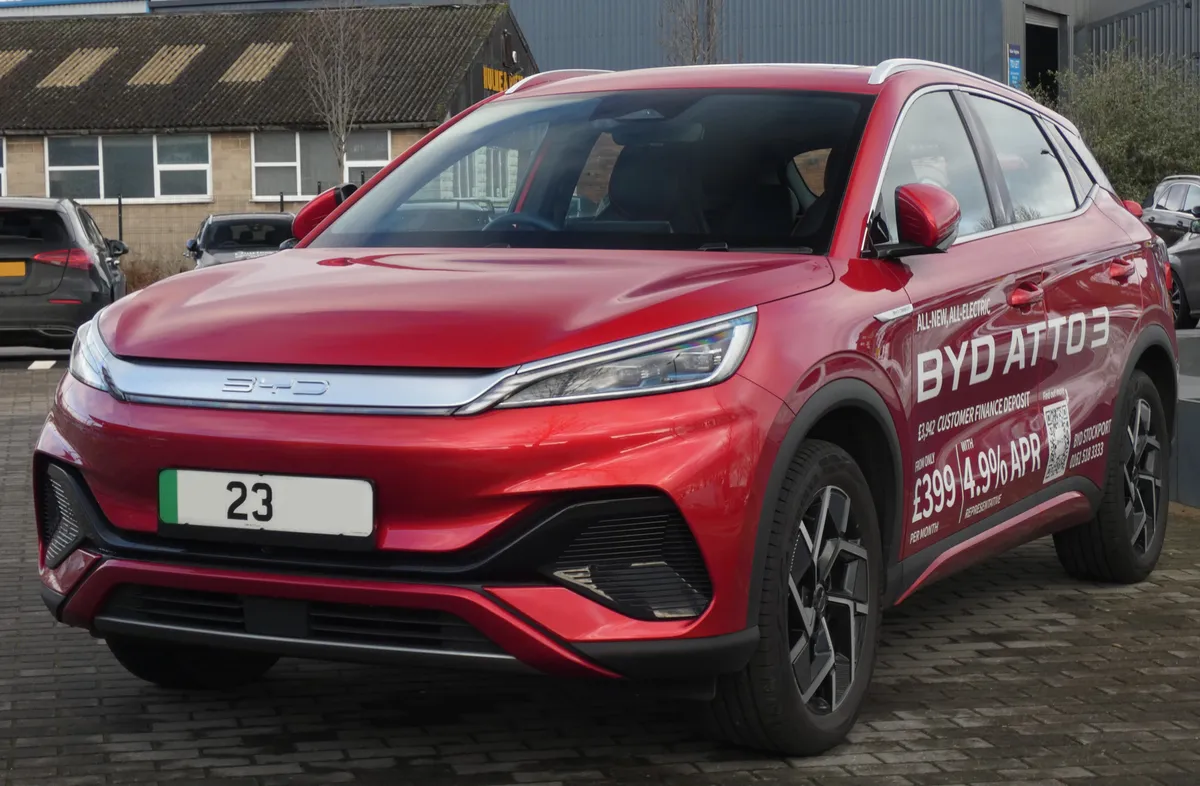
Tesla’s “Pet Mode” is legendary—leave your dog in the car with climate control running and a giant screen message saying “DON’T WORRY, I’M FINE.” BYD doesn’t have this feature… yet. But we have workarounds.
Option A: The BYD App Method
Works on: All BYD models (Dolphin, Atto 3, Seal, Sealion 6, Shark 6)
How It Works:
- Park and lock your car normally
- Open the BYD app on your phone
- Tap “Climate Control”
- Set temperature (recommend 20-22°C for pets)
- Tap “Start”
Limitations:
- 10-minute timer—after 10 mins, it shuts off automatically
- You must manually restart it every 10 minutes
- Requires cellular connection (4G/LTE)
- Uses about 1-2% battery per 10-minute cycle
Option B: The Remote Key Hack
Works on: Atto 3, Seal, Dolphin (2024+ models)
How It Works:
- Lock the car with all windows closed
- Stand within 5 metres of the vehicle
- Press and HOLD the bottom button on your BYD remote key for 5 seconds
- The climate system should activate (you’ll hear/see fans running)
Note: This doesn’t work on all models consistently. Some 2024 Atto 3 owners report it works, others say it doesn’t. Worth trying.
Option C: Leave It Running (Safest Method)
For BEVs (Dolphin, Atto 3, Seal), you can actually leave the “car on” with climate running:
- Put car in PARK
- Set climate to desired temp
- Exit with key in your pocket
- Lock the door with the remote button
The car will stay “on” with climate running even though it’s locked and you’ve walked away with the key. Battery consumption: ~1kW per hour (so a 60kWh Atto 3 could run climate for 40+ hours).
For PHEVs (Sealion 6, Shark 6): Same process, but if battery drops below 25%, the engine will automatically start to charge and keep climate running (yes, even while parked and locked).
Critical Safety Tip: Always leave a visible sign in your window: “CAR IS ON – PET IS SAFE – AIRCON RUNNING – OWNER NEARBY” with your phone number. This prevents well-meaning passersby from smashing your window or calling authorities. Print it on A4, laminate it, keep it in your glovebox.
6. Charging in the Wild: Road Trip Survival Guide
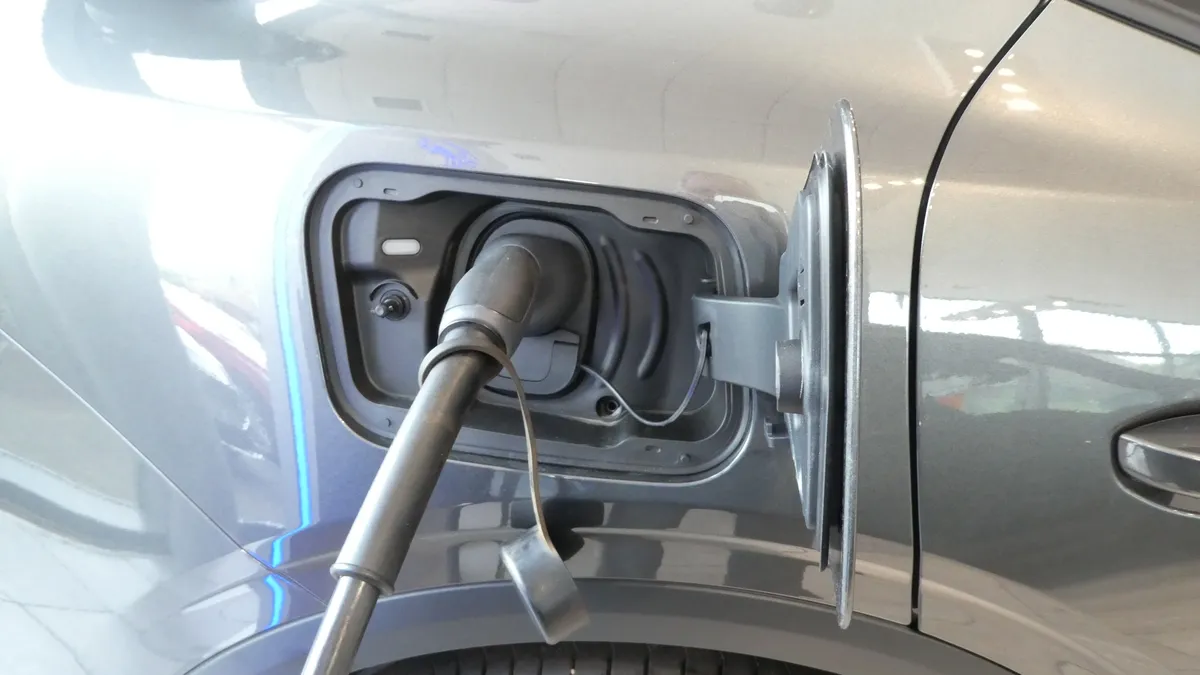
Taking your BYD from Johannesburg to Cape Town? Durban to Port Elizabeth? Pretoria to Kruger? “Charge Anxiety” is real, but totally manageable with proper planning.
The App Trinity (Download ALL Three)
South Africa’s charging networks are fragmented. To survive a road trip, you need:
- GridCars App (or ChargePocket)
- Largest network: ~350-450 charging points nationwide, roughly 85% of which offer DC fast charging
- AC (7-22kW) and DC fast charging (60-180kW)
- Pay-per-use billing via the GridCars app (rates typically ~R5.50-R6/kWh AC; see app for live pricing and subscription options)
- Major routes: N1, N2, N3, N4 covered
- Rubicon Charge App
- Retail focus: Woolworths, Checkers, shopping malls
- Mostly AC (7-22kW), some DC fast (60kW)
- Free at some locations, pay-per-use at others
- Best for city top-ups while shopping
- Zero Carbon Charge App
- Hotel/lodge network: Safari lodges, coastal resorts
- AC (7-22kW) charging
- Usually free for guests, pay-per-use for non-guests
- Great for holiday destinations
Find Charging Stations Near You
ChargePoint SA maintains an up-to-date map of ~445 charging sites (1,200+ connectors) across South Africa with real-time availability.
The Golden Rule: Charge to 80%, Not 100%
On DC fast chargers:
- 0-80% charge: 25-40 minutes (full speed)
- 80-100% charge: 40-60 minutes MORE (trickle speed)
Why? To protect battery longevity, BYDs (and all EVs) slow down charging dramatically after 80%. You’ll spend 45 minutes to gain the last 20%.
Smarter Strategy:
- Plan stops at 80% intervals
- Charge to 80%, grab coffee, hit the road
- Only charge to 100% if you absolutely need every km for the next leg
Real-World Road Trip Example: Joburg to Cape Town
Vehicle: BYD Atto 3 (420km WLTP range)
Real-world highway range: 350km @ 120km/h
Total distance: 1,400km
Charging Stops:
- Bloemfontein (450km)—GridCars DC fast charger @ Engen (40 min, 20-80%)
- Colesberg (370km)—GridCars DC @ Shell (35 min, 25-80%)
- Beaufort West (330km)—GridCars DC @ Total (40 min, 20-85%)
- Worcester (340km)—GridCars DC @ Engen (30 min, 30-80%)
- Cape Town (110km)—Arrive with 40% charge
Total charging time: 2 hours 25 minutes
Total driving time: 14 hours (incl. breaks)
Total cost: R350-R450 (vs R2,500+ petrol for equivalent car)
The “NFC” Mystery Solved
See that NFC logo on your driver’s side mirror? That’s not for charging—it’s for phone-as-key functionality!
How to Set Up:
- Open BYD app
- Go to “Digital Key”
- Follow prompts to pair your phone (iPhone users need iOS 15+, Android needs NFC)
- Once activated: Tap your phone against the mirror to unlock/lock
Why It’s Awesome:
- Perfect for runs/gym—no bulky keys in pockets
- Beach trips—leave key at home (saltwater + electronics = bad)
- Cycling—one less thing to carry
Backup: If phone dies, you’ll need the physical key. Always keep one in your gym bag or with your partner.
7. Using Your BYD During Loadshedding
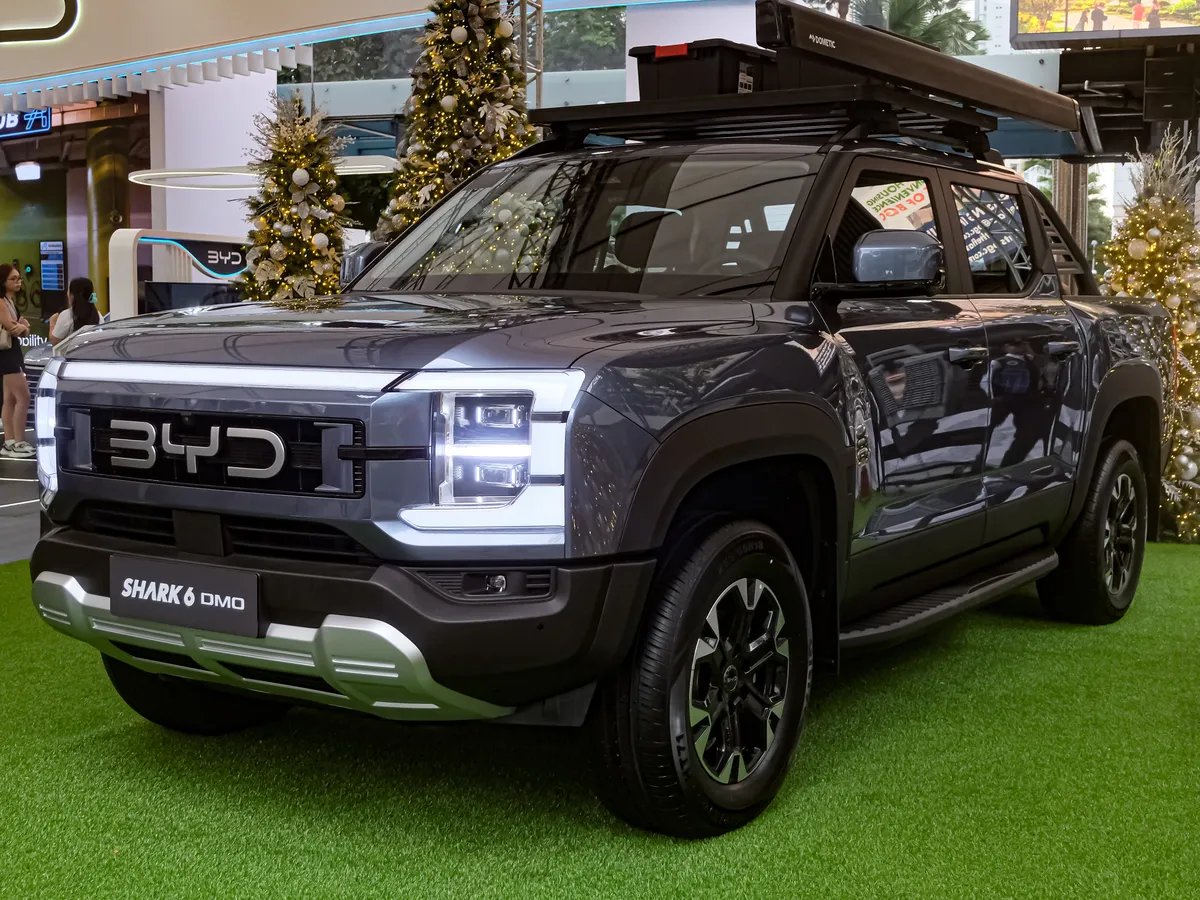
Loadshedding has become less frequent in 2025/2026, but it’s still a reality. The good news? Your BYD can power your home.
V2L (Vehicle-to-Load) Technology
Available on: BYD Atto 3, Seal, Dolphin, Sealion 6 and Shark 6. The three BEVs (Atto 3, Seal, Dolphin) output up to ~3.3 kW via the bundled V2L adaptor. The Shark 6 PHEV bakkie offers a more capable V2L setup rated up to around 6.6 kW (a 3.6 kW 220V outlet in the cargo bed plus additional ports), which is why BYD markets it explicitly as a jobsite/loadshedding power source.
What It Does: Turns your car into a mobile 3,300W power station. That’s enough to run:
- WiFi router (50W)—60+ hours
- Laptop (65W)—40+ hours
- Fridge/freezer (150W)—12+ hours
- TV (100W) + decoder (30W)—20+ hours
- Lights (LED, 50W total)—50+ hours
- Coffee maker (1500W)—2 hours
- Microwave (1000W)—3 hours
How to Use V2L
- Locate the V2L adapter (came with your car, looks like a Type 2 plug with a regular wall socket on the other end)
- Plug V2L adapter into your car’s charging port
- The adapter now has a standard 3-pin socket—plug in appliances directly OR connect an extension cord
- Car must be in “ON” mode (don’t need to be in Drive, just press START button)
- Enable V2L in the car’s settings menu
Pro Tip: For PHEVs (Shark 6, Sealion 6), once battery drops to 25%, the petrol engine kicks in automatically to recharge the battery while continuing to provide 3.3kW output. This means you can run appliances indefinitely as long as you have petrol!
Real-World Loadshedding Scenario
Stage 4, 4-hour block, working from home:
- WiFi router: 50W
- Laptop: 65W
- LED desk lamp: 10W
- Fridge: 150W (compressor cycles on/off)
- Phone chargers (x2): 20W
- Total: ~300W average
BYD Atto 3 (60kWh battery at 80% charge):
- 48kWh usable
- 300W load = 0.3kW
- Runtime: 48 ÷ 0.3 = 160 hours (6.6 days of continuous power)
Cost to “refill” after 4-hour loadshedding block:
- Energy used: 0.3kW × 4 hours = 1.2kWh
- Cost @ R2.15/kWh: R2.58
- vs Petrol generator for 4 hours: R150-R200 (fuel + maintenance)
8. Maintenance Schedule (The Non-Obvious Stuff)
One of the best things about EVs? Dramatically less maintenance. No oil changes, no spark plugs, no timing belts, no exhaust systems. But there ARE things you need to do.
Official BYD Service Schedule
| Service | Interval | Cost (Approx) | What They Do |
|---|---|---|---|
| Standard Service | Every 12 months / 15,000km | R2,500-R3,500 | Brake fluid, cabin filter, safety checks |
| Brake Fluid Replace | Every 2 years | R1,200-R1,800 | Critical for regen braking systems |
| Coolant Replace | Every 4 years / 60,000km | R2,500-R4,000 | Battery cooling system |
| Tyre Rotation | Every 10,000km | R400-R800 | EVs wear front tyres faster (regen) |
| 12V Battery | Every 3-4 years | R1,200-R1,800 | Preventative replacement |
The Stuff Nobody Tells You (But You Should Do)
1. Wash Your Undercarriage Monthly
Why? BYD Blade batteries are mounted low. Road salt, dirt, and debris can accumulate around the battery housing seals. While the battery is IP67 rated (waterproof), long-term buildup can cause issues.
How: Use a pressure washer or visit a car wash with undercarriage spray (R50-R80). Avoid high-pressure directly on battery housing—gentle rinse is fine.
2. Check Tyre Pressure Weekly
EVs are 15-20% heavier than petrol equivalents (battery weight). Under-inflated tyres cause:
- Reduced range (up to 15% loss)
- Faster tyre wear
- Increased rolling resistance = more energy use
Correct Pressure (cold tyres):
- BYD Dolphin: 36 PSI front, 36 PSI rear
- BYD Atto 3: 38 PSI front, 38 PSI rear
- BYD Seal: 40 PSI front, 38 PSI rear
- BYD Shark 6: 38 PSI front, 38 PSI rear
- BYD Sealion 6: 38 PSI front, 38 PSI rear
3. Brake System Calibration (For Regen Users)
If you primarily use regenerative braking (and you should—it’s free energy!), your physical brake pads barely get used. This can cause:
- Surface rust on brake discs (cosmetic, but feels rough)
- Reduced braking performance in emergencies
The Fix: Once a week, find an empty road and do 5-10 hard stops from 60km/h down to 20km/h using the brake pedal (not regen). This cleans the discs and keeps pads seated properly.
PHEV-Specific Maintenance (Shark 6, Sealion 6)
If you have a PHEV, you have TWO powertrains to maintain:
- Engine oil change: Every 10,000km or 12 months (even if rarely used)
- Spark plugs: Every 60,000km
- Engine air filter: Every 20,000km
- Fuel system cleaning: Every 40,000km (or if stale fuel suspected)
Cost: PHEV services are R1,000-R2,000 more expensive than BEV services due to ICE maintenance.
9. Warranty Gotchas That Could Cost You Thousands
BYD offers impressive warranties in SA:
- Vehicle Warranty: 6 years / 150,000km
- Battery Warranty: 8 years / 200,000km (or 70% capacity retention)
- Drive Unit Warranty: 5 years / 100,000 km (per BYD SA dealer documentation—this is shorter than the battery cover, so plan long-term ownership around the 8-year battery warranty rather than the drive unit)
But there are sneaky ways to void your warranty:
What WILL Void Your Warranty
- Skipping Official Services
You MUST service at a BYD-authorised dealer for the first 3 years. After that, you can use independent shops, but keep ALL receipts. - Using Non-Compliant Chargers
If you install a home charger without a Certificate of Compliance (CoC) and something goes wrong, warranty claim = denied. Always use certified electricians. - Deep Water Crossings
BYD Blade batteries are IP67 rated (up to 1m water depth for 30 minutes). But if you drive through flood water and something fails, they’ll check depth. If it exceeded 1m, claim denied. - Modifications
Aftermarket spoilers, lowering kits, performance chips—all void warranty. Even aftermarket tints can void warranty if they interfere with sensors. - Using Car as a Commercial Vehicle (Without Declaring)
Using your Dolphin for Uber without telling BYD? If they find out during a claim (high mileage, logbook evidence), warranty void.
Battery Warranty: The 70% Rule
BYD guarantees your battery will retain at least 70% capacity after 8 years / 200,000km. But there’s a catch:
- “Normal use” means: 80% charging limit for daily use, 20-80% cycling
- If you charge to 100% daily: BYD can argue “abnormal use” and deny claims
- If you regularly deep-discharge to 0%: Same issue
The Safe Zone:
- Daily charging limit: 80%
- Only charge to 100% before long trips (once/twice per month is fine)
- Try not to go below 20% regularly
- Avoid leaving car at 0% or 100% in extreme temps (below 0°C or above 45°C)
The Service Book is SACRED
That little book that came with your BYD? Keep it safe. Better yet:
- Scan/photograph every page after every service
- Store digital copies in cloud (Google Drive, Dropbox)
- Keep physical book in a safe place (NOT in the car—fire/theft)
If you lose your service book, rebuilding service history costs R2,000-R5,000 and BYD may not have complete records for older vehicles.
10. Join the BYD SA Community
With a growing BYD community in South Africa—boosted further by BYD formally joining NAAMSA reporting in early 2025—there’s an active owner community sharing tips, organising meetups, and helping each other troubleshoot issues.
Where to Connect
- Facebook Groups:
- “BYD Owners South Africa” (12,000+ members)
- “BYD Atto 3 Owners SA” (4,500+ members)
- “BYD Shark 6 Owners SA” (3,200+ members)
- WhatsApp Groups: Ask in Facebook groups for regional WhatsApp invites
- Forums: MyBroadband EV subforum has active BYD discussions
- Reddit: r/ElectricVehicles_SA
What You’ll Learn in the Community
- DIY fixes and hacks
- Best insurance providers for EVs
- Real-time charging station updates (“Bloemfontein GridCars is down, use Colesberg instead”)
- Used BYD market prices and negotiation tips
- Loadshedding strategies and V2L setups
- Solar installer recommendations
- Road trip reports with charging stops and costs
The BYD Wave Explained
You’ve probably noticed it—when you pass another BYD on the highway, there’s often:
- A wave (or nod)
- A quick flash of the lights
- A knowing smile
Why? Because we’re early adopters. We chose electric when it wasn’t mainstream. We deal with charge anxiety, explain our cars to curious strangers, and navigate a fragmented charging network. There’s a camaraderie in that.
So next time you see a fellow BYD? Give them the wave. You’re part of the club now.
Final Thoughts: The BYD Ownership Journey
Owning a BYD in South Africa in 2026 is exciting, practical, and financially smart. You’re saving thousands per month on fuel, contributing to cleaner air, and experiencing the future of transportation.
Yes, there are quirks (stale fuel, 12V batteries, charging network fragmentation). But armed with this guide, you’re prepared for all the “worst-case scenarios” and positioned to maximise the benefits.
Key Takeaways
- PHEV owners: Burn fuel every week to prevent stale petrol damage
- All owners: Keep a portable jump-starter for 12V emergencies
- Charge smart: Install a 7kW home charger, use TOU tariffs, save R2,000+/month
- Road trips: Download GridCars, Rubicon, and Zero Carbon Charge apps
- Loadshedding: Use V2L to power your home (~3.3 kW on BEVs; ~6.6 kW on the Shark 6 PHEV)
- Maintenance: Follow service schedule religiously, check tyre pressure weekly
- Warranty: Keep service book safe, stay within 20-80% charging daily
- Community: Join Facebook groups, share tips, give the BYD Wave!
Need Help Getting the Most Out of Your BYD?
ChargePoint SA is your partner in EV ownership success. We offer:
- Home Charger Installation: Certified 7kW/22kW wallbox installation with CoC in Cape Town, Johannesburg, Durban, and Pretoria (Get a Quote)
- Solar + EV Solutions: Complete solar array + battery + EV charger packages for energy independence (Calculate Savings)
- Nationwide Charging Map: Live data on roughly 445 sites, 650 chargers and 1,200+ connectors operated by GridCars, Rubicon, CHARGE and the OEM networks (View Map)
- EV Recommendation Engine: Not sure which BYD (or other EV) is right for you? Our tool matches your needs to the perfect vehicle (Find Your Perfect EV)
Welcome to the BYD family. Now get out there and give someone the wave!
About ChargePoint SA: We’re South Africa’s leading EV charging infrastructure and education platform. From home charger installations to comprehensive guides, we’re here to make your EV ownership journey smooth, cost-effective, and enjoyable. Have questions? Get in touch.