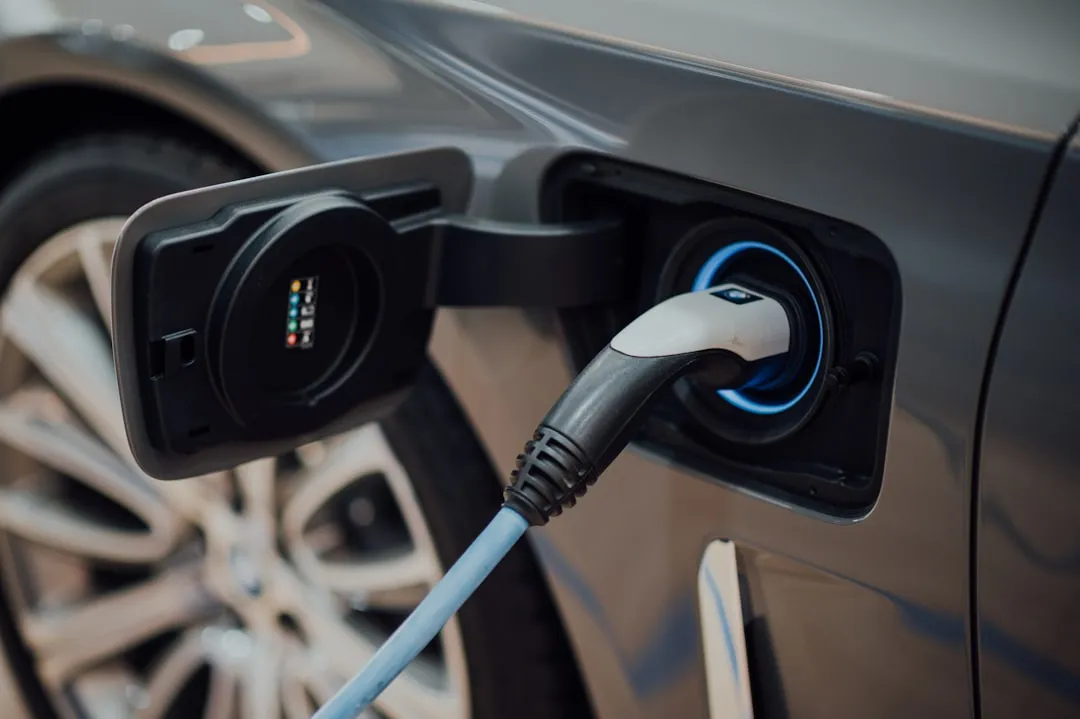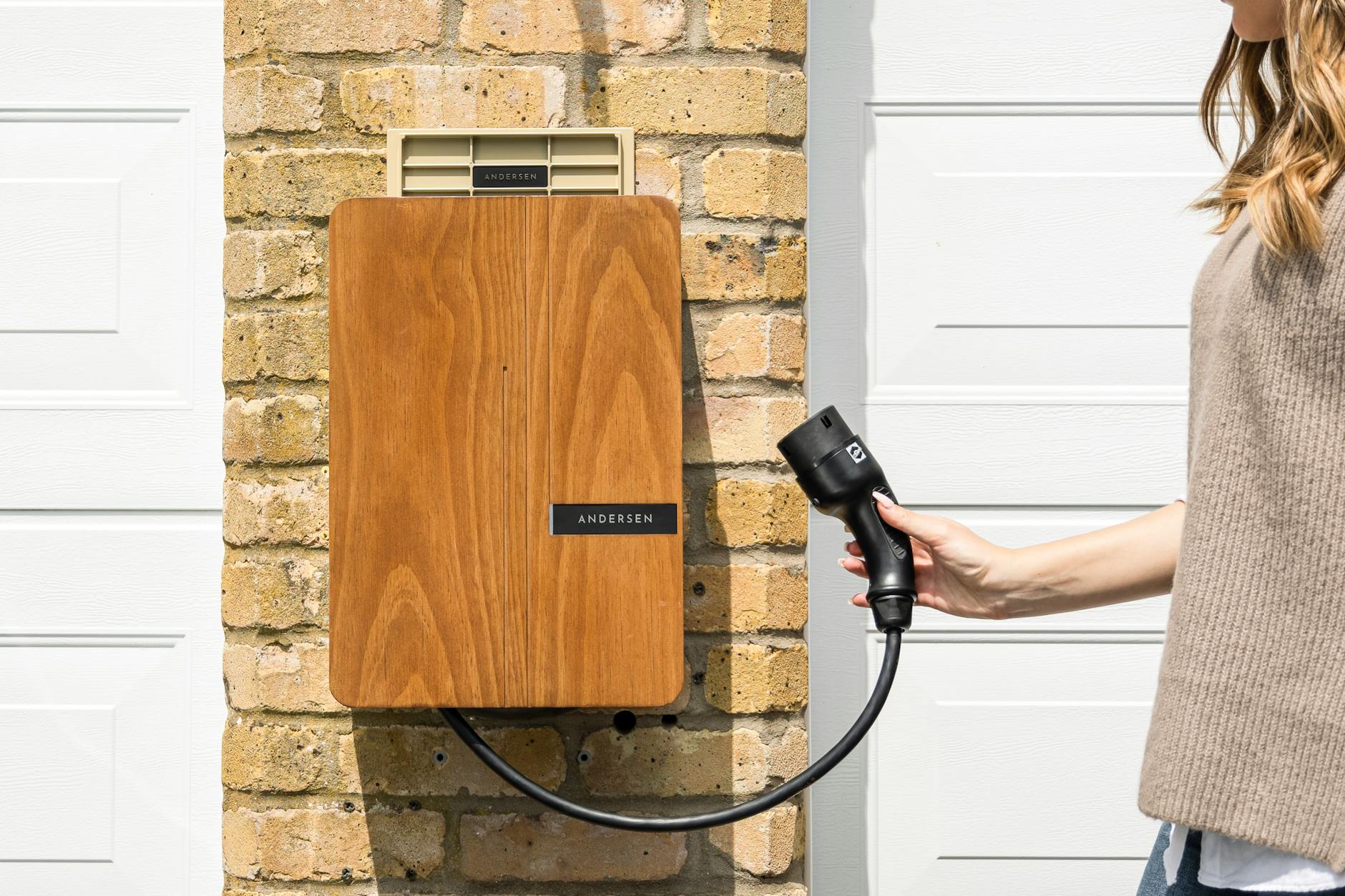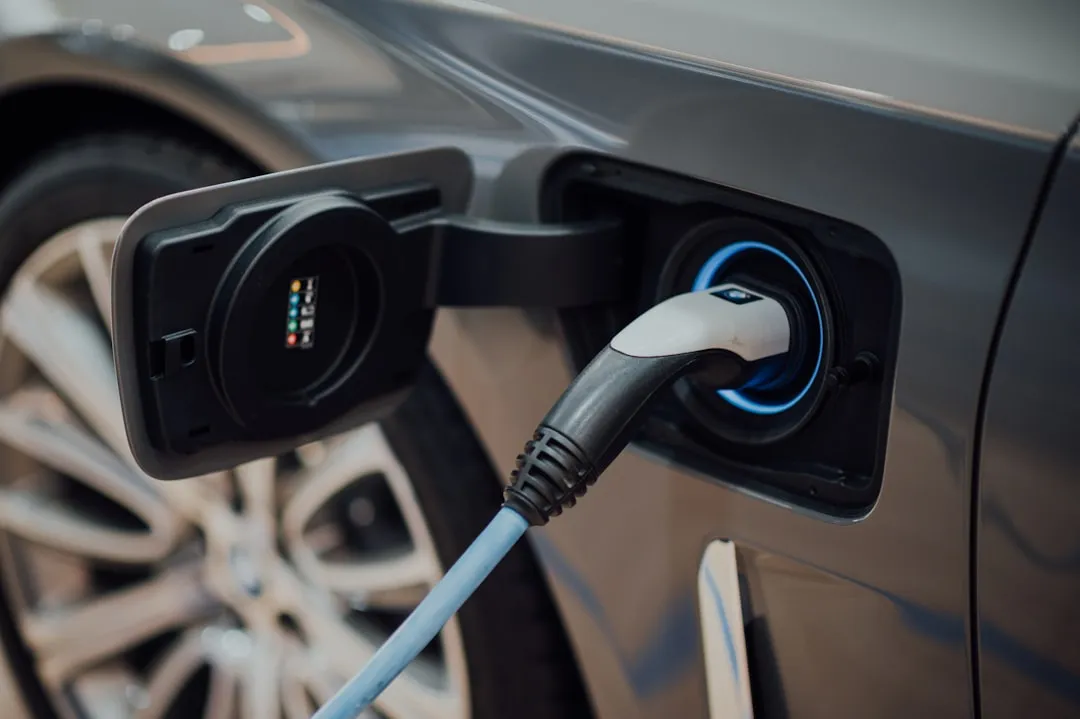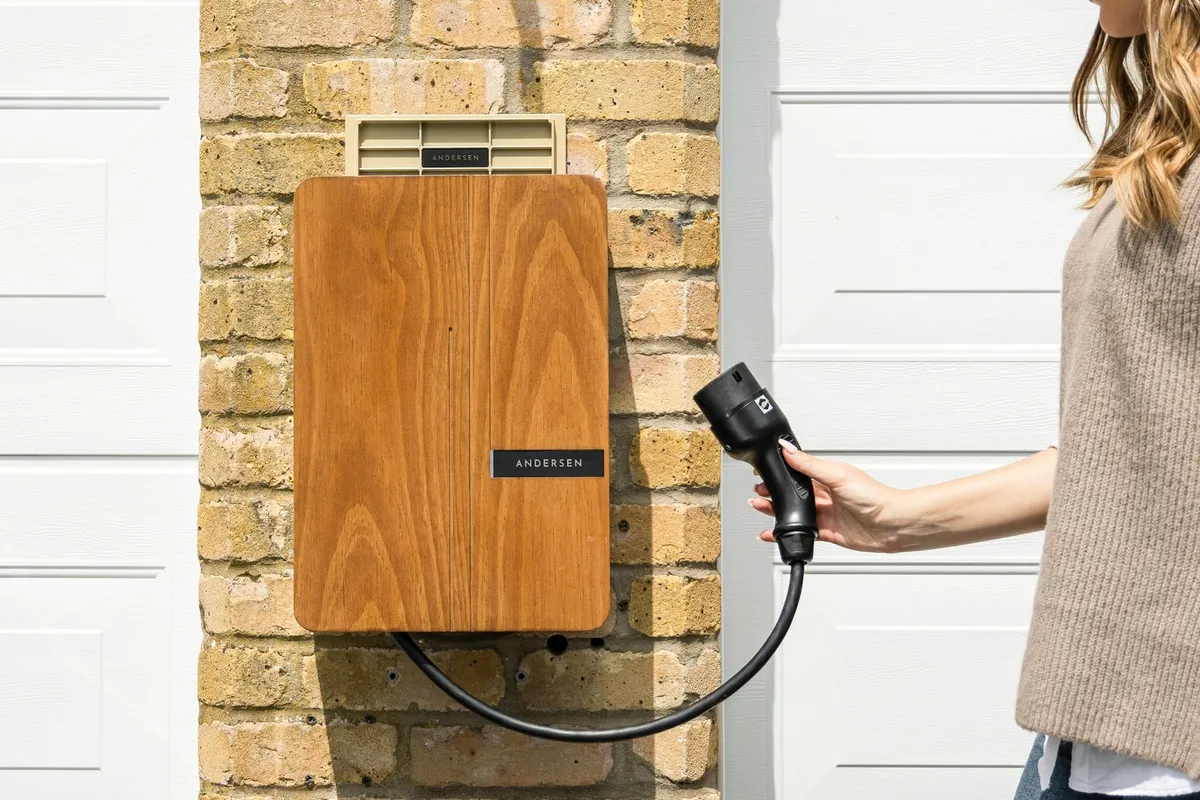

A home EV charger installation in Durban costs between R8,000 and R35,000 depending on charger size, with a typical 7.4kW single-phase setup running R10,000–R19,000 fully installed and compliant. That is the short answer. Here is the longer one: Durban in 2026 is arguably the best city in South Africa to own an electric vehicle. The coastal sunshine is exceptional,
South Africa has gone 328 consecutive days without load shedding, with the energy availability factor sitting above 65% — Eskom attributing the grid stabilisation to improved electricity generation.
And eThekwini’s electricity tariffs, while not the cheapest in absolute terms, offer meaningful off-peak savings that make home charging dramatically cheaper than any pump in the country.
While public charging infrastructure exists — GridCars operates 350-plus stations across South Africa — 95% of EV charging happens at home.
That statistic alone tells you where to put your money. A proper home charger is not an accessory. It is the foundation of EV ownership, your private petrol station that costs a fraction of the real thing. Done right, a Durban home charger installation pays for itself in fuel savings inside six months.
This guide covers everything: charger types, real 2026 installation costs, eThekwini tariff rates with actual calculations, what the coastal climate means for your hardware choice, body corporate approvals for Umhlanga and Ballito apartment dwellers, and how to pick an installer who actually knows what they are doing. Let us get into it.
Why Install a Home Charger in Durban?
Public charging in KZN exists, but the network is thin compared to Joburg or Cape Town. GridCars has around 20 stations spread across the province — fine for emergencies, useless as a daily solution.
South Africa has around 600 public charging stations, mostly in urban areas like Gauteng, the Western Cape, and KwaZulu-Natal.
KZN’s share of that is small, which means navigating Durban traffic to find a charger, then waiting three hours, is a genuine possibility if you rely on public infrastructure.
The economics are even more compelling. Home charging at eThekwini’s standard rate of R3.05/kWh costs roughly half of what public chargers typically charge — most rapid public stations in SA price at R6–R7/kWh. Charge off-peak at R1.82/kWh and you are paying less than a third of a public charger rate. Over a year, that gap is worth tens of thousands of rands.
And then there is the time argument. Plugging in at home takes ten seconds. You wake up to a full charge every morning. No detours, no waiting, no staring at a charging screen in a parking garage off the M4. If you are doing the Durban North to Umhlanga commute daily, that convenience is worth something.
Charger Types for Durban Homes
All home EV chargers in South Africa supply AC power.
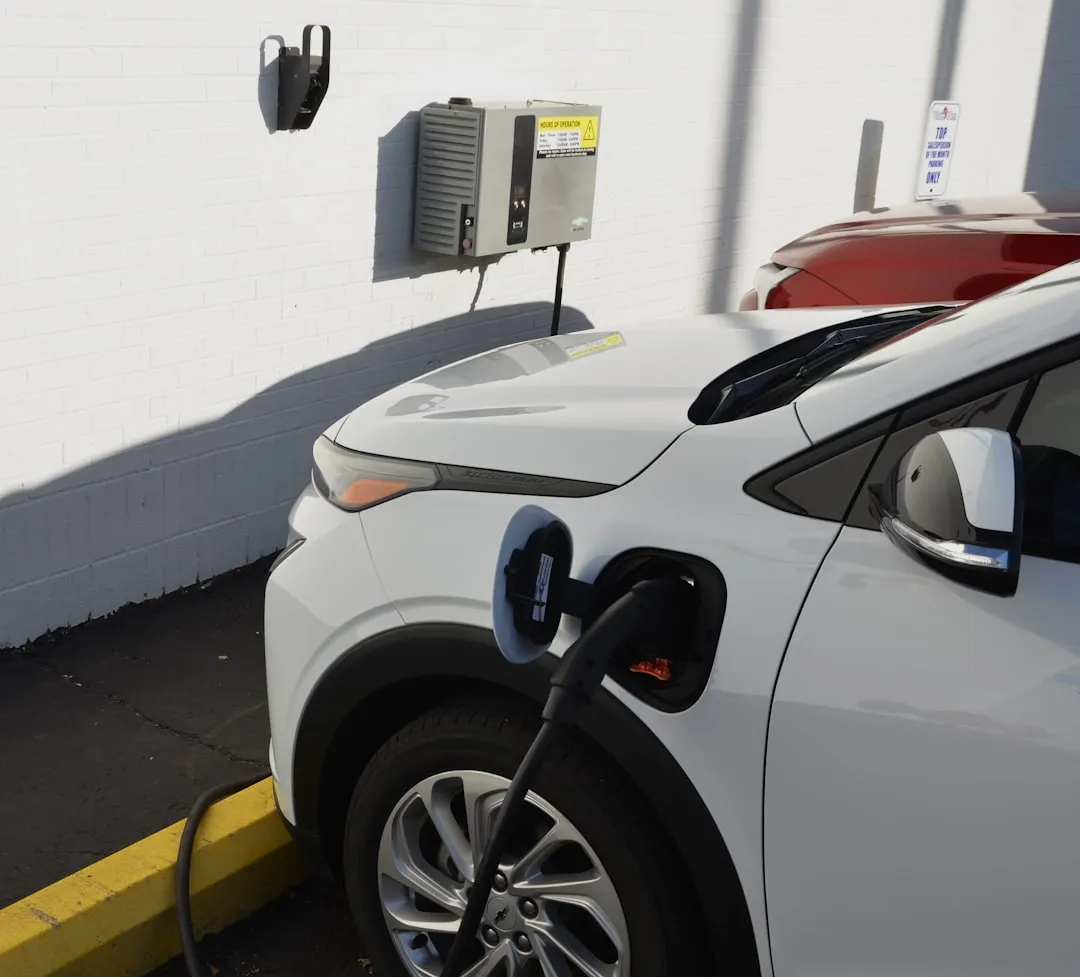
An EV home charger — technically called an EVSE (Electric Vehicle Supply Equipment) — is not a battery or a power source. It is a safety-controlled switch between your home’s distribution board and your car’s battery, negotiating voltage, current, and a continuous earth-leakage check with the vehicle before delivering AC power that the car’s onboard charger converts to DC.
Three power levels are relevant to residential Durban installs.
7.4kW single-phase is the sweet spot for most Durban homes.
If you have a single-phase connection with a 32A fuse, a 7.4kW charger will charge a 60kWh battery in about eight hours
— perfectly timed for overnight charging. Installation costs run R8,000–R15,000 all-in. This is what the vast majority of residential customers in Durban should be installing.
11kW three-phase charges a 60kWh battery in around five hours and costs R12,000–R22,000 installed.
For owners with a three-phase connection and 16A fuses, an 11kW charger is the suitable choice.
Three-phase residential supply is less common in Durban’s older suburbs but increasingly standard in newer Umhlanga Ridge and Ballito estates. Check your DB board before specifying.
22kW three-phase is for serious multi-EV households or home offices.
If your home is equipped with a three-phase connection and 32A fuses, a 22kW charger will charge the same 60kWh battery in about 90 minutes.
Costs land at R18,000–R35,000. Most Durban homeowners will never need this level of grunt at home.
One more consideration: smart versus basic chargers. A smart charger adds roughly R3,000 to the hardware cost but pays that back through off-peak scheduling alone. It connects to your Wi-Fi, lets you set charging windows via app, monitors consumption, and — critically for solar owners — prioritises free solar generation before drawing from the grid.
The R3,000 premium pays for itself through scheduled charging and off-peak rate management, solar integration capability, and automatic off-peak charging programming.
It is worth it. Full stop.
If you are weighing up EVs for your Durban lifestyle, our full EV versus petrol running cost comparison for South Africa breaks down the real numbers across popular models.
Installation Costs in Durban (2026)
Here is what a proper, legally compliant installation actually costs in eThekwini in 2026. These are real numbers from installed projects, not catalogue estimates.
| Cost Component | Cost Range |
|---|---|
| 7.4kW charger hardware | R6,000–R12,000 |
| Installation labour | R2,000–R5,000 |
| Certificate of Compliance (CoC) | R500–R1,500 |
| DB board upgrades (if needed) | R3,000–R8,000 |
| Total (typical 7.4kW installation) | R10,000–R19,000 |
A few things to note. Coastal Durban installations often require marine-grade components and surge protection due to the salt air environment — more on that shortly.
Coastal expertise involving marine-grade components for Durban’s humid, salt-air environment
is something to specifically ask your installer about. Budget an extra R1,000–R2,000 if your charger is going on an exterior wall facing the ocean or prevailing wind.
DB board upgrades catch many people by surprise. If your home was built before 2010 and has not had its electrical infrastructure updated, the board may need a new breaker, upgraded cabling, or even a full panel replacement. Get a site assessment done before you commit to any quote.
Request a free site assessment — a qualified installer will visit your Durban property, assess your electrical setup, and provide a detailed installation quotation.
A typical 7.4kW charger installation in Durban runs R10,000–R19,000 all-in — and pays for itself in fuel savings within six months.
Get a free installation quote for your Durban home and know exactly what you are in for before you commit to anything.
How Much Could You Save With an EV?
Use our free calculator to compare your current fuel costs with EV charging costs.
eThekwini Electricity Rates and Off-Peak Charging
This is where EV ownership in Durban gets genuinely exciting. eThekwini’s residential tariff structure for 2025/2026 gives smart charger owners a real financial edge. Standard rate is R3.05/kWh. Off-peak — typically 10pm to 6am — drops to R1.82/kWh. Peak hours, which run 5pm–9pm on weekdays, climb to R4.28/kWh. The difference between charging at the right time and the wrong time is enormous.
Let us do the actual maths for a BYD Dolphin owner doing 1,500km per month — a realistic Durban commuter number if you are doing the Westville-to-CBD or Pinetown-to-Umhlanga run daily. The Dolphin uses 13.8kWh per 100km and has a 44.9kWh battery good for 340km of real-world range.
Monthly charging cost (1,500km):
Standard rate: 1,500 ÷ 100 × 13.8kWh × R3.05 = R631.35/month
Off-peak rate: 1,500 ÷ 100 × 13.8kWh × R1.82 = R376.74/month
Peak rate: 1,500 ÷ 100 × 13.8kWh × R4.28 = R885.72/month
Petrol equivalent (8L/100km at R24.50/L): 1,500 ÷ 100 × 8L × R24.50 = R2,940/month
Read that last number again. R2,940 in petrol versus R376.74 charging off-peak at home. That is an R2,563 monthly saving just on fuel — before you factor in lower servicing costs, no oil changes, no filter replacements, none of it.
Annual savings (18,000km/year):
EV cost at standard rate: R7,576/year
EV cost at off-peak rate: R4,521/year
Petrol equivalent: R35,280/year
Saving at standard rate: R27,704/year
Saving at off-peak rate: R30,759/year
Payback on a R15,000 charger installation:
At standard rate: R15,000 ÷ R27,704 = 6.5 months
At off-peak rate: R15,000 ÷ R30,759 = 5.8 months
That is not a typo. Your charger installation pays for itself in under seven months. Calculate your exact savings with Durban electricity rates using your actual vehicle and real commute distance.
Durban-Specific Installation Considerations
Durban is not Joburg. The installation requirements are different, and ignoring that fact is how you end up with a corroded charger that fails inside two years.
Coastal climate and IP ratings. Salt air and humidity are the enemy of standard electrical equipment.
Humidity and salt air near the coast push surge protection and enclosure ratings up — specify IP54 minimum for any outdoor install.
IP54 is the baseline. If your charger is within 500 metres of the beachfront or in a position that takes direct sea spray and wind, push for IP55 or higher. Surge protection is non-negotiable — Durban’s summer thunderstorms are brutal, and a power spike through an unprotected charger can destroy both the unit and your car’s onboard charging system.
Solar opportunity. Durban receives over 2,400 hours of sunshine per year. That is more than most European countries manage, and it makes the solar-plus-EV combination here exceptionally compelling. A 5kW solar system can realistically provide free charging for 800–1,200km per month — covering most Durban commuters’ entire monthly driving distance at zero cost.
Many Durban homes already have solar. Proper integration means solar priority charging — using free solar first, then drawing from the grid only when needed — alongside inverter coordination to avoid overloading the system.
Complexes and body corporates. Large swathes of Durban’s EV market live in sectional title properties — the high-rises and gated estates of Umhlanga Ridge, La Lucia, Ballito, and Durban North. The good news is that complex trustees in these areas are increasingly EV-aware. The legal framework is on your side too: South African law prevents body corporates from unreasonably refusing a reasonable installation request. But you need to follow the process, and you need to do it before anyone drills a single hole in a wall.
Load Shedding and EVs in Durban: The 2026 Reality
Let us address the elephant that used to be in the room. For the past few years, load shedding was the number-one objection to EV ownership in South Africa. People worried about arriving home to a Stage 6 blackout and a depleted battery. Fair concern — in 2022 and 2023, at least.
Here is where we stand in April 2026:
it has been 328 consecutive days since South Africa last experienced load shedding, with the energy availability factor sitting above 65%, with Eskom attributing the grid stabilisation to improved electricity generation.
And it is not stopping there.
Eskom entered the 2026 winter season projecting continued energy stability from 1 April to 31 August 2026, following the successful conclusion of the summer period during which the national grid operated with ongoing sustained reliability, with the Generation Recovery Plan firmly embedded in day-to-day operations.
The Kusile Power Station — which spent years as a national embarrassment — is now fully operational and contributing 4,800 megawatts to the grid.
Eskom maintained a consistent energy supply of 98.9% in the last financial year (1 April 2025 to 31 March 2026), a marked improvement from the 9% reliability recorded two years ago.
That is a different country from the one we lived in during Stage 6.
And even if load shedding did return, a BYD Atto 3 carries 60.5kWh of battery for 420km of range. A Tesla Model 3 does 510km. That is three to four days of typical Durban commuting without touching a charger. The load shedding argument against EVs is dead.

Solar Plus EV Charging in Durban
Here is the combination that really moves the needle. Durban’s coastal sunshine is not just great beach weather — it is free electricity. A well-spec’d 5kW rooftop solar system in eThekwini can generate enough to cover 800–1,200km of EV driving per month at no ongoing cost. Zero. Nothing. Free kilometres.
The smart charger is the key ingredient. It reads your inverter’s output in real time and pulls from solar generation during the day before switching to grid power after dark. If you charge a BYD Dolphin entirely on solar during the day, your per-kilometre fuel cost drops to effectively nothing — you are running on sunshine.
From a financial perspective, combining solar installation with your EV charger installation is significantly more cost-effective than doing them separately. The electrician is already on site, the compliance paperwork covers both, and the trenching and conduit work for the charger cable can be run simultaneously with solar wiring. Combined installations typically save R2,000–R4,000 versus two separate jobs.
SSEG customers are allowed to self-consume the electricity they produce on-site — this self-consumption activity reduces customer energy charges by avoiding purchases from the municipality.
That is the eThekwini solar policy working directly in your favour as an EV owner.
Ready to Install a Home Charger?
Get a free, no-obligation quote for professional EV charger installation in South Africa.
Legal Requirements: SANS 10142 and Your Certificate of Compliance
This section is short because there is really only one rule: get a registered electrician and get your Certificate of Compliance. Everything else follows from that.
All EV charger installations in South Africa must include a Certificate of Compliance — this is not optional; it is legally required and necessary for insurance purposes.
SANS 10142 is the governing standard, and it is not something your mate who does general electrical work on weekends can certify against.
Without a CoC, your home insurance may be void if an electrical fire occurs. Always insist on receiving your CoC after installation.
DIY EV charger installation is illegal in South Africa. Full stop. The risks are real — a 7.4kW charger running on a faulty circuit is not a minor inconvenience, it is a house fire waiting to happen. The cost of a proper installation is trivially small relative to the cost of a fire claim that your insurer refuses to pay.

Choosing an EV Charger Installer in Durban
Not every electrician in Durban should be installing EV chargers.
Durban has excellent general electrical contractors for typical electrical work, but EV charging installation requires specialised knowledge they simply do not have.
The stakes are high.
Your EV is a R400,000–R900,000 investment. Your home electrical system is critical infrastructure. Do not trust either to someone learning on your project.
Here is what to verify before signing anything:
- Registered with the Electrical Contractors Board of South Africa
- Issues a Certificate of Compliance upon completion (not a few days later — same day)
- Carries a minimum 12-month workmanship warranty (good installers offer 24 months)
- Has demonstrable EV charger experience — ask for photos of completed Durban installs
- Understands coastal IP ratings and surge protection requirements specific to eThekwini
- Can handle solar integration if you have panels or plan to add them
- Provides body corporate documentation support if you live in a complex
Reliable installation prices across KZN through 2026 include CoC issuance and a 2-year workmanship warranty as standard.
If a quote does not include the CoC, walk away.
Body Corporate and Sectional Title Guide for Durban
This is the section that Umhlanga Ridge, La Lucia, Ballito, and Durban North apartment owners need to read carefully. You absolutely can install an EV charger in a sectional title property. But you need to follow the process, and you need to start it before doing anything else.
South African legislation prevents a body corporate from unreasonably withholding consent for an EV charger installation, provided the installation meets certain conditions. The key phrase is “unreasonably.” Submit your application properly and the trustees have very little legal ground to stand on.
Here is exactly what to submit:
- A formal written application addressed to the board of trustees
- A quote from a registered installer, including specifications and equipment list
- Proof of separate metering — the charger must run off your own account, not common property supply
- Confirmation that the installation will comply with SANS 10142 and that a CoC will be issued
- Your CoC, provided to the body corporate upon completion
Budget two weeks for body corporate approval if your complex is EV-friendly. Some complexes in Umhlanga and Ballito now have pre-approved EV charger installation processes in place — your installer should know which ones. If you hit resistance, a letter from your installer’s legal advisor citing Sectional Titles Act provisions usually resolves the matter quickly.
Want to know where existing public chargers are located near your complex while you wait for approval? Check the live map of charging stations in Durban and KZN to plan around your existing charging options.
Installation Timeline: From Enquiry to Charging
A lot of people assume a home EV charger install is a massive project. It is not. A standard job — single-phase 7.4kW, no DB board complications, freestanding house — takes one day. Here is the realistic timeline:
- Site assessment: 30–60 minutes. The installer checks your DB board, measures cable runs, assesses outdoor mounting positions, and checks IP requirements for your specific location.
- Quotation: 1–3 days to receive a formal quote.
- Body corporate approval (if required): 1–2 weeks. Start this process the moment you have a quote in hand.
- Installation day: 4–6 hours for a standard 7.4kW residential job. Complex three-phase or solar integration jobs take a full day.
- CoC issuance: Same day or next day.
Most Durban installations are completed within one week of quotation approval.
From first enquiry to driving away on home-charged electrons, you are looking at one to two weeks for a straightforward installation. Less if your complex already has an EV-friendly process in place.
Find Charging Stations Near You
Explore our live map of EV charging stations across South Africa — updated in real time.
Popular EVs in Durban and Their Real Charging Times
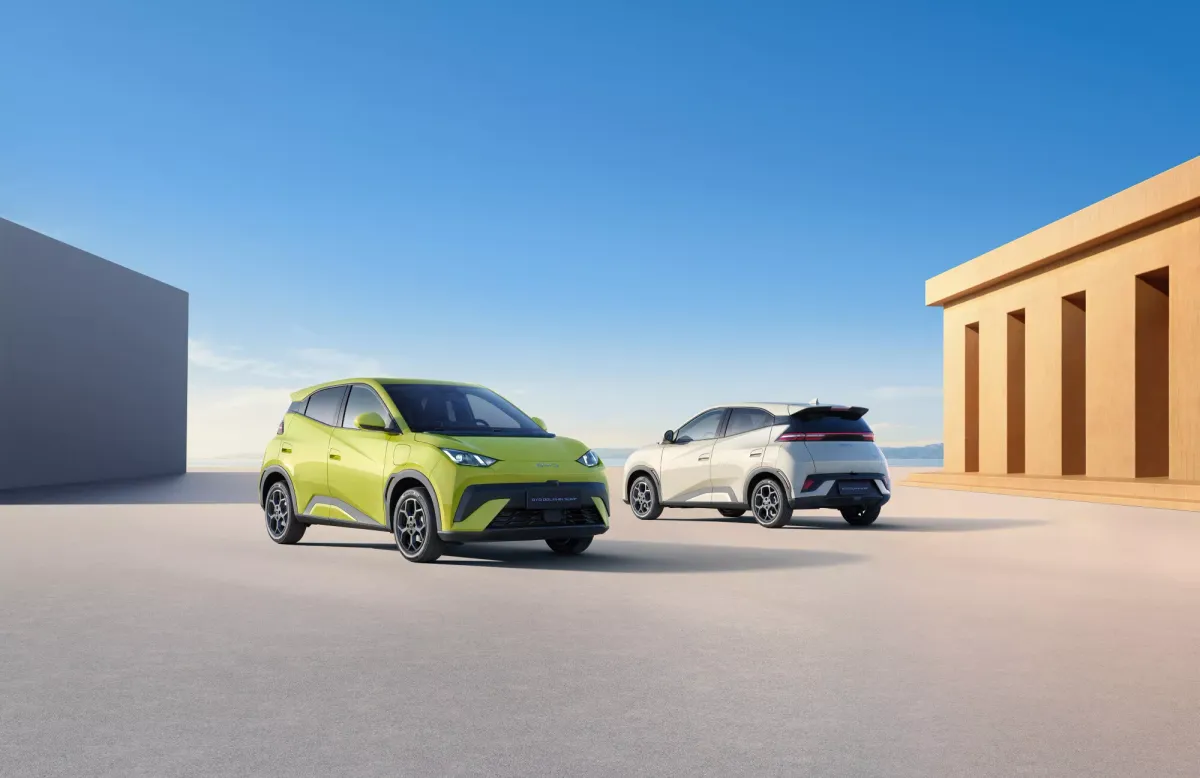
Durban’s EV market in 2026 is dominated by Chinese brands and a handful of European holdouts. Here is what the popular models actually look like on a 7.4kW home charger:
The BYD Atto 3 — the best-selling EV in SA — carries a 60.5kWh battery and uses 16.5kWh/100km, good for 420km. Full charge from near-empty on a 7.4kW charger takes about 8.2 hours. Plug in at 10pm, leave at 6am, full battery. Perfect.
The BYD Dolphin with its 44.9kWh battery charges fully in about 6 hours on a 7.4kW unit — most Durban commuters will never see a full charge scenario because they are only replacing 100–200km of range per night. Think 2–3 hours of actual charging.
The Tesla Model 3‘s 60kWh battery and 510km real-world range means you are rarely charging from empty. Its 14.9kWh/100km consumption is among the most efficient in the class. An 8-hour overnight session covers you for multiple days of typical Durban driving.
The Hyundai Ioniq 5 is the most capable daily driver here — 72.6kWh battery, 16.8kWh/100km, 481km range. Three-phase supply and an 11kW charger is worth considering for this vehicle if you want faster top-ups. The Volvo EX30 (51kWh, 344km) and the aggressively priced GWM Ora 03 (48kWh, 310km) are both perfect fits for the 7.4kW standard install.
Maintenance and Ongoing Running Costs
Once your charger is installed, the ongoing cost is minimal. Most charger hardware carries a 2–3 year manufacturer warranty. An annual service check — basically an electrical inspection of connections, cable condition, and software updates — costs R500–R1,000 and is worth doing. Smart charger firmware updates happen automatically via Wi-Fi and are free.
The real ongoing cost is electricity, and the numbers above make that case for you. At off-peak eThekwini rates, you are spending R376 per month to drive 1,500km. That is a running cost that no petrol car built in 2026 can touch.
Verdict: Durban Is Ready
Look, the case for installing a home EV charger in Durban in 2026 is as strong as it has ever been anywhere in South Africa. The grid is stable —
341 consecutive days without load shedding as of late April 2026
, with Eskom projecting the run to continue through winter. The sunshine is abundant. The savings are real and rapid. And the hardware has matured to the point where a quality installed charger is a set-and-forget piece of infrastructure.
The charger pays for itself in under seven months through fuel savings alone. After that, you are banking R27,000–R30,000 per year compared to a petrol equivalent. Over five years of ownership, that is R135,000 to R150,000 that stays in your pocket. Put differently, the charger cost is rounding error.
ChargePoint SA installs home EV chargers across Durban, Umhlanga, Ballito, La Lucia, Westville, and throughout KwaZulu-Natal. Every installation includes a Certificate of Compliance, a 2-year workmanship warranty, and full smart charger configuration. Get a free installation quote for your Durban home and find out exactly what your specific property needs. Or if you want to run your own numbers first, use our savings calculator with eThekwini’s actual 2026 electricity rates to see your personalised payback period.
FAQ
How much does a home EV charger cost to install in Durban?
A typical 7.4kW single-phase installation in Durban costs R10,000–R19,000 all-in, including hardware, labour, and a Certificate of Compliance. That figure can be higher if your DB board needs upgrading or if coastal-grade surge protection components are required. Three-phase 11kW installs run R12,000–R22,000, while 22kW three-phase setups land between R18,000 and R35,000.
Can I install an EV charger in my Durban apartment or complex?
Yes. Sectional title residents in Umhlanga, Ballito, Durban North, and elsewhere can install EV chargers with body corporate approval. South African law prevents body corporates from unreasonably refusing. Submit a formal application with a registered installer quote, a separate metering proposal, and an agreement to provide the CoC upon completion. Allow 1–2 weeks for approval from EV-friendly complexes.
Is load shedding still a problem for EV charging in Durban?
No.
South Africa reached 328 consecutive days without load shedding as of mid-April 2026.
Eskom entered the 2026 winter season projecting continued energy stability from 1 April to 31 August 2026.
Beyond the grid stability, most popular EVs sold in Durban have 400km-plus range — three to four days of typical commuting — providing a natural buffer even in a worst-case scenario. Load shedding is no longer a rational barrier to EV ownership.
Should I install solar panels with my EV charger in Durban?
Strongly recommended. Durban’s 2,400-plus annual sunshine hours make it one of the best cities in Africa for rooftop solar. A 5kW system can realistically provide free charging for 800–1,200km per month. Combined solar and EV charger installations cost less than two separate jobs and deliver the best long-term return. A smart charger is essential to prioritise solar generation over grid power automatically.
What electricity rate should I use to charge my EV in Durban?
Charge exclusively on eThekwini’s off-peak rate of R1.82/kWh, typically from 10pm to 6am. This is 40% cheaper than the standard rate of R3.05/kWh. Avoid charging during peak hours from 5pm–9pm on weekdays when the tariff climbs to R4.28/kWh — that is more than double the off-peak rate. A smart charger programmes this automatically.
How long does a home EV charger installation take in Durban?
A standard 7.4kW installation at a freestanding Durban home takes 4–6 hours on the day.
Most Durban installations are completed within one week of quotation approval.
Total timeline from first enquiry to driving on home-charged power is typically 1–2 weeks, or 2–3 weeks if body corporate approval is required.
Do I need a Certificate of Compliance for my EV charger?
All EV charger installations in South Africa must include a Certificate of Compliance — it is legally required, necessary for insurance purposes, and without it your home insurance may be void if an electrical fire occurs.
Any installer who does not issue a CoC is operating illegally. Do not accept any installation without one.