Somerset West’s City of Cape Town electricity tariff—R1.80–R3.20/kWh in 2025/26—is the lowest in South Africa, meaning a full 60kWh battery charge costs R108–R192 at home versus R330 at a GridCars public station. That R29,820–R47,940 five-year saving pays for your home charger installation twice over, but only if you navigate SANS compliance, distribution board capacity, and Certificate of Compliance requirements correctly.
This guide walks you through every step of EV charger installation in Somerset West: what it costs in rands and cents, how to navigate SANS compliance, whether your home needs single-phase or 3-phase supply, and how to dodge the expensive mistakes that trip up first-time installers.
Why Install an EV Charger in Somerset West?
Somerset West sits in the Helderberg basin with a population of approximately 280,000 residents, making it one of the fastest-growing areas in the City of Cape Town metro. Three factors make it particularly attractive for EV ownership:
South Africa’s Lowest Electricity Rates
Because Somerset West falls under City of Cape Town municipal supply, residents pay R1.80–R3.20 per kWh for domestic electricity (2025/26 tariff). That’s significantly lower than Eskom-direct areas or other metros. To put it in perspective: charging a 60kWh battery from empty costs R108–R192 at home in Somerset West, versus R330 at a GridCars public station charging R5.50/kWh.
Over five years, home charging saves Somerset West EV owners R29,820–R47,940 compared to relying on public infrastructure. That saving alone pays for your home charger installation twice over.
Load-Shedding Protection Coming Online
Somerset West falls under City of Cape Town load-shedding block 13, but the municipality has invested R480 million in its Load Shedding Protection Plan. The City is on track to protect customers from stages 1–4 by 2026, meaning most load-shedding events won’t affect your ability to charge at home.
Even better: new solar infrastructure in the Helderberg area is adding capacity to the local grid, part of the Western Cape’s embedded generation expansion. This infrastructure investment means Somerset West EV owners face less charging disruption than drivers in Eskom-dependent regions.
Exceptional Solar Potential
Cape Town receives over 2,500 hours of sunshine annually, and Somerset West—sheltered by the Helderberg mountains—enjoys particularly stable weather. This makes solar-powered EV charging setups highly effective. Many newer estates like Sitari Country Estate, Croydon Vineyard, and Kelderhof Country Village are being designed with solar + EV infrastructure from the start.
Somerset West Municipal Tariff: What It Means for Charging Costs
Understanding your electricity tariff is critical for calculating the true cost of EV ownership. Somerset West residents pay City of Cape Town domestic rates, which include both energy charges and a fixed Service and Wires Charge.
| Tariff Component | Rate (2025/26) | Notes |
|---|---|---|
| Energy charge (domestic) | R1.80–R3.20/kWh | Increases with consumption blocks |
| Service and Wires Charge | R59.90/month | Fixed monthly fee |
| 2026/27 tariff increase | 9.01% (effective July 1, 2026) | Municipal customers only |
For a typical Somerset West household charging a 60kWh EV battery once per week (240kWh/month), total electricity cost for EV charging alone ranges from R432–R768/month at current tariffs. Even after the 9.01% increase effective July 2026, this remains dramatically cheaper than public charging at R5.50/kWh (R1,320/month for the same usage).
Public Charging in Somerset West: GridCars and Alternatives
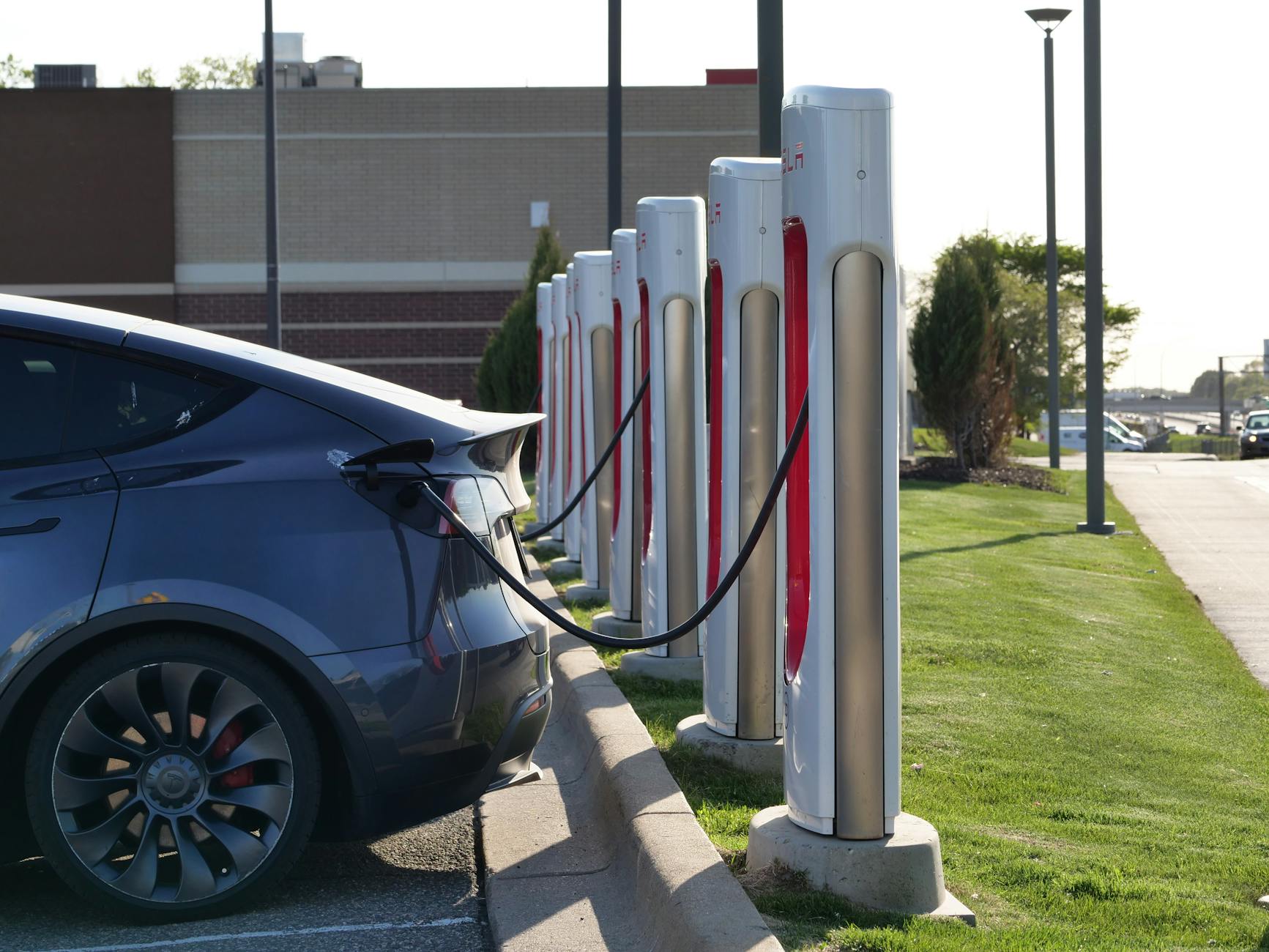
GridCars operates over 350 AC and DC fast charging connectors across South Africa, with stations in Stellenbosch Square and other Somerset West locations. At R5.50/kWh, these are essential for road trips or emergencies—but expensive for daily use.
Shell Recharge and other networks are expanding in the Western Cape, but GridCars accounts for roughly 60% of South Africa’s public charging infrastructure. The reality: 95% of EV charging happens at home in South Africa, with public stations serving as backup. For Somerset West residents, home charging isn’t optional—it’s essential.
The Somerset West Installation Process: Step-by-Step
Installing an EV charger in Somerset West follows a legally mandated process. Shortcuts void your insurance and can make your property unsellable. Here’s the proper sequence:
Step 1: Professional Site Assessment
A qualified installer visits your property to assess:
- Distance from your distribution board (DB board) to your parking area
- Available capacity in your existing DB board
- Whether you have single-phase or 3-phase supply (more on this below)
- Earthing system compliance
- Conduit routing options (overhead vs underground)
Most modern Somerset West homes are single-phase, but older properties—particularly in established areas like Strand or Gordon’s Bay—may have 3-phase supply. The site assessment determines which charger specifications suit your electrical infrastructure.
Step 2: Distribution Board Upgrades (If Required)
EV chargers draw significant continuous load—typically 7kW for single-phase or 11kW for 3-phase installations. If your DB board lacks capacity, the installer will:
- Install a dedicated circuit breaker for the EV charger
- Add surge protection devices (SPDs) as required by SANS 10142-1:2024
- Upgrade the main breaker if total household load exceeds supply capacity
- Install an earth leakage protection device specific to the EV circuit
DB board upgrades typically add R2,000–R8,000 to installation costs, depending on complexity.
Step 3: Charger and Cabling Installation
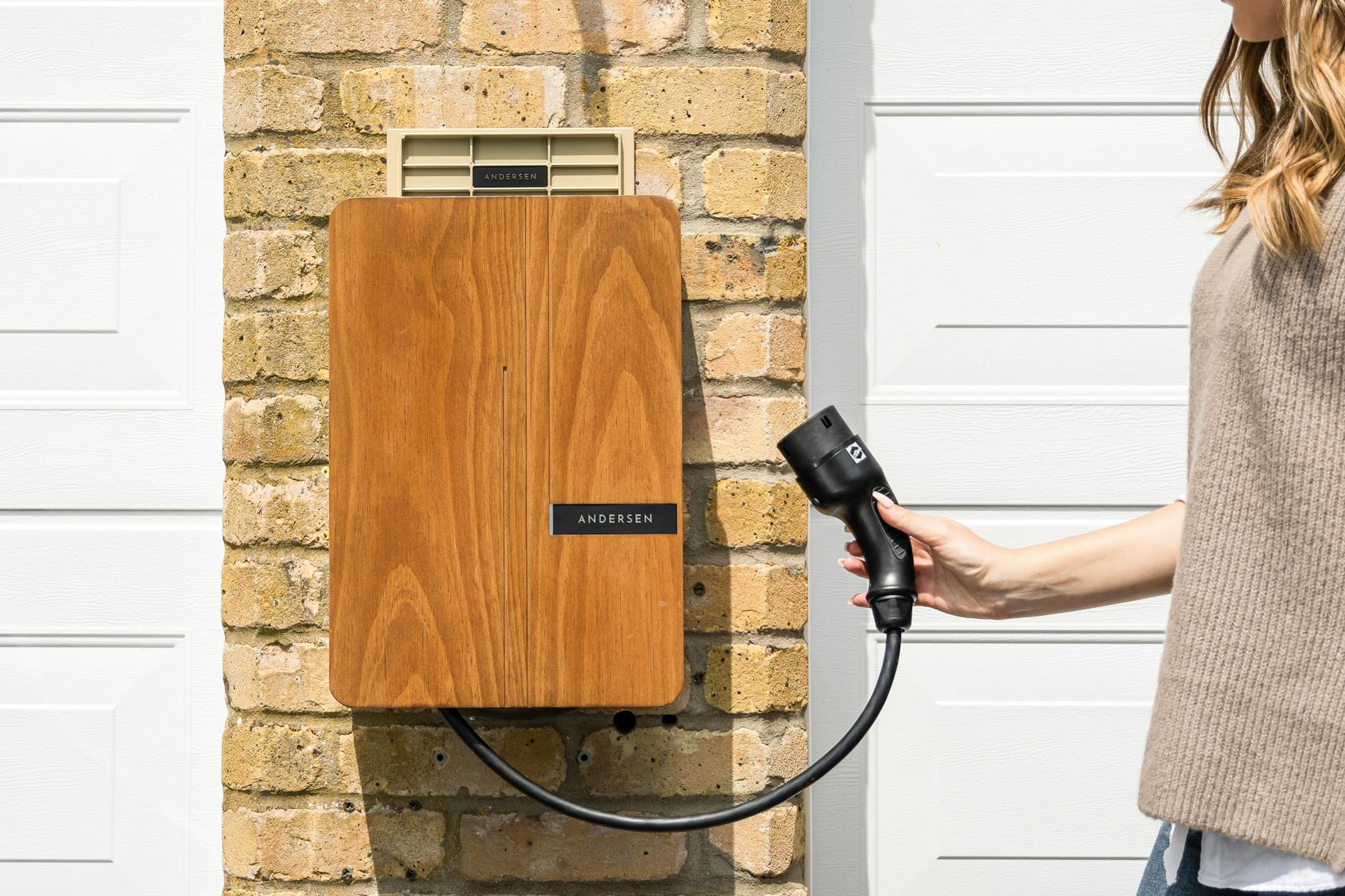
The installer runs dedicated cabling from your DB board to the charger location—usually your garage, carport, or designated parking bay. In Somerset West estates with underground services, this often means trenching and conduit burial. Overhead installations are faster but less aesthetically pleasing.
Cable sizing must comply with SANS 10142-1 based on distance and load. For a typical 7kW charger with a 15-metre cable run, expect 6mm² copper cable as minimum.
Step 4: Certificate of Compliance (CoC)
This is non-negotiable. All permanent electrical work in South Africa requires a CoC issued by a licensed electrician registered with the Department of Employment and Labour. The CoC certifies that your installation meets SANS 10142-1:2024 standards.
Without a valid CoC:
- Your home insurance is void for electrical-related claims
- You cannot legally sell your property
- The City of Cape Town can disconnect your supply during inspections
CoC costs (typically R800–R1,500) are included in the total R11,000–R30,000 installation range quoted in this guide. Always confirm that CoC is itemised in your quote and included in the final price.
Step 5: Commissioning and Testing
The installer tests:
- Earth continuity and loop impedance
- Residual current device (RCD) trip times
- Charger communication with your vehicle
- Load balancing (if installed) to prevent tripping during high household usage
You’ll receive a handover document, CoC, and user manual. Reputable installers also provide a 12-month workmanship warranty.
Typical Somerset West Installation Pricing (2026)
Installation costs vary based on site-specific factors, but here’s the realistic range for Somerset West properties:
| Component | Cost Range (ZAR) | Notes |
|---|---|---|
| 7kW AC charger unit | R6,000–R12,000 | Brands: Wallbox, Zaptec, ABB, ChargePoint |
| Installation labour | R3,000–R8,000 | Depends on cable run distance |
| Materials (cable, conduit, breakers) | R1,500–R5,000 | 6mm² copper cable ±R85/metre |
| DB board upgrades (if required) | R2,000–R8,000 | New breakers, SPDs, earth leakage |
| Certificate of Compliance | R800–R1,500 | Must be itemised in quote |
| Total (single-phase, 7kW) | R11,000–R30,000 | Most Somerset West homes: R15k–R22k |
Three-phase installations supporting 11kW or 22kW chargers cost R18,000–R40,000 due to higher-capacity components and more complex wiring.
What Affects Your Final Price?
- Distance from DB board to parking: Every additional 10 metres adds R850–R1,200 in cable and labour
- Trenching requirements: Underground conduit burial costs R300–R600/metre vs R150–R300/metre for overhead trunking
- DB board age: Older boards may require full replacement (R8,000–R15,000) to meet current SANS standards
- Smart features: WiFi-enabled chargers with app control, scheduling, and solar integration cost R2,000–R5,000 more than basic units
- Load balancing: Dynamic load management systems (essential for homes near supply limits) add R3,000–R8,000
Single-Phase vs 3-Phase Supply in Somerset West
This is one of the most common questions Somerset West homeowners ask—and it matters for charger selection.
Single-Phase: The Somerset West Standard
Most modern residential properties in Somerset West have single-phase supply (230V). Residential premises in South Africa are usually single-phase, fed from a three-phase municipal supply. Your home receives one of the three phases, with typical supply capacity of 60–80 amps.
Single-phase homes install 7kW AC chargers (32A), which fully charge a 60kWh battery in 8–9 hours—perfect for overnight charging. For most Somerset West EV owners, this is entirely adequate.
3-Phase: Older Homes and Estates
Some older Somerset West properties—particularly in Strand, Gordon’s Bay, or established areas—have 3-phase supply (400V). Newer estates may also install 3-phase for high-end homes with large appliances.
Three-phase supply allows 11kW (16A per phase) or 22kW (32A per phase) chargers, cutting charge times to 3–5 hours for a 60kWh battery. However, not all EVs support 3-phase AC charging—check your vehicle specifications before investing in an 11kW or 22kW charger.
How to Check Your Supply Type
Look at your DB board main breaker:
- Single-phase: Two-pole main breaker (one thick cable in, one out)
- 3-phase: Four-pole main breaker (three thick cables in, one neutral)
If unsure, your installer will confirm during the site assessment. Don’t assume—incorrect charger sizing wastes money and underperforms.
Load-Shedding and Solar Pairing for Somerset West Homes
Load-shedding remains a reality in South Africa, even with the City of Cape Town’s protection plan. Here’s how Somerset West EV owners can charge reliably:
Grid Charging with Load-Shedding Awareness
Somerset West falls under City of Cape Town block 13. While the municipality is on track to protect against stages 1–4 by 2026, higher stages still cause outages. Smart strategies:
- Use chargers with scheduling to start charging immediately after load-shedding slots end
- Monitor the EskomSePush app or City of Cape Town alerts for your block
- Charge during off-peak hours (22:00–06:00) when load-shedding is less frequent
New solar infrastructure in the Helderberg area will further reduce load-shedding frequency, making grid charging increasingly reliable.
Solar + EV: The Somerset West Sweet Spot
With 2,500+ hours of annual sunshine, Somerset West is ideal for solar-powered EV charging. A typical setup includes:
- 5–8kW solar array (12–20 panels)
- 5–10kWh battery storage (lithium)
- Hybrid inverter with EV charger integration
- Smart energy management system
Total cost: R125,000–R150,000 for a complete solar-powered home charging setup. This provides:
- Free daytime EV charging from solar generation
- Load-shedding protection via battery backup
- Reduced municipal electricity bills for household consumption
- Increased property resale value
Payback period: 5–8 years depending on electricity usage and EV mileage. For Somerset West homes with high daytime solar generation and regular EV use, this is increasingly attractive.
SANS 10142-1:2024 and Solar Integration
The 2024 update to SANS 10142-1 includes enhanced requirements for renewable energy integration, specifically addressing solar + EV installations. Your installer must ensure:
- Proper islanding protection (solar system disconnects during grid outages)
- Correct earthing for both solar and EV circuits
- Surge protection for inverter and charger
- Separate CoC for solar installation and EV charger (often combined into one site CoC)
Common Mistakes Somerset West Homeowners Make
After installing dozens of chargers in the Helderberg area, we’ve seen these errors repeatedly:
1. Hiring Unlicensed “Electricians”
The biggest mistake. Some Somerset West homeowners hire handymen or unlicensed contractors to save R2,000–R5,000. Result: no valid CoC, insurance void, installation fails safety standards. When selling the property, conveyancers demand a CoC—and you pay for a complete reinstallation by a licensed electrician, often at double the original quote.
Always verify: Your installer is registered with the Department of Employment and Labour and carries a valid wireman’s licence. Ask for proof upfront.
2. Installing the Wrong Charger for Your Vehicle
Not all EVs support 3-phase AC charging. Installing an expensive 22kW charger when your vehicle maxes out at 7kW single-phase wastes R8,000–R15,000. Check your vehicle’s onboard charger specification before purchasing equipment.
3. Ignoring Distribution Board Capacity
Adding a 7kW EV charger to an already-overloaded DB board causes nuisance tripping, especially when running geysers, stoves, and pool pumps simultaneously. A proper site assessment identifies capacity issues before installation begins. Budget for DB upgrades if your home is older than 15 years.
4. Skimping on Cable Sizing
Using undersized cable (4mm² instead of 6mm²) for long runs causes voltage drop, slow charging, and cable overheating. SANS 10142-1 specifies minimum cable sizes—don’t let installers cut corners. Quality 6mm² copper cable costs R85/metre; it’s worth it.
5. Skipping Surge Protection
Somerset West experiences summer thunderstorms. EV chargers contain sensitive electronics vulnerable to lightning-induced surges. A R1,200 Type 2 SPD protects your R10,000 charger and your R800,000 vehicle. It’s cheap insurance.
6. Installing Outdoor Chargers Without Proper IP Rating
Coastal Somerset West homes face salt spray and moisture. Chargers installed in carports or open parking need IP65 rating minimum (dust-tight, water-jet protected). Indoor-rated chargers (IP20) fail within months in outdoor Somerset West conditions. Verify IP rating before purchase.
FAQ
How long does installation take in Somerset West?
A straightforward single-phase installation with no DB upgrades takes 4–6 hours (one working day). If DB upgrades, trenching, or 3-phase work is required, expect 2–3 days. CoC processing adds 1–3 business days after physical installation completion. Total timeline from quote acceptance to commissioned charger: 1–2 weeks for most Somerset West homes.
Do I need City of Cape Town approval or permits?
No separate municipal permit is required for EV charger installation in Somerset West. However, the electrical work must comply with SANS 10142-1, and your installer must issue a Certificate of Compliance. The CoC is submitted to the City of Cape Town’s electrical inspection database. For estate homes (Sitari, Croydon Vineyard, etc.), check your homeowners’ association architectural guidelines—some require aesthetic approval for external charger units.
Will my home insurance cover the charger?
Most South African home insurance policies cover permanently installed EV chargers as part of building improvements, but only if installed with a valid CoC. Inform your insurer after installation and provide the CoC—this may increase your building sum insured by R10,000–R15,000 and add R30–R80/month to premiums. Portable chargers (granny cables) are typically covered under all-risk or portable possessions, not building insurance.
How long do EV chargers last in Somerset West conditions?
Quality chargers (Wallbox, ABB, Zaptec) last 10–15 years with minimal maintenance. Coastal Somerset West conditions (salt air, humidity) require IP65-rated outdoor units and annual connection inspections. Budget R800–R1,500 for a professional inspection every 2–3 years. Chargers with moving cables (coiled retractors) wear faster than fixed-cable units—expect cable replacement every 5–7 years (R2,000–R3,500).
Does an installed EV charger increase my Somerset West property value?
Yes, particularly in Somerset West’s newer estates where EV adoption is growing rapidly. Estate agents report that homes with installed EV chargers and solar systems sell 10–15% faster and command 2–5% price premiums in sought-after areas like Sitari Country Estate, Croydon Vineyard, and Waterstone Village. The charger installation cost (R15,000–R25,000) is typically recovered in resale value, plus you benefit from lower running costs during ownership.
Can I charge other people’s EVs with my home charger?
Technically yes—all EVs use standardised Type 2 connectors (Europe/SA standard) or Type 1 (older imports). However, your home insurance may not cover commercial charging activity. If you plan to offer paid charging (Airbnb guests, neighbours), inform your insurer and consider a commercial charger with payment integration. For occasional free charging of friends’ vehicles, standard home chargers work fine. Be aware: charging a friend’s 80kWh Audi e-tron costs you R144–R256 in electricity at Somerset West tariffs.
Ready to Charge Smarter in Somerset West?
You’ve seen the numbers: home charging in Somerset West costs a fraction of public charging, the City’s load-shedding protection is improving, and with 2,500+ hours of sunshine annually, solar integration makes exceptional financial sense. But the quality of your installation determines whether you unlock those benefits or face years of frustration with tripping breakers, slow charging, and insurance headaches.
ChargePoint SA has installed hundreds of EV chargers across the Western Cape, including dozens in Somerset West, Strand, and Gordon’s Bay. Every installation includes:
- Comprehensive site assessment of your electrical supply and DB board capacity
- Transparent quoting with no hidden costs (parts, labour, and CoC itemised)
- SANS 10142-1:2024 compliant installation by Department of Labour-registered electricians
- Certificate of Compliance issued within 3 business days
- 12-month workmanship warranty and ongoing support
- Optional solar integration design and installation
We understand Somerset West’s unique conditions—from the Helderberg’s summer thunderstorms to the salt air in coastal Gordon’s Bay, from estate architectural requirements to older homes with limited DB capacity.
Get your free Somerset West site assessment today—we’ll visit your property, assess your electrical infrastructure, explain your options in plain language, and provide a detailed quote with no obligation. Most assessments take 30–45 minutes, and you’ll have a quote within 24 hours.
Join the growing number of Somerset West EV owners who charge at home for R432–R768/month instead of paying R1,320/month at public stations. Your EV—and your wallet—will thank you.
Continue Reading