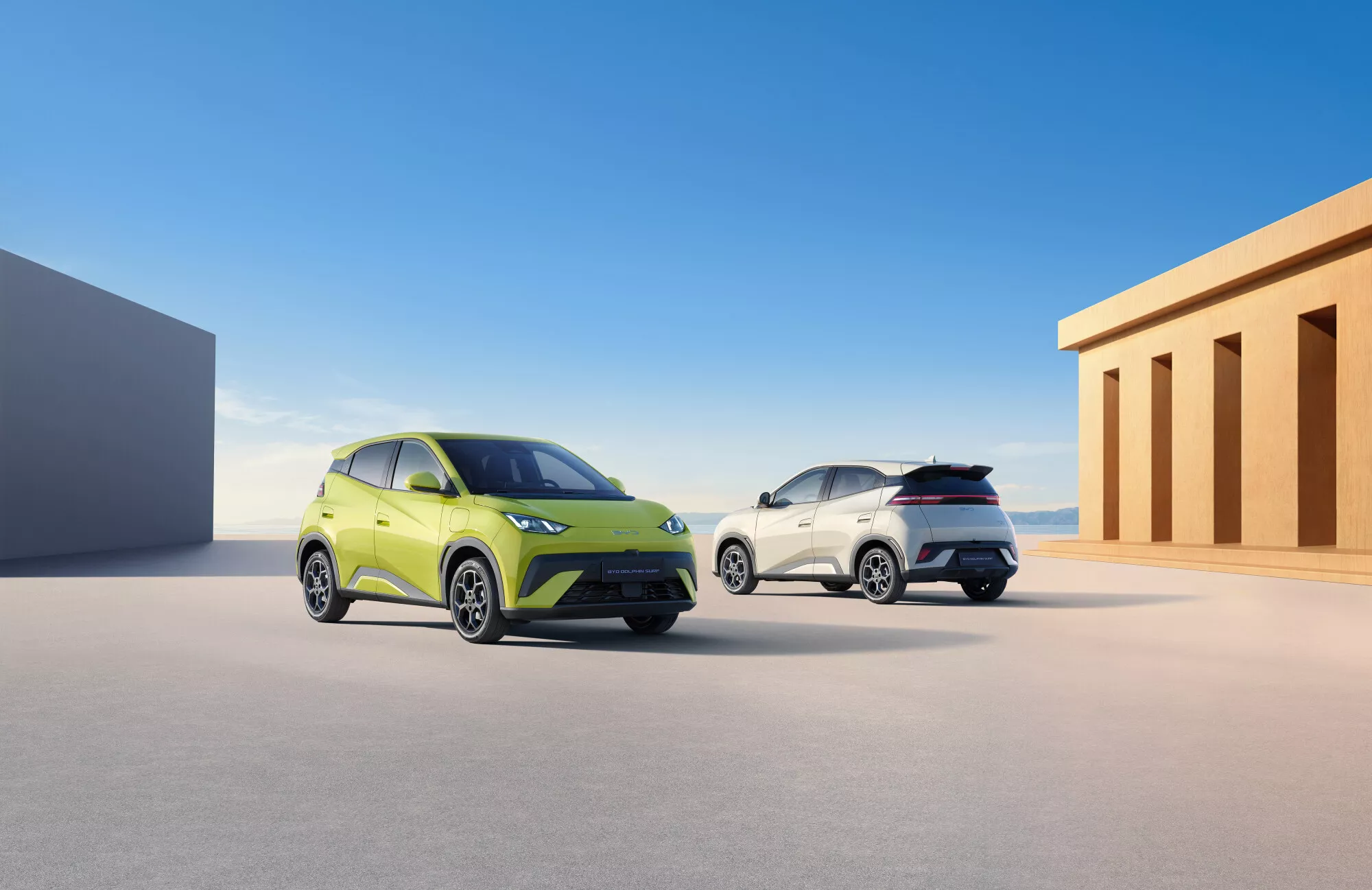
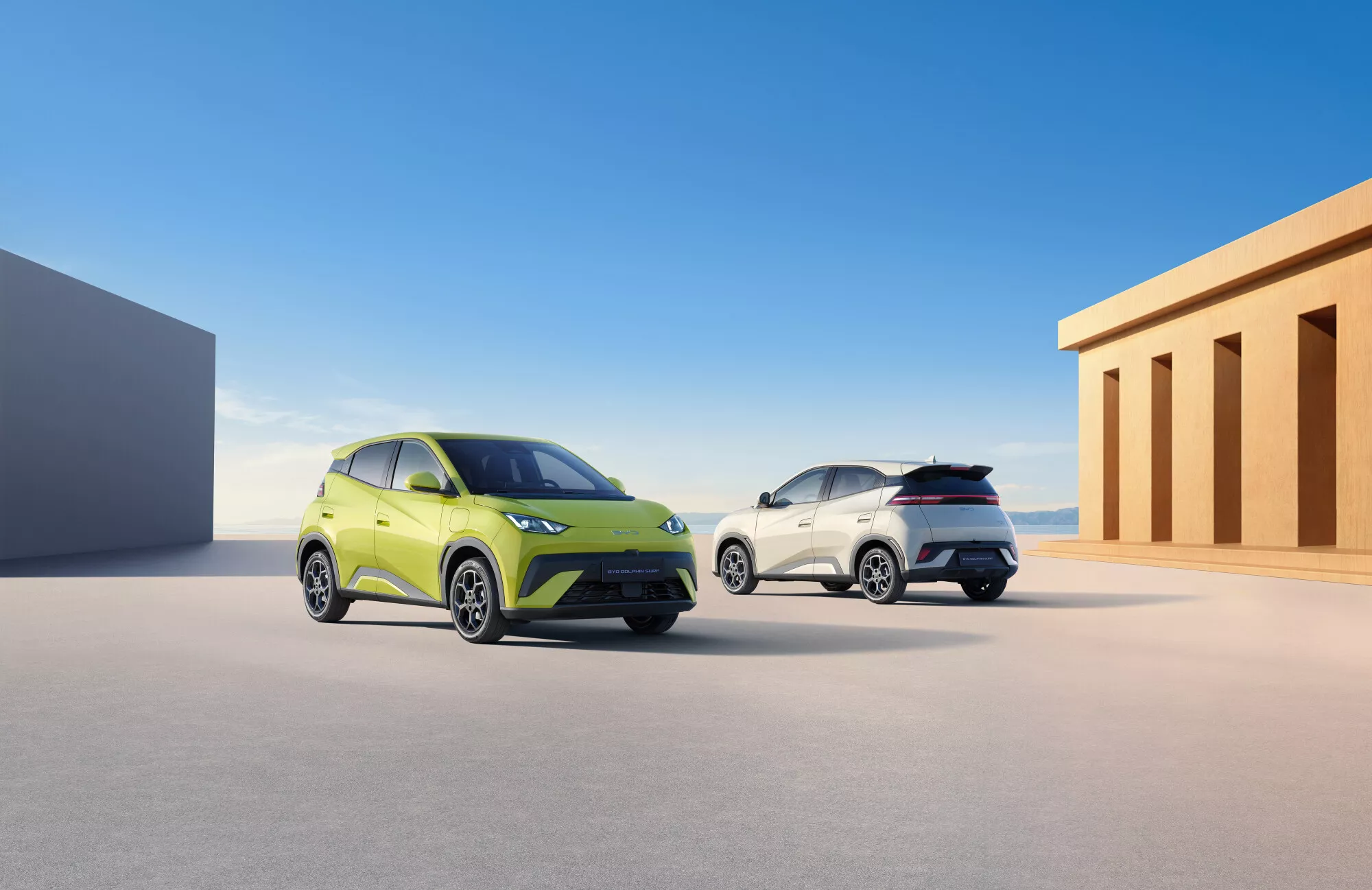
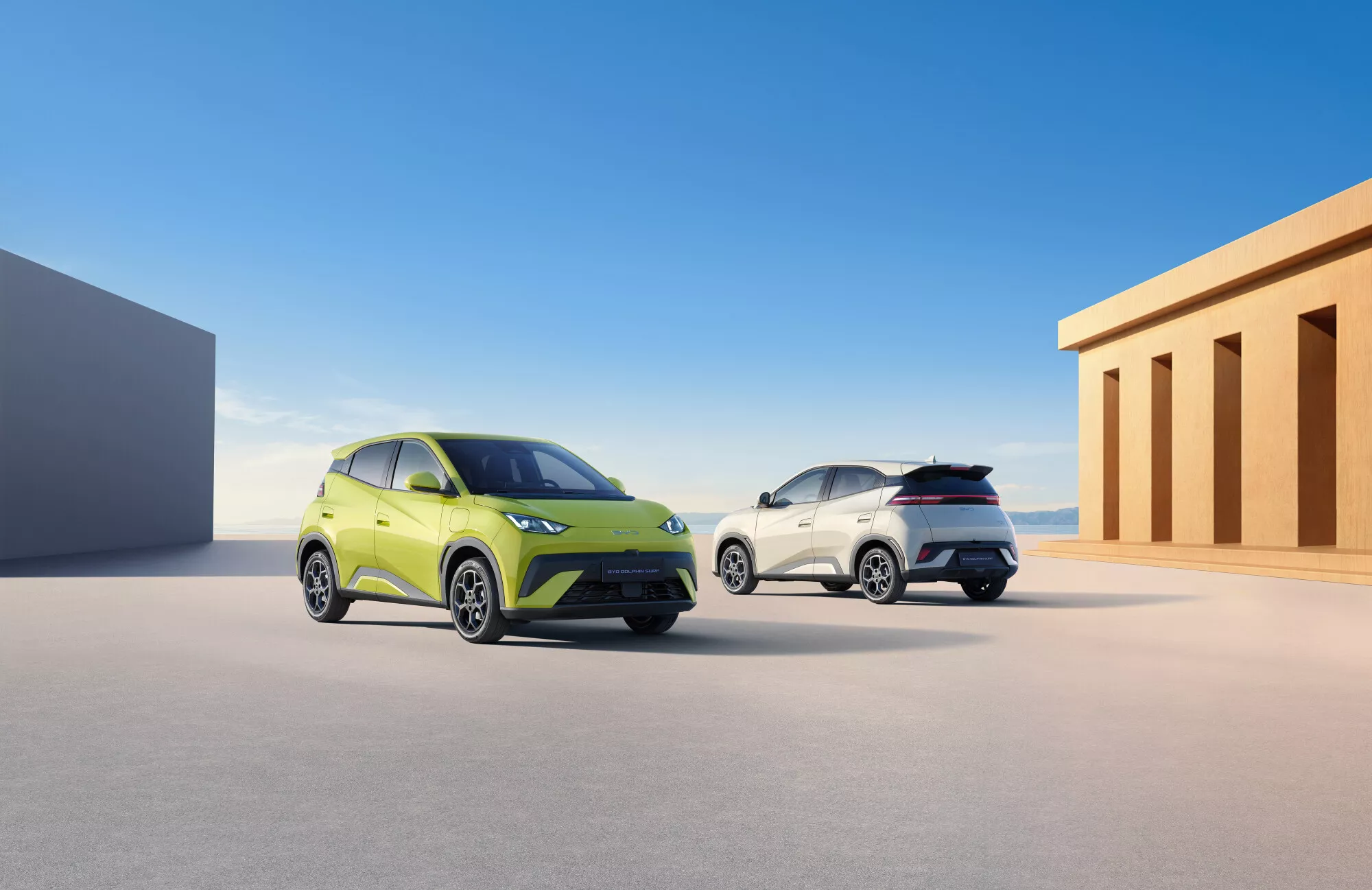
In March 2026 — the first month BYD reported its sales to Naamsa — the Dolphin Surf sold 239 units to become the country’s best-selling battery-electric vehicle by a wide margin.
Second place?
The BYD Atto 3, priced from R699,900, managed just 28 units. The Volvo EX30, priced from R835,500, took third with 19.
This is not a fluke. It is a data point that silences every South African sceptic who said local buyers “just aren’t ready” for EVs. They were ready. They were just waiting for a price that made sense.
In total, 389 EVs were sold in South Africa in March — a new monthly record for local full-electric sales, with BYD the clear leader at 316 fully electric car sales.
Put that number next to the entire previous year:
Naamsa figures show 1,088 BEVs were sold across all of 2025 — and that was before BYD, Geely and Dongfeng were even reporting.
In a single month, BYD’s pure-electric tally alone reached more than a quarter of the entire prior year’s official total. Let that sink in.
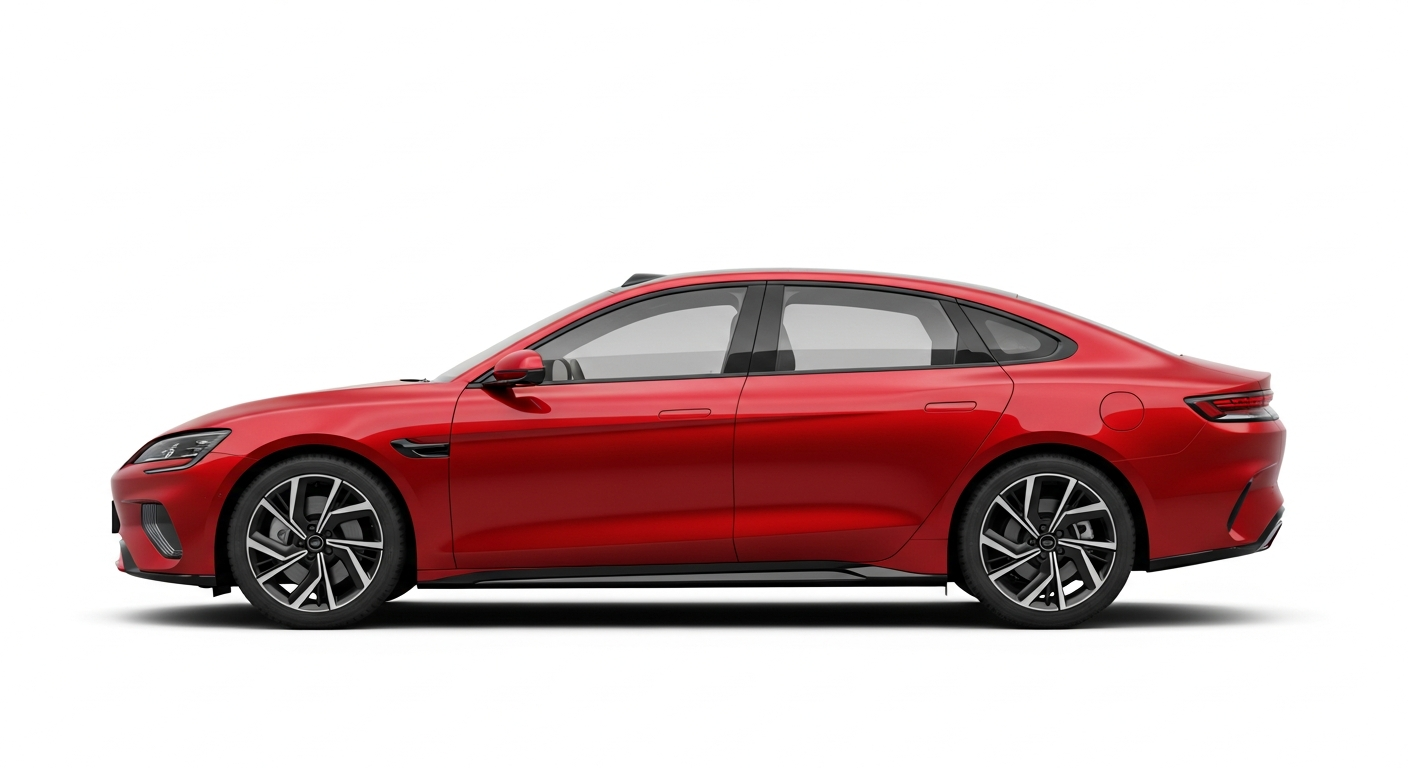
And at the centre of it all is a small, sensible hatchback priced at R341,900. Not a luxury SUV. Not a performance saloon. A city car.
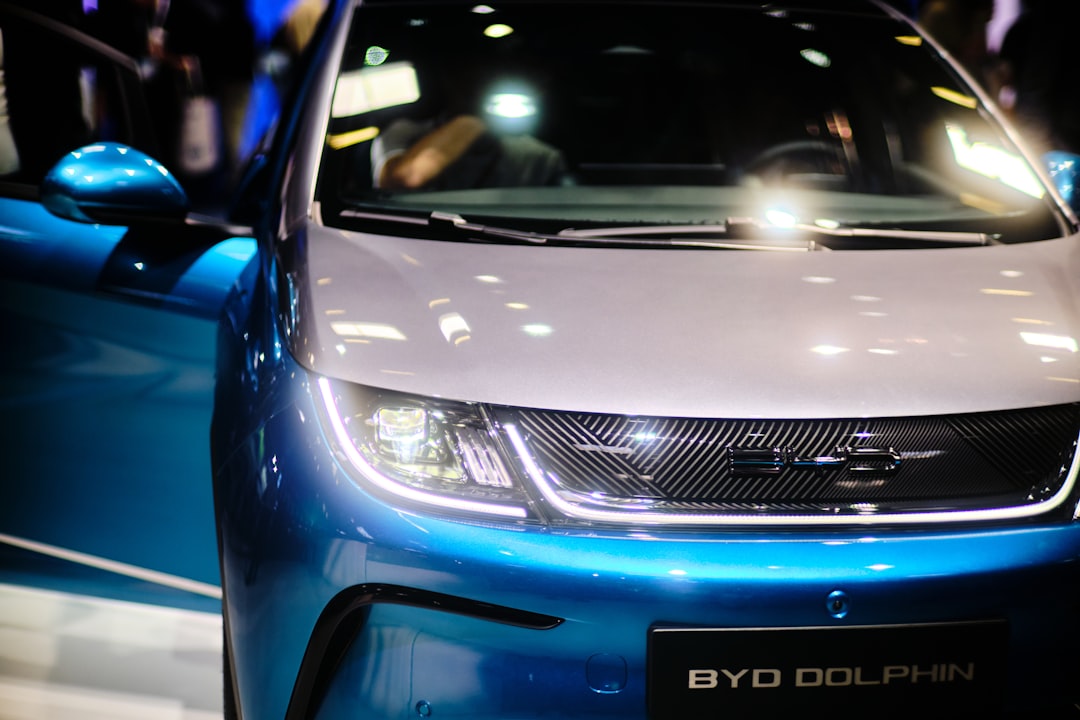
Launched in September 2025, the Dolphin Surf officially took the title of South Africa’s most affordable electric car, utilising BYD’s renowned Blade battery technology. While its performance figures are modest, it offers a refined interior and modern safety features that make it a highly competitive entry point.
That formula — affordable, practical, credible — is exactly what the market was screaming for.
The March 2026 EV Sales Leaderboard
Here is how the full-electric standings broke down in March 2026, based on officially reported Naamsa data:
| Model | Price (from) | March 2026 Sales | Brand |
|---|---|---|---|
| BYD Dolphin Surf | R341,900 | 239 units | BYD |
| BYD Atto 3 | R699,900 | 28 units | BYD |
| Volvo EX30 | R835,500 | 19 units | Volvo |
| BYD Seal | ~R750,000 | 9 units | BYD |
| BYD Sealion 7 | ~R800,000 | 9 units | BYD |
The gap between first and second place is almost comical.
The biggest contributor to BYD’s success is none other than the Dolphin Surf, its most affordable model. The small electric hatchback sold 239 units in March, accounting for 40% of the brand’s total sales.
The Atto 3 — a genuinely good car at R699,900 — sold 28 units. That R358,000 price difference moved 211 fewer cars. Price is everything.
And it is worth remembering that this context-setting moment came with a caveat:
a number of Chinese brands still do not report their sales to Naamsa.
The real EV figures for South Africa are almost certainly higher than what the official data shows.
Why the Dolphin Surf Is Winning: Four Real Reasons
The easy answer is “it’s cheap.” But that is too simple. Plenty of cheap cars exist. What made 239 South Africans hand over the deposit in a single month?
Price psychology is doing the heavy lifting. At R341,900, the Dolphin Surf sits in the same mental bracket as a well-specced Suzuki Fronx or a Toyota Urban Cruiser.
The BYD Dolphin Surf and the new Geely E2 cost almost the same — and the Dolphin Surf was South Africa’s cheapest EV for a few months, until the E2’s arrival.
When you can say “it’s roughly the same as a Fronx, but you never buy petrol again,” the conversation changes.
Petrol prices are doing BYD’s marketing for them.
With diesel heading towards an unheard-of R40 per litre, buyers are being forced to look at alternatives for their daily commute.
The effective cost per kilometre for electricity is around 30% to 50% of petrol or diesel at current prices, according to MyBroadband’s motoring cost analysis.
Run those numbers on a 20,000 km year and the savings are impossible to ignore.
Real-world proof matters.
Moving to an EV after driving only ICE vehicles for 25 years, one would think there would be a period of adaptation — but there was none.
Real owners have been driving Dolphin Surfs since September 2025. By March 2026, there were six months of WhatsApp groups, school run stories, and braai conversations proving the thing actually works in South African conditions. That social proof is priceless.
For one owner, the decision to buy an EV without even seeing it first paid off for a family of five with loads of school and activity runs.
Range suits how South Africans actually drive.
The Dolphin Surf range in SA comes in Comfort and Dynamic trims. The Dynamic version uses a 30 kWh pack and offers a claimed 232 km, while the larger 38.8 kWh battery is rated at a 295 km range.
For a country where the average daily commute sits around 55 km, most Dolphin Surf owners are charging twice a week at most — not every night, and definitely not with range anxiety.
How Much Could You Save With an EV?
Use our free calculator to compare your current fuel costs with EV charging costs.
The Economics That Sealed the Deal
Let’s be honest about the maths a March 2026 buyer actually ran. The Dolphin Surf at R341,900 is not cheap in absolute terms — but it is cheap relative to the running costs it replaces.
Even accounting for Eskom’s upcoming 8.74% electricity price increase, EVs remain considerably cheaper to run than conventional vehicles.
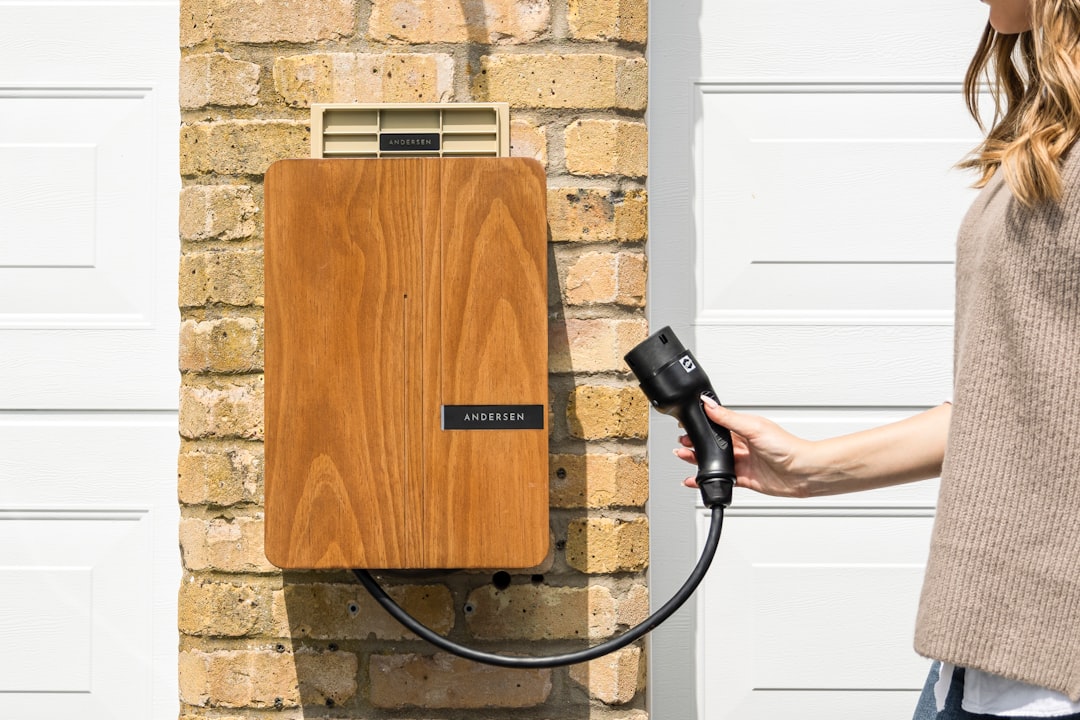
Compare the total cost of ownership against a similarly-priced petrol hatchback. A home charger installation adds roughly R8,000 to R15,000 upfront — get a free home charger installation quote here to see what it would cost in your area. But that is a once-off. The monthly savings are permanent.
Driving an EV using electricity straight from the South African grid equates to roughly half the cost per kilometre compared to a petrol vehicle, or better. Data suggests an average cost per km of fuel ranging from R1.53 to R1.60, compared to an average electricity cost per km of R0.64 to R0.80.
On 20,000 km a year, that is a fuel-saving difference of roughly R17,000 to R19,000 annually — every year, for the life of the car.
On a 20,000 km year, the Dolphin Surf saves you roughly R17,000 to R19,000 in running costs compared to a petrol equivalent. The home charger pays for itself inside 12 months.
Want to calculate your exact savings? Calculate your Dolphin Surf savings vs petrol using our free tool — plug in your annual mileage and current petrol spend to see the full picture.
BYD provides a standard 5-year/100,000 km vehicle warranty across its range. Crucially for EV and PHEV buyers, the Blade power battery carries a separate 8-year/150,000 km warranty.
That battery warranty alone removes the single biggest financial risk South Africans associate with EVs. No nasty R150,000 battery replacement bill lurking at year seven.
BYD’s Bigger Picture: 589 Units, Ranked 21st Overall
The Dolphin Surf number is the headline, but BYD’s overall March 2026 performance deserves its own paragraph.
According to figures submitted to Naamsa, BYD Auto — which officially launched in South Africa in mid-2023 — registered a total of 589 units in March 2026.
For the past three years, the Chinese carmaker had kept its official sales numbers under wraps.
Until now.
BYD’s PHEVs are also quite popular. The second-best seller was the Sealion 6 with 130 units, followed by the Shark with 94 units, and the Sealion 5 with 72. The Atto 3 sold 28 examples, and the Seal and Sealion 7 sold 9 units each. The Dolphin Surf accounted for 239 of BYD’s 316 pure-EV sales.
The brand is clearly not a one-trick pony. It has a PHEV bakkie that is shifting serious metal, and a PHEV SUV that fleet buyers are snapping up. But the pure-EV story belongs entirely to the Dolphin Surf.
Here is the competitive context that makes this really striking:
BYD registered 589 units for March 2026, which is impressive as an NEV brand, considering a more established brand like Mercedes-Benz sold a total of 595 units in the same period.
This placed BYD above legacy brands like Honda, Mitsubishi, Mazda, Volvo, and Subaru. This was made more impressive by the fact that BYD does not sell any traditional petrol- or diesel-only vehicles in SA, choosing instead to focus on hybrid and full EV models.
Think about that for a second. A brand that has been in South Africa for three years, selling only electric and hybrid vehicles, outselling Honda and Mazda. The Chinese brands are not coming. They are here.
Ready to Install a Home Charger?
Get a free, no-obligation quote for professional EV charger installation in South Africa.
What This Means for the SA EV Market
March 2026 is a before-and-after moment for South Africa’s EV narrative. The sceptics had a decent argument for years: South Africans talk about EVs but do not buy them.
EV adoption in South Africa has been slow despite a growing number of battery-powered models arriving in recent years. Early offerings were largely premium vehicles aimed at affluent early adopters, while high import duties and a lack of affordable entry-level options kept volumes low.
That argument is now retired.
It has been a long-standing argument that more South African consumers would migrate to battery electric vehicles once more affordable options became available — most notably under the R400,000 mark. The last few months have seen the arrival of a number of Chinese EVs under or close to that price point, with more to come.
Autotrader South Africa CEO George Mienie revealed that search queries for fully electric models on the platform increased by 45% month-on-month, with EV sales growing by 10% over the same period.
Mienie believes the country has reached a tipping point, drawing comparisons to Europe’s first significant EV surge following the start of the Russia-Ukraine war in 2022, as reported by BusinessTech.
When fuel prices spike, people do the maths. And the maths now clearly favours electric.
There is also the competitive pressure that will accelerate adoption further.
The BYD Dolphin Surf was South Africa’s cheapest EV for a few months, until the arrival of the Geely E2 that has now claimed the title.
Geely’s E2 takes the top spot as SA’s most affordable EV, arriving in mid-April 2026 at R339,900, using a single electric motor powered by a 39.4 kWh lithium-iron phosphate battery, producing 85 kW and 150 Nm.
That R2,000 price difference between the two is essentially nothing — but it signals that competition is fierce and prices will keep falling.
And it does not stop there.
There may soon be three new EV models priced under R400,000 in the local market, which is a significant shift in a market dominated by expensive, premium EVs until very recently.
Chery’s electric Q model is reportedly on its way. This sub-R400K segment is about to become a proper battleground.
Home Charger Demand Is Following the Sales Curve
Every Dolphin Surf delivered is — or should be — a home charger installation. That is not a given in South Africa, where sectional title living and Eskom anxiety complicate the picture. But the queries are surging.
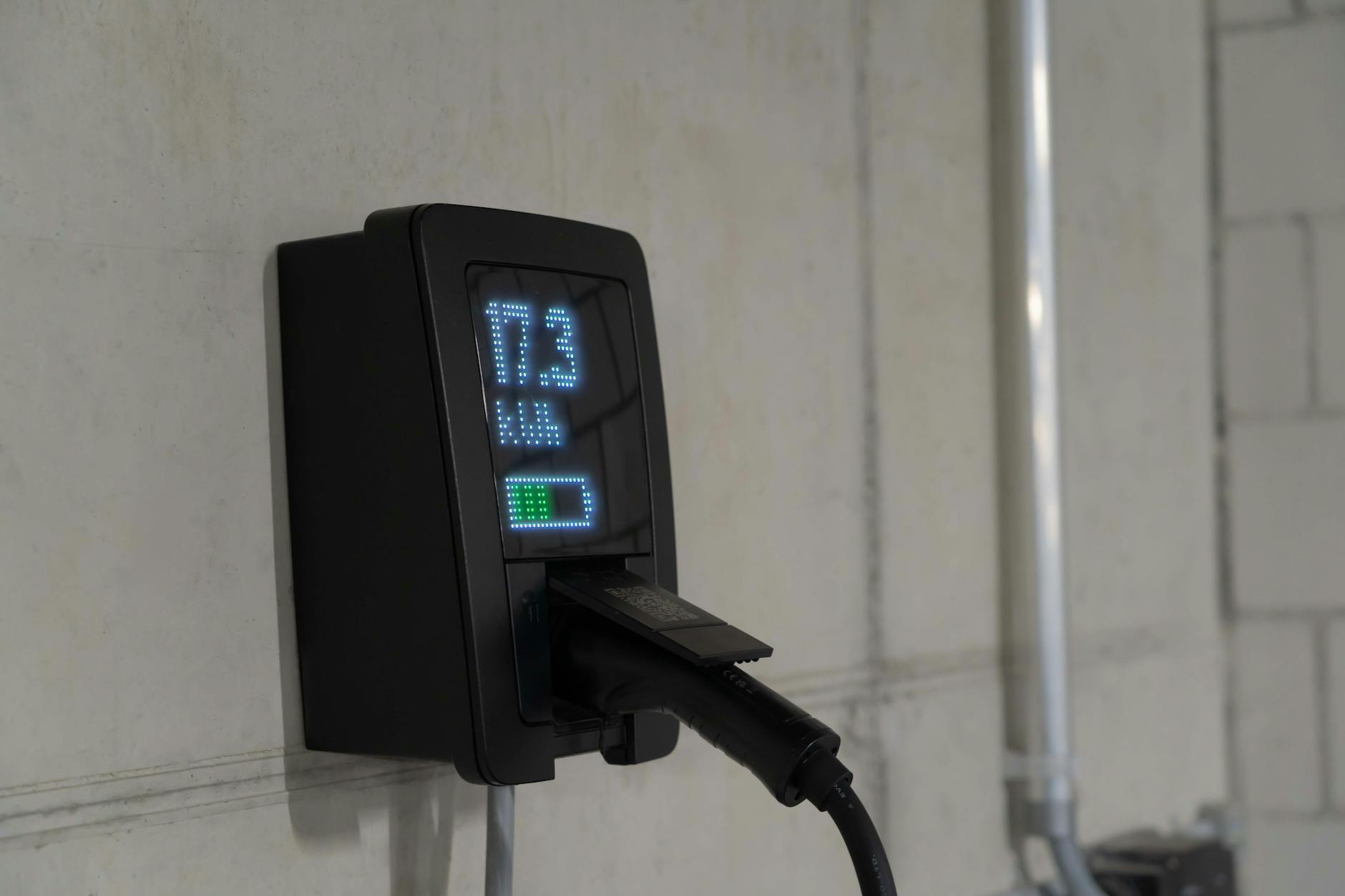
The most common questions we are seeing from new Dolphin Surf owners: Does my body corporate need to approve a charger installation? (Yes, if you are in a sectional title scheme — and the good news is that the law is increasingly on owners’ sides.) How long does installation take? Typically one to two days once approved and materials are on site. And what does it cost? Get a free installation quote for your specific property — pricing varies based on your DB board, cable runs, and whether you want a 7.4 kW or 11 kW wallbox. Budget R8,000 to R15,000 for most suburban homes in Johannesburg or Cape Town.
The timing question matters too.
Electricity prices are less volatile than petrol, with adjustments made annually rather than monthly.
That predictability is a genuine financial planning advantage — especially for anyone who has watched their petrol budget swing by R500 in a single month. If you are on a City of Cape Town tariff with off-peak rates, you are charging at a fraction of the standard rate. Find public charging stations near you for those days when you are away from home and need a top-up on the road.
If you are shopping between the Dolphin Surf and the new Geely E2, our detailed comparison breaks down the specs, real-world range, warranty terms, and total cost of ownership side by side — check out our BYD Dolphin Surf vs Geely E2 full comparison before you sign anything.
Find Charging Stations Near You
Explore our live map of EV charging stations across South Africa — updated in real time.
The Verdict: March 2026 Is the Month SA’s EV Market Became Real
For years, the conversation about EVs in South Africa was theoretical. Analysts published projections. Manufacturers made promises. Load-shedding complicated the narrative. And then a small Chinese hatchback with a 30 kWh battery and a R341,900 price tag walked into the showroom and made 239 people open their wallets in a single month.
BYD’s March sales numbers proved there is appetite for cheaper EVs in South Africa.
The question now is not whether South Africans will buy EVs. That question is answered. The question is how quickly the infrastructure, the competition, and the charging ecosystem can keep up with demand that is arriving faster than anyone predicted.
BYD’s own charging ambitions are enormous.
In October 2025, BYD announced a massive rollout of its Super e-Platform fast-charge EV chargers across South Africa, starting with 200 to 300 chargers in 2026. The new charging stations are capable of BYD’s Megawatt Flash Charging, which boosts compatible EVs by 2 kilometres per 1 second of charging, and can recharge up to 400 kilometres in just 5 minutes.
That kind of infrastructure confidence from a manufacturer says everything about how serious they are about the South African long game.
And looking ahead,
later in 2026, BYD is expected to launch the Atto 2 and Sealion 8, while its Denza sub-brand is also on the cards for a local introduction.
More models, more price points, more competition. If you have been sitting on the fence about going electric, the fence is getting considerably less comfortable.
The sceptics said South Africans would not buy EVs. March 2026 says otherwise — loudly, 239 times over.
FAQ
Is the BYD Dolphin Surf really South Africa’s best-selling EV?
Yes. Thanks to its price tag, the Dolphin Surf proved popular for BYD’s local arm, with 239 new units leaving showrooms in March 2026, making it the best-selling EV in SA for the month.
The second-placed BYD Atto 3 sold just 28 units in the same period — less than 12% of the Dolphin Surf’s total.
Why did 239 people buy a Dolphin Surf in March 2026?
Three forces converged: a sub-R350,000 price point that competes directly with petrol hatchbacks, surging fuel prices that made the running-cost maths undeniable, and six months of real-world South African owner experience that removed the fear factor.
At R341,900, the Surf is the cheapest EV in the country — so it’s not surprising to see that affordability has been the biggest hurdle to EV adoption up to now.
How much does it cost to charge a Dolphin Surf at home?
Data suggests an average electricity cost per km of R0.64 to R0.80 for an EV.
On a 20,000 km year, that works out to roughly R12,800 to R16,000 in total electricity — compared to R30,000 to R32,000 in petrol for an equivalent ICE car. A home wallbox installation typically costs R8,000 to R15,000. Use our EV calculator to run the numbers for your specific situation.
Is the Dolphin Surf better than the new Geely E2?
The Geely E2 punches substantially higher than the BYD Dolphin Surf on range, and has the Dolphin Surf beat on service and warranty offerings.
However, the Dolphin Surf has six months of proven SA road history and a wider dealer network. For a detailed breakdown, read our full Dolphin Surf vs Geely E2 comparison at chargepointsa.co.za.
Do I need a home charger if I buy a Dolphin Surf?
Technically no — you can use public chargers exclusively. But practically, home charging is where the economics work best. Overnight charging on standard household current is slower but perfectly adequate for most daily commutes. If you live in a freehold home, installation is straightforward. Sectional title residents need body corporate approval, but approval is increasingly routine. Get a free installation quote to understand costs for your specific property, and check the live charging map to see what public infrastructure is already near you.
Continue Reading