
eThekwini Municipality’s electricity tariff of R2.50–R3.80 per kWh makes Durban one of the cheapest cities in South Africa to run an electric vehicle — and when you factor in the coastal climate that keeps battery range consistent year-round, KwaZulu-Natal is quietly becoming the country’s best EV market outside Gauteng.
Below are ten verified reasons why Durban drivers are switching to EVs in 2026, backed by actual eThekwini electricity rates, GridCars charging locations, and real-world range data for the city’s most common routes.
1. Your Daily Durban Driving is Perfect for EVs
Real Durban Distances (All Well Within EV Range)
Most modern EVs have 300–450 km range. Here are actual Durban commutes:
| Route | Distance | EV Battery Used |
|---|---|---|
| Durban CBD to Umhlanga | 17 km | ~3–4% |
| Durban to Ballito | 45 km | ~9–10% |
| Durban to Pietermaritzburg | 80 km | ~16–18% |
| Westville to Gateway | 20 km | ~4–5% |
| Durban to uShaka Marine World | 5 km | ~1% |
A typical Durban commuter drives 30–50 km daily. That’s only 6–10% of an EV’s battery. You’ll charge once per week, not daily.
See exactly how much you’ll save switching to an EV for your specific Durban driving patterns. Use our EV Cost Calculator with eThekwini electricity rates.
2. Massive Cost Savings with Home Charging
Real eThekwini Electricity Rates (2025–2026)
eThekwini Municipality electricity costs approximately R2.50–R3.80 per kWh depending on your tariff and usage tier (rates updated for 2025–2026 projections). Compare this to petrol:
| Monthly Distance | Petrol Car (R25/L, 8L/100km) | EV (eThekwini rates, 18kWh/100km) | Monthly Savings |
|---|---|---|---|
| 500 km | R1,000 | R225–R342 | R658–R775 |
| 1,000 km | R2,000 | R450–R684 | R1,316–R1,550 |
| 1,500 km | R3,000 | R675–R1,026 | R1,974–R2,325 |
| 2,000 km | R4,000 | R900–R1,368 | R2,632–R3,100 |
Annual savings for typical 1,200 km/month Durban commuter: R15,792–R18,600
That’s a vacation to Mauritius every year, paid for by your fuel savings alone.
3. Durban’s Coastal Climate is Perfect for EVs
No Extreme Temperatures
Durban’s mild coastal climate (average 16–28°C year-round) is ideal for EV batteries, according to US Department of Energy research on EV battery performance:
- No winter battery degradation: Unlike Johannesburg’s cold winters (-2°C), Durban stays mild
- No summer overheating: Sea breeze keeps temperatures moderate vs inland heat
- Optimal battery lifespan: Consistent temperatures extend battery life 15–20% vs extreme climates
- Reliable range: Your 400 km range stays 400 km, not 320 km like in Johannesburg winter
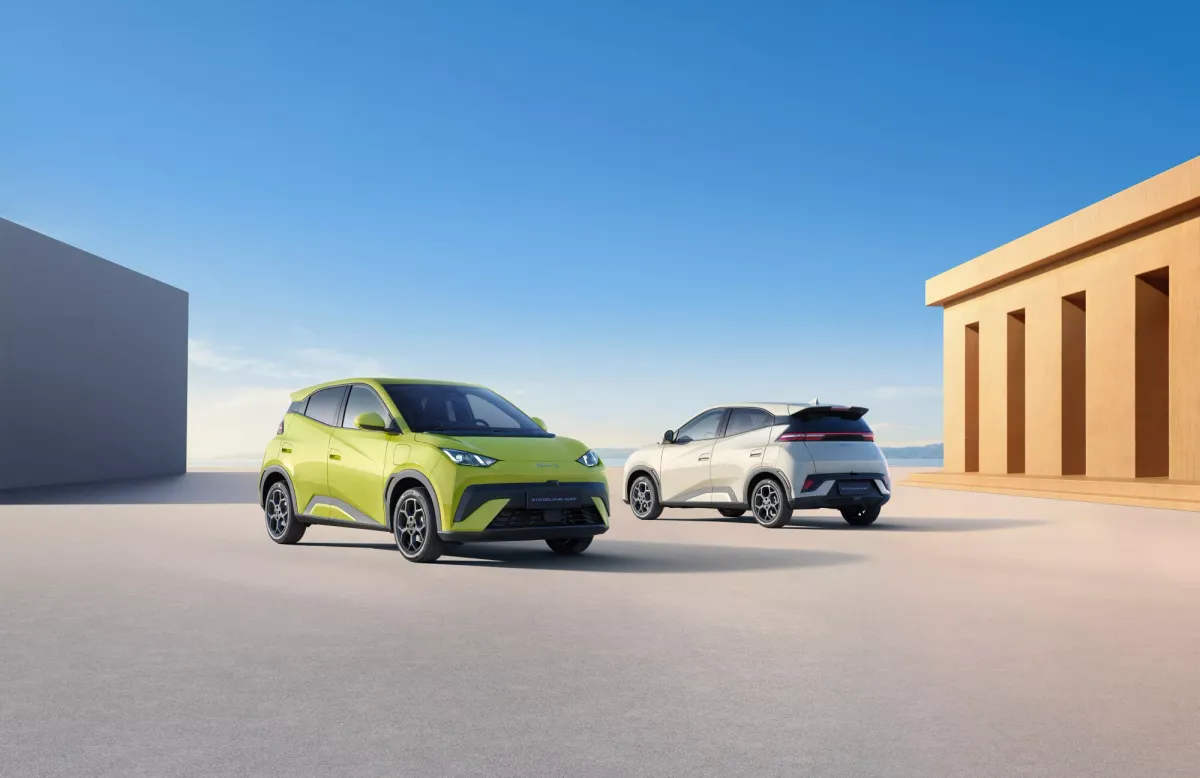
A BYD Atto 3’s 410 km range remains consistent year-round in Durban, while Joburg drivers lose 60–80 km in winter.
4. Growing Charging Infrastructure in Durban
Real Charging Locations (GridCars Network)
GridCars operates South Africa’s largest EV charging network, with multiple Durban locations according to GridCars’ official network map:
Confirmed Durban Charging Stations:
- Gateway Theatre of Shopping (Umhlanga) – 7 kW AC chargers
- The Pavilion Shopping Centre – 7 kW AC chargers
- La Lucia Mall – 7 kW AC chargers
- Ballito Junction – 7 kW AC chargers
- Sibaya Casino & Entertainment Kingdom – 7 kW AC chargers
Most Durban EV owners charge primarily at home. Public chargers are backup, not primary. Check real-time availability on our Live EV Charging Map to plan trips with confidence.
5. Home Charging Means Never Visiting a “Petrol Station”
The Real EV Lifestyle
Forget everything you know about refuelling:
Petrol Car Reality:
- Weekly trips to petrol station
- 10–15 minute stops
- Often inconvenient times (running late, bad weather)
- Queues during peak times
- Annual time wasted: ~9 hours
EV Reality in Durban:
- Plug in when you get home (30 seconds)
- Car charges overnight while you sleep
- Wake up to full “tank” every morning
- Never stop for fuel again
- Annual time saved: 9 hours
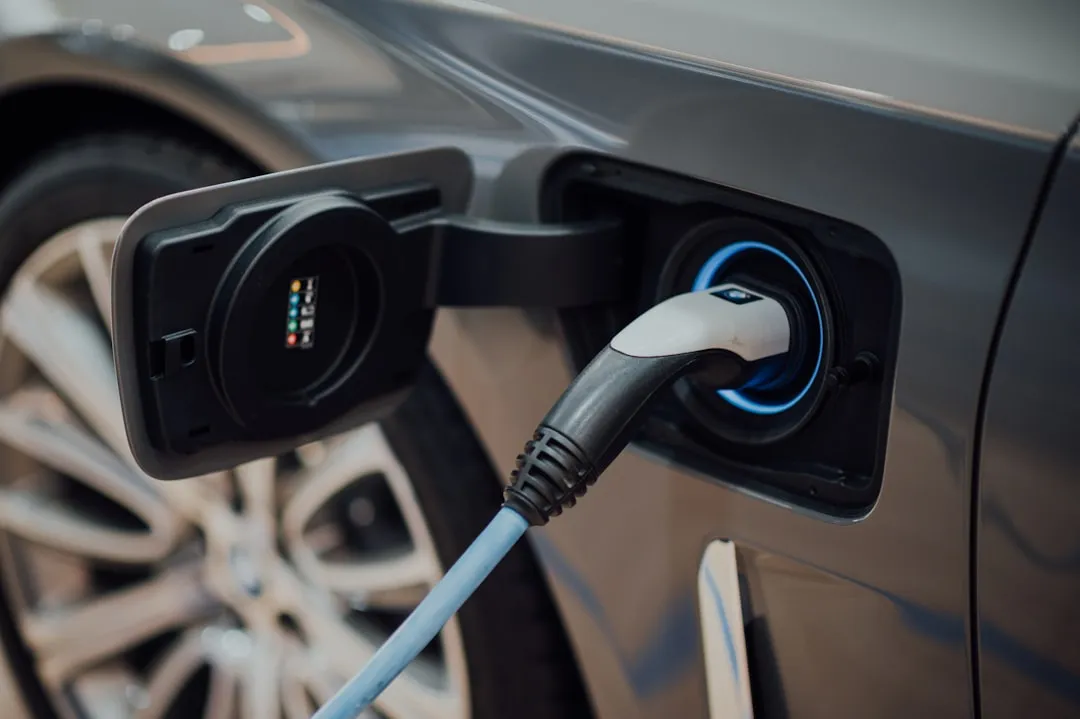
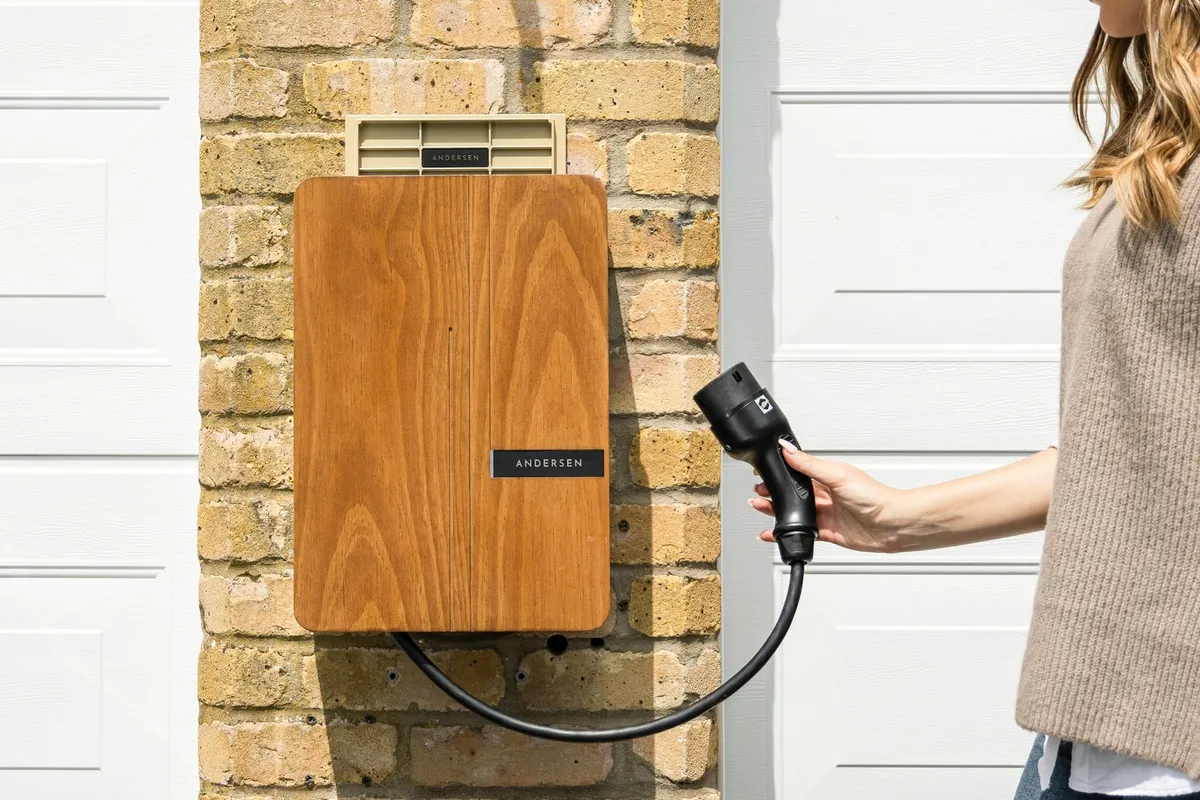
Home charger installation: R12,000–R18,000 for complete setup by ChargePoint SA. Pays for itself in 8–14 months through fuel savings.
Get your EV charger installed in Durban by certified professionals. Request a quote from ChargePoint SA – installation completed within 1 week in most cases.
6. Perfect for Durban’s Coastal Lifestyle
Your Weekend Trips Are Covered
Popular Durban Weekend Destinations (All Easy in EVs):
- North Coast beaches (Ballito, Umdloti): 35–45 km – Uses ~8–10% battery
- South Coast (Amanzimtoti, Scottburgh): 25–55 km – Uses ~5–12% battery
- Midlands (Howick, Karkloof): 90 km – Uses ~18–20% battery
- Drakensberg day trip: 180 km – Uses ~36–40% battery (round trip 72–80%)
All typical Durban weekend trips use less than one full charge. You’ll return home with battery to spare.
7. Lower Maintenance Costs Than Petrol Cars
What EVs Don’t Have
Electric vehicles eliminate most expensive petrol car maintenance:
| Petrol Car Maintenance | Annual Cost | EV Equivalent |
|---|---|---|
| Oil changes (2–3x yearly) | R2,500–R4,000 | R0 (no oil) |
| Transmission service | R3,000–R5,000 | R0 (no transmission) |
| Spark plugs, filters, belts | R1,500–R3,000 | R0 (don’t exist) |
| Exhaust system repairs | R2,000–R8,000 | R0 (no exhaust) |
| Clutch replacement (manual) | R8,000–R15,000 | R0 (no clutch) |
| Total Annual | R7,000–R15,000 | R1,500–R3,000 |
EV maintenance in Durban: Tyre rotations, brake fluid, cabin filter. That’s it.
5-year savings on maintenance alone: R27,500–R60,000
8. Durban’s Traffic Makes EVs Even Better
Regenerative Braking Advantage
Durban’s stop-start traffic (M4, N2, Umgeni Road congestion) becomes an advantage with EVs:
- Regenerative braking: Converts stopping energy back into battery charge
- Brake wear reduction: 50–70% less than petrol cars (brake pads last 100,000+ km)
- Range extension: Heavy traffic actually improves efficiency vs motorway driving
- One-pedal driving: Lift off accelerator to slow down – smoother, easier driving
M4 commute from Umhlanga to CBD: petrol car wastes fuel idling, EV recovers energy through regen braking.
9. Future-Proof Your Transport Costs
Petrol Prices Keep Rising
Petrol price trend in South Africa (according to Department of Mineral Resources and Energy data):
- 2020: R15.00/L average
- 2022: R21.00/L average
- 2024: R23.00/L average
- 2025: R25.00/L+ expected
Electricity price trend (eThekwini):
- More stable than petrol
- Can be offset with solar panels (Durban’s sunshine perfect for this)
- No international oil price volatility
5-year projection: Petrol car owner will spend R120,000–R240,000 on fuel. EV owner: R27,000–R41,040 on electricity. Savings: R78,960–R213,000
10. Environmental Benefits (Cleaner Air for Durban)
Real Impact on Air Quality
Durban’s air quality challenges (industrial emissions, traffic) make EVs especially important, according to World Health Organization data on vehicle emissions:
- Zero local emissions: No exhaust fumes in CBD, residential areas
- Particulate reduction: EVs eliminate PM2.5 and PM10 from traffic
- Noise reduction: Quieter streets, especially near schools and hospitals
- Coastal protection: Reduced emissions help protect Durban’s beaches and marine life
Per vehicle annual reduction:
- ~4 tonnes of CO₂ emissions eliminated
- Equivalent to planting 180 trees
- Direct improvement to Durban’s coastal air quality
Addressing Range Anxiety in Durban
The Numbers Don’t Lie
Average Durban driver: 30–50 km daily
Most affordable EV range (BYD Atto 3): 410 km
Days between charges: 8–13 days
Range anxiety is common before purchase. After 1 month of EV ownership, Durban drivers typically realise they have more range than needed for daily use.
Even long trips are covered:
- Durban to Johannesburg: 570 km (charge once in Harrismith)
- Durban to Cape Town: 1,600 km (3–4 charging stops total)
- Durban to Kruger Park: 450 km (charge once in Ermelo)
Real Durban EV Ownership Experience
Typical Week
Monday–Friday:
- Daily commute: Westville to Umhlanga (40 km round trip)
- Weekly total: 200 km
- Battery used: 40% of 410 km battery
- Charging: None needed
Saturday:
- Trip to Ballito for lunch: 90 km round trip
- Running total: 290 km (71% battery used)
- Charging: Plug in Saturday night
Sunday Morning:
- Wake up: 100% battery (410 km available)
- Cost to charge: R18.45–R28.04 (eThekwini rates, 2025–2026)
- Equivalent petrol cost: R58.00
- Savings this week: R29.96–R39.55
Convenience level: No petrol station visits needed. Charged once, while sleeping. Total effort: 30 seconds to plug in.
Common Misconceptions About EVs in Durban
Myth vs Reality
Myth: “Load-shedding makes EVs impossible”
Reality: With home charging, you control when you charge. Charge between load-shedding schedules (4–5 hours to full charge). Most Durban EV owners charge overnight when outages are less frequent.
Myth: “EVs are too expensive”
Reality: BYD Atto 3 starts at approximately R768,000 (2025 pricing). With fuel savings (R1,300/month) + maintenance savings (R800/month), you save R2,100/month. That’s R25,200 annually – the extra cost vs comparable petrol SUV is recovered in 4–5 years.
Myth: “I need to charge at public stations”
Reality: Most charging happens at home. Public stations are backup for road trips only. In Durban, you’ll charge at home the vast majority of the time.
Myth: “Batteries won’t last”
Reality: Modern EV batteries are warranted for 8 years/160,000 km minimum. Real-world data shows batteries retain 85–90% capacity after 200,000 km. In Durban’s mild climate, batteries last even longer.
Getting Started with EVs in Durban
Step 1: Calculate Your Actual Savings
Use our EV Cost Calculator with your specific Durban driving patterns and eThekwini electricity rates. See exactly how much you’ll save monthly and annually.
Step 2: Install Home Charging
Before buying your EV, get home charging installed:
- Cost: R12,000–R18,000 complete installation
- Time: 1 week typical (ChargePoint SA)
- Requirements: Dedicated parking, access to DB board
- ROI: 8–14 months through fuel savings
Request installation quote from ChargePoint SA – serving Durban and KZN.
Step 3: Choose Your EV
Popular EVs for Durban driving (2025):
- BYD Atto 3: ~R768,000 – 410 km range (most popular)
- BYD Dolphin: R519,900 – 427 km range (best value)
- GWM Ora: R499,900 – 310 km range (budget option)
- Volvo EX30: R749,900 – 344 km range (premium quality)
Step 4: Explore Charging Options
Check real-time charging station availability across South Africa with our Live EV Charging Map – find GridCars and other network locations in Durban and plan road trips with confidence.
Final Thoughts: Why Durban is Perfect for EV Ownership
Durban combines everything that makes EV ownership successful:
- Short daily distances: 30–50 km typical (well within any EV range)
- Mild coastal climate: No extreme temperatures affecting battery
- Growing infrastructure: GridCars network expanding
- Significant cost savings: R15,000–R18,000 annually vs petrol
- Lower maintenance: R7,000–R15,000 annual savings
- Coastal lifestyle: All beach and weekend trips easily covered
- Environmental benefit: Cleaner air for Durban’s beaches and residents
- Home charging convenience: Never visit petrol station again
If you drive in Durban, an EV isn’t just practical – it’s the smarter financial choice that also improves your quality of life.
Range anxiety is common before purchase. The reality of EV ownership in Durban is: you’ll have more range than you need, spend less money than you expect, and wonder why you didn’t switch sooner.
Calculate your savings with our EV Cost Calculator, explore charging locations on our Live EV Charging Map, then get your home charger installed by ChargePoint SA. Join thousands of Durban drivers already enjoying the EV advantage.