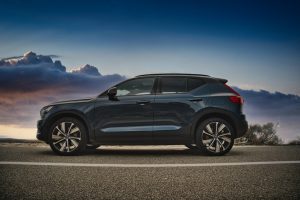
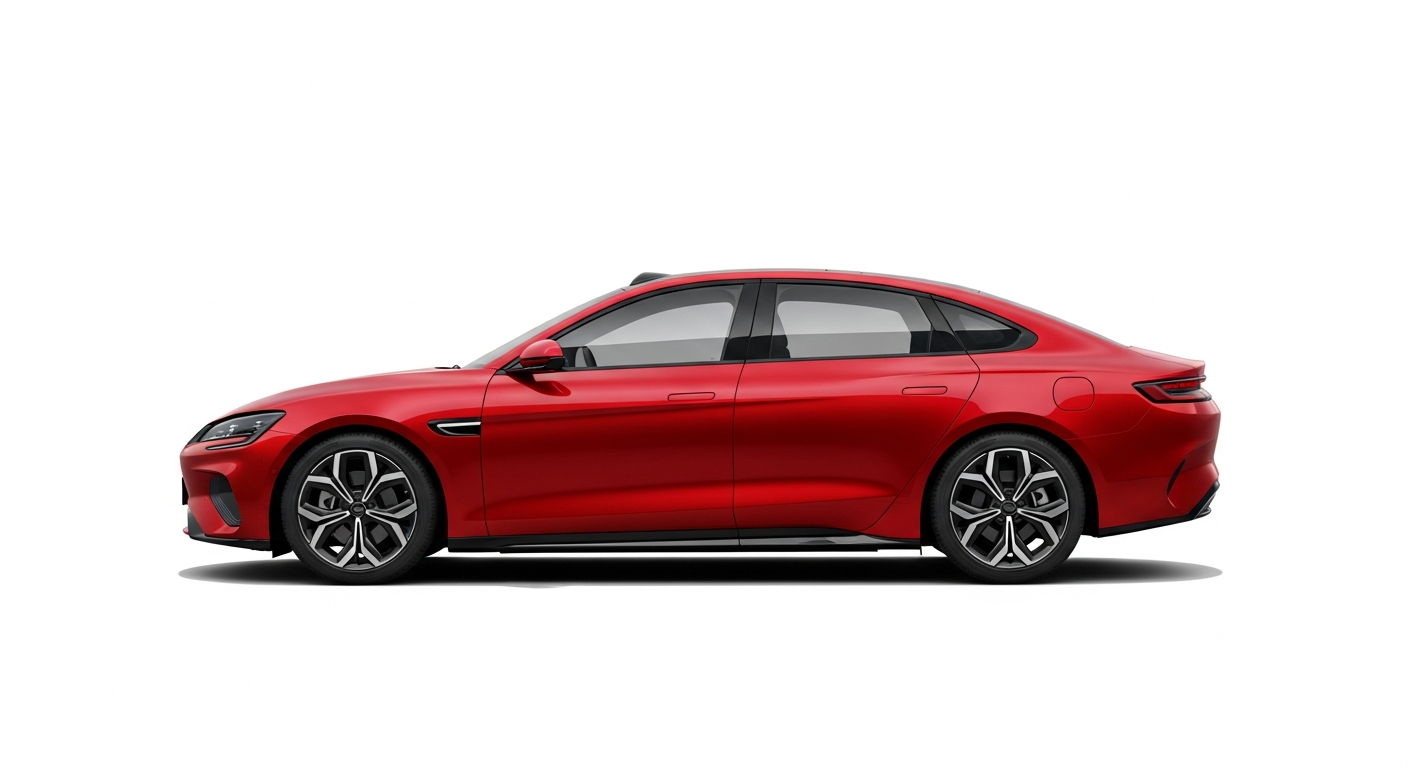
Geely E2 Launches as SA’s Most Affordable EV
On 14–15 April 2026, Geely launched the E2 at R339,900 — exactly R2,000 cheaper than the BYD Dolphin Surf’s current retail price of R341,900, which held the “most affordable EV” title since September 2025. The timing couldn’t be sharper: petrol hit R23.36 per litre on 1 April (after a temporary R3/L government levy cut), diesel climbed to R26.11/L wholesale, and AutoTrader recorded a 45% spike in EV search queries in March alone.
The Geely E2 was China’s best-selling vehicle in 2025. Now it’s landed in South Africa with 32 dealerships (expanding to 40 by year-end), a 325 km WLTP range, and a bundled wallbox charger plus R7,500 charging voucher for Geely Finance customers. This isn’t just another model launch — it’s the opening salvo in a price war that could finally make EVs accessible to the South African middle class.
How We Got Here: SA’s EV Market in 2026
Electric vehicles represented less than 1% of South Africa’s new car sales for years. In the first eleven months of 2024, only 1,179 battery-electric vehicles found buyers — a 0.23% market share. But 2025 marked a turning point: 16,716 fully electric or hybrid vehicles were sold, and overall new vehicle sales hit 596,818 units (up 15.7% year-on-year), the strongest performance in over a decade.
The shift accelerated in early 2026. March alone saw 58,060 new vehicles sold domestically — the best March figures since 2007, up 17.3% year-on-year. Chinese brands drove much of this growth, particularly in the sub-R500,000 segment where petrol hatchbacks have traditionally dominated.
Two policy moves set the stage. First, a 150% tax deduction for EV and hydrogen vehicle manufacturing took effect on 1 March 2026, running until 1 March 2036, with R964 million allocated over the medium term. Second, municipal authorities began serious infrastructure investment: City Power’s R14 million Booysens charging hub opened 24 March with 20 charging points, 250 kW solar PV, and 600 kWh battery storage. For the first time, South Africa’s EV ecosystem — vehicles, incentives, and charging — aligned.
The Numbers: How Cheap Can EVs Go?
Eighteen months ago, the most affordable EV in South Africa was the Dayun S5 at R399,900. Then BYD’s Dolphin Surf arrived in September 2025 at R339,900. The initial launch price was adjusted upward to R341,900 in early 2026 to reflect rand-dollar exchange rate fluctuations and import duty changes — a rare price increase in a market trending downward, but one driven by currency volatility rather than market positioning. Now Geely has claimed the crown at R339,900. Here’s the current entry-level landscape:
| Model | Price (ZAR) | Range (WLTP) | Battery | DC Fast Charge (30–80%) |
|---|---|---|---|---|
| Geely E2 Aspire | R339,900 | 325 km | 39.4 kWh LFP | 25 minutes |
| BYD Dolphin Surf Dynamic | R341,900 | ~340 km | 44.9 kWh LFP | ~30 minutes |
| Geely E2 Apex | R389,900 | 325 km | 39.4 kWh LFP | 25 minutes |
| Dayun S5 | R399,900 | ~300 km | ~40 kWh | Figures vary |
| Dongfeng Box | R460,000 | ~310 km | ~42 kWh | Figures vary |
The Geely E2 uses a 39.4 kWh lithium iron phosphate (LFP) battery and 85 kW motor, with a 6.5-hour home charge time on AC. Both trims (Aspire and Apex) share the same powertrain; the R50,000 premium for Apex buys upgraded interior trim, larger infotainment, and additional driver-assistance features.
BYD still holds the sales crown. In March 2026, the Dolphin Surf sold 239 units — 40.5% of BYD’s total South African sales that month — and outsold petrol competitors like the Honda Fit and Kia Picanto in the compact hatchback segment. That’s the first time an EV has beaten internal-combustion rivals in a mainstream category in South Africa.
Fuel Prices: The Elephant in the Showroom
On 1 April 2026, petrol increased by R3.06 per litre and diesel by R7.37–R7.51 per litre. Brent crude oil surged from $69.08 to $93.67 USD in March due to the US-Iran conflict and disruptions in the Strait of Hormuz. Without intervention, inland 95 Unleaded would have hit R26.42/L. The government applied a temporary R3 per litre fuel levy cut, effective until 5 May 2026, bringing the actual pump price to R23.36/L — still a R3.06/L increase from the March baseline of R20.30/L, but softer than it could have been. Diesel sits at R26.11/L wholesale in Gauteng even after the levy relief.
For context: a petrol hatchback averaging 6 litres per 100 km now costs roughly R1.40 per kilometre to run. An EV charged at home (assuming R2.50/kWh municipal electricity and 15 kWh/100 km consumption) costs about R0.38 per kilometre. That’s a 73% saving on fuel alone — before factoring in lower maintenance costs (no oil changes, fewer brake replacements thanks to regenerative braking).
If the fuel levy cut expires on 5 May without extension, petrol could breach R26–27 per litre. Diesel users — including taxi operators — have already warned of fare increases. The fuel crisis isn’t just an economic headline; it’s the structural force making EVs financially rational for urban commuters.
What Automakers, Government, and Installers Are Saying
Automakers: The Gloves Are Off
Geely returned to South Africa in November 2025 after a decade-long absence. The brand now operates 32 dealerships and plans to expand to 40 by year-end, targeting 13,000 unit sales in 2026 (excluding Volvo, which Geely owns). The E2’s R2,000 undercut of BYD is no accident — it’s a declaration that Geely intends to own the budget EV segment.
BYD hasn’t responded publicly, but the Dolphin Surf’s March sales (239 units) show the brand has momentum. Expect pricing adjustments, extended warranties, or enhanced charging bundles in the coming months. Other Chinese brands — Dayun, Dongfeng, Chery iCaur, Leapmotor — are watching closely. The sub-R400,000 EV market is now a battleground.
Government: Incentives and Infrastructure
The 150% tax deduction for EV manufacturing, active since 1 March 2026, aims to position South Africa as a production hub for Chinese automakers navigating US and EU tariffs. Three Chinese firms are reportedly in non-disclosure agreements with naamsa (the National Association of Automobile Manufacturers of South Africa) to explore local assembly. If even one sets up shop, it could accelerate price compression further.
City Power’s Booysens hub signals municipal buy-in. The R14 million phase-one investment includes solar and battery storage, reducing reliance on Eskom and showcasing how EVs can integrate with renewable energy. Johannesburg Mayor Dada Morero called it “a catalyst for economic growth and environmental sustainability.”
Installers: The Home-Charging Opportunity
Every new EV sale creates demand for home charging infrastructure. Geely bundles a wallbox charger and R7,500 charging voucher with its finance packages, but installation, electrical compliance, and ongoing support remain the buyer’s responsibility. ChargePoint SA and competitors like GridCars, Rubicon, and Eveready are scaling rapidly to meet demand.
The Geely E2’s 6.5-hour AC charge time means overnight home charging is non-negotiable for most buyers. Unlike premium EVs with free supercharger access, budget models rely on owners to sort out their own charging. That’s where professional installers become essential — ensuring safe, COC-compliant, load-shedding-resilient setups.
What This Means for SA EV Buyers
Affordability is real. Sub-R350,000 EVs with 300+ km range are no longer concept cars. They’re on dealer floors, with finance options and warranties. If you’re shopping for a city runabout and commute less than 150 km daily, an EV now costs less upfront than many petrol hatchbacks — and dramatically less to run.
Charging infrastructure is your responsibility. Budget EVs don’t come with Tesla-style supercharger networks. You’ll need a home charger (budget R15,000–R25,000 installed, depending on your electrical setup), a relationship with a qualified installer, and a plan for public charging when you road-trip. The Booysens hub is a start, but South Africa has fewer than 500 public charging points nationwide.
Resale values are uncertain. Rapid price deflation (R399,900 → R339,900 in eighteen months, with BYD’s brief uptick to R341,900 driven by forex rather than market forces) means early adopters face steeper depreciation. But it also means the used EV market will become accessible within two to three years, opening EVs to buyers who can’t afford new.
Policy tailwinds are strong. The 150% manufacturing incentive, fuel price volatility, and municipal charging rollouts suggest this isn’t a fad. The structural shift toward EVs is underway, even if the pace remains slower than Europe or China.
What to Watch in May 2026 and Beyond
If the R3 per litre fuel levy cut expires on 5 May without extension, petrol could hit R26–27 per litre. That would make the EV value proposition even starker and likely push more buyers to showrooms. Geely’s 13,000-unit sales target for 2026 will test whether South African consumers trust a brand that left the market a decade ago.
BYD will almost certainly respond — either with pricing, incentives, or new models. The brand sold 239 Dolphin Surfs in March alone and won’t cede market leadership without a fight. Watch for announcements around the Seal (sedan) and Atto 3 (compact SUV) pricing adjustments.
On the policy front, naamsa forecasts 9–11% growth in overall vehicle sales for 2026. If Chinese OEMs commit to local assembly under the 150% tax incentive, we could see R300,000 EVs by 2027. That’s speculative, but the trajectory is clear: prices are falling, and falling fast.
Ready to Make the Switch? Sort Your Charging First
The Geely E2, BYD Dolphin Surf, and coming wave of affordable EVs solve the “what car” question. But the “how do I charge it” question is just as critical — and that’s where most first-time EV buyers get stuck. A R339,900 car is useless if you can’t plug it in safely at home.
ChargePoint SA specialises in residential EV charger installations across South Africa. We handle the site assessment, electrical compliance, COC certification, and load-shedding integration so you can charge overnight without worry. Whether you’re buying a Geely E2 this month or waiting to see how the price war shakes out, get a free quote and site assessment now. Know your costs, know your options, and make the switch with confidence.
The EV revolution is here. The only question is whether you’re ready to plug in.
Continue Reading