

Stellenbosch’s municipal electricity tariff sits at R3.18/kWh — one of the lowest in the Western Cape — and that single number explains why 3,042 South Africans who bought new-energy vehicles in Q1 2024 are racing to install home chargers. At that rate, a full charge for a BYD Atto 3 costs R192, versus R180 per 100 km for petrol. Over 20,000 km annually, you pocket R26,400 in fuel savings alone.
Between wine estates offering complimentary charging to restaurant patrons and GridCars chargers at Stellenbosch Square, the infrastructure is maturing fast. But if you’re one of the early adopters — an 83% jump year-on-year — you already know public charging isn’t enough. Home charging is where the real savings and convenience live.
This guide walks you through every step of installing an EV charger at your Stellenbosch home in 2026: municipal tariffs, installation costs, SANS compliance, load-shedding workarounds, and the mistakes that cost your neighbours thousands.
Why install an EV charger in Stellenbosch?
Stellenbosch offers a rare trifecta for EV owners: competitive municipal electricity rates, abundant sunshine for solar pairing, and a housing stock dominated by freestanding homes with garages — ideal for charger installations. The town’s EV count is climbing as South Africa’s NEV market share breached 1.2% in 2025, and the Winelands’ relatively affluent demographic skews toward early adopters.
Public charging exists — GridCars at Stellenbosch Square charges R5.50/kWh, and estates like La Paris and Delaire Graff offer complimentary top-ups — but relying on public infrastructure means planning every trip around charger availability. Home charging lets you wake up to a full battery every morning, and at R3.18/kWh, it’s cheaper than almost any public option in the Cape.
Stellenbosch’s climate advantage
The Western Cape averages 2,500+ hours of sunshine annually — more than most of Europe. That makes rooftop solar a no-brainer for offsetting charging costs, especially with NERSA’s 2025 tariff restructuring removing Inclining Block Tariffs and introducing time-of-use pricing. Charge during the day on solar, and your marginal cost per kilometre drops to near-zero.
Understanding Stellenbosch’s municipal electricity tariff
Stellenbosch Municipality charges R3.18 per kWh for residential electricity in 2026. That’s significantly lower than Eskom’s direct Homeflex tariff (which averages R3.50–R4.20/kWh depending on time of use) and cheaper than Cape Town’s blended residential rate.
What does R3.18/kWh mean for your charging cost?
Assume you drive a BYD Atto 3 with a 60.5 kWh battery and a real-world range of 400 km. A full charge costs:
60.5 kWh × R3.18 = R192.39
That works out to R0.48 per kilometre. Compare that to a petrol Toyota RAV4 averaging 7.5 litres/100 km at R24/litre (2026 inland pricing):
7.5 L/100 km × R24 = R1.80 per kilometre
Over 20,000 km/year, the EV saves you R26,400 in fuel costs alone. That pays for your charger installation in 12–18 months.
| Vehicle | Energy/fuel per 100 km | Cost per 100 km | Annual cost (20,000 km) |
|---|---|---|---|
| BYD Atto 3 (EV) | 15.1 kWh | R48.02 | R9,604 |
| Toyota RAV4 (petrol) | 7.5 L | R180.00 | R36,000 |
| Saving | — | R131.98 | R26,396 |
The Stellenbosch installation process: step-by-step
Installing an EV charger in Stellenbosch follows the same SANS 10142-1 compliance path as the rest of South Africa, but local nuances — municipal supply characteristics, common DB board configurations in older Winelands homes — matter.
Step 1: Site assessment
A qualified installer visits your property to check:
- DB board capacity — does your main breaker have headroom for a 32 A (7.4 kW) or 16 A (3.7 kW) charger circuit?
- Cable run — distance from DB to parking bay (longer runs need thicker cable, adding cost)
- Earthing — SANS 10142-1 mandates proper earth bonding; older homes sometimes need upgrades
- Single-phase vs 3-phase supply — most Stellenbosch residential properties have single-phase, but some estates and newer developments offer 3-phase
Step 2: DB board upgrade (if needed)
If your existing DB board is maxed out or lacks a spare way, the electrician will install a sub-board or upgrade the main board. Budget R3,500–R8,000 for this step. Older homes in central Stellenbosch (pre-2000 construction) often need this work.
Step 3: Charger installation
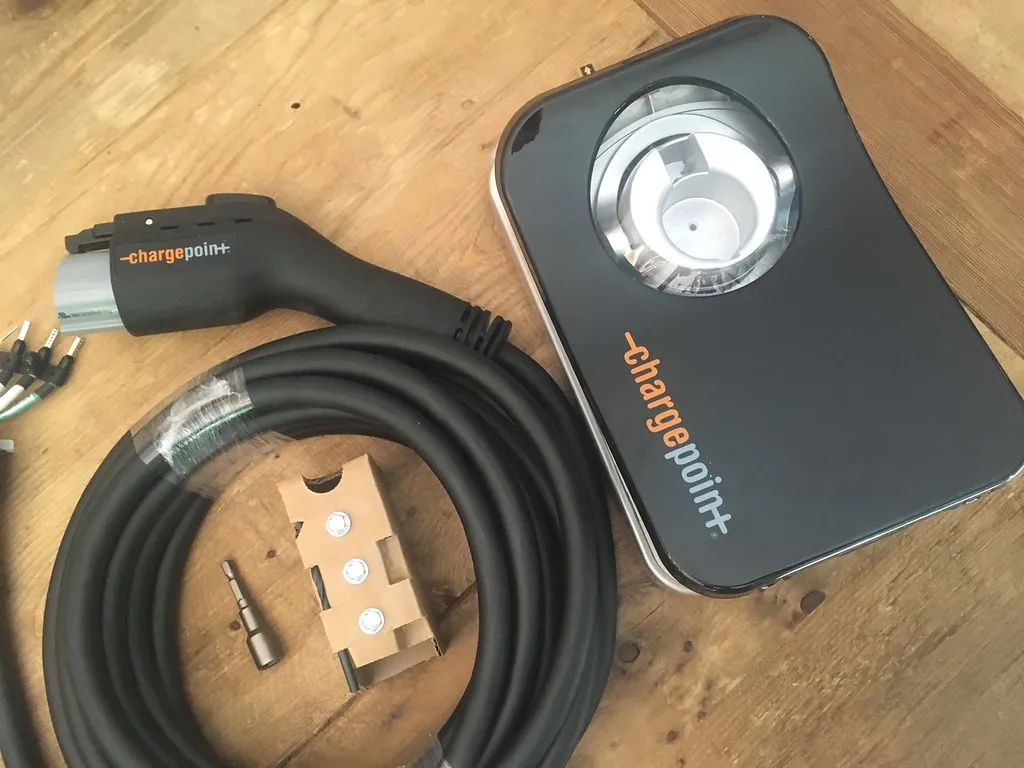
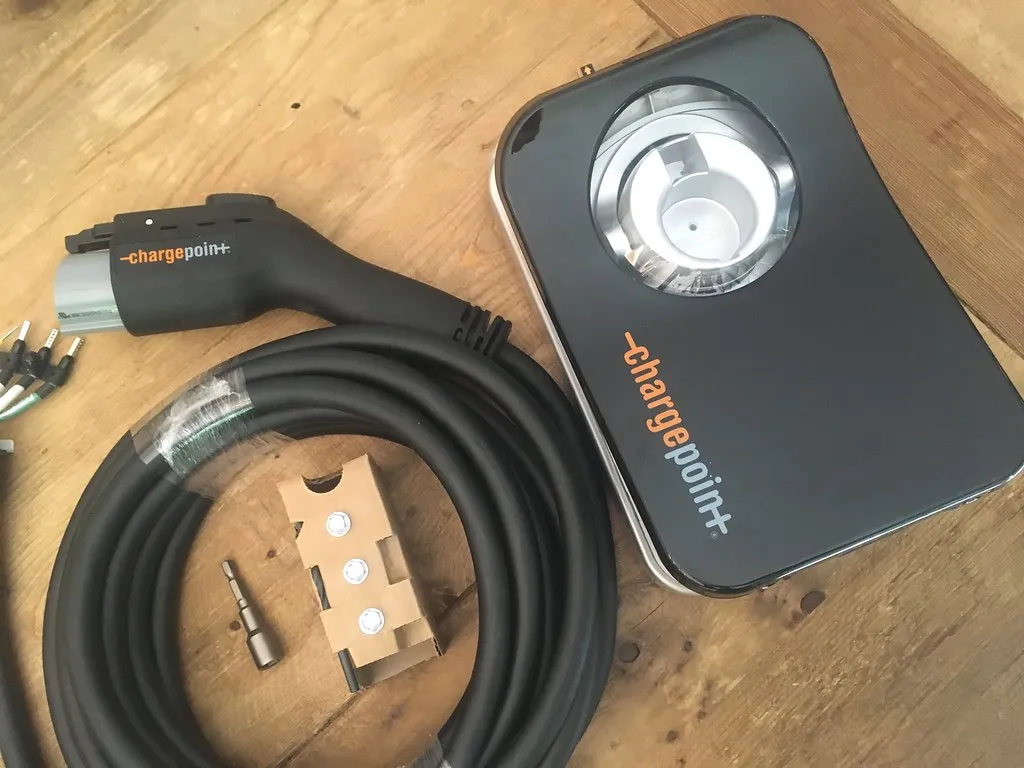
The electrician mounts the wallbox (typically on your garage wall or carport pillar), runs dedicated cabling from the DB board, installs a Type B RCD (residual current device) for DC fault protection, and connects the earth. This takes 4–6 hours for a straightforward install.

Step 4: Certificate of Compliance (CoC)
Once installation is complete, the electrician issues a CoC certifying the work meets SANS 10142-1. You cannot legally energise the charger without this certificate. Stellenbosch Municipality may request a copy if you apply for a solar PV system later, so keep it safe.
Step 5: Commissioning and testing
The installer tests the charger with your vehicle, verifies communication (if it’s a smart charger), and walks you through the controls. Expect a 30-minute handover session.
Typical installation costs in Stellenbosch (2026 pricing)
Prices vary based on charger model, cable run length, and DB board condition, but here’s the typical range:
| Item | Cost (ZAR) |
|---|---|
| 7.4 kW single-phase wall charger (ChargePointSA CP-AC7-CP) | R7 400 |
| Labour (4–6 hours, registered electrician) | R3,500–R6,000 |
| Cabling (6 mm² or 10 mm², up to 20 m run) | R1,500–R3,000 |
| Type B RCD + circuit breaker | R1,200–R2,500 |
| Certificate of Compliance | R800–R1,200 |
| DB board upgrade (if required) | R3,500–R8,000 |
| Total (single-phase, no DB upgrade) | R18,000–R28,000 |
| Total (3-phase 22 kW charger) | R35,000–R50,000 |
If you’re pairing the installation with a solar system, some installers offer package discounts — ask about bundling.
Single-phase vs 3-phase supply in Stellenbosch
Most residential properties in Stellenbosch run on single-phase supply (230 V), which limits you to a 7.4 kW charger (32 A breaker). That’s enough to add 40–50 km of range per hour — plenty for overnight charging.
When does 3-phase matter?
If you have 3-phase supply (400 V, common in newer estates like De Zalze or Paradyskloof), you can install a 22 kW charger that adds 120–140 km/hour. This matters if:
- You drive 300+ km/day and need faster turnaround
- You share one charger among multiple EVs
- You want future-proofing as battery sizes grow
Upgrading from single-phase to 3-phase costs R25,000–R40,000 (trenching, new metre, municipal approval), so most homeowners stick with single-phase unless they’re already on 3-phase.
Load-shedding and solar pairing for Stellenbosch residents
Load-shedding has eased dramatically in 2025–2026, but Stellenbosch residents still face occasional Stage 1–2 interruptions during winter peaks. If you’re installing a charger, consider these strategies:
Option 1: Solar + battery + charger
A 5 kW solar array with a 10 kWh battery (e.g. Sunsynk or Victron system) costs R120,000–R180,000 installed. You charge the battery during the day, then use it to top up your EV overnight or during load-shedding. Zero Carbon Charge’s R100 million solar charging rollout proves the model works at scale.
Option 2: Solar-direct charging (no battery)
If you work from home or park during the day, charge directly from solar panels. A 5 kW array generates 20–25 kWh/day in Stellenbosch’s climate — enough for 130–160 km of daily driving at zero marginal cost. This setup costs R60,000–R90,000 and pays for itself in 4–5 years.
Option 3: Smart charger with time-of-use scheduling
If solar isn’t an option yet, use a smart charger — like our CP-AC7-CP — to schedule charging during off-peak hours when municipal demand is lowest. While Stellenbosch’s flat R3.18/kWh rate doesn’t incentivise this directly, it reduces strain on the grid and future-proofs you for time-of-use tariffs.
Public charging options in Stellenbosch
Home charging should cover 90% of your needs, but public infrastructure is growing fast:
- Stellenbosch Square — GridCars AC chargers at R5.50/kWh (7.4 kW, Type 2 connector)
- Wine estates — La Paris Estate, Delaire Graff, and Tokara offer complimentary charging to restaurant/tasting room patrons
- Shell Recharge — DC fast chargers along the N1 and N2 corridors (nearest in Paarl and Somerset West)
- GridCars regional network — 445 sites with 650+ chargers nationally, including Cape Town CBD and Stellenbosch Square
By late 2026, BYD’s megawatt flash charging network will add 200–300 ultra-fast stations across South Africa, likely including a Stellenbosch or Somerset West node.
Common mistakes Stellenbosch homeowners make
1. Skipping the site assessment
“I’ll just buy a charger online and get any electrician to fit it.” Bad idea. EV chargers draw sustained high current — your DB board, earthing, and cabling must be spec’d correctly or you risk nuisance tripping, fire hazards, or a failed CoC inspection.
2. Undersizing the charger
A 3.7 kW “granny charger” adds only 20 km/hour. If you drive 100 km/day, you need 5 hours of charging — fine if you’re home every night, problematic if you travel. Size for your actual usage, not the cheapest option.
3. Ignoring future expansion
Planning to add solar in two years? Install conduit and a sub-board now so you’re not ripping out walls later. Planning a second EV? Run two cable drops during the initial install — labour is the expensive part.
4. Choosing the wrong charger location
Mounting the charger 15 metres from your parking bay means you need a 15-metre charging cable (expensive, heavy, trip hazard). Place the wallbox within 2–3 metres of where your car’s charge port will be.
5. Using an unregistered electrician
Only a registered electrician can issue a valid CoC. If your installer isn’t registered with the Electrical Contracting Board, your insurance may not cover faults and you can’t legally energise the system.
FAQ
How long does a full installation take in Stellenbosch?
A straightforward install (existing DB board has capacity, short cable run, no earthing issues) takes one working day. If you need a DB board upgrade or complex cable routing, allow 2–3 days. Lead time for parts and electrician scheduling is typically 1–2 weeks.
Can I install a charger if I rent in Stellenbosch?
You’ll need written permission from your landlord. Some landlords agree if you cover the cost and leave the charger in place (it adds property value). Portable chargers that plug into a 15 A socket are an alternative, but they charge slowly (12–15 km/hour).
Do I need municipal approval for a home charger?
No separate approval is required for the charger itself — it’s treated as a fixed appliance. However, your electrician must issue a CoC, and if you’re adding solar or a battery, you may need to register that system with Stellenbosch Municipality under their SSEG (Small-Scale Embedded Generation) rules.
What’s the difference between a Type 1 and Type 2 connector?
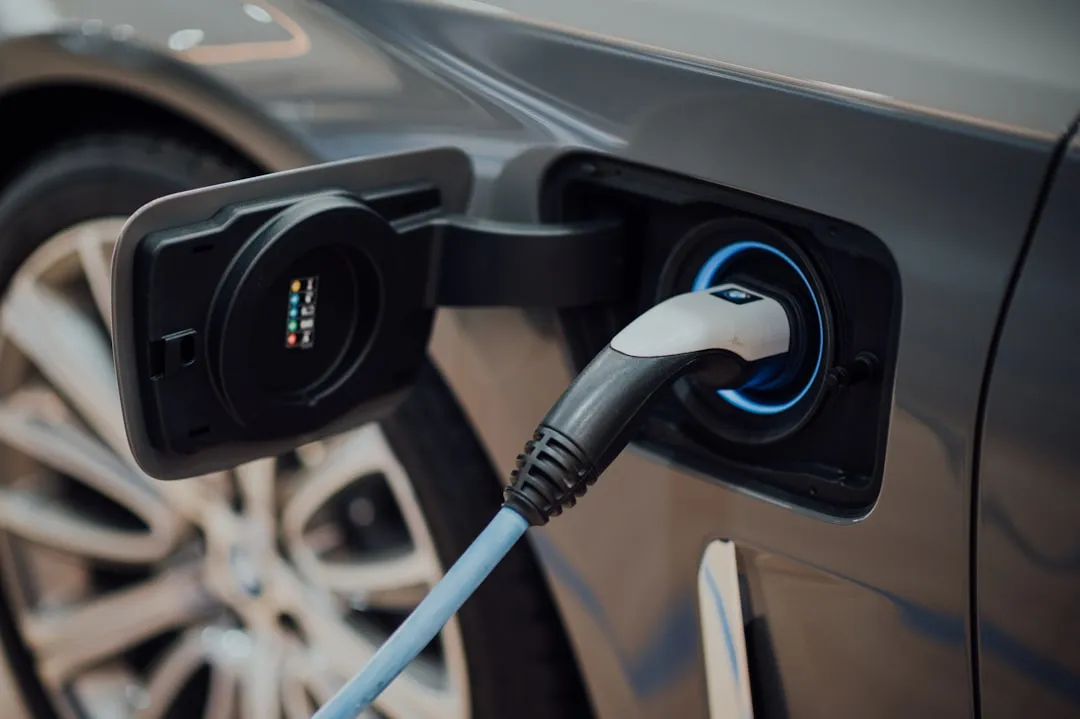
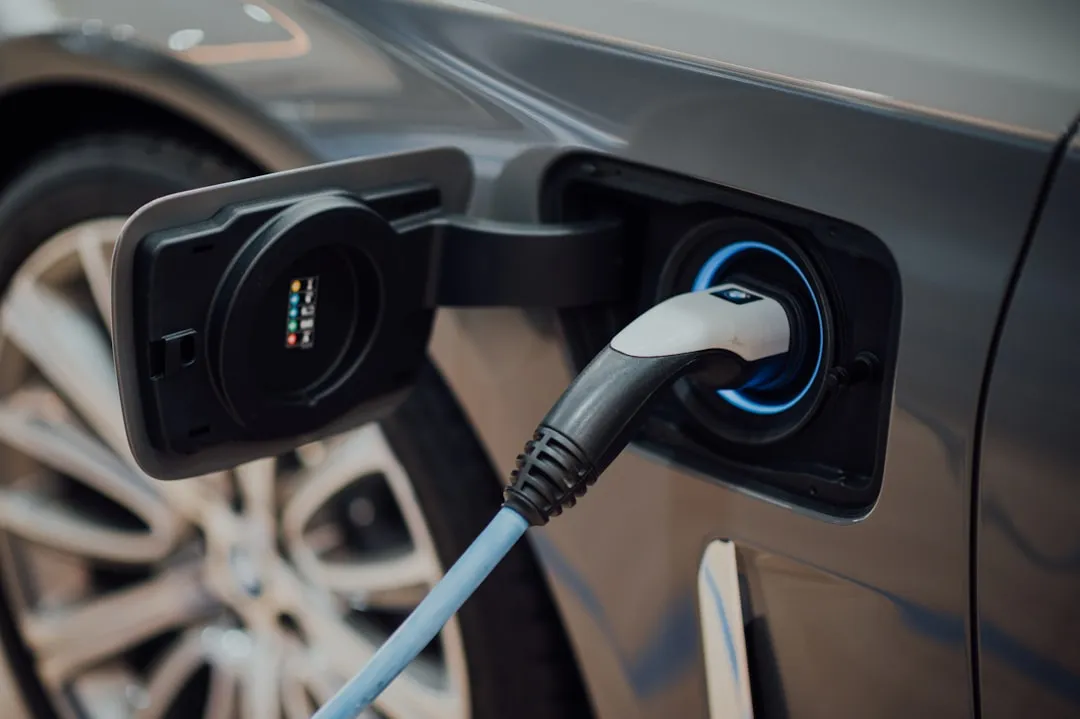
Type 2 (Mennekes) is the European standard and the most common in South Africa in 2026. Most new EVs sold here (BYD, Volvo, BMW, Audi) use Type 2. Older Nissan Leafs use Type 1, but you can buy an adapter. When specifying your charger, confirm it has a tethered Type 2 cable or a Type 2 socket.
Can I charge my EV from a normal 15 A wall socket?
Yes, using the portable EVSE (“granny charger”) that comes with most EVs. It draws 10–12 A and adds 12–15 km/hour — enough for overnight charging if you drive under 100 km/day. But it’s not a long-term solution: prolonged high current can overheat old wiring, and it’s painfully slow for larger batteries.
Will my electricity bill double if I install an EV charger?
Not even close. At R3.18/kWh and 15 kWh/100 km, driving 1,500 km/month costs R715 in electricity. That’s less than two tanks of petrol. Your total household consumption will rise by 20–30%, but the per-kilometre cost is a fraction of petrol.
Ready to charge smarter in Stellenbosch?
Home charging is the single best investment you can make as a Stellenbosch EV owner. At R3.18/kWh, you’ll recover your installation cost in 12–18 months, enjoy the convenience of waking up to a full battery, and future-proof your home as South Africa’s EV market accelerates toward the 5% tipping point.
ChargePoint SA has installed hundreds of home chargers across the Western Cape, and we know Stellenbosch’s housing stock, municipal supply quirks, and solar integration inside-out. Get a free Stellenbosch site assessment — we’ll spec the right charger, handle the CoC, and have you charging within two weeks.
Image credits
“ChargePoint EV Full” by earthandmain (CC BY-SA 2.0, via flickr) · “ChargePoint Charging station in California” by Kowloonese, CC BY-SA 3.0 · “ChargePoint Home Charger Installed” by ken fields (CC BY-SA 2.0, via flickr)