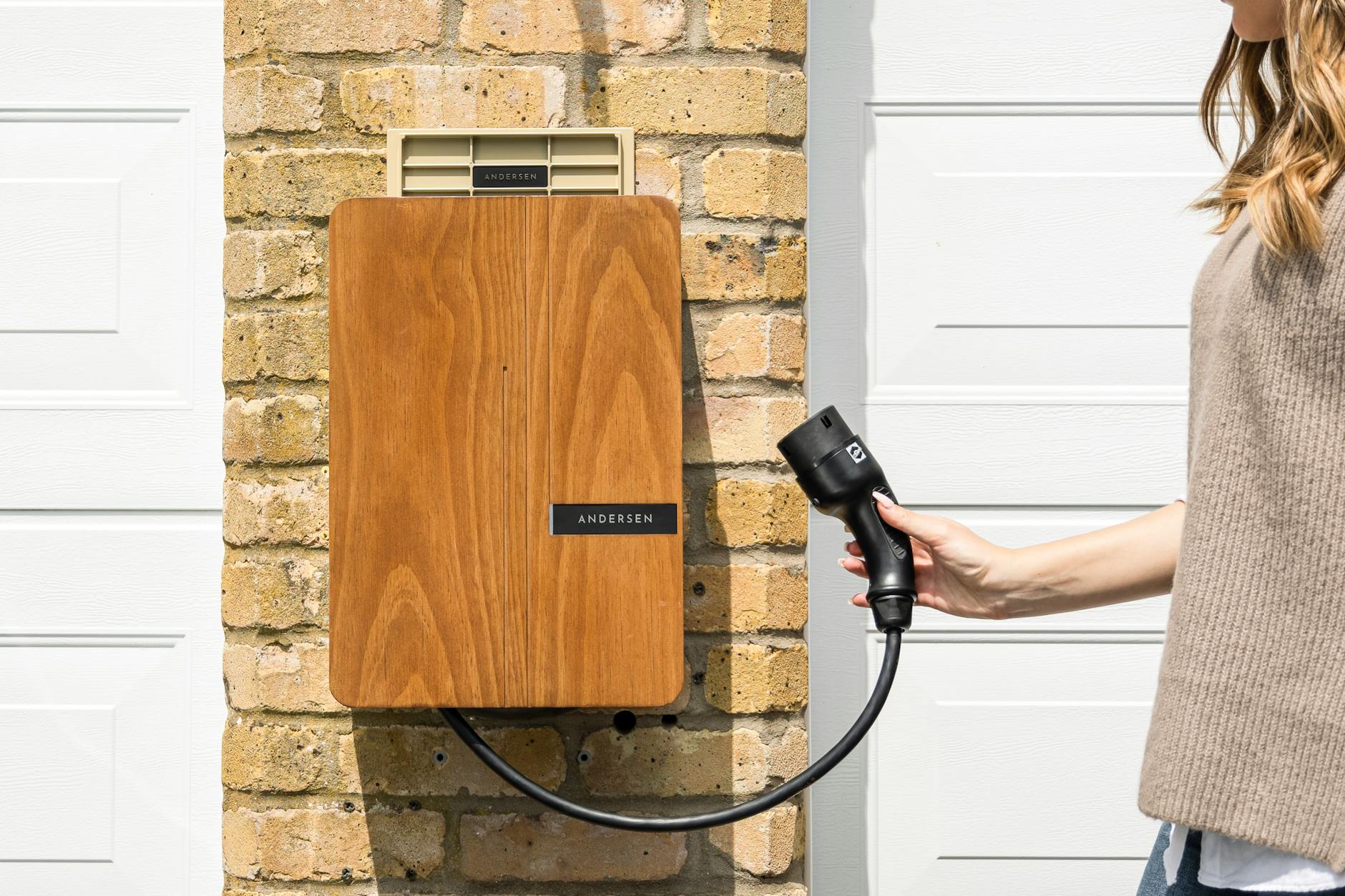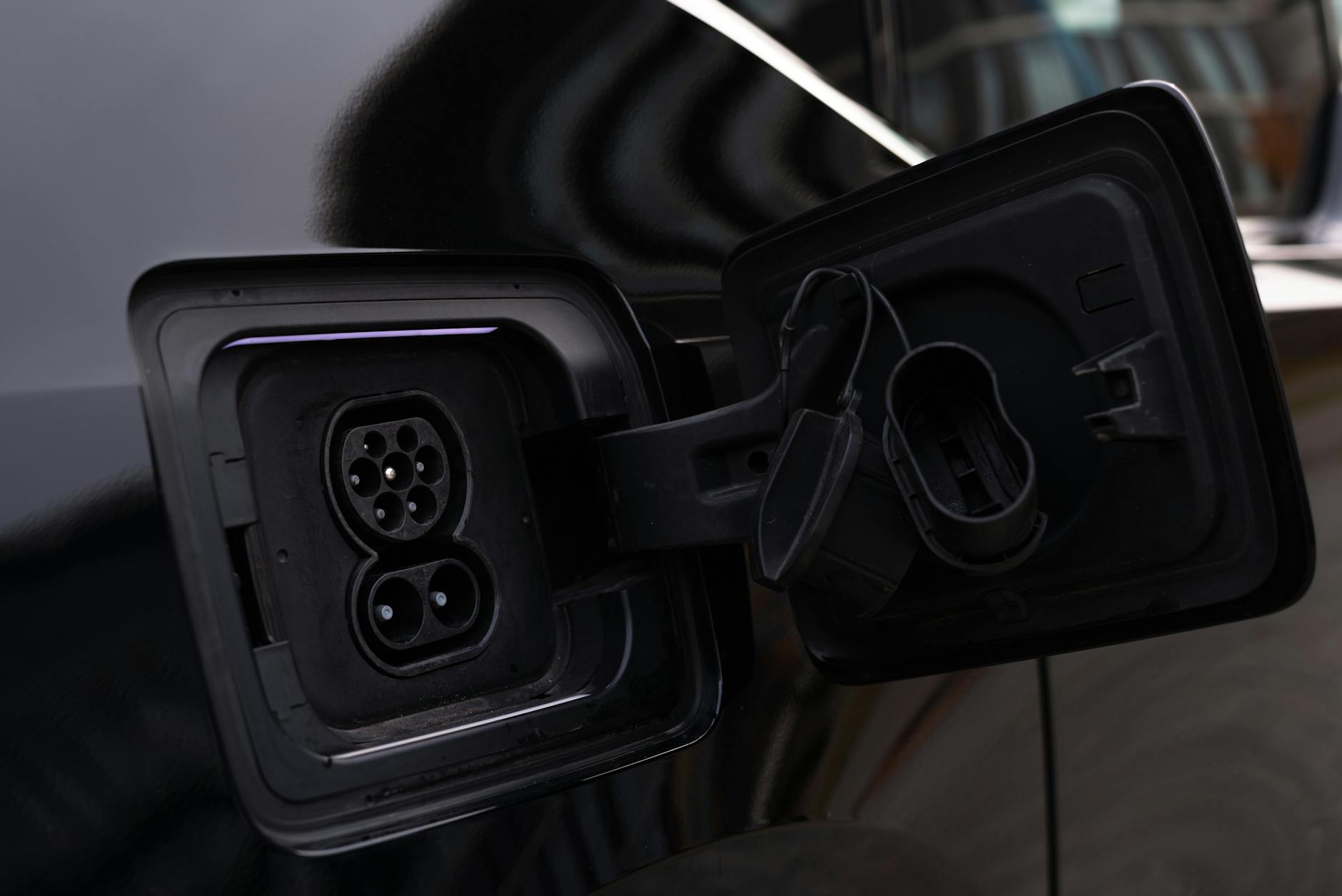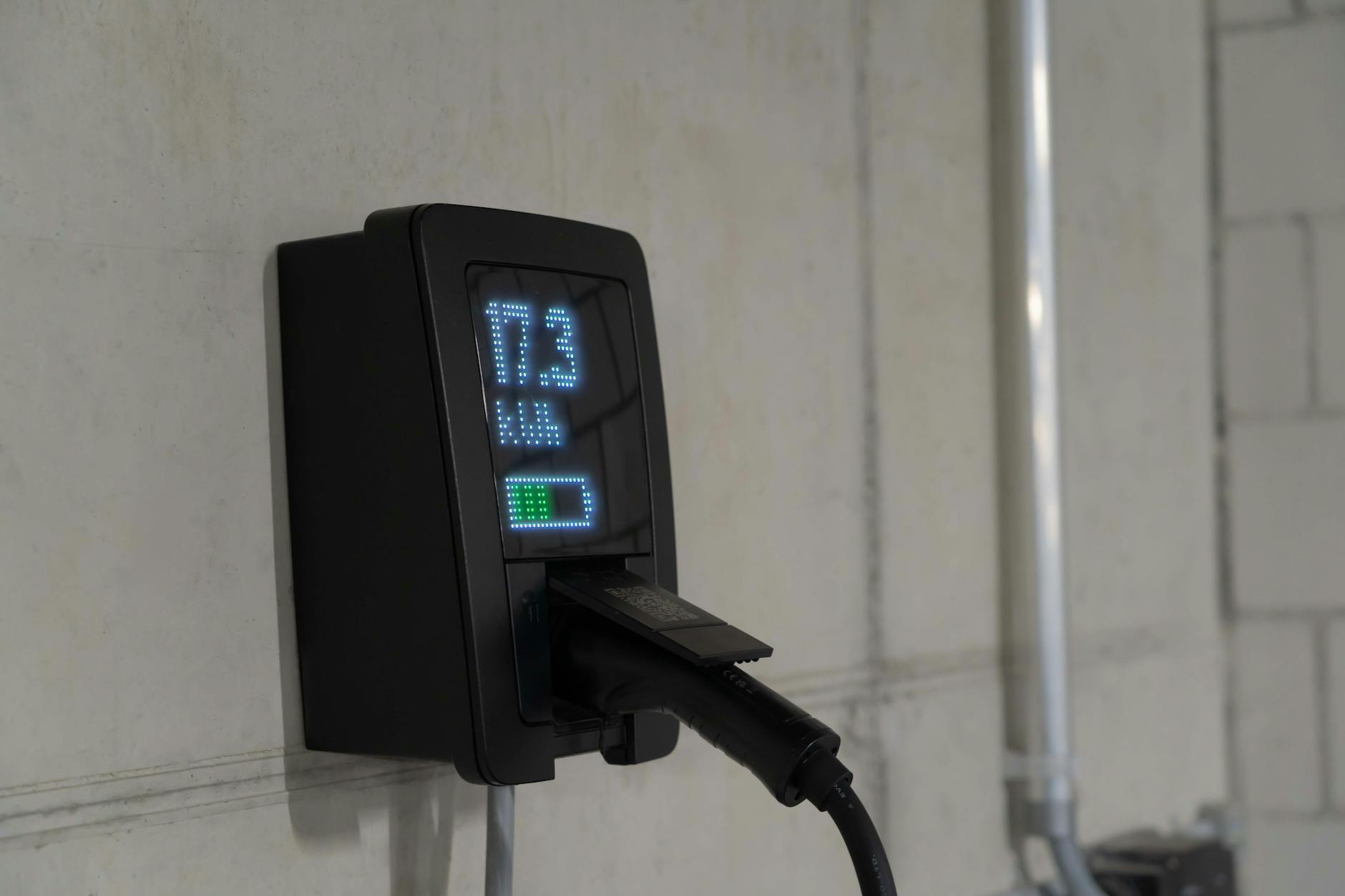
The best home charger for the BYD Dolphin Surf in South Africa is a 7kW single-phase wallbox — full stop.
The Dolphin Surf’s onboard charger accepts a maximum of 6.6kW AC regardless of which variant you have
, which means there is absolutely no point spending money on an 11kW or 22kW unit. A smart 7kW wallbox from Wallbox, ABB, or GridCars will max out the car’s charging speed, give you app-based scheduling, and integrate with solar — all for R13,800 to R16,200 fully installed.
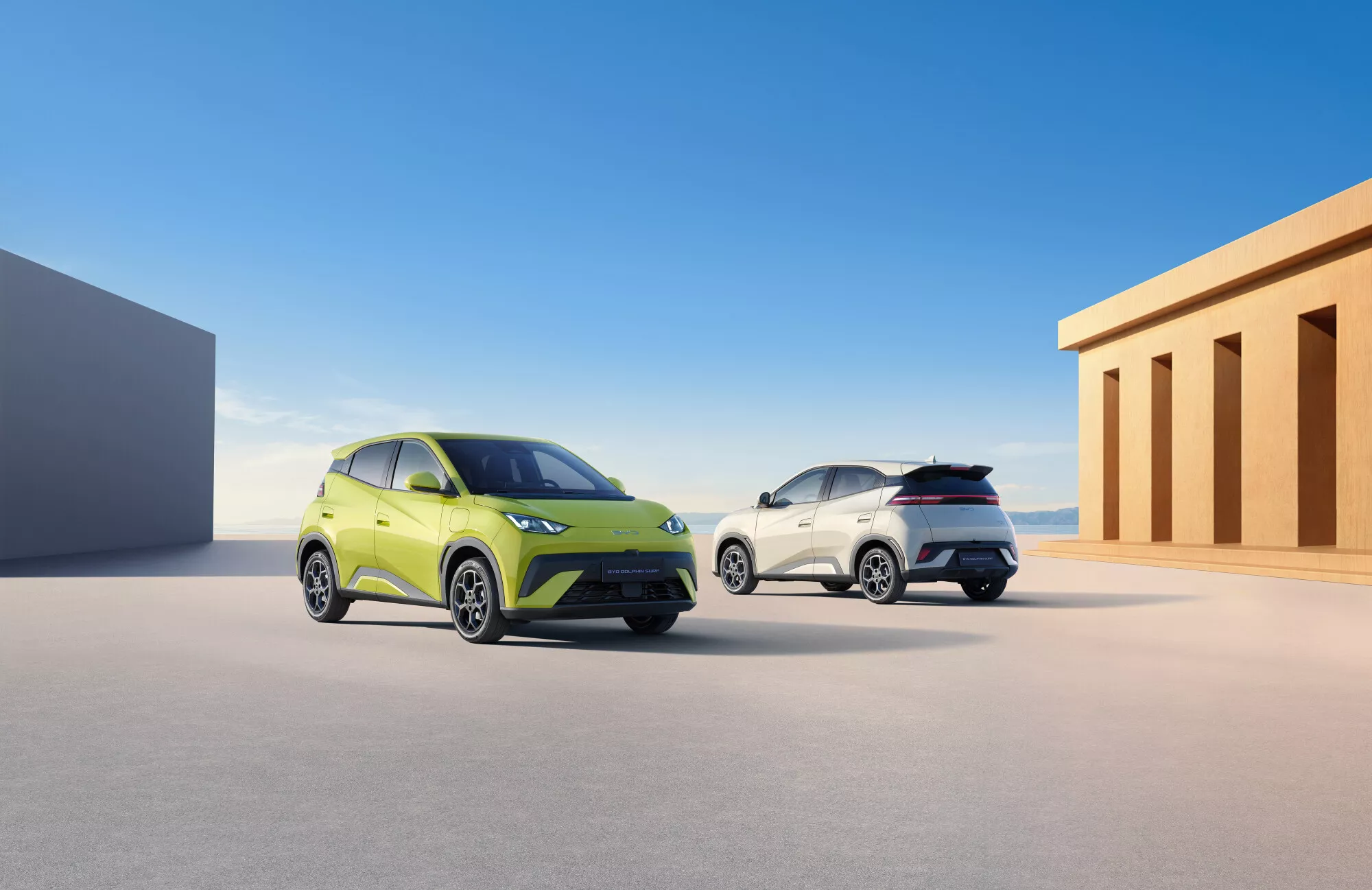
The BYD Dolphin Surf launched in South Africa in September 2025, and with an asking price starting from R341,900, it quickly became one of the most talked-about cars in the country.
By March 2026, 239 units had left showroom floors, making it the best-selling EV in SA for the month.
Those 239 new Dolphin Surf owners all have the same question: what do I actually plug it into at home?
This guide answers that completely. We cover the exact charging specs, the three chargers that make the most sense for South African conditions, a rand-by-rand cost breakdown using City of Cape Town tariffs, what installation actually involves, and how to handle Eskom’s load shedding without losing your mind. Your knowledgeable mate who happens to be an electrical engineer wrote this. Let’s get into it.
BYD Dolphin Surf Charging Specs: What the Car Can Actually Do
Before we talk chargers, let’s nail down what the car itself is capable of — because this changes everything about which hardware to buy.
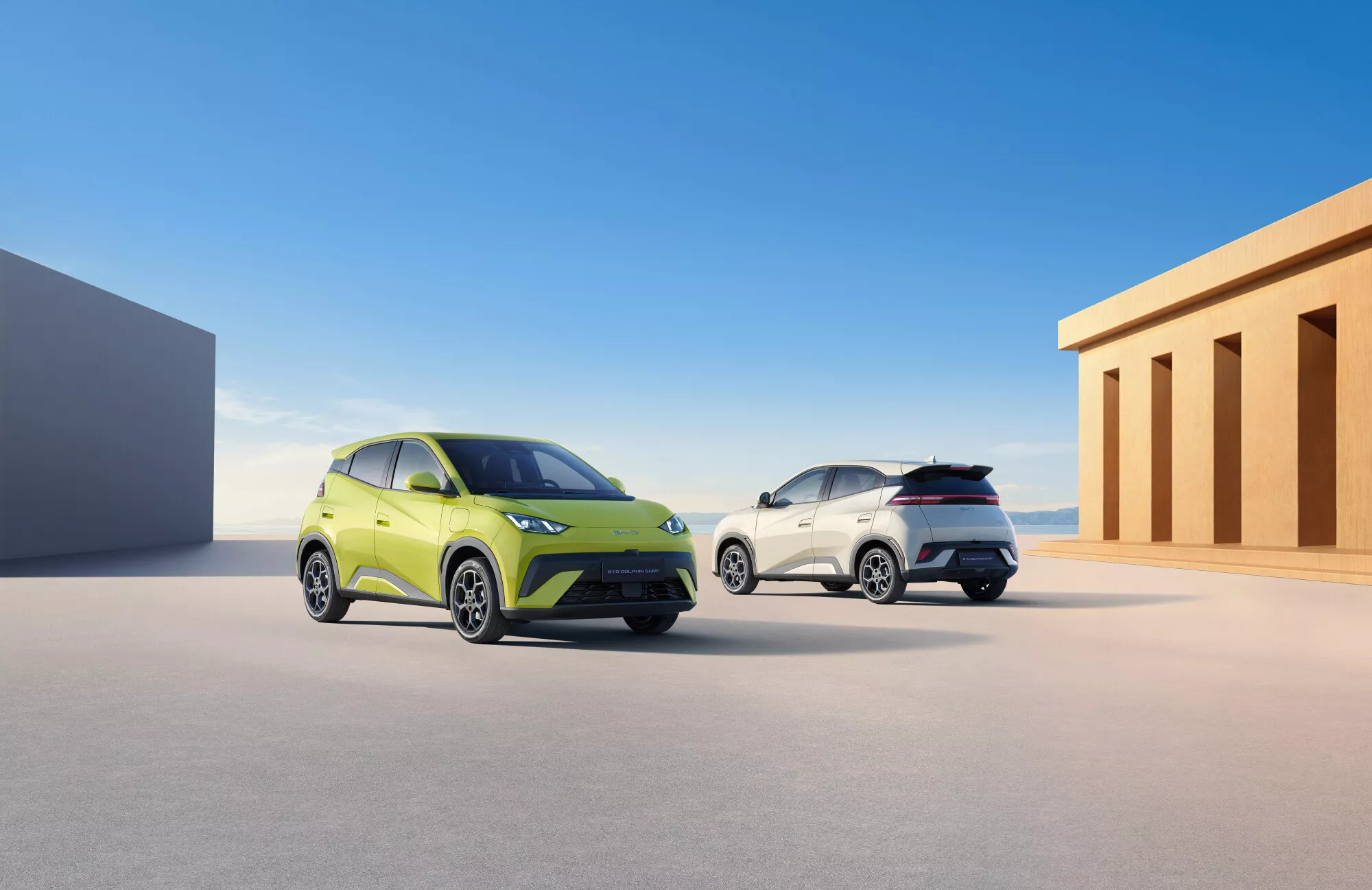
There are two derivatives in the Dolphin Surf line-up: Comfort and Dynamic, and the key difference is their BYD Blade battery capacities — 30kWh and 38.8kWh respectively.
Range is naturally the key question: the Comfort’s claimed range is 232km and the Dynamic’s is 295km on the WLTP cycle.
Both figures are genuinely usable for South African urban driving —
BYD noted at the Cape Town launch that the average South African daily travel distance sits around 55km, meaning the base Comfort model covers over four days of typical driving on a single charge.
Here is the critical number:
charging happens at 6.6kW AC for both models, while DC fast charging tops out at 30kW for the Comfort and 40kW for the Dynamic.
The included 7kW wallbox handles home charging duties, though the car’s onboard charger limits the actual rate to 6.6kW.
So that 7kW wallbox BYD bundles in the Early Adopter Package? It runs at 6.6kW in practice — not 7kW. The charger is slightly oversized relative to the car, which is fine. It just means a 7kW charger is the sweet spot; anything bigger is wasted money.
On AC home charging at 6.6kW effective, the Comfort takes 4.6 hours for a full charge, while the Dynamic needs 5.9 hours.
Plug in when you get home at 18:00 and both are fully charged by midnight. That is the whole home charging story, honestly. DC fast charging is a different beast:
the smaller-battery Comfort supports maximum DC charging of 30kW, while the Dynamic is rated for 40kW, which means its battery can be recharged from 30% to 80% in as little as 30 minutes.
Do You Actually Need a New Charger? (The Honest Answer)
Here is the thing —
BYD included a 7kW home charger wall box in its Early Adopter Package at launch, along with a portable charger, point-to-point cable, and a V2L socket.
If you were an early buyer and got that package, you already have a wallbox sitting in a box. Have it professionally installed. Done.
But there are several reasons you might want to upgrade or replace it. The bundled unit is a basic wallbox — no app control, no scheduling, no load management, no solar integration. For most Dolphin Surf owners, a smart charger costing R2,000 to R3,000 more is absolutely worth it. You will recoup that premium in a few months just by scheduling charging to off-peak tariff windows.
And if you are buying the Dolphin Surf now and the Early Adopter Package is no longer available, you are shopping for a charger from scratch anyway. Either way, the same three recommendations apply.
Brand matters when it comes to home EV chargers — not just for quality and warranty, but for smart features that let you take advantage of time-of-use tariff structures.
The Three Best Chargers for the BYD Dolphin Surf in SA
We have narrowed the field to three units that are widely installed and properly supported in South Africa. All three deliver 7kW on single-phase power, which is exactly what the Dolphin Surf needs.
Wallbox, ABB, and GridCars are the most widely installed and supported brands in South Africa.
1. Wallbox Pulsar Plus 7.4kW — R14,500 installed (Best All-Rounder)
This is the one we’d put on our own garage wall.
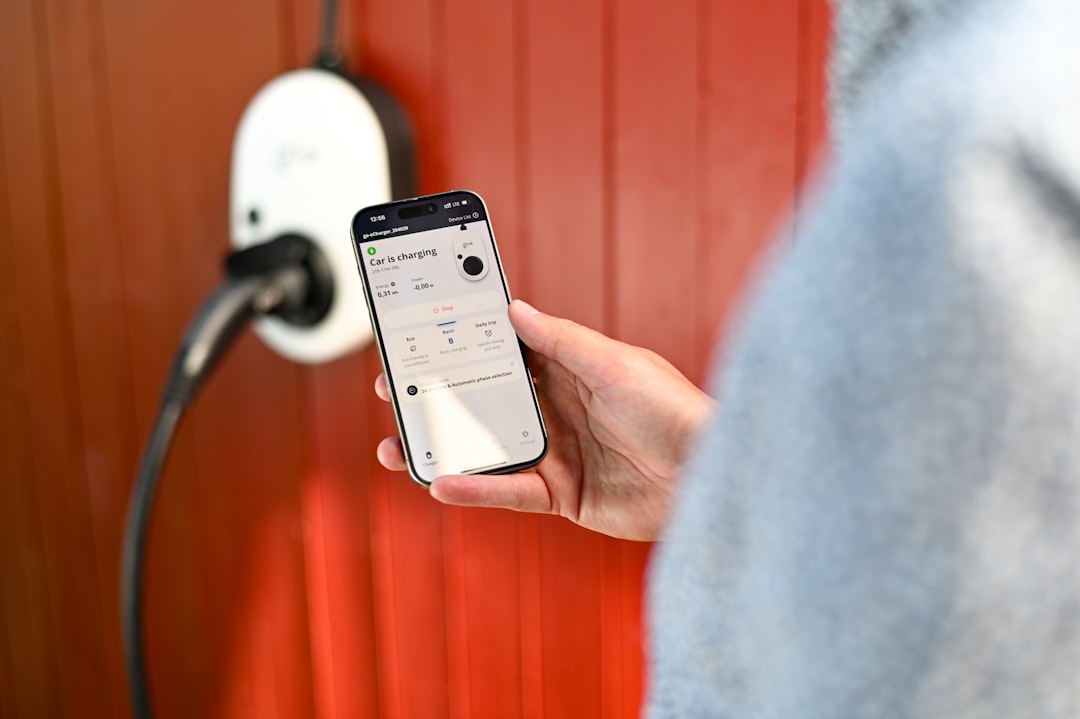
The Wallbox Pulsar Plus offers excellent app integration, built-in scheduling, load balancing, and a compact form factor, making it one of the most popular choices for South African residential installs.
The myWallbox app lets you schedule charging to hit off-peak tariff windows automatically — useful for Cape Town’s tiered pricing and downright essential for Tshwane’s time-of-use structure.
Load balancing means the charger monitors your home’s total electricity consumption and reduces charging speed if you’re running the kettle, geyser, and dishwasher simultaneously. On a standard 60A residential supply that matters.
Chargers like the Wallbox Pulsar Plus can dynamically throttle their output to only consume solar surplus, meaning your car charges from genuinely free electricity during daylight hours
— if you have panels. At R14,500 all-in, it hits the sweet spot of capability versus price.
2. ABB Terra AC 7kW — R16,200 installed (Most Robust)
Swiss engineering in a South African garage. The ABB Terra AC is a proper industrial-grade unit that happens to fit residential applications. It is SANS 10142 compliant as standard, and most ABB installers include the Certificate of Compliance (CoC) in their price. The build quality is noticeably more substantial than the competition — this is the charger for someone who wants to install it once and never think about it again.
The ABB integrates cleanly with solar inverters from Victron, SolarEdge, and Fronius, which matters in a country where
over 360,000 South African homes now have rooftop solar.
At R16,200, it is the most expensive option here, but the warranty and durability justify the premium if your garage wall gets direct weather exposure.
3. GridCars 7kW — R13,800 installed (Best Value)
GridCars is a South African company, which means local support, local stock, and an installer network that actually picks up the phone.
GridCars offers charging solutions ranging from R7,000 to R25,000
, and their 7kW residential unit sits at the affordable end of that range at R13,800 fully installed. The unit supports solar integration and app-based scheduling. For Dolphin Surf owners who want a reliable charger without paying a premium for European brand recognition, this is the pick.
239 Dolphin Surfs sold in a single month — March 2026 — making it SA’s best-selling EV. That is a lot of people asking their body corporate for permission to install a charger.
How Much Could You Save With an EV?
Use our free calculator to compare your current fuel costs with EV charging costs.
Charger Comparison at a Glance
| Charger | Power | Installed Price | App Control | Solar Ready | CoC Included |
|---|---|---|---|---|---|
| Wallbox Pulsar Plus | 7.4kW | R14,500 | Yes | Yes | Yes |
| ABB Terra AC | 7kW | R16,200 | Yes | Yes | Yes |
| GridCars 7kW | 7kW | R13,800 | Yes | Yes | Yes |
| BYD Bundled Wallbox | 7kW | R0 (included) | No | No | No |
Want to work out exactly how much you will save over a year? Calculate your exact Dolphin Surf charging costs with our EV savings calculator — plug in your municipality, daily distance, and current petrol spend.
The Real Cost of Charging a BYD Dolphin Surf at Home
Let’s use City of Cape Town tariffs and the Dolphin Surf Dynamic’s 38.8kWh battery, because the numbers are satisfying.
Eskom’s 2025/2026 tariff increases pushed the average residential unit price to roughly R3.40–R4.20 per kWh (including VAT) across most municipal indirect customers.
Cape Town’s residential rates fall within that range, and the city offers tiered pricing that rewards charging at night.
On the standard Cape Town domestic rate (approximately R3.18/kWh), a full charge of the Dynamic’s 38.8kWh battery costs R123. At 295km of range, that works out to roughly 42 cents per kilometre. Now flip to off-peak overnight charging at approximately R1.89/kWh, and that same full charge drops to R73 — just 25 cents per kilometre.
Compare that to petrol. A comparable hatchback averaging 8L/100km at R24.50 per litre costs R1.96 per kilometre. That is not a typo.
Driving on electricity in this class of car costs roughly 50 cents per kilometre for daily commuting, compared to a petrol hatchback averaging R1.80 to R2.20 per km at current fuel prices. Over 15,000km a year, that is a saving of roughly R20,000 to R25,000 annually just in fuel.
Do the monthly maths on 1,200km of driving (a typical South African month): at standard rate you spend R504 in electricity versus R2,448 in petrol — a saving of R1,944. At off-peak rate, your electricity spend drops to R300, pushing the monthly saving to R2,148. The R14,500 charger installation pays for itself in under eight months. After that, every month is pure savings.
What Installation Actually Involves
This is the bit most charger guides gloss over. Here is what a legitimate, legal installation for the BYD Dolphin Surf looks like in South Africa.
The Dolphin Surf’s 6.6kW onboard charger needs a 32A dedicated circuit on single-phase supply — this is completely standard for South African residential properties. Your DB board needs a dedicated breaker for the charger circuit, plus earth leakage protection (a differential circuit breaker). Most modern South African homes built after 2000 can accommodate this without any main supply upgrade.
The Certificate of Compliance (CoC) is not optional. It is a legal requirement under the Electrical Installation Regulations, and it certifies that your installation is safe and compliant with SANS 10142.
These prices reflect installed quotes ChargePoint SA has tracked across Gauteng, the Western Cape, and KZN through March 2026, and they include CoC issuance and a 2-year workmanship warranty.
If a quote does not include the CoC, walk away.
Distance from your DB board to the charger location affects price. Under 15 metres is covered in the base installation price. Beyond 30 metres, expect to add R2,000 to R4,000 for additional cabling.
Home EV charger installation costs R12,000 to R25,000 in South Africa in 2026 — hardware runs R8,000 to R18,000 and installation R5,000 to R15,000.
The prices we quote above (R13,800 to R16,200) assume a straightforward installation within 15 metres of the DB board, which covers the majority of South African suburban homes.
Ready to get a certified installer in to assess your property? Get a free installation quote for your BYD Dolphin Surf charger — we cover Johannesburg, Cape Town, Durban, Pretoria, and the Garden Route.
Ready to Install a Home Charger?
Get a free, no-obligation quote for professional EV charger installation in South Africa.
Load Shedding and the BYD Dolphin Surf: The Honest Picture
Everyone asks this. And fair enough — Eskom’s reliability record over the past few years has made South Africans deeply sceptical of anything that requires a power socket. But here is the thing: the Dolphin Surf is actually one of the better-suited EVs for a country with an unreliable grid.
Think about it.
BYD noted that with an average daily travel distance of about 55km, the Dolphin Surf would typically be used for short urban commuting.
The Dynamic’s 295km range means you are starting each week with the equivalent of five-plus days of driving already in the tank. Load shedding on Tuesday night does not stop you going to work on Wednesday — you had 240km left from Monday’s charge.
The smart charger angle matters here too. Stage 2 load shedding in Cape Town typically runs in 2.5-hour blocks. If you plug in at 22:00 for a 5.9-hour charge and take a 2.5-hour hit somewhere overnight, you still accumulate 3.4 hours of charging at 6.6kW — that is 22kWh, or about 167km of range added. For most weeknight needs, that is more than enough.
And critically: if load shedding interrupts a charge, the car retains whatever charge it accumulated. You are never stuck at zero. The Dolphin Surf will have partial charge, and in an area with intermittent load shedding, partial charge gets you through the day while you top up during the next available window.
Smart chargers allow you to start or stop charging based on real-time grid conditions or load-shedding schedules, all from your smartphone.
The Dolphin Surf Dynamic’s 295km range covers 5-plus days of a typical South African commute on a single charge. Load shedding is an inconvenience, not a dealbreaker.

Solar Charging the BYD Dolphin Surf: The Winning Setup
Here is where things get genuinely exciting. The Dolphin Surf’s relatively small 38.8kWh battery is not a limitation — it is an advantage for solar charging.
A typical Gauteng home with a 10kWp solar system can push 25 to 35kWh per day into an EV for free, which covers around 130km daily at no grid cost.
In Cape Town, a 5kW system in summer comfortably generates 25kWh on a clear day — enough to fully recharge the Dynamic from 20% in a single afternoon.
Owners charging via home solar panels benefit from slow charging throughout the day, meaning day charging is basically free.
That is not marketing copy — that is a real Dolphin Surf owner six months into ownership in Durban, on the record.
The smart charger integration takes this further.
Chargers like the Wallbox Pulsar Plus can dynamically throttle their output to only consume solar surplus, meaning your car charges from genuinely free electricity during daylight hours.
On a 8kW solar system with a 10kWh home battery — a setup that many Southern Suburbs homeowners have installed over the past three years — the Dolphin Surf effectively drives for R0 most months. The petrol comparison stops being relevant. You are comparing R0/km to R1.96/km, and that maths is spectacular.
The combination of solar, a smart 7kW charger, and the Dolphin Surf’s small battery is one of the most financially compelling setups available to South African homeowners right now.
A 5kW to 8kW solar system combined with battery backup and a smart EV charger can deliver largely free, load-shedding-resistant home charging.
Body Corporate and Complex Living: What Dolphin Surf Owners Need to Know
South Africa has a massive sectional title market, and a significant chunk of Dolphin Surf buyers are living in complexes or townhouse estates. The good news: the Dolphin Surf is one of the easiest EVs to get approved for complex charging installation. It is small, light, not a commercial vehicle, and BYD is now a brand trustees have heard of.
The process is straightforward. Get a certified installer to do a site assessment and provide a formal written quote. Submit that quote to your body corporate trustees along with a motivating letter explaining that the charger will be on your own prepaid meter, will not affect common property electricity supply, and will be installed by a SANS 10142-compliant electrician who will issue a CoC. Approval typically takes two to four weeks if the trustees are reasonably cooperative.
The charger must sit on your own dedicated prepaid meter — not the common property meter. This is both a legal requirement and common courtesy to your neighbours. Most installers who work in the sectional title space understand this and will specify it in their quote. If yours does not, ask explicitly.
The broader trend is moving in your favour.
BYD has partnered with Eskom to roll out more chargers in high-density environments such as schools, government institutions, and housing complexes.
Body corporate resistance to EV charging is softening nationally, and the Dolphin Surf’s friendly price point means the conversation is shifting from “should we allow this?” to “how do we accommodate the next five owners who ask?”
Find Charging Stations Near You
Explore our live map of EV charging stations across South Africa — updated in real time.
The V2L Feature: Your Dolphin Surf as a Backup Power Source
This is separate from home charging but worth your attention.
Both Dolphin Surf models feature V2L (Vehicle-to-Load) capability, which allows you to power camping gear, a laptop, or even a small electric braai setup directly from the car.
The V2L socket delivers 3.3kW — enough to run a camping fridge for 24 hours, power your TV and decoder for eight hours during load shedding, or keep your laptop and phone charged for a full workday.
During last winter’s load shedding season, the V2L function turned many an EV into a household hero. Plug in a small inverter, run the lights and fibre router, and your family barely notices the power is out. This is not a replacement for a proper home backup system, but as a free bonus on a R339,900 car, it is genuinely useful.
And when you are back on the road, find public chargers for road trips using our live charging map — essential for the occasional longer journey where the Dolphin Surf’s 295km range might need supplementing.
The Verdict: What to Buy and What to Do Next
Buy the Wallbox Pulsar Plus at R14,500 installed. That is the recommendation. It is the right power output for the Dolphin Surf, it has the smartest app and scheduling features, it integrates with solar, and it is widely supported by South African installers. The ABB is excellent if you want maximum build quality and your installation is in a harsh environment. The GridCars unit is the pick if budget is the primary consideration and you want a local support network.
Do not buy an 11kW or 22kW charger for the Dolphin Surf. The car cannot use more than 6.6kW AC. You will pay more upfront, potentially require a three-phase supply upgrade, and see exactly zero benefit in charging speed. Save the money.
The BYD Dolphin Surf makes electric motoring accessible in South Africa without requiring you to sell one of your organs. It is priced like a well-equipped ICE hatchback while delivering an electric drive’s refinement and running cost benefits.
A properly installed 7kW smart charger is the final piece of that puzzle — turning a great car purchase into a genuinely transformative ownership experience.
The installation pays for itself inside eight months of typical driving. After that, you are banking the savings every single day. See exactly what you would save with your own numbers using our EV calculator. And when you are ready to commit, get a free installation quote from a ChargePoint SA certified installer — we will come to you for a site assessment, no obligation.
FAQ
Do I need the 7kW charger that comes with the Dolphin Surf or should I buy a different one?
If you received the BYD Early Adopter Package wallbox, have it professionally installed with a Certificate of Compliance — it will charge the Dolphin Surf at 6.6kW, which is the car’s maximum AC rate. If you want app control, scheduling, and solar integration, spend the extra R2,000 to R3,000 on a smart charger like the Wallbox Pulsar Plus instead. The bundled unit works perfectly well as a basic charger, but it lacks the smart features that make home charging significantly cheaper over time.
Can I charge the BYD Dolphin Surf on a normal 3-pin plug?
Yes, but you should only use this as an emergency backup. A standard South African 3-pin wall socket delivers roughly 2.2kW, which would take 14 to 18 hours to fully charge the Dolphin Surf Dynamic from empty. Daily charging on a 3-pin plug also places sustained load on a circuit not designed for it, creating a safety risk. The Dolphin Surf comes with a portable 3-7 charger for exactly this emergency use case. For daily home charging, always use a dedicated wallbox on its own 32A circuit.
How much does it cost to install a charger for the BYD Dolphin Surf in South Africa?
A fully installed 7kW smart wallbox for the BYD Dolphin Surf costs between R13,800 and R16,200 in South Africa in 2026, including the Certificate of Compliance. This assumes a straightforward installation within 15 metres of your DB board on an existing adequate single-phase supply. Add R2,000 to R4,000 for runs beyond 30 metres, and potentially R15,000 to R35,000 if your main supply needs upgrading — though most post-2000 South African homes do not require this for a single 7kW charger.
Will load shedding stop me from charging my Dolphin Surf?
No — and the Dolphin Surf’s range actually makes it unusually load-shedding-resilient. The Dynamic’s 295km range covers five-plus days of a typical 55km daily commute on one charge, so missing a night’s charging is not a crisis. A smart charger lets you schedule charging to Eskom’s known safe windows, and if load shedding interrupts a charge mid-session, the car retains whatever charge it has accumulated. You are never left at zero. The biggest risk is neglecting to plug in regularly — fix that with a schedule and the load shedding concern largely disappears.
Can I use solar panels to charge my BYD Dolphin Surf?
Absolutely, and the Dolphin Surf’s relatively small 38.8kWh battery makes it one of the best EVs for solar charging in South Africa. A 5kW solar system in Cape Town generates roughly 25kWh on a summer day — enough to fully recharge the Dynamic from near-empty in good conditions. Smart chargers from Wallbox and ABB can prioritise solar surplus automatically, so the car charges from free sun power during the day and only draws from the grid if it needs topping up overnight. For homeowners with an existing solar installation, this combination delivers near-zero running costs.
Continue Reading