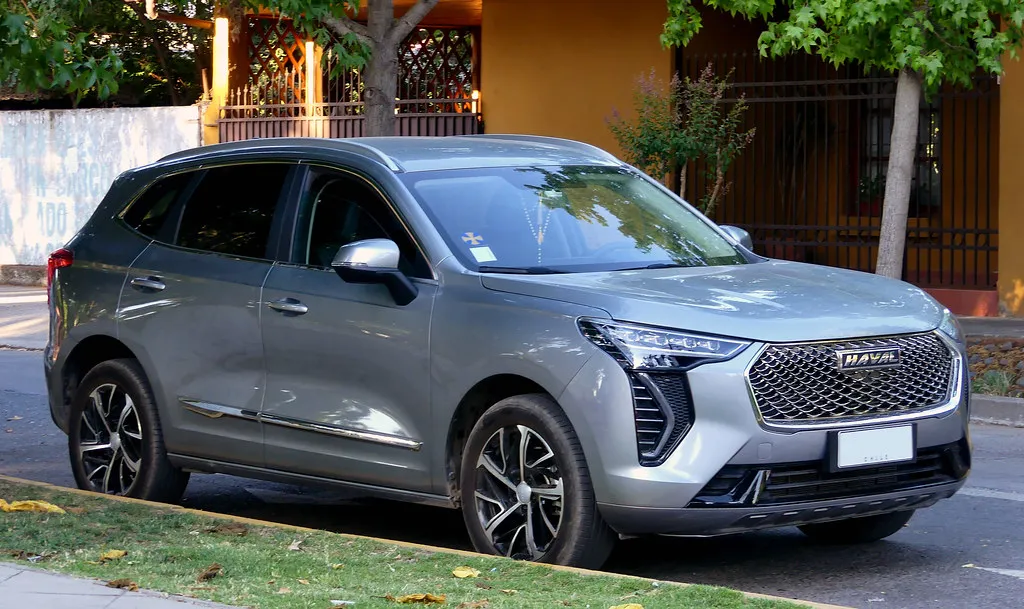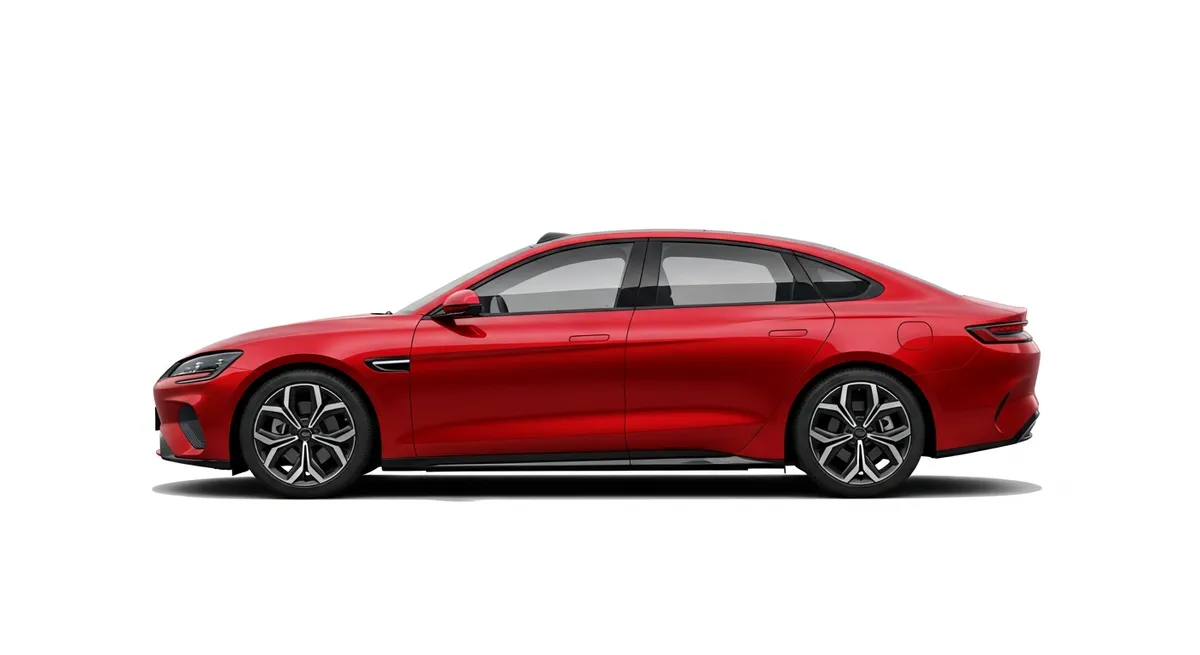

On 18 May 2026, Bolt launched South Africa’s first dedicated electric vehicle ride category in Cape Town, partnering with fleet operator YugoRide to deploy Dongfeng EVs — a move that will put 500 electric vehicles on the road by December and reshape the economics for the country’s estimated 60,000 e-hailing drivers who currently spend up to 40% of gross trip earnings on petrol.
The timing couldn’t be sharper: BYD’s Dolphin Surf now retails at R339,900 (SA’s cheapest EV), March 2026 saw a record 389 EV sales in a single month, and BYD is rolling out 200–300 megawatt charging stations nationwide by year-end. For Uber and Bolt drivers, the question is no longer whether EVs make sense — it’s which one, and when.

The bottom line
- Bolt’s EV launch: Cape Town pilot using Dongfeng fleet via YugoRide, targeting 500 vehicles by December 2026; Uber already charges drivers R4,000/week (R2,200 rental + R1,800 charging) for EV access.
- Pricing breakthrough: BYD Dolphin Surf at R339,900 is now SA’s most affordable EV; Chinese brands (BYD, Dongfeng, Geely) dominate sub-R400k segment, making e-hailing economics viable.
- Infrastructure surge: BYD deploying 200–300 megawatt Flash chargers by end-2026; GridCars operates 450+ public stations (60% of SA capacity); CHARGE building solar-powered highway network.
- Cost reality: Home charging at R2.50/kWh (municipal tariff) costs ~R0.50/km vs R1.80/km for petrol; 8.76% Eskom tariff increase (April 2026) still leaves EVs ahead for high-mileage drivers.
Why Bolt’s EV launch matters for SA e-hailing drivers
Bolt’s partnership with YugoRide and Dongfeng Motor represents the first platform-level commitment to electrification in SA’s ride-hailing market. Unlike Uber’s existing EV programme (which charges drivers R4,000 per week for vehicle rental and charging access), Bolt’s model uses a dedicated fleet operator to manage vehicle procurement, maintenance, and charging logistics.
The economics are compelling: a driver covering 200 km daily (typical for full-time e-hailing) spends roughly R10,800 monthly on petrol at R22/litre. Switch to an EV charging at home on municipal electricity (R2.50/kWh average), and that drops to R3,000/month — a R7,800 saving before factoring in lower maintenance costs. As u/ApprehensiveSize7662 noted on r/electricvehicles, “BYD is shipping 30,000 vehicles to Australia across May and June in response to record fuel prices driving a sales spike… ‘We hope that by continuing this supply of our vehicles, we can make sure that consumers won’t be heavily impacted by the shortage of fuel.'”
But the transition isn’t seamless. Range anxiety remains real: one new EV owner shared on r/electricvehicles, “I’ve done 40 miles, and the car is saying that it’s only got 75 miles of charge left out of the 150 I started with… I got into Mesquite at 5% charge, stressed and a little bit rattled.” For e-hailing drivers who can’t afford mid-shift charging emergencies, understanding real-world range (typically 15–20% below WLTP claims) is critical.
Best EV models for SA e-hailing: 2026 comparison
Entry tier: under R400,000
| Model | Price (ZAR) | Battery (kWh) | WLTP Range (km) | Real-world range (km) | Why it works |
|---|---|---|---|---|---|
| BYD Dolphin Surf | 339,900 | 44.9 | 340 | ~270 | SA’s cheapest EV; adequate range for city e-hailing; BYD’s megawatt charging network coming |
| Dayun S5 | 349,900 | 41.8 | 320 | ~250 | Compact crossover body style; lower price than Dolphin until Feb 2026 |
| Dongfeng EV models | figures vary | figures vary | figures vary | figures vary | Fleet partner for Bolt’s YugoRide programme; pricing not yet public |
Mid-tier: R400,000–R600,000
| Model | Price (ZAR) | Battery (kWh) | WLTP Range (km) | Real-world range (km) | Why it works |
|---|---|---|---|---|---|
| BYD Atto 3 | ~530,000 | 60.5 | 420 | ~340 | Proven e-hailing favourite; spacious boot; 316 of SA’s 389 March 2026 EV sales were BYD |
| GWM Ora 07 | ~580,000 | 64 | 500 | ~400 | Longest range in segment; sedan comfort for passengers |
The BYD Atto 3 dominates SA’s e-hailing EV conversation for good reason: BYD sold 316 of the 389 EVs registered in March 2026, and the Atto 3’s 340 km real-world range covers a full 10-hour shift without mid-day charging. One Chevrolet Bolt owner (similar specs) captured the appeal on r/electricvehicles: “It feels like I bought a sports car. The electric engine has insane torque! I love responsiveness in my machines… Charging at home has been amazing… the realisation that it might be months before I end up at a petrol station again is wild.”

Charging infrastructure: the make-or-break factor
As u/Bravadette observed on r/electricvehicles, “newer EV buyers — especially rideshare drivers and those purchasing used electric cars — are far more likely to rely on public chargers.” South Africa’s charging landscape is evolving fast, but unevenly:
Current state (May 2026)
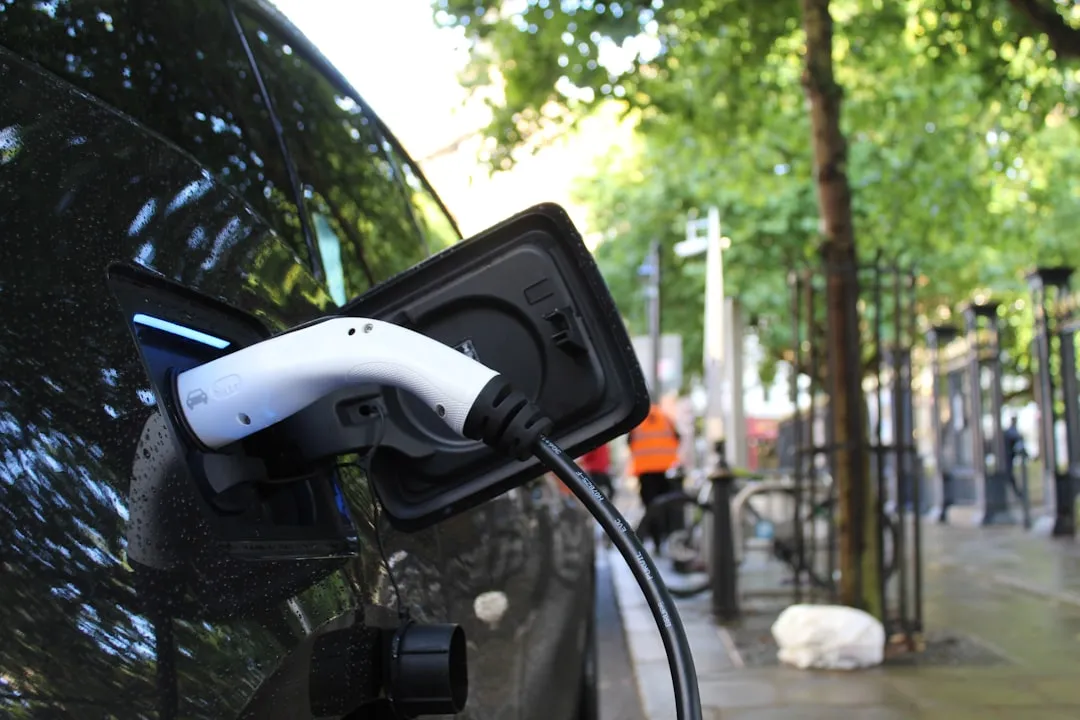
- GridCars: Operates over 450 public AC and DC charging stations (60% of SA’s public capacity), with 650 chargers and 1,200+ connectors accessible via the Charge Pocket app.
- Rubicon: Runs 103 public stations plus 20 OEM dealership sites; handled 21,606 transactions dispensing 625 MWh in 2025 (up 159% from 2024).
- BYD Flash Network: Plans to install 200–300 megawatt-scale chargers by end-2026, starting at dealerships in April/May then expanding to highways — potentially transformative for 10–80% charges in under 20 minutes.
- CHARGE: Building 120 solar-powered off-grid stations along N3 and N1 corridors, with two ultra-fast N3 sites expected by June 2026 (each costing ~US$1.25m but sidestepping Eskom unreliability).
What e-hailing drivers need to know
Home charging remains the economic foundation: at R2.50/kWh (municipal average), a 60 kWh charge costs R150 and delivers ~340 km. Public DC fast charging runs R4–R6/kWh — acceptable for top-ups but unsustainable as a primary strategy. NERSA’s 8.76% Eskom tariff increase (effective 1 April 2026) lifts home charging to ~R2.72/kWh, but that’s still R0.54/km versus R1.80/km for petrol.
The practical advice from u/mikeonh on r/electricvehicles applies directly: “I ask potential owners these questions: What is your daily drive like? Where do you like to go on road trips? Can you charge at home, work, or school? Do you plan to tow? Will the EV be your only vehicle? What is public charging like in your area?” For e-hailing, translate that to: Can you charge overnight at home? Does your usual route stay within 80% of rated range? Are there backup DC chargers along your busiest corridors?
Government policy and industry response
South Africa’s 150% New Energy Vehicle manufacturing tax incentive activated on 1 March 2026, designed to stabilise long-term pricing by encouraging local assembly. While no Chinese OEM has announced SA manufacturing yet, the incentive signals government intent to support EV adoption beyond wealthy early adopters.
Automakers are responding with volume plays: BYD’s 316-unit March performance proves Chinese brands can scale quickly when pricing hits the sweet spot. Dongfeng’s Bolt partnership adds a second major player, and Geely’s sub-R400k models are rumoured for Q3 2026. The National Public Transport Regulator’s new e-hailing rules (effective 27 February 2026) impose R100,000 fines for non-compliance but don’t yet mandate EV adoption — though Bolt’s move suggests platforms see EVs as a competitive differentiator.
What this means for SA e-hailing drivers
The math is stark: a driver covering 6,000 km monthly saves R7,800 on fuel alone by switching from petrol to home-charged EV. Over 36 months (typical vehicle finance term), that’s R280,800 — enough to offset the Atto 3’s R530,000 sticker versus a R350,000 petrol crossover.
But three barriers remain:
- Upfront capital: Even the R339,900 Dolphin Surf requires a R68,000 deposit (20%) and R5,100/month over 72 months at prime + 2%. Fleet rental (Bolt’s YugoRide model, Uber’s R4,000/week) solves this but eats into the fuel savings.
- Charging access: Drivers in flats or townships without off-street parking face a structural disadvantage. Public charging at R5/kWh cuts the fuel saving to ~R4,000/month — still worthwhile, but less transformative.
- Range discipline: A petrol car forgives poor planning; an EV doesn’t. The learning curve is real, as multiple Reddit voices confirm, but flattens after 2–3 months once drivers internalise their real-world range.
One bright spot for used-EV buyers: u/tatlar on r/electriccars highlights that “The 10-year battery warranty is the best protection I can get on a used buy.” Most Chinese EVs in SA carry 8-year/150,000 km battery warranties, transferable to second owners — critical for the thriving used-car market that supplies many e-hailing entrants.
What’s next: key dates for 2026
- June 2026: CHARGE’s first two solar-powered ultra-fast chargers on N3 corridor go live; BYD begins highway rollout of megawatt Flash stations.
- July 2026: Municipal electricity tariffs rise 9.01% (NERSA decision); home charging cost climbs to ~R2.97/kWh but remains far below petrol parity.
- December 2026: Bolt’s 500-EV Cape Town target; BYD aims to complete 200+ Flash chargers; Geely’s rumoured sub-R400k models expected.
- Q1 2027: Uber likely to expand EV programme beyond current Johannesburg/Cape Town footprint; watch for pricing adjustments as competition heats up.
The next six months will clarify whether SA’s EV infrastructure can support commercial-scale e-hailing. BYD’s charging network is the wildcard: if 200 megawatt stations materialise by year-end, range anxiety evaporates for most urban/peri-urban routes. If rollout lags, early EV adopters in e-hailing will face the stress one driver described: arriving at 5% charge, “stressed and a little bit rattled.”
Ready to charge smarter?
ChargePoint SA has installed over 500 home and commercial chargers across South Africa since 2021, with same-week site assessments in Cape Town, Johannesburg, Durban, and Pretoria. We work with municipal electrical compliance, handle COC certificates, and size the installation to your actual usage — not an off-the-shelf guess. If Bolt’s EV launch or the Atto 3’s R7,800 monthly saving has you thinking seriously about electrification, get a free site assessment and quote before you sign any fleet rental or finance agreement. Knowing your true charging cost is the difference between an EV that prints money and one that keeps you up at night watching the battery gauge.
Image credits
BYD Atto 3 image from Wikimedia Commons, CC BY-SA 4.0 · Image: Volvo Cars Global Media (press kit)