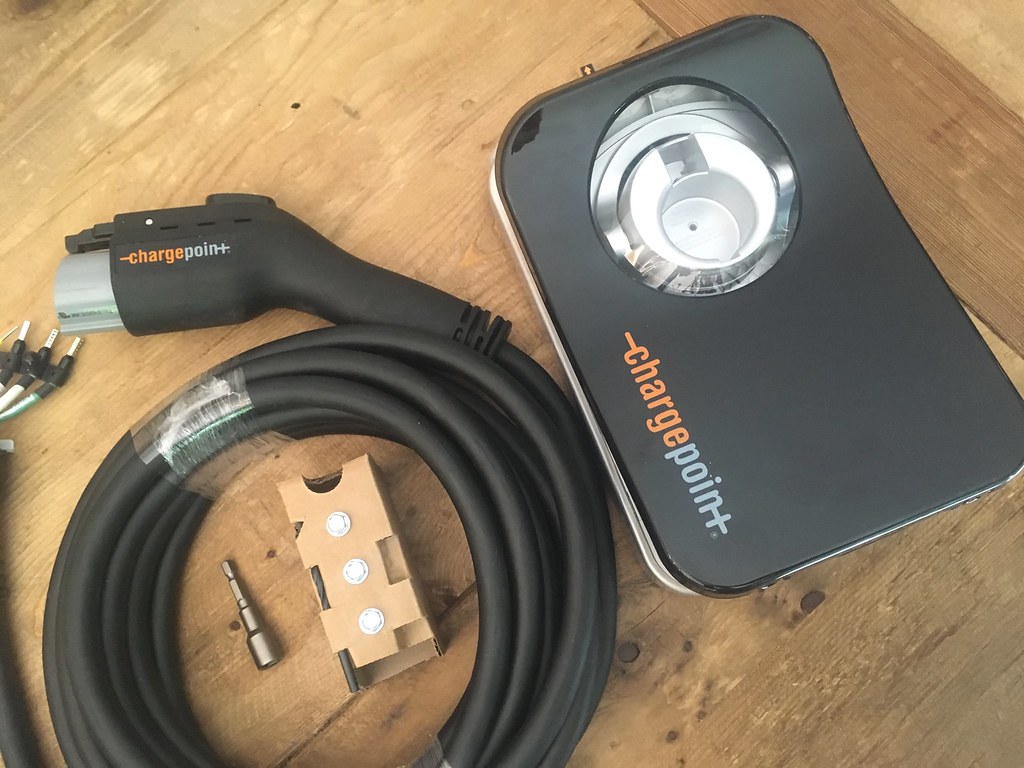
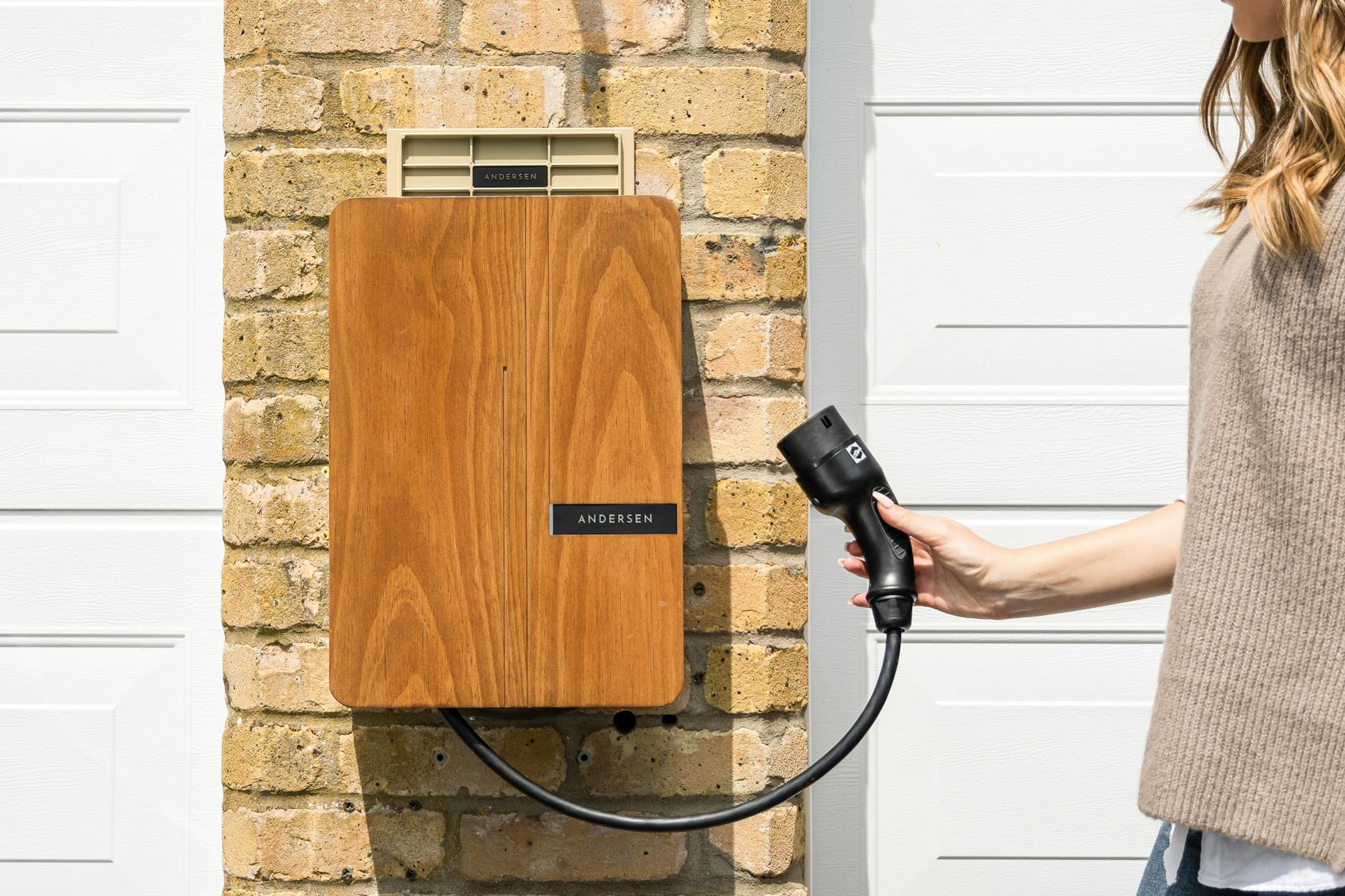
For the first time in nearly a decade, South African EV owners can do something that once felt impossible: set their car to charge at 11pm and go to sleep knowing the power will actually be on. Eskom has officially entered the 2026 winter season projecting a period of continued energy stability from 1 April to 31 August 2026 — with zero load shedding anticipated. Together, the utility’s improvements have supported a period, as of 26 April, of 345 consecutive days without load shedding. That is the single most important sentence in South Africa’s EV story right now.
Think about what that actually means. For five years, every conversation about buying an EV in this country hit the same wall: “But what about Eskom?” It wasn’t a bad question. It was a completely reasonable one. You’d spend R700,000 on a car, install a wallbox charger, plan your life around overnight charging — and then Stage 4 would land at midnight and you’d wake up with a flat battery. That objection is now gone. Dead. The grid has moved on.
And the timing could not be more loaded. Fuel prices are surging toward levels that would have seemed dystopian three years ago. South African motorists are facing a projected petrol price increase of between R2.29 and R2.63 per litre in May 2026, with diesel set to rise significantly as well. Meanwhile, the Geely E2 has officially taken the title of South Africa’s most affordable electric vehicle with a starting price of R339,900, undercutting the BYD Dolphin Surf by R2,000. A stable grid. Sky-high fuel costs. Sub-R340K EVs. The stars are aligned.
What Eskom Actually Did: The Numbers Behind the Recovery
Sceptics — and there are plenty — will want to know how we got here. This isn’t luck. With the Generation Recovery Plan firmly embedded in day-to-day operations, Eskom has moved beyond short-term recovery into a phase of stability and sustained energy security. This is underscored by maintaining a consistent Energy Availability Factor (EAF) of 65% in FY2025/26, a marked improvement from approximately 55% two years ago. Read that again. From 55% to 65% EAF — the measure of how much of Eskom’s total installed generation capacity is actually available to produce electricity. In two financial years.
The headline metric is the dramatic reduction in breakdowns. Unplanned losses, as measured by the Unplanned Capacity Loss Factor, declined by approximately 7.1GW — falling from 16.5GW to roughly 9.1GW as at 31 March 2026, a reduction exceeding one-and-a-half times the capacity of Kusile Power Station. That is not a small number. That is the equivalent of getting an entire massive power station’s worth of previously broken-down plant back online — consistently.
Planned maintenance tells another story too. Planned maintenance increased from an average of 4.7GW in FY2023 to peaks of around 8.0GW, with an annual average of 5.4GW in FY2026, strengthening long-term plant reliability. You maintain machines properly, they stop breaking. And the money saved is staggering: diesel costs dropped by R26.9 billion compared to FY2023, coming in at around R6.4 billion in FY2026, roughly R10 billion less than the year before.
Eskom now carries a surplus peak capacity of about 6GW over the entire winter period — enough breathing room that even if unplanned outages spike to 14GW, the system holds without load shedding.
Additional capacity was secured primarily through a 5.2GW reduction in unplanned losses, supplemented by 1.1GW from demand-side management programmes. On this basis, Eskom has a surplus peak capacity of about 6GW over the winter period. Eskom CEO Dan Marokane summed it up simply: “Eskom, and in turn South Africa, now has a stable electricity platform to operate and grow from.”
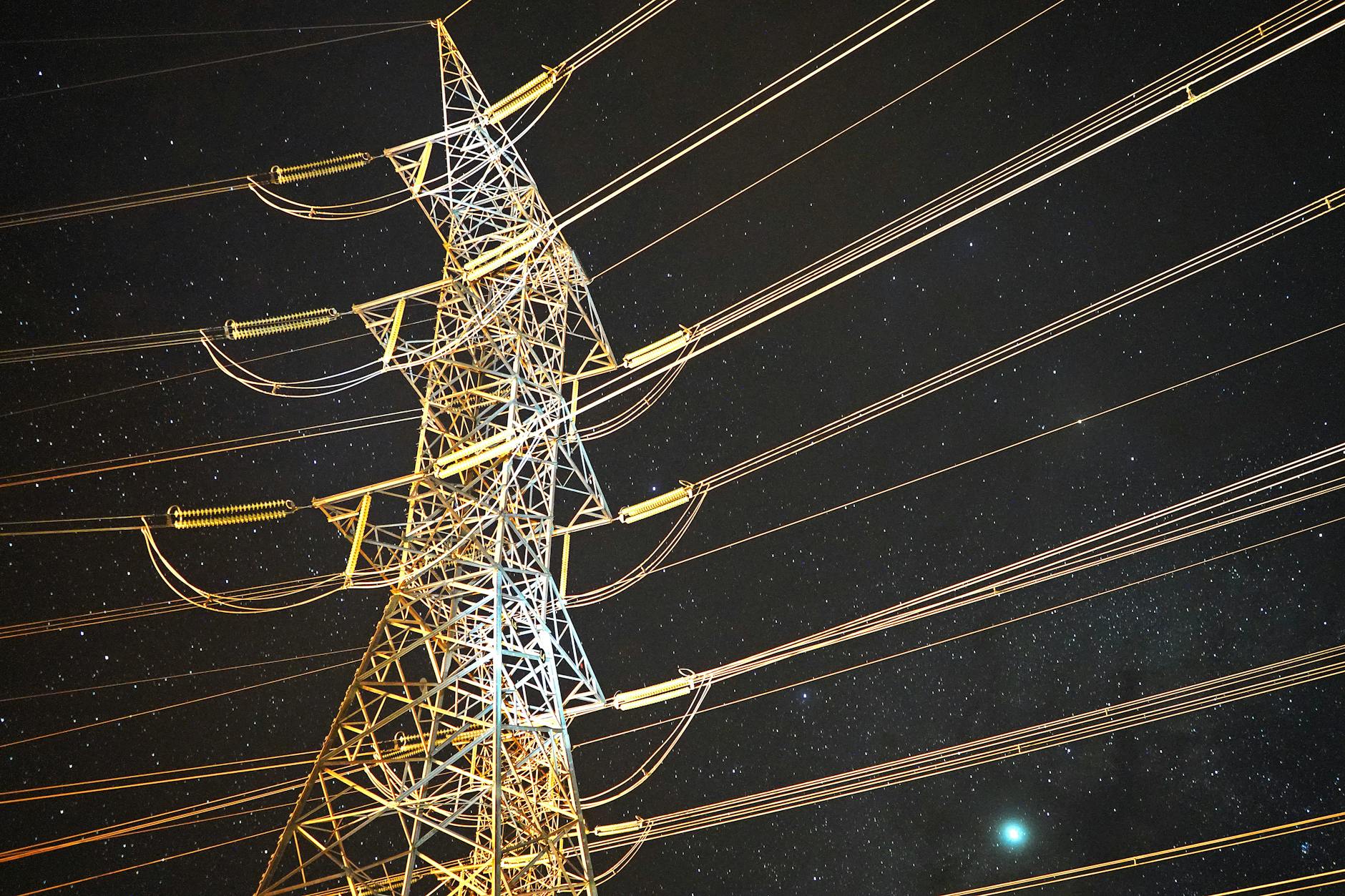
Why This Is the EV Industry’s Watershed Moment
Here’s the thing: range anxiety was never really SA’s biggest EV problem. Our grid anxiety was. You can solve range anxiety with a bigger battery or more public chargers. But you can’t solve load shedding with hardware. The psychological block was total.
Now it isn’t. And the practical implications for EV ownership mathematics are enormous. Cape Town off-peak electricity rates sit at around R1.89/kWh between 10pm and 6am. Johannesburg is even cheaper at approximately R1.75/kWh during those overnight hours. Fill a BYD Atto 3’s 60.5 kWh battery completely during off-peak hours and you’re spending around R114 for 420 km of range. That works out to R0.27 per kilometre. Compare that to a diesel Toyota Fortuner at around R2.08/km at current diesel prices, and the EV is saving you R1.81 every single kilometre you drive.
At 15,000 km per year — a modest figure for most family cars — that’s roughly R27,150 in annual fuel savings. Before that, you couldn’t rely on off-peak charging because Eskom would strip the power away at exactly the wrong moment. Now you can. That changes the entire home charger investment calculation. Want to calculate your savings on off-peak tariffs with your specific car and driving habits? Plug your numbers in and see exactly what you’d save.

The Real Maths: Three EVs vs Their Petrol Rivals
Let’s put some actual Rand figures on this, because numbers tell the story better than enthusiasm does.
| EV Model | Cost per km (off-peak) | Petrol/Diesel rival | Rival cost per km | Annual saving (15K km) |
|---|---|---|---|---|
| BYD Atto 3 (60.5 kWh) | R0.27 | Toyota Fortuner (diesel) | R2.08 | R27,150 |
| Tesla Model 3 (60 kWh) | R0.22 | BMW 3 Series (petrol) | R1.59 | R20,550 |
| Hyundai Ioniq 5 (72.6 kWh) | R0.29 | Mercedes GLE (diesel) | R1.95 | R24,900 |
And here’s where the stable grid changes the home charger ROI calculation completely. A quality 7.4kW wallbox installation averages around R13,000 all-in. Against the Atto 3’s R27,150 annual saving, that charger pays for itself in under six months. Before the grid stabilised, that investment felt like a gamble — what if load shedding made it useless half the time? Now it’s just maths. Good maths. Get a free installation quote and find out exactly what your setup would cost.
SA’s EV Market Is Responding in Real Time
The sales figures for March 2026 make for genuinely exciting reading if you follow this market. The BYD Dolphin Surf saw 239 new units leave showroom floors, making it the best-selling EV in SA in the third month of 2026. That is a record. And it’s not a premium car driving those numbers — this is affordable EV adoption happening in real time.
NAAMSA recently published the official industry sales report for March 2026, revealing that BYD sold a total of 589 units. In its first month of official reporting, BYD effectively disrupted the local hierarchy, ranking 21st overall. With 589 units sold, it narrowly trailed Mercedes-Benz but significantly outsold long-established names like Honda, Mitsubishi, and Mazda. Let that land. A Chinese EV brand, in month one of official reporting, outselling Honda in South Africa.
Then came the Geely E2. The Geely E2 — known as the EX2 in some countries and the Xingyuan in China, where it was that nation’s best-selling vehicle overall in 2025 — has officially arrived in South Africa, launching as the local market’s most affordable fully electric vehicle. The e-motor is coupled with a 39.4 kWh lithium-iron phosphate battery pack and provides an operating range of up to 325 km (WLTP) when fully charged. For R339,900. That’s the price of a well-specced Volkswagen Polo. All models include a wallbox home charger — so the charging infrastructure question is solved right there in the purchase price.
Interest is also surging beyond just sales. AutoTrader recorded a 45% increase in EV search queries during March 2026 compared to February 2026. The curiosity is converting. According to Winstone Jordaan, director of charging network GridCars, the cost of running an EV is roughly two-thirds that of a petrol vehicle. And that gap is widening every month as fuel prices climb.

The Fuel Price Context Makes the Timing Even More Urgent
If a stable grid is the push, the May fuel price outlook is the shove. South African motorists are likely to face another significant rise in fuel prices in May 2026, with early projections indicating increases that may surpass the sharp hikes implemented in April. Petrol, diesel and illuminating paraffin prices are under pressure due to ongoing volatility in global oil markets and a weaker rand.
The situation with diesel is particularly concerning. Early wholesale diesel projections from the Central Energy Fund showed potential increases, though final retail impacts will depend on international pricing and rand exchange rates in the days leading up to the official announcement. If you drive anything with a diesel engine — a bakkie, an SUV, a delivery vehicle — you are staring down escalating costs. The EV alternative, by contrast, is insulated from Brent Crude. Your fuel is electricity, and your fuel source just got a 345-day clean bill of health from Eskom.
If you’re weighing your options between models right now, our full running cost breakdown comparing EVs to petrol and diesel cars gives you the complete picture across multiple vehicle categories.
Load Reduction Is Not Load Shedding — But It’s Still a Thing
One important distinction that deserves clarity: load shedding and load reduction are not the same animal. Load shedding is the national rotational blackout system — the Stage 2, Stage 4, Stage 6 hell we all lived through. That is gone, and Eskom projects it stays gone through winter. Load reduction is different: it’s localised, distribution-level management in areas with high levels of illegal connections and infrastructure strain.
Load reduction is implemented by the power utility to protect infrastructure from overloading and destruction where there are illegal connections. Eskom’s elimination programme is already yielding results, with the Northern Cape and Western Cape now fully removed from load reduction schedules. Nationally, more than 340,000 customers who previously faced load reduction are no longer experiencing it.
By September 2026, Eskom expects that about 60% of feeders currently affected by load reduction, 573 out of 971, will be removed from load reduction, with the remaining feeders addressed progressively by 2027. So if you live in a township area that still experiences unscheduled cuts, keep your eye on progress — but don’t conflate that with the national load shedding story. They are fundamentally different problems with different timelines.
For EV owners specifically: if you’re in a load reduction-affected area and want to check backup charging infrastructure near you, the live EV charging map shows you public fast chargers you can use as a backup to your home setup.
Do You Still Need a Backup Inverter If You Have an EV?
This question is becoming almost philosophical. Two years ago, the answer was obvious: yes, absolutely, non-negotiable. Today it’s more nuanced. For most South Africans in urban and suburban areas, the honest answer is: probably not as urgently as before — but load reduction in some areas means peace of mind still has value.
What has changed dramatically is the calculus of the EV as backup power itself. Several of the new affordable EVs arriving in SA include vehicle-to-load (V2L) capability. The Geely E2 features vehicle-to-load (V2L) technology, allowing you to use the car’s battery to power external appliances during load-shedding or camping trips. So the EV isn’t just replacing your transport costs — it’s potentially replacing your inverter too. On a braai weekend in the Berg with no Eskom connection, your car is now your power station.
The psychological shift here is profound. We went from “I can’t trust the grid to charge my EV” to “I’m using my EV to power my home during grid failures.” That is a complete inversion of the original objection.
The Verdict: Stop Waiting, Start Calculating
Look, I’ve been writing about South African EVs for a while now, and for most of that time there was always a legitimate reason to hedge. The grid was genuinely unreliable. The fear was rational. But that argument has been taken off the table — not by optimism, not by green marketing, but by data. The system has stabilised, with approximately 345 days without load shedding, supported by a meaningful improvement in plant performance — the Energy Availability Factor (EAF) has increased from around 55% in 2023 to about 65% in the 2026 financial year. That’s the proportion of Eskom’s total installed generation capacity that is actually available to produce electricity — a jump from barely half to nearly two-thirds in just two years.
We have affordable EVs under R340,000 arriving from China. We have fuel prices heading toward levels that will genuinely change household finances. We have a grid that has not shed a single stage of power in nearly a year. And we have Eskom, of all entities, confidently projecting zero load shedding through the coldest months of the year.
The “wait and see” era is over. The question is no longer whether to consider an EV — it’s which one, and whether to get your home charger installed now before the inevitable rush. Calculate exactly what you’d save with your current commute distance and driving habits. The numbers, right now, in April 2026, have never made more sense.

FAQ
Is load shedding really over in South Africa?
Eskom confirmed that no load shedding is expected between 1 April and 31 August 2026, with the utility reporting a surplus of about 6 gigawatts above what the country needs. As of 26 April 2026, South Africa has gone 345 consecutive days without a single load shedding event. This covers the entire winter period — historically the most challenging season for the grid. Eskom’s official position is that the Generation Recovery Plan has moved the country from short-term recovery into sustained stability.
What if load shedding comes back? Will my EV be stuck?
Even under higher-stress conditions, where unplanned losses approach 14GW, the system is expected to remain resilient, with no load shedding anticipated. But in a worst-case scenario where shedding returned, most EV owners would simply schedule charging during off-peak hours when power is available — the same way they manage washing machines and pool pumps. Additionally, newer EVs like the Geely E2 include V2L technology, meaning your EV can power your home during any outages rather than the other way around.
How much can I actually save with off-peak EV charging in South Africa?
On Cape Town off-peak tariffs of around R1.89/kWh, a full charge on a BYD Atto 3 (60.5 kWh) costs approximately R114 and delivers 420 km of range — around R0.27/km. A comparable diesel SUV costs roughly R2.08/km at current diesel prices. At 15,000 km per year, the EV saves approximately R27,150 annually. The home charger installation typically costs around R13,000, meaning payback in under six months at those savings rates. Use the EV savings calculator to get figures specific to your tariff zone and driving distance.
Do I still need a backup inverter if I own an EV?
For most urban South Africans, the urgency has dropped dramatically. The Northern Cape and Western Cape are now fully removed from load reduction schedules. If you live outside a load reduction-affected area, a dedicated inverter is far less critical than it was in 2023. Several new EVs — including the Geely E2 — include V2L (vehicle-to-load) functionality that lets you power appliances directly from the car’s battery, potentially replacing your inverter entirely. Check your specific suburb’s load reduction status before making that investment decision.
Should I buy an EV now or wait for better models or lower prices?
Buy now. The combination of a stable grid, record-low entry prices (R339,900 for the Geely E2), surging fuel prices heading into May 2026, and the new crop of affordable Chinese EVs represents the best conditions South Africa has ever seen for EV ownership. Figures from NAAMSA show 1,088 BEVs were sold in 2025, up from only 92 units in 2020. The market is early, infrastructure is growing fast, and the savings begin from day one. Waiting means paying more at the pump every month you delay. Check the live charging map for public charger coverage in your area, and get a quote for your home charger installation before the rush.
Continue Reading