In total, Naamsa recorded 389 EVs sold in South Africa in March 2026 — a new monthly record for local full-electric sales, with BYD the clear leader at 316 fully electric car sales.
That single month is extraordinary context:
domestic 2025 EV sales came in at just 1,088 units for the entire year — down 13.4% from 1,257 units in 2024 — and that figure excluded Chinese brands BYD, Geely and Dongfeng, which did not report to the industry body.
March 2026 alone now represents 36% of what the entire reported market managed in 2025. The numbers are telling a clear story: South Africa’s EV market just crossed the chasm.
The star of the show?
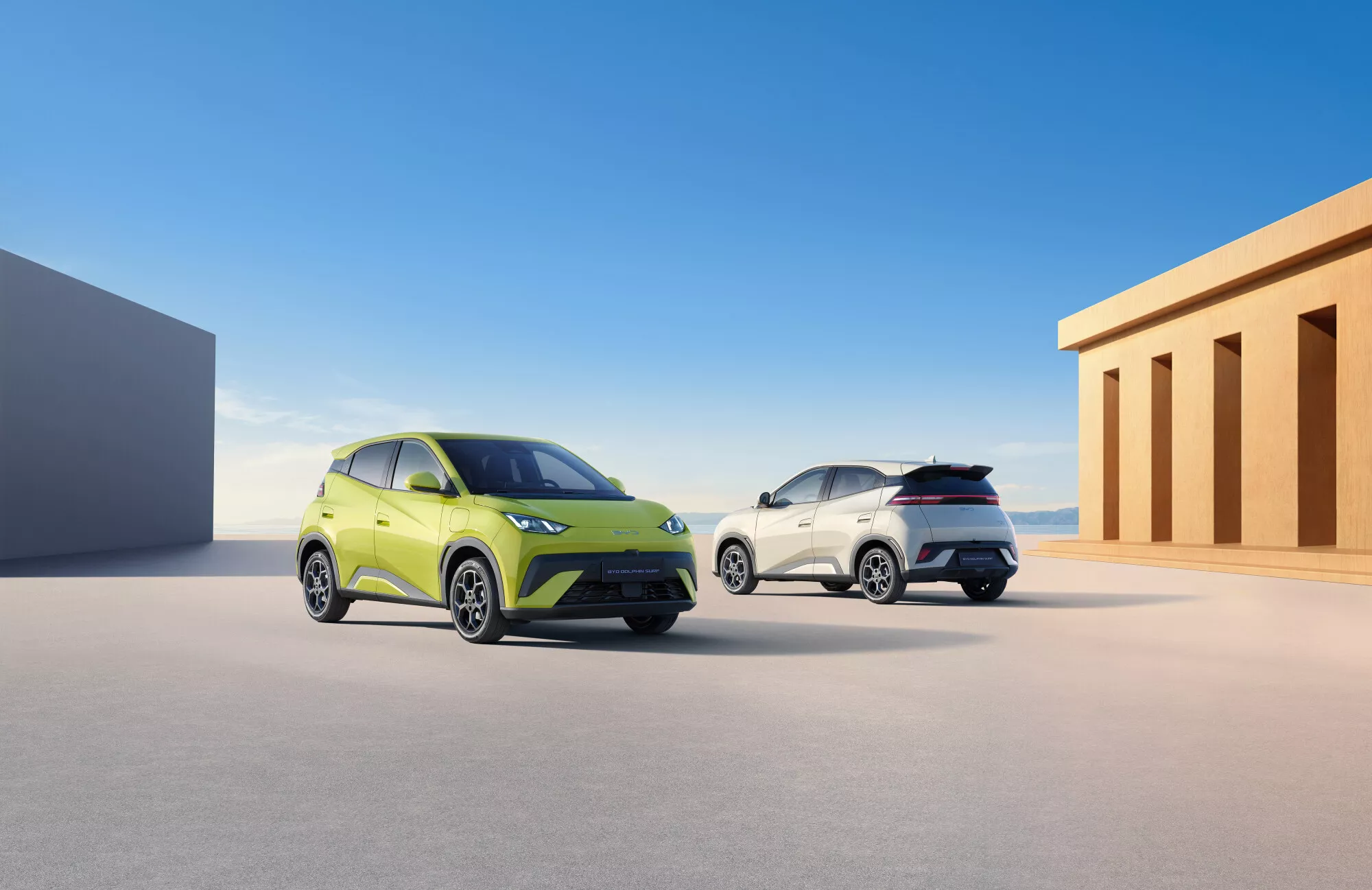
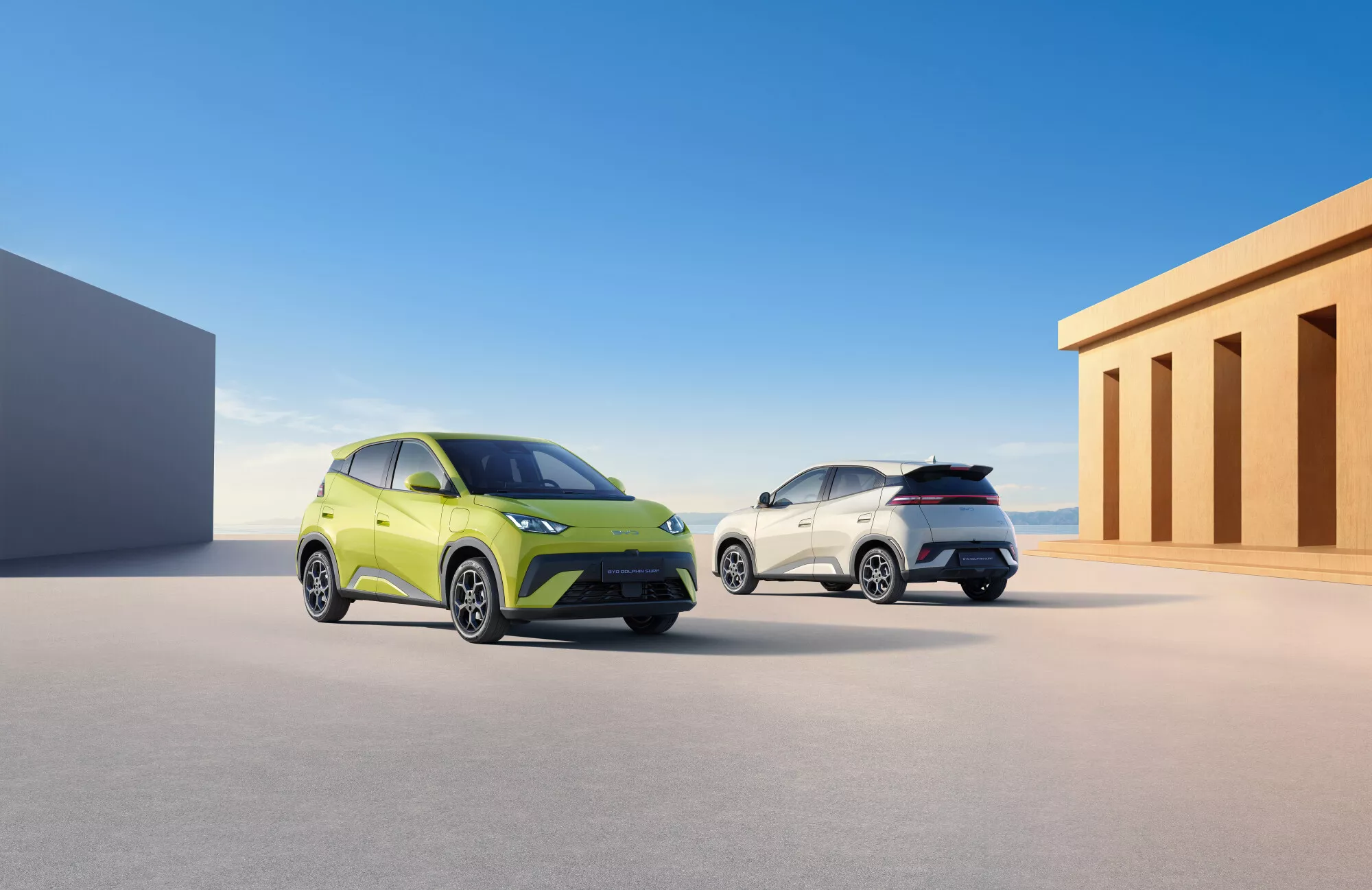
In March 2026, the first month BYD reported its sales, the Dolphin Surf sold 239 units to become the country’s best-selling battery-electric vehicle by a wide margin.
To put that in perspective,
its 239 sales last month eclipsed several petrol models such as the Hyundai Alcazar (160) and Honda Fit (63).
This isn’t just an EV story. It’s a car market story.
And it didn’t happen by accident. A perfect storm of affordable pricing, surging fuel costs, a stable grid and fresh government incentives all converged at exactly the right moment. Here’s the full breakdown of why March 2026 rewrote SA’s EV story — and why the best is still to come.
The March 2026 Sales Breakdown: BYD Dominates, But the Market Is Growing
BYD’s 589 total units in March were enough to rank 21st on the list of South Africa’s best-selling automakers, just behind Mercedes-Benz SA — but well ahead of legacy brands such as Honda Motor Southern Africa (348 units), Mitsubishi Motors SA (241 units) and Mazda Southern Africa (209 units).
For a brand that doesn’t sell a single petrol or diesel model in SA, that’s genuinely remarkable.
Within BYD’s own line-up, the split between pure EVs and plug-in hybrids tells an interesting story.
The fully electric Atto 3 crossover added 28 units, while the Seal sedan and Sealion 7 crossover each contributed 9 units, and the Dolphin hatch rounded things out with 8 units.
So BYD’s 316 fully electric units in March accounted for 81% of SA’s entire reported EV market. One brand. 81%.
Second-placed was the BYD Atto 3 (priced from R699,900) with 28 units, and the Volvo EX30 (priced from R835,500) took third place with 19.
Rounding out the remainder are models from Mini, Tesla and Geely — though it’s worth noting again that Geely still doesn’t report to Naamsa, so the actual market is even larger than the official figures suggest.
| Model | March 2026 Units | Market Share (of 389) | Starting Price |
|---|---|---|---|
| BYD Dolphin Surf | 239 | 61.4% | R341,900 |
| BYD Atto 3 | 28 | 7.2% | R699,900 |
| Volvo EX30 | 19 | 4.9% | R835,500 |
| BYD Seal + Sealion 7 + Dolphin | 26 | 6.7% | From R529,900 |
| All others (Mini, Tesla, Geely, etc.) | 77 | 19.8% | Various |
How Much Could You Save With an EV?
Use our free calculator to compare your current fuel costs with EV charging costs.
Why the BYD Dolphin Surf Is Crushing It
Look, the answer is mostly price. But it’s also more than that.
Unveiled in September 2025 as the country’s most affordable EV, the Dolphin Surf at R341,900 for the entry-level Comfort variant is significantly cheaper than other EVs and competes directly with petrol-powered compact cars such as the Volkswagen Polo Vivo, Suzuki Fronx and Toyota Urban Cruiser.
When you’re in the same conversation as the Polo Vivo, you’re no longer a niche product.
The Dolphin Surf is powered by a single electric motor, fed by a 30.1 kWh battery pack in Comfort spec and a 38.9 kWh item in Dynamic guise. Both models produce 55 kW and 135 N.m of torque, with claimed operating ranges of up to 232 and 295 km for the Comfort and Dynamic respectively.
For context, the average South African daily commute sits around 40-50 km. That 232 km Comfort range covers a week’s worth of typical Joburg or Cape Town driving on a single charge.
The Dolphin Surf is also a 2026 SA Car of the Year finalist
— which generates exactly the kind of mainstream media attention that pushes undecided buyers off the fence. And then there’s the warranty:
buyers get a 3-year/100,000 km vehicle warranty, a 3-year/60,000 km service plan, and an 8-year/200,000 km battery warranty.
That eight-year battery cover is among the strongest in any price bracket anywhere in the market right now.
Safety is locked down too.
The BYD Dolphin Surf carries a 5-star Euro NCAP safety rating and comes equipped with auto LED headlamps, ABS, EBD, electronic stability control and dual front and curtain airbags on the Comfort variant.
It also features BYD’s proprietary Blade Battery and inherits the safety attributes of the e-platform 3.0, bringing a body structure designed exclusively for pure electric vehicles.
Want to know exactly how much you’d save switching from your current petrol car? Calculate your savings with our free EV cost calculator — it only takes about two minutes.
The Running Cost Argument Is Getting Hard to Ignore
Here’s where it gets really compelling.
According to Winstone Jordaan, director of charging network GridCars, the cost of running an EV is roughly two-thirds that of a petrol vehicle — and the fuel price hikes in April, with further increases expected in May, have added to the appeal of EV ownership.
Let’s run the actual numbers for a BYD Dolphin Surf Comfort on Cape Town off-peak rates (R1.89/kWh): a full 30 kWh charge costs roughly R56.70, giving you 232 km. That’s R0.24/km. Compare that to a VW Polo 1.0 TSI at 5.0L/100km with petrol at R24.50/L — you’re paying R1.23/km. The saving is R0.99 per kilometre, which adds up to roughly R14,850 a year over 15,000 km driven.
And those fuel costs aren’t going down any time soon. According to the Automobile Association of South Africa,
South African motorists are likely to face another significant rise in fuel prices in May 2026, with early projections indicating increases that may surpass the sharp hikes implemented in April, due to ongoing volatility in global oil markets and a weaker rand driven by escalating geopolitical tensions in the Middle East.
Brent crude oil prices have been pushed above $100 per barrel, while uncertainty around shipping routes through the Strait of Hormuz continues to influence global energy markets.
Now, those R0.24/km figures above assume off-peak home charging at Cape Town municipal rates. Real-world costs vary depending on your municipality, time-of-use tariff, and whether you’re using public DC fast charging (which can push costs to roughly R0.50/km). For comparison, a typical petrol hatchback at current fuel prices averages R1.80 to R2.20 per km — so even at the higher public-charging rate, you’re still saving significantly. Over 15,000 km a year, that translates to roughly R20,000 to R25,000 in annual fuel savings for most drivers who charge primarily at home during off-peak hours.
March 2026 alone — 389 EVs sold — represents 36% of South Africa’s entire reported EV market for 2025. And Geely and Dongfeng still haven’t started reporting.
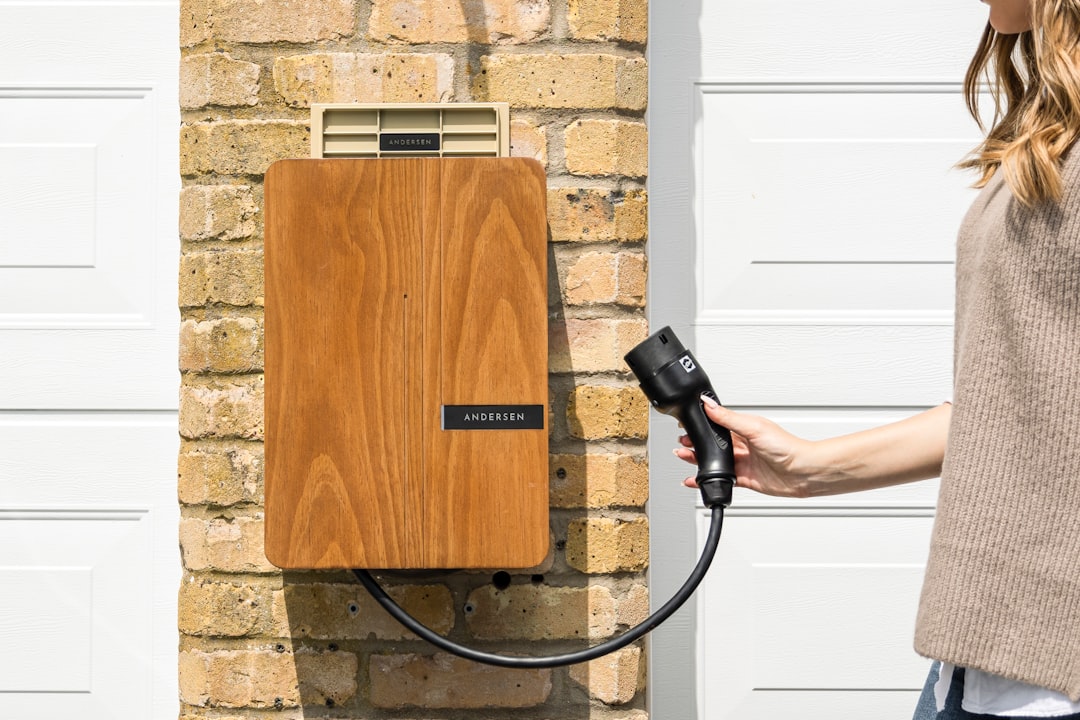
Add a home charger (averaging around R13,000 installed) and the payback period on that additional cost sits at roughly 10 months given those kinds of fuel savings. Get a free home charger installation quote from ChargePoint SA and find out exactly what it’ll cost to set up your home charging solution.
Ready to Install a Home Charger?
Get a free, no-obligation quote for professional EV charger installation in South Africa.
The Perfect Storm: Why NOW Is Different
South Africa has been “about to have an EV revolution” for about five years. What’s different in 2026 is that multiple things are happening simultaneously — and this time, they’re all pulling in the same direction.
The grid is stable. This is bigger than most people realise. According to Eskom’s official reporting,
as of 22 April 2026, South Africa had reached 341 consecutive days without load-shedding, with Eskom entering the 2026 winter season projecting a period of continued energy stability from 1 April to 31 August 2026.
Eskom maintained a consistent energy supply of 98.9% in the last financial year — a marked improvement from 9% two years ago.
Range anxiety was always the number-one EV objection. Load-shedding fear was a close second. Both are now largely gone.
Sub-R400K EVs are actually here.
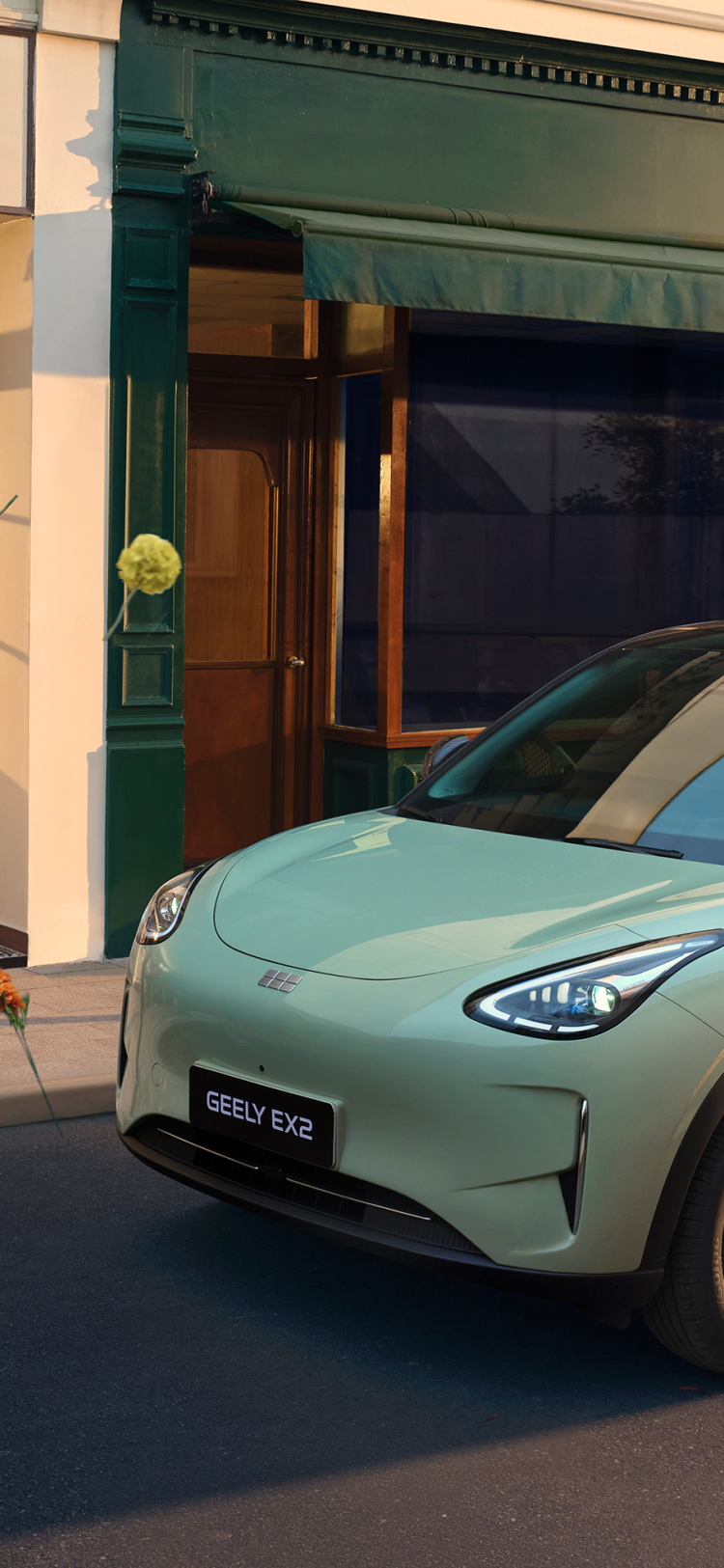
The title of cheapest EV has now been taken by the Geely E2, which made its local debut in April 2026. It promises a driving range of up to 325 km, with fast charging from 30% to 80% in roughly 25 minutes, starting at R339,900.
Competition at the entry level is now real.
There may soon be three new EV models priced under R400,000 in the local market — a significant shift from a market dominated by expensive premium EVs until very recently.
Manufacturing incentives are live. According to National Treasury,
the government introduced manufacturing incentives allowing producers to claim 150% of qualifying investment costs for EVs in the first year, starting March 1, 2026.
This won’t cut showroom prices overnight, but it signals long-term government commitment and is already attracting investment decisions that will benefit consumers in the years ahead.
If you want to compare the two most affordable EVs currently on sale, our BYD Dolphin Surf vs Geely E2 comparison breaks down the specs, range and real-world costs side by side.
What’s Coming Next: The Pipeline Is Stacked
March 2026 is just the beginning.
Later in 2026, BYD is expected to launch the Atto 2 and Sealion 8, while its Denza sub-brand is also on the cards for a local introduction.
The Atto 2 in particular is expected to slot in below the Atto 3 on price, which could open up another significant volume opportunity.
Chery says it will showcase the electric Q — launched as the QQ elsewhere — at Auto China 2026, with the model “set to be offered in South Africa later this year as an accessible entry into electric mobility.”
That would potentially be a third EV under R400,000.
The broader industry is watching a genuine competition for the most affordable EV title, with new entrants like Dongfeng, Leapmotor and Geely all targeting sub-R500,000 price points.
Here’s the thing about all this: these aren’t fringe brands. BYD is the largest EV manufacturer on the planet by volume. The technology coming into South Africa right now is genuinely world-class — backed by proven blade battery tech, solid safety ratings and expanding dealer networks.
In a price-sensitive market like South Africa, affordability, rather than environmental concerns, remains the decisive factor
— and for the first time, affordability is genuinely on the table.
The public charging network is expanding too. Check our live EV charging map to find stations near you across Johannesburg, Cape Town, Durban and the major routes between them.
Find Charging Stations Near You
Explore our live map of EV charging stations across South Africa — updated in real time.
The Verdict: Should You Buy an EV Now?
If you’re shopping for a sub-R400K car in 2026 and your daily drive is under 150 km, the honest answer is: yes, you should at least be test-driving an EV right now. The BYD Dolphin Surf in particular is not a compromise vehicle.
As an affordable and well-equipped urban electric vehicle backed by a three-year/100,000 km warranty, a three-year/60,000 km service plan and an eight-year/200,000 km battery warranty, it brings a new dimension to electric mobility in South Africa. It’s targeted at younger, budget-conscious, city-dwelling customers — most likely first-time EV buyers.
The fuel crisis is real and the trajectory is upward.
Brent crude has climbed back above $100 per barrel, fuelled by escalating geopolitical tensions in the Middle East, with disruptions in the Strait of Hormuz — a critical route carrying roughly 20% of global oil supply — intensifying concerns over supply constraints.
Every litre of petrol you don’t buy is money that stays in your pocket.
The counter-argument — “wait for prices to drop further” — has merit if you can hold on. The Chery Q and more BYD models are coming. But you’d also be paying R24-plus per litre for petrol in the meantime. At some point, the waiting costs more than the buying.
March 2026’s 389-unit record isn’t a blip. It’s the market correcting five years of under-investment in affordable EVs. The question isn’t whether SA’s EV market will grow significantly from here. It’s how fast.
FAQ
Why is the BYD Dolphin Surf so popular in South Africa?
At R341,900 for the entry-level Comfort variant, the Dolphin Surf is significantly cheaper than other EVs and competes directly with petrol-powered compact cars such as the Volkswagen Polo Vivo, Suzuki Fronx and Toyota Urban Cruiser.
It’s also a 2026 SA Car of the Year finalist, carries a 5-star Euro NCAP rating, and comes with an 8-year/200,000 km battery warranty — making it the first EV that truly makes financial sense for the average South African buyer.
Are Chinese EVs like BYD reliable?
BYD is the world’s largest EV manufacturer by volume, not a niche start-up.
The Dolphin Surf features BYD’s proprietary Blade Battery and the safety attributes of the e-platform 3.0, bringing a body structure designed exclusively for pure electric vehicles.
The Blade Batteries are engineered to last for 1.5 million kilometres, and BYD backs this with an 8-year/200,000 km battery warranty alongside a 3-year vehicle warranty and service plan.
That’s more confidence than most Japanese petrol cars offer.
How much can I save per month versus petrol?
Driving on electricity costs roughly R0.24/km for off-peak home charging (or up to R0.50/km for public DC fast charging), compared to a petrol hatchback averaging R1.80 to R2.20 per km at current fuel prices. Over 15,000 km a year, that is a saving of roughly R20,000 to R25,000 annually just in fuel for drivers who charge primarily at home.
That’s roughly R1,660 to R2,080 per month back in your pocket — more than the difference in a monthly instalment between a Polo and a Dolphin Surf. Use our EV calculator to get your personalised number.
Should I wait for even cheaper EVs to arrive?
There may soon be three new EV models priced under R400,000 in the local market — a significant shift from a market dominated by expensive premium EVs until very recently.
The Chery Q and additional BYD models are coming later in 2026. However, with petrol prices forecast to keep rising through May and beyond, every month you delay costs real money at the pump. If a Dolphin Surf or Geely E2 fits your budget and lifestyle today, the fuel savings start immediately.
Where can I test drive a BYD in South Africa?
BYD has been rapidly expanding its dealer footprint, with 90 branches planned for 2026 across major South African cities and key regional towns.
According to Naamsa figures, BYD Auto registered 589 units in South Africa in March 2026, with all sales coming via the dealer channel.
Visit BYD South Africa’s website to find your nearest showroom, or check your local dealer park — chances are there’s one closer to you than you’d expect. And once you’ve taken the test drive, get a free home charger installation quote so you’re ready to charge from day one.
Continue Reading