
Geely E2 vs BYD Dolphin Surf: South Africa’s Sub-R400k EV Showdown (April 2026)
The short answer: both cars start at effectively the same price, but they are very different propositions.
On paper, the Geely has more range, more power, and a faster DC charge. The BYD has the brand recognition, a rapidly expanding dealer network, and seven months of real-world South African data behind it. So which one should you actually buy? Let’s dig in.
The timing is no accident.
AutoTrader recorded a 45% increase in EV search queries during March 2026 compared to February 2026,
driven by fuel price hikes that are making every petrol-station visit feel like a small personal tragedy. The market is ready. The question is whether Geely — a brand only back on our shores since November 2025 — can challenge an incumbent that was already shifting serious metal.
In March 2026, the first month BYD reported its sales, the Dolphin Surf sold 239 units to become the country’s best-selling battery-electric vehicle by a wide margin,
with the second-placed BYD Atto 3 managing just 28 units.
That’s the mountain Geely has to climb. Before you sign anything, use our EV calculator to see what you’d save switching from petrol — the numbers at current fuel prices are genuinely eye-opening.
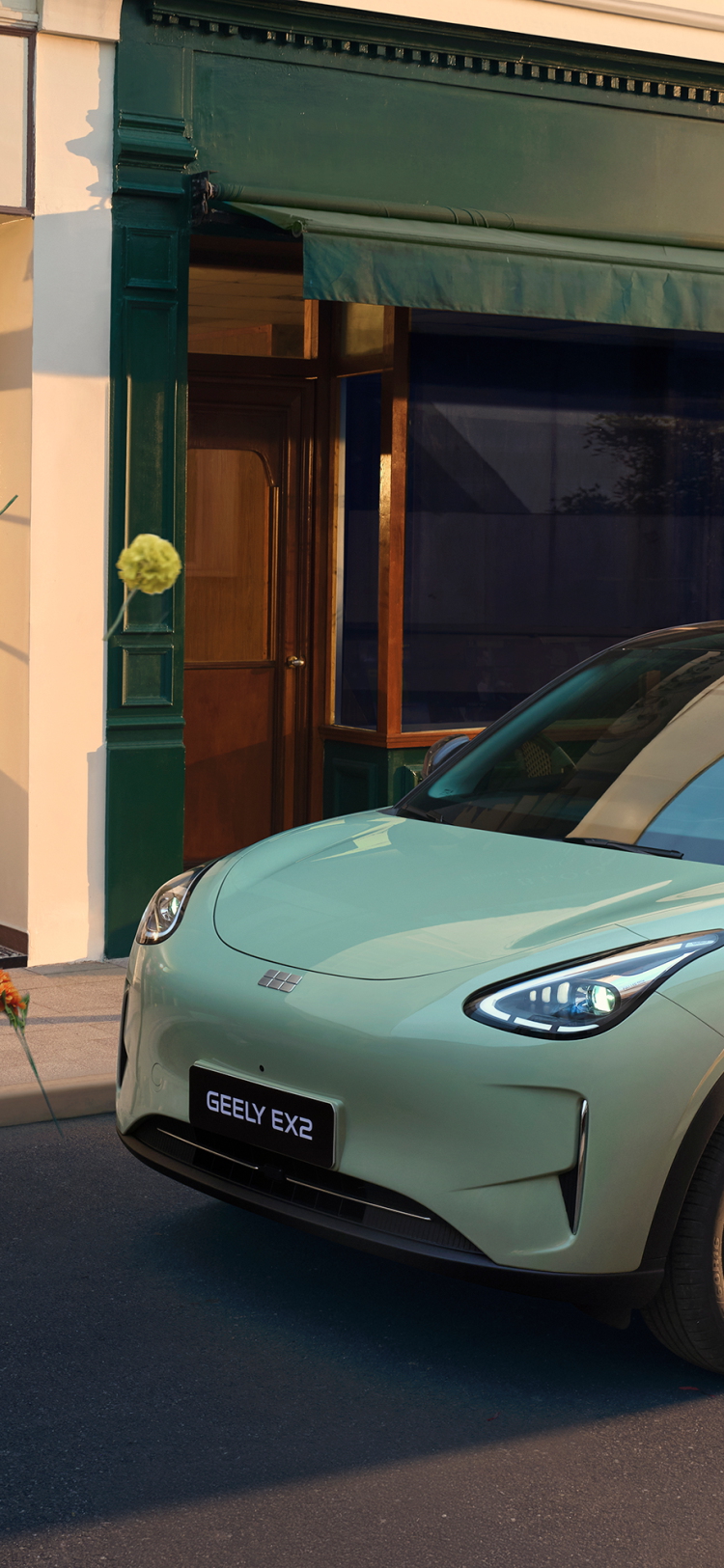
Pricing: Separated by a Tank of Fuel
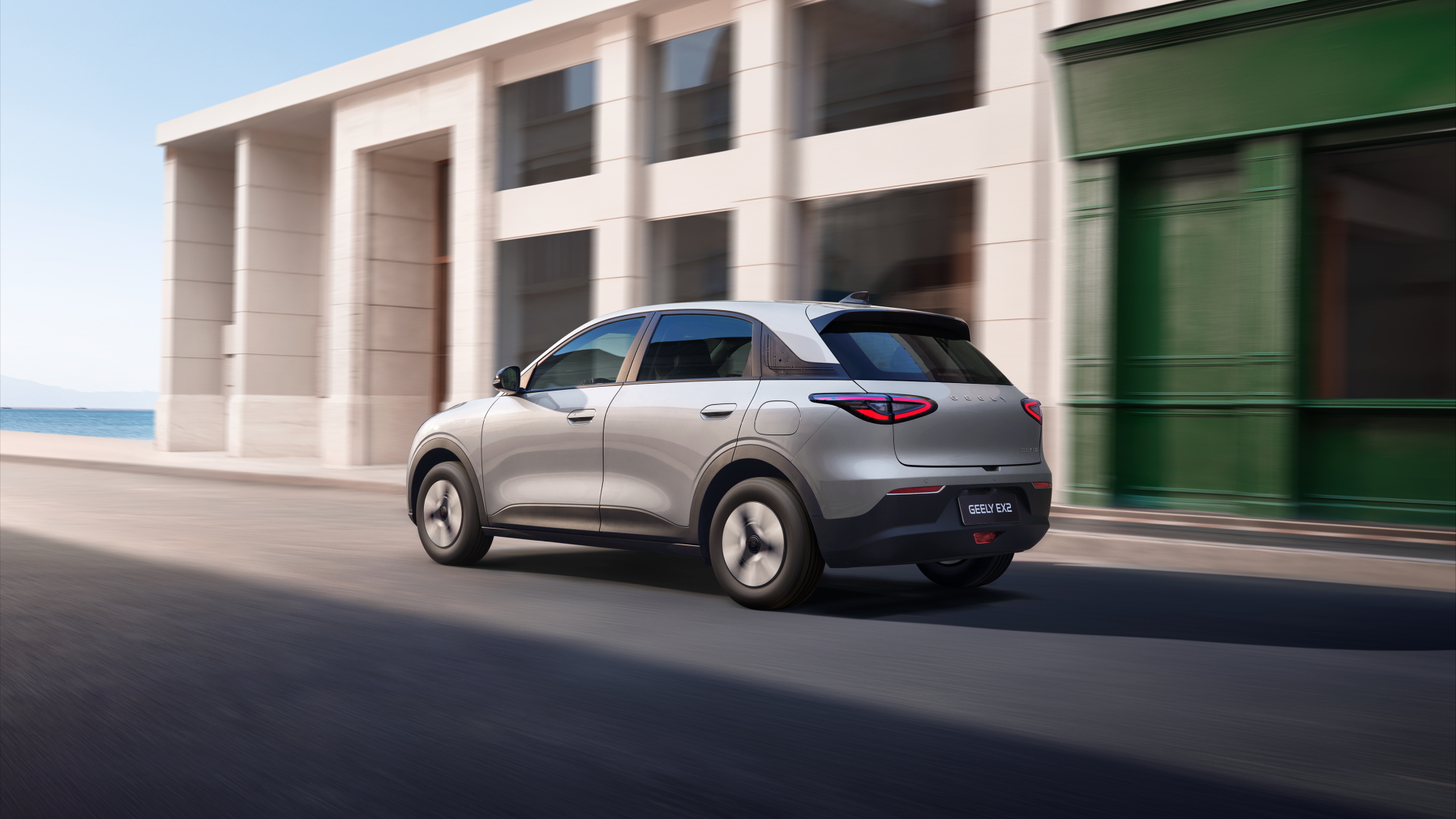
The Geely E2 Aspire starts at R339,900, making it South Africa’s cheapest electric vehicle as of April 2026. The BYD Dolphin Surf Comfort sits at R341,900 — just R2,000 more. At the top end, the Geely E2 Apex costs R389,900 while the BYD Dolphin Surf Dynamic is R393,900. You’re choosing philosophies more than price points.
Geely also throws in a wallbox home charger and, notably,
a R7,500 charging voucher and free installation of a home wallbox charger.
That’s a genuinely compelling package at this price point.
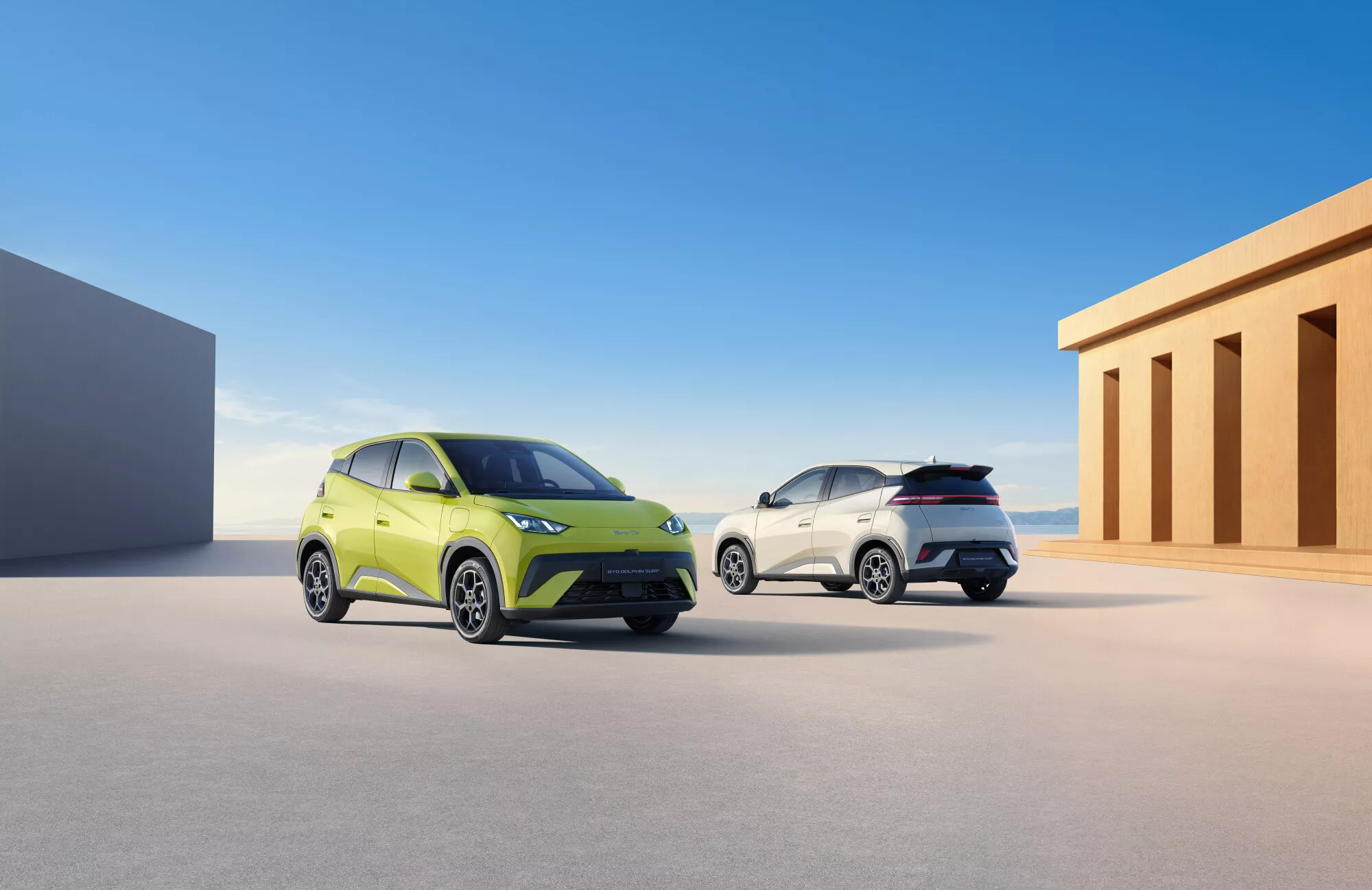
The BYD Dolphin Surf lineup looks like this:
there are two derivatives — Comfort and Dynamic — and the key difference between them is their battery capacities (30 kWh and 38.8 kWh, respectively), with claimed ranges of 232 km and 295 km (WLTP). BYD’s launch package in September 2025 included a 7kW home wallbox; current pricing bundles should be confirmed with dealers as promotional terms may have evolved since launch.
The Specs That Actually Matter
This is where the E2 starts to pull ahead on paper. The Geely E2 delivers 85 kW of power and 150 Nm of torque from its rear-wheel-drive setup.
For comparison, the BYD Dolphin Surf offers 55 kW and 135 Nm.
That’s a meaningful gap — the Geely has 54% more power. You’ll feel it merging onto the N1 at peak hour.
According to Geely, the LFP battery unit provides an operating range of up to 325 km (WLTP) when fully charged.
The entry-level BYD Comfort manages just 232 km on the same cycle. That’s a 93 km difference between the two base models — almost a Joburg-to-Pretoria return trip. If range anxiety keeps you up at night, the E2 wins this round convincingly. Check the live EV charging map to see how the public charging network in your area stacks up before committing either way.
On the charging front,
Geely says the E2 can charge at a maximum of 70 kW on DC charging, with charging taking 25 minutes from 30-80%. The BYD Dolphin Surf Dynamic supports up to 40 kW DC fast charging (30 minutes from 30-80%),
while the base Comfort is slower still at 30 kW maximum. The Geely’s 70 kW DC capability is a genuine advantage for anyone doing occasional longer trips. For a deeper dive into what these charging times mean in practice, read our guide on how long it takes to charge an EV in South Africa.
Ready to Get a Charger Installed?
Get a free, no-obligation quote for a home or business EV charger installation. We handle everything.
Head-to-Head Comparison Table
| Spec | Geely E2 Aspire | Geely E2 Apex | BYD Dolphin Surf Comfort | BYD Dolphin Surf Dynamic |
|---|---|---|---|---|
| Price | R339,900 | R389,900 | R341,900 | R393,900 |
| Battery | 39.4 kWh (LFP) | 39.4 kWh (LFP) | 30.08 kWh (Blade) | 38.88 kWh (Blade) |
| WLTP Range | 325 km | 325 km | 232 km | 295 km |
| Power / Torque | 85 kW / 150 Nm | 85 kW / 150 Nm | 55 kW / 135 Nm | 55 kW / 135 Nm |
| Drivetrain | Rear-wheel drive | Rear-wheel drive | Front-wheel drive | Front-wheel drive |
| DC Fast Charge (max) | 70 kW (25 min, 30-80%) | 70 kW (25 min, 30-80%) | 30 kW | 40 kW (30 min, 30-80%) |
| Boot Space | 375L / 1,320L | 375L / 1,320L | 230L / 930L | 230L / 930L |
| Vehicle Warranty | 4yr / 150,000 km | 4yr / 150,000 km | 3yr / 100,000 km | 3yr / 100,000 km |
| Battery Warranty | 8yr / 200,000 km | 8yr / 200,000 km | 8yr / 200,000 km | 8yr / 200,000 km |
| V2L | Yes (3.3 kW) | Yes (3.3 kW) | Yes | Yes |
Load-Shedding, V2L, and the South African Reality
Both cars support Vehicle-to-Load (V2L), which means your EV can power appliances during load-shedding.
The Geely E2 offers up to 3.3 kW of V2L output, while
the Dolphin Surf can also serve as a mobile energy source with its Vehicle-to-Load function, using the car’s battery to power external devices.
In a country still grappling with energy instability, this is more than a nice-to-have. It’s a genuine selling point.
The Geely’s larger 39.4 kWh battery is also an advantage here — you’ve got more stored energy to draw from when Eskom decides to remind you it exists. If you’re thinking about pairing either car with solar panels at home, our article on charging your EV with solar in South Africa is required reading. For a broader look at the load-shedding question, see whether you can still charge during power cuts.
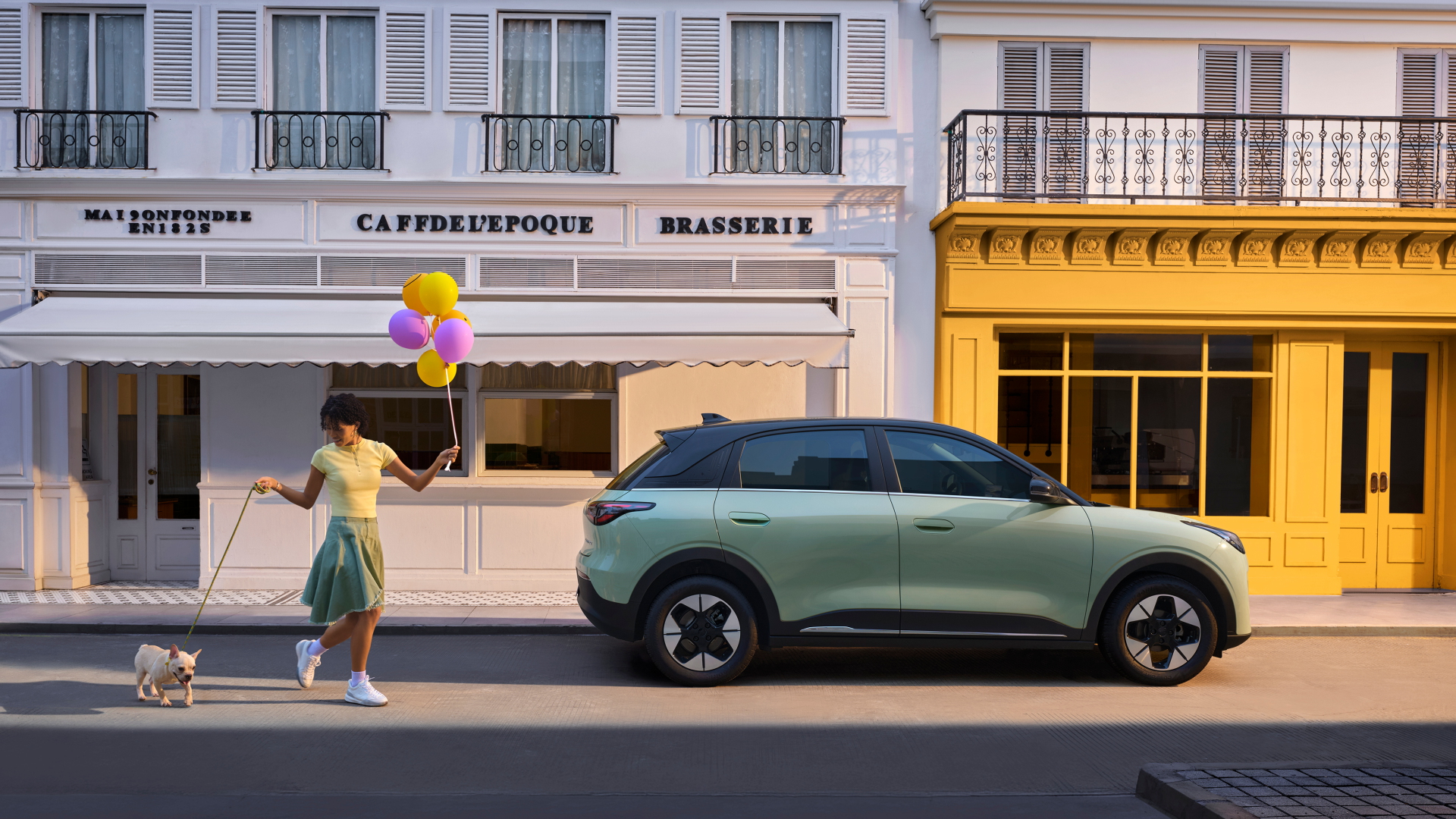
Interior, Features, and Real-World Usability
The E2’s cabin is a step up in screen real estate.
Two digital displays are on duty: an 8.8-inch instrument cluster and a 14.6-inch infotainment touchscreen powered by Geely’s Flyme Auto Smart System.
That’s a noticeably larger infotainment screen than the Dolphin Surf’s 10.1-inch unit. Both support Apple CarPlay and Android Auto, so connectivity isn’t a differentiator.
Practicality? The E2 wins easily. The Geely E2 offers 375 litres of boot space, expanding to 1,320 litres with the rear seats folded flat.
The Dolphin Surf’s
boot space is 230 litres, with a 930-litre luggage area when you fold the rear seats flat.
That’s a significant real-world difference — the Geely holds 63% more in everyday boot use. Families or anyone who shops at Makro will notice immediately.
The E2 Aspire base spec isn’t lavish —
it comes standard with 15-inch steel wheels, LED headlights, keyless entry and start, manual aircon, fabric seats, and rear parking sensors with a reversing camera. The Apex adds 16-inch alloys, automatic climate control, leatherette upholstery, a panoramic sunroof, and adaptive cruise control.
The BYD Dolphin Surf is known for its rotatable 10.1-inch touchscreen and clever cabin storage —
the quality level of interior appointments earned praise for comfortable, supportive seats.
Find Charging Stations Near You
Our live map shows every public EV charger in South Africa — updated in real time.
The Warranty Battle — Geely Wins on Vehicle Cover
This is a quietly crucial differentiator.
Included with the E2’s pricing as standard are a four-year/150,000 km vehicle warranty, eight-year/200,000 km battery warranty, and a three-year/200,000 km service plan.
The BYD’s vehicle warranty is shorter:
buyers get a 3-year/100,000 km vehicle warranty, a 3-year/60,000 km service plan, and an 8-year/200,000 km battery warranty.
The Geely’s service plan covering 200,000 km is particularly generous — BYD’s caps out at 60,000 km. For the monthly cost of owning an electric car in South Africa, that kind of service plan difference matters enormously over five years.
The Geely E2’s 3-year/200,000 km service plan vs the BYD’s 3-year/60,000 km plan could save you tens of thousands of rands over a typical ownership period.
Dealer Networks and Brand Trust: BYD’s Real Advantage
This is where you have to be honest with yourself.
Geely returned to South Africa in November 2025 after a decade-long absence, launching as a new-energy focused brand. It currently operates 32 dealerships with plans to expand to 40 by end-2026.
That’s not nothing — but BYD entered SA in 2023 and has been building hard since.
BYD has expanded its dealership network to 35 outlets as of Q1 2026, with further plans to scale up to 60-70 dealerships by the end of 2026.
And their charging infrastructure ambitions are bold:
BYD announced plans to invest in as many as 300 fast-charging stations in South Africa by the end of 2026, according to IOL Motoring.
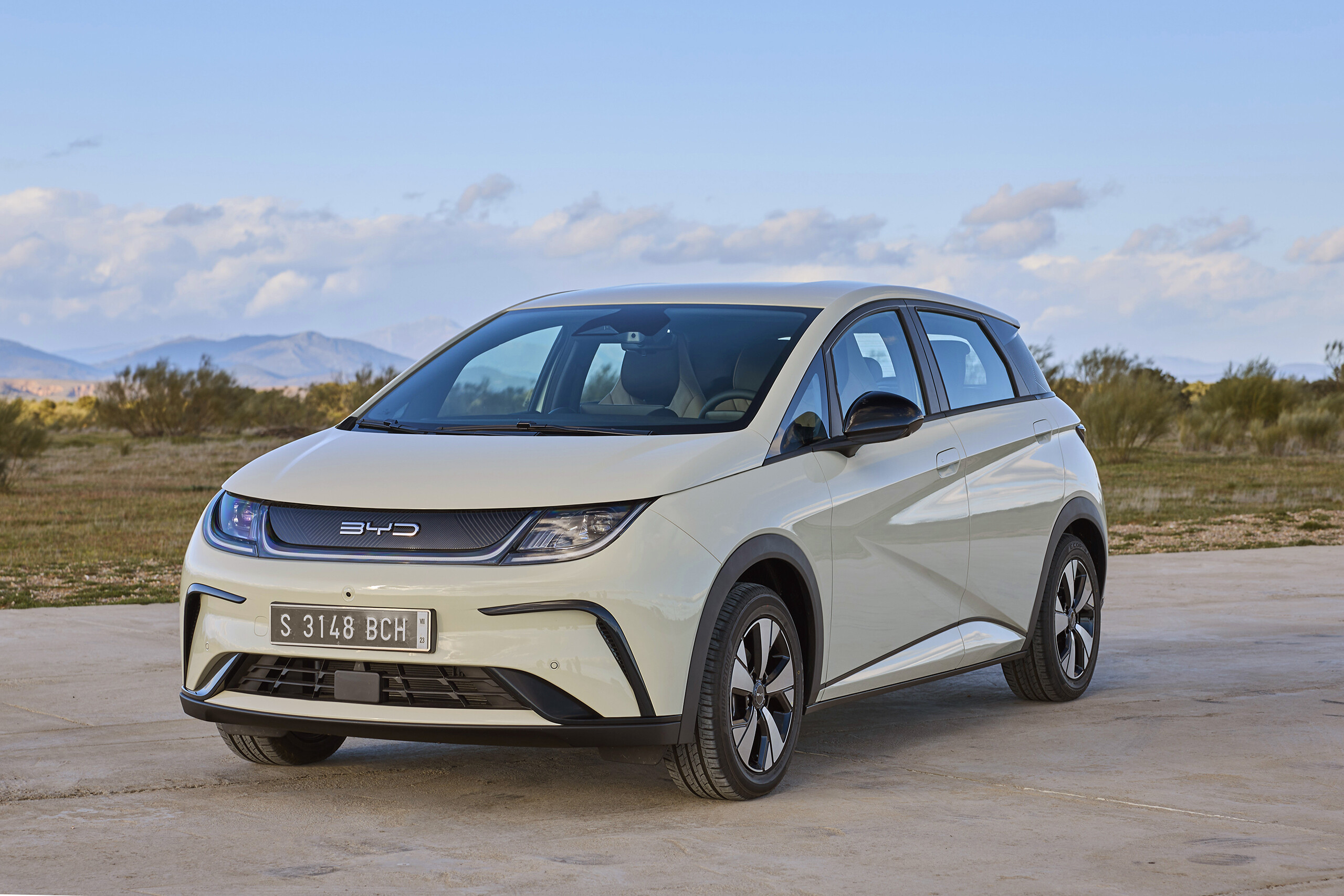
BYD has also been here longer, which matters for resale values, trained technician availability, and parts supply chains. The Dolphin Surf’s
5-star Euro NCAP safety rating is a rare feat for a compact EV in this segment
and gives risk-averse buyers additional peace of mind. Geely’s E2 hasn’t yet been Euro NCAP tested in its SA-spec form, though
it packs six airbags, ABS, ESC, traction control, hill-start assist, and a tyre pressure monitor
as standard.
If you’re based in Cape Town,
the BYD Dolphin Surf’s sales traction suggests a maturing dealer and service ecosystem
in major metros. Check what’s near you — for Cape Town charging infrastructure see EV Charging Stations Cape Town, for Joburg see EV Charging Stations Johannesburg, and for Durban see EV Charging Stations Durban.
China’s Best-Selling Car vs SA’s Best-Selling EV
Context matters here. The Geely E2 (known as the Galaxy E5 in China) was China’s best-selling electric vehicle in 2025, with over 400,000 units sold, according to InsideEVs.
That’s not hype — that’s the most validated mass-market EV on the planet right now arriving in SA.
It was unveiled at a special showcase in Johannesburg in early April 2026, and rides on Geely’s Global Intelligent New Energy Architecture (GEA) platform, designed from the outset to accommodate an electric powertrain only.
Meanwhile, the Dolphin Surf has been proving its case on local roads since September 2025.
Its 239 sales in March eclipsed several petrol models
including the Honda Fit and Kia Picanto. That’s not just an EV stat — that’s a genuine segment-wide statement. For anyone wanting the full picture on EV ownership in SA, our Complete 2026 EV Guide for South Africa covers everything from purchase to daily use.
Running Costs: Where EVs Make Their Real Case
According to Winstone Jordaan, director of charging network GridCars, the cost of running an EV is roughly two-thirds that of a petrol vehicle,
and with April’s fuel price hikes biting hard, that gap is widening.
The Geely E2 claims a combined consumption figure of 13.2 kWh/100 km, while
the Dolphin Surf showed an impressive indicated return of 12.5 kWh/100 km
in early test drives — giving the BYD the efficiency edge. In rand-per-kilometre terms, both will cost you a fraction of a comparable petrol car.
Both cars include a home wallbox charger in the price. The Geely E2 package includes a wallbox, R7,500 charging voucher, and free installation. BYD’s launch package in September 2025 also included a 7kW home wallbox — current buyers should confirm whether this remains bundled or if promotional terms have changed since launch. Charging at home overnight on Eskom standard tariff is where the real savings compound. Our full breakdown of EV vs petrol running costs in South Africa has the numbers in granular detail — and if you want to know exactly what a home charger installation involves beyond what’s bundled, read our guide on charging an electric car at home in South Africa. Get a free installation quote if you want to know your specific setup cost before buying.
The Verdict: Which One Should You Buy?
If you drive mostly in the city and want the proven choice with the growing service network, the BYD Dolphin Surf Dynamic at R393,900 is a well-rounded package with real-world validation and a 5-star safety rating. The Comfort at R341,900 is remarkable value but that 232 km range feels genuinely tight for anyone with a longer commute or the occasional weekend getaway.
If raw specs matter to you — and they should — the Geely E2 Aspire at R339,900 is arguably the stronger technical proposition. More power, more range, faster DC charging, a bigger boot, and a longer service plan. For the same money as the base Dolphin Surf, you get a meaningfully more capable car. The free home charger installation with a R7,500 charging voucher sweetens it further.
The honest caveat? Geely has been back in SA for less than six months. The Dolphin Surf has 239 monthly sales, a growing dealer network that reached 35 stores by Q1 2026 (targeting 60-70 by year-end), and 300 fast chargers in the pipeline. Brand trust and parts availability are real considerations, not just marketing fluff. Our advice: visit both dealers, test-drive both cars, and run your numbers through our EV savings calculator before making a call. Either way, you’re buying into a very good deal — which is exactly the competition South Africa’s EV market needed.
How Much Would YOU Save?
Plug in your monthly km, current fuel costs, and see the exact Rand savings of switching to an EV.
FAQ
Is the Geely E2 really South Africa’s cheapest EV?
Yes, as of 15 April 2026. The Geely E2 Aspire starts at R339,900, making it the cheapest electric vehicle in the country, undercutting the BYD Dolphin Surf Comfort by R2,000.
What is the real-world range of the Geely E2?
According to Geely, the 39.4 kWh LFP battery provides an operating range of up to 325 km (WLTP) when fully charged.
Real-world range at highway speeds will be lower — budget for roughly 270-290 km in mixed driving conditions.
How does the BYD Dolphin Surf Comfort’s range compare?
The BYD Dolphin Surf Comfort offers 232 km WLTP range from its 30.08 kWh battery,
which is 93 km less than the base Geely E2. For pure city commuting under 60 km/day, it’s perfectly adequate. For anything more ambitious, step up to the Dynamic (295 km) or the Geely.
Does the Geely E2 have Vehicle-to-Load (V2L) for load-shedding?
Yes. The Geely E2 supports V2L up to 3.3 kW,
meaning you can run appliances from the car’s battery during power cuts. The BYD Dolphin Surf also supports V2L.
What warranty does the Geely E2 come with?
The Geely E2 includes a 4-year/150,000 km vehicle warranty, 8-year/200,000 km battery warranty, 3-year/200,000 km service plan, and 5-year/unlimited-km roadside assistance.
How fast does the Geely E2 charge on DC?
Geely says the E2 can charge at a maximum of 70 kW on DC charging, taking 25 minutes from 30-80%.
This is faster than the BYD Dolphin Surf Dynamic’s 40 kW maximum DC rate.
Which EV is better value: Geely E2 or BYD Dolphin Surf?
On specs alone, the Geely E2 Aspire at R339,900 offers more range, more power, a bigger boot, faster charging, and a longer service plan than the BYD Dolphin Surf Comfort at R341,900. However, BYD has a larger and more established dealer network in SA, a proven 5-star Euro NCAP safety rating, and seven months of local sales history. Both are excellent choices — your decision should hinge on whether you prioritise raw specs or network confidence.
How many Geely dealers are there in South Africa?
Geely returned to South Africa in November 2025 after a decade-long absence and currently operates 32 dealerships, with plans to expand to 40 by end-2026.