
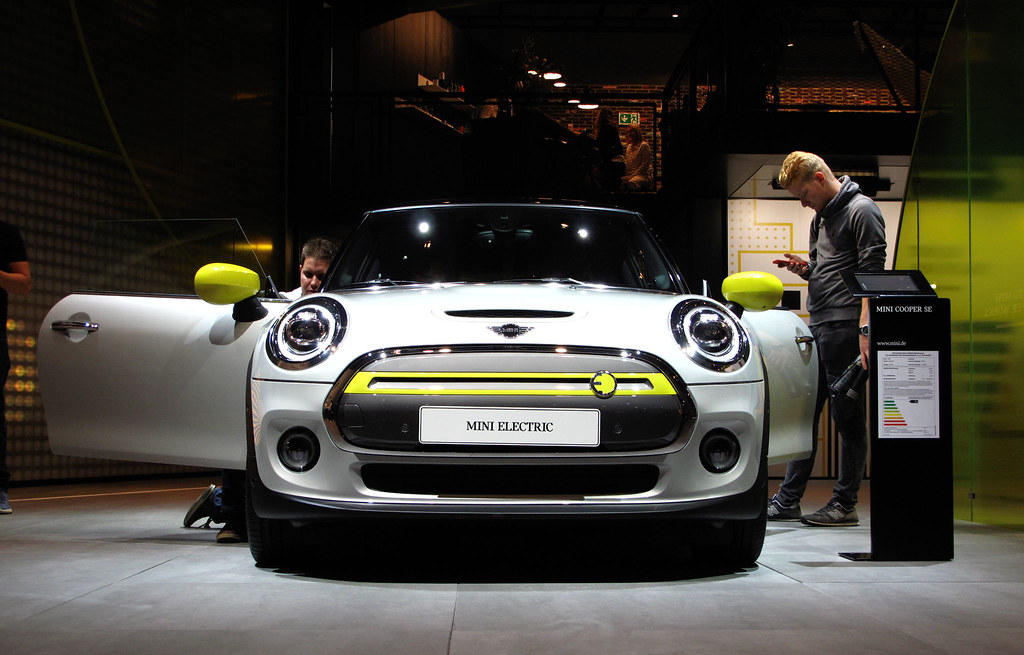
Mini Cooper SE vs Suzuki Swift 1.2: Which Should You Buy in 2025?
Considering switching to an EV? This comprehensive comparison between the Mini Cooper SE and the Suzuki Swift 1.2 will help you make the right decision for your wallet and lifestyle in South Africa.
📊 Quick Comparison Overview
| Feature | Mini Cooper SE | Suzuki Swift 1.2 |
|---|---|---|
| Purchase Price | R750,000 | R280,000 |
| 5-Year Fuel Cost | R47,704 | R84,525 |
| 5-Year Maintenance | R15,000 | R40,000 |
| Total Cost of Ownership | R812,704 | R404,525 |
| Winner | Petrol wins by R408,179! | |
💰 The Real Cost: 5-Year Ownership Analysis
The numbers tell a clear story. While the Mini Cooper SE costs R750,000 upfront compared to the Suzuki Swift 1.2’s R280,000, that R470,000 price difference is substantial enough that even with lower running costs, the EV doesn’t catch up over five years.
Fuel Costs Breakdown
- Mini Cooper SE electricity cost: R9,541/year = R47,704 over 5 years
- Suzuki Swift 1.2 petrol cost: R16,905/year = R84,525 over 5 years
- Fuel savings with EV: R36,821 over 5 years
Maintenance Costs
- Mini Cooper SE: R15,000 (minimal – no oil changes, less brake wear)
- Suzuki Swift 1.2: R40,000 (regular servicing, oil, filters, etc.)
- Maintenance savings with EV: R25,000
The Total Picture
Despite saving R36,821 on fuel and R25,000 on maintenance over five years, the Mini Cooper SE’s higher purchase price means it costs R408,179 more to own over the same period. That works out to R6,803 more per month in total ownership costs.
However, this calculation doesn’t account for potential resale value differences, government incentives, or the intangible benefits of driving electric. Let’s explore who each vehicle suits best.
🎯 Who Should Buy the Mini Cooper SE?
The Mini Cooper SE is perfect for you if:
- 💰 Budget allows higher upfront cost: You can afford the R750,000 purchase price and value the premium driving experience
- 🏠 Home charging available: Wake up to a “full tank” every morning for just R795/month
- 🌆 City/suburban driving: Perfect for the 234km range on a single charge
- 🔧 Low maintenance priority: No oil changes, no exhaust systems, minimal brake wear
- 🌍 Environmental responsibility: Zero tailpipe emissions in SA’s cities
- ⚡ Modern technology: Latest infotainment, over-the-air updates, advanced safety features
- 🚗 Premium experience: The Mini brand offers distinctive styling and driving dynamics
- 📈 Future-proofing: As petrol prices rise and EV infrastructure improves, the economics shift in your favour
🎯 Who Should Buy the Suzuki Swift 1.2?
The Suzuki Swift 1.2 makes sense if:
- 💵 Lower upfront cost needed: R470,000 cheaper to purchase, with R408,179 lower total cost over 5 years
- ⛽ Long-distance flexibility: Refuel anywhere in 5 minutes with petrol stations everywhere
- 🚗 Practical city runabout: The 1.2L engine provides adequate performance for urban driving
- 📍 Rural/remote areas: No charging infrastructure concerns
- 🔋 No home charging option: Petrol stations remain more accessible for now
- 👴 Familiar technology: Comfortable with traditional vehicle ownership
- 💼 Budget-conscious choice: Lowest total cost of ownership makes financial sense
- 🔧 Proven reliability: Suzuki’s reputation for dependable, economical vehicles
💡 Key Decision Factors
Choose the Mini Cooper SE if you:
- ✅ Drive less than 234km per day on average
- ✅ Have access to home charging or workplace charging
- ✅ Value saving R7,364 per year on fuel costs
- ✅ Prioritize lower maintenance and running costs (R3,000/year vs R8,000/year)
- ✅ Want zero tailpipe emissions
- ✅ Can manage the higher upfront cost and accept higher total ownership costs
- ✅ Appreciate premium brand positioning and modern technology
- ✅ Believe EV resale values will improve as adoption increases
Choose the Suzuki Swift 1.2 if you:
- ✅ Need maximum flexibility for long-distance travel
- ✅ Don’t have reliable charging access
- ✅ Drive more than 234km daily
- ✅ Need to minimize both upfront and total costs
- ✅ Prefer the familiarity of petrol stations
- ✅ Live in an area with limited charging infrastructure
- ✅ Want the most economical option over 5 years
- ✅ Prioritize proven technology and widespread service network
🔋 Charging Infrastructure in South Africa
South Africa’s EV charging network is growing rapidly, with over 500 public charging points nationwide. Major cities like Johannesburg, Cape Town, Durban, and Pretoria have excellent coverage. You can explore real-time charging station locations and availability on our live EV charging map.
Home charging is the game-changer: Installing a home charger (R15,000-R30,000) gives you a “full tank” every morning at a fraction of petrol costs. For the Mini Cooper SE, home charging costs approximately R795 per month based on average usage, compared to R1,409 per month for petrol in the Swift.
Load-shedding remains a consideration, but most home chargers can be scheduled to charge during off-peak hours when power is more reliable. Many EV owners also install solar panels to offset charging costs and ensure charging capability during outages.
📈 Long-Term Value
Over 5 years of ownership (15,000km/year):
- Total cost advantage for Suzuki Swift 1.2: R408,179 less expensive
- Monthly cost difference: R6,803 (Swift is cheaper)
- Cost per kilometre – Mini Cooper SE: R10.84
- Cost per kilometre – Suzuki Swift 1.2: R5.39
The Swift’s lower cost per kilometre reflects its significantly lower purchase price. However, if you keep the vehicle beyond 5 years, the Mini’s lower running costs begin to narrow this gap. By year 10, assuming similar usage patterns, the total cost difference shrinks to approximately R346,000.
🌍 Environmental Impact
By choosing the Mini Cooper SE over the Suzuki Swift 1.2, you’ll prevent approximately 8,489kg of CO₂ from entering the atmosphere over 5 years. That’s equivalent to planting roughly 390 trees or taking another car off the road for 6 months.
While South Africa’s electricity grid still relies heavily on coal, even accounting for upstream emissions, EVs produce approximately 40% less CO₂ than petrol vehicles over their lifetime. As the grid transitions to renewable energy, this advantage will only increase.
🚙 Understanding the Trade-Offs
The choice between these two vehicles ultimately comes down to your priorities and circumstances. The Mini Cooper SE represents a premium investment in electric mobility, while the Suzuki Swift 1.2 offers proven, affordable transportation.
The Mini Cooper SE Advantage
Despite the higher total cost of ownership, the Mini delivers tangible daily benefits. Your monthly fuel costs drop from R1,409 to R795—a saving of R614 every month that you’ll feel in your budget. Maintenance visits become rare events rather than regular appointments. The instant torque and silent operation transform your daily commute into something genuinely enjoyable.
For drivers who value the premium experience, environmental benefits, and cutting-edge technology, these advantages justify the R408,179 premium over five years. Think of it as paying R6,803 per month for a significantly better driving experience, zero emissions, and positioning yourself ahead of the inevitable transition to electric mobility.
The Suzuki Swift 1.2 Advantage
The Swift’s appeal is straightforward: it’s the most economical choice by a significant margin. That R408,179 saving over five years represents real money you can invest elsewhere—whether in your home, your children’s education, or building financial security.
The Swift also offers unmatched flexibility. No range anxiety, no charging planning, no infrastructure concerns. Fill up in five minutes at any of thousands of petrol stations across South Africa. For many buyers, especially those in rural areas or without home charging access, this flexibility is invaluable.
🔍 Real-World Ownership Scenarios
Scenario 1: Urban Professional with Home Charging
Sarah lives in Sandton, drives 40km daily to her office in Rosebank, and has a garage where she can install a home charger. For her, the Mini Cooper SE makes excellent sense. She’ll never visit a petrol station, her monthly running costs are minimal, and the premium brand aligns with her lifestyle. The higher purchase price is offset by the convenience and experience she values.
Scenario 2: Budget-Conscious Family
The Naidoo family in Durban needs reliable, affordable transportation for school runs and weekend trips to visit family in Pietermaritzburg. The Suzuki Swift 1.2’s R280,000 purchase price fits their budget, and the R408,179 they save over five years can go toward their children’s education. The flexibility to refuel anywhere gives them peace of mind for longer journeys.
Scenario 3: Small Business Owner
Thabo runs a consulting business and drives approximately 20,000km annually, mostly within Gauteng. He has home charging and values the professional image of the Mini Cooper SE. While the total cost is higher, the R7,364 annual fuel savings and minimal maintenance free up cash flow for his business. The environmental credentials also align with his company’s values.
🏁 The Verdict
The Suzuki Swift 1.2 Wins on Pure Economics
From a strictly financial perspective, the Suzuki Swift 1.2 is the clear winner, costing R408,179 less over 5 years. That’s R6,803 per month you keep in your pocket. For budget-conscious buyers, this makes the Swift the rational choice.
But the Mini Cooper SE Offers Compelling Benefits
If you can afford the higher upfront cost, the Mini Cooper SE delivers:
- Significantly lower monthly running costs (R795 vs R1,409 for fuel alone)
- Minimal maintenance requirements
- Zero tailpipe emissions
- Premium brand experience and modern technology
- Future-proofing as EV infrastructure expands
Your Decision Checklist:
- Choose the Suzuki Swift 1.2 if minimizing total cost is your priority, you need refuelling flexibility, or you lack home charging access
- Choose the Mini Cooper SE if you value environmental impact, can afford the premium, have home charging, and primarily drive within the 234km range
Both are solid choices—the Swift for practical economy, the Mini for forward-thinking drivers willing to pay a premium for the EV experience.
💰 Calculate Your Own Savings
Want to see how much you could save based on your specific driving habits? Use our EV Cost Savings Calculator to input your exact annual kilometres, electricity rate, and more. The calculator accounts for your unique circumstances and can show whether an EV makes financial sense for your situation.
🚗 Ready to Make the Switch?
If you’ve decided the Mini Cooper SE is right for you, the next step is setting up home charging. Need help installing a home charger for your new EV? Get a free quote for professional EV charger installation anywhere in South Africa. Our certified installers can assess your property, recommend the right charger, and handle the complete installation process.
Last updated: December 2025
Continue Reading
Deprecated: File Theme without comments.php is deprecated since version 3.0.0 with no alternative available. Please include a comments.php template in your theme. in /var/www/wordpress/wp-includes/functions.php on line 6085
Leave a Reply