
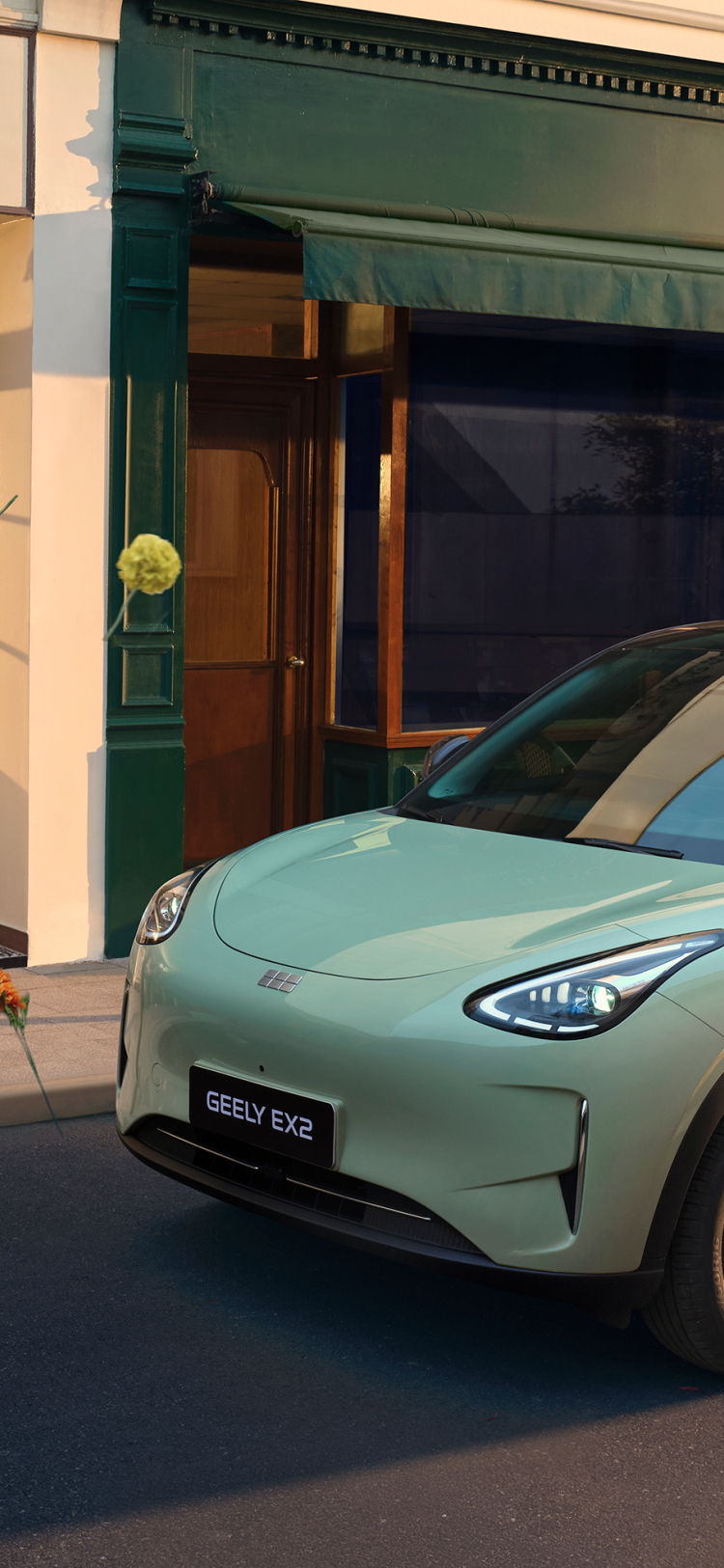
Breaking news: Yesterday, April 15, 2026, Geely South Africa officially launched the E2 — and at R339,900, it arrived with a headline-grabbing combination of specs, range, and a free home wallbox charger that nobody in the affordable EV segment saw coming. It’s R2,000 cheaper than the BYD Dolphin Surf (also R339,900 for the base Comfort), but the story goes far deeper than a two-thousand-rand price difference. We’re talking about 93 additional kilometres of WLTP range, 30 more kilowatts of motor power, significantly faster DC charging, and a wallbox that BYD simply doesn’t bundle in. For South African buyers hunting for the cheapest electric car in South Africa that actually makes real-world sense, the conversation just changed overnight.
But hold on before you click “buy.” The BYD Dolphin Surf isn’t going down without a fight. It carries a 5-star Euro NCAP safety rating, the reassurance of BYD’s globally proven Blade Battery technology, and a brand that has now spent over two years building dealer networks and service infrastructure across South Africa. In the Geely E2 vs BYD Dolphin Surf debate, there is no obvious loser — only a choice that depends on your lifestyle, your daily commute, your driveway, and yes, your home charging setup.
At ChargePoint SA, we help South Africans charge smarter every single day. We’ve handled wallbox installations for both BYD and Geely owners, and we’ve seen first-hand how the right charging infrastructure can transform the EV ownership experience. So let’s cut through the noise and give you the most detailed, honest comparison of these two sub-R340K rivals available anywhere in South Africa right now.
Overview: Two Affordable EVs, Two Different Philosophies
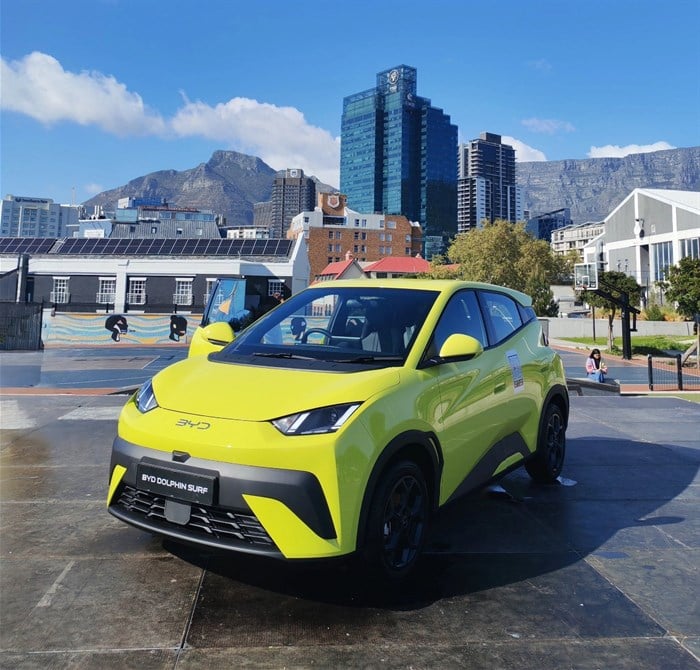
The BYD Dolphin Surf has been on South African roads since mid-2024. It’s a compact urban hatchback built on BYD’s dedicated e-platform, and it was immediately embraced by city commuters in Johannesburg, Cape Town, and Durban as a practical, fun, and genuinely affordable way to go electric. The Dolphin Surf is essentially the “Surf” variant of BYD’s global Seagull/Dolphin Mini family — localised for the South African market with right-hand drive, relevant safety equipment, and warranty terms that give buyers peace of mind.
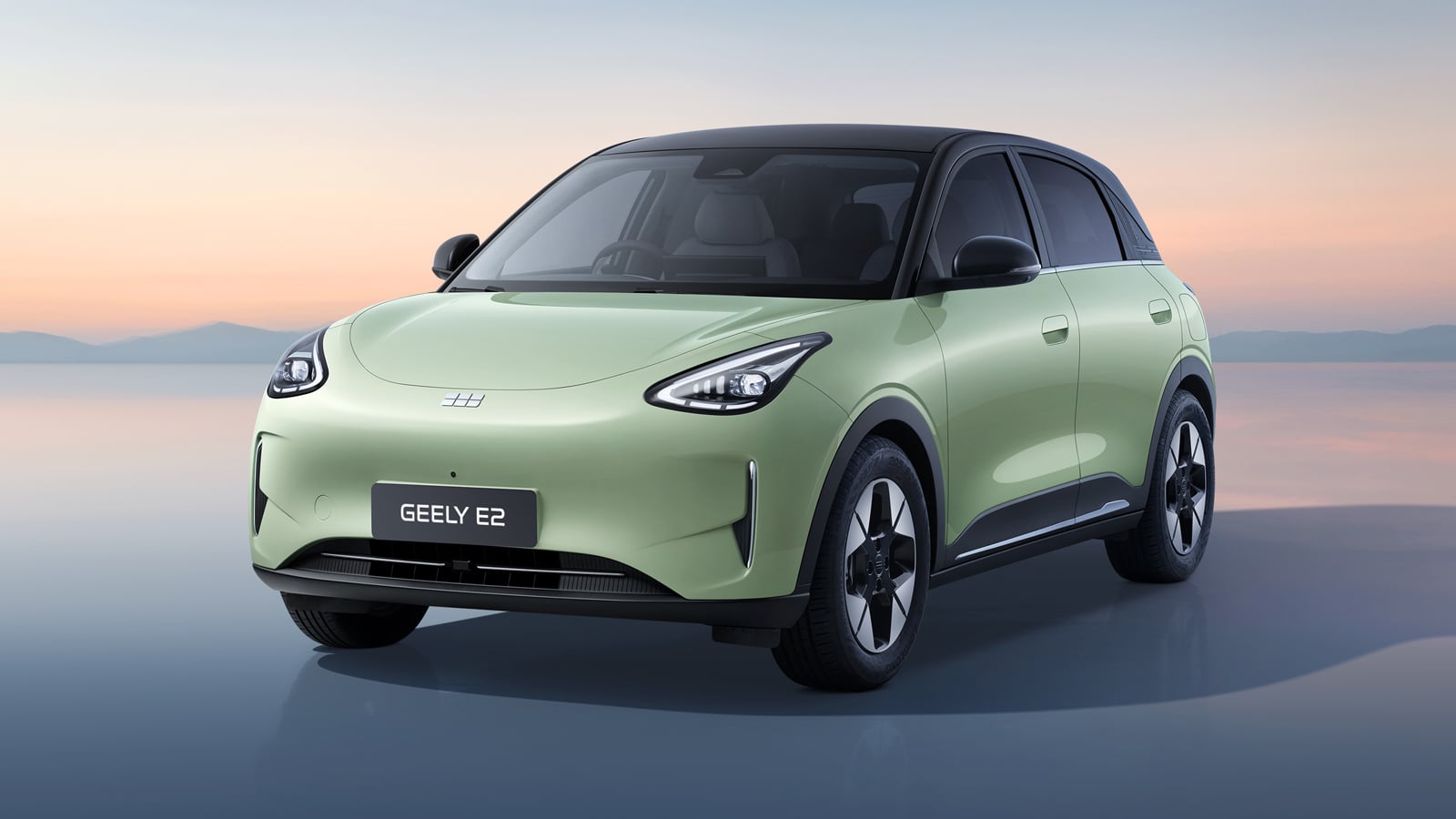
The Geely E2, by contrast, is brand new as of yesterday. Built on Geely’s global SEA (Sustainable Experience Architecture) platform, the E2 is a slightly larger subcompact hatchback pitched directly at entry-level EV buyers. Geely has been selling conventional petrol cars in South Africa for years through its growing dealer network, and the E2 represents the brand’s first full electric push into our market. The timing is deliberate: Geely watched BYD establish the sub-R400K EV segment, studied what South African buyers wanted, and arrived with what looks on paper to be a stronger value proposition at almost exactly the same price.
In the Geely E2 vs BYD Dolphin Surf contest, think of it this way: the Dolphin Surf is the experienced, safety-rated incumbent; the E2 is the ambitious newcomer with bigger numbers across nearly every specification. Which one is right for you? Let’s go section by section.
Price Comparison: R339,900 Each — But Not Equally
At first glance, both entry-level models sit at exactly R339,900. But what you get for that money is dramatically different, and the full model range tells a more nuanced story.
| Model | Variant | Price | Free Wallbox? | Charging Voucher |
|---|---|---|---|---|
| Geely E2 | Aspire | R339,900 | ✅ Yes (via Geely Finance) | R7,500 |
| Geely E2 | Apex | R389,900 | ✅ Yes (via Geely Finance) | R7,500 |
| BYD Dolphin Surf | Comfort | R339,900 | ❌ No | None |
| BYD Dolphin Surf | Dynamic | R389,900 | ❌ No | None |
Here’s where the Geely E2 genuinely disrupts the market: a decent EV wallbox home charger in South Africa costs between R8,000 and R18,000 installed, depending on the unit and your electrical infrastructure. Geely is absorbing that cost (subject to Geely Finance terms and conditions) and throwing in a further R7,500 in charging vouchers. That makes the effective total package of the Geely E2 Aspire potentially worth R355,000–R365,000 in real-money terms, while the BYD Dolphin Surf Comfort sits bare at R339,900 without any charging solution included.
If you’re a first-time EV buyer — which most sub-R350K EV customers are — the Geely bundle removes one of the biggest adoption barriers: figuring out how to charge at home. That said, as we’ll explain in the home charger section, the included wallbox may not cover every scenario, which is where professional advice from ChargePoint SA becomes valuable regardless of which car you choose.
How Much Will You Really Save?
Use our free EV calculator to compare the Geely E2 and BYD Dolphin Surf running costs against your current petrol car.
Range and Battery: The Numbers That Matter Most in South Africa
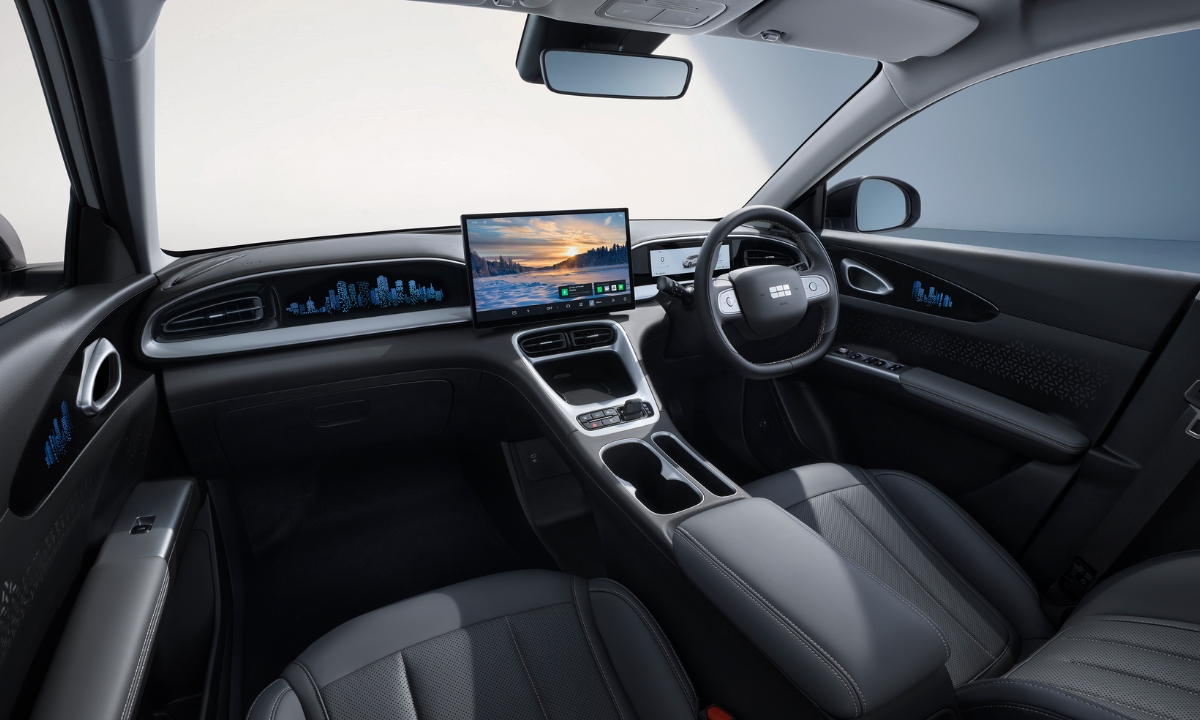
Let’s be blunt: range anxiety is real in South Africa. Unlike Europe, where EV public charging networks are increasingly dense, South Africa’s charging infrastructure — while growing rapidly — is still developing, especially on intercity routes. When you’re driving from Johannesburg to Hartbeespoort on a Friday afternoon with Stage 4 loadshedding adding uncertainty to every en-route charging stop, range is not just a spec sheet number. It’s peace of mind.
| Specification | Geely E2 Aspire | BYD Dolphin Surf Comfort | BYD Dolphin Surf Dynamic |
|---|---|---|---|
| Battery Capacity | 39.4 kWh LFP | 30 kWh Blade | 38.8 kWh Blade |
| WLTP Range | 325 km | 232 km | 295 km |
| Battery Chemistry | LFP (Lithium Iron Phosphate) | LFP Blade Battery | LFP Blade Battery |
| Real-World Range Est.* | ~260–285 km | ~185–210 km | ~235–265 km |
*Real-world range estimates account for South African driving conditions including highway speeds, air conditioning use, and temperature variation. These are editorial estimates, not manufacturer figures.
The base model comparison is startling. The Geely E2 Aspire at R339,900 offers 325km WLTP versus the BYD Dolphin Surf Comfort’s 232km WLTP — a 93km advantage. In real-world terms, that difference may be closer to 70–80km, but that still represents a massive improvement in daily usability and occasional longer-trip capability.
Both cars use Lithium Iron Phosphate (LFP) chemistry, which is excellent news for South African conditions. LFP batteries are more thermally stable in our summer heat, can be safely charged to 100% regularly (unlike NMC batteries), and have longer overall cycle lives. BYD’s Blade Battery is arguably the more proven and structurally elegant implementation of LFP technology — it’s been in service globally since 2020 and has an outstanding safety record. The Geely E2’s LFP pack is newer to market but benefits from Geely’s significant investment in battery technology through its partnership with CATL and its own R&D.
For the average South African urban commuter covering 40–60km per day, both cars are technically sufficient. But the Geely E2’s larger battery means fewer charging cycles overall, better buffer for cold mornings in Johannesburg winters, and genuine capability for a Johannesburg-to-Pretoria-and-back journey multiple times before needing a charge.
Performance: Adequate vs Zippy
| Performance | Geely E2 Aspire | BYD Dolphin Surf Comfort |
|---|---|---|
| Motor Power | 85 kW | 55 kW |
| Torque | 150 Nm | 135 Nm |
| 0–100 km/h | 11.5 seconds | ~14–15 seconds (est.) |
Neither of these is a sports car, and nobody is buying one expecting track-day thrills. But the 30kW motor advantage in the Geely E2 translates to noticeably more confidence on South African highways, particularly when overtaking on the N1 or merging onto the M1 freeway in peak-hour Johannesburg traffic. At 85kW, the E2 has more than enough power to feel brisk and safe at 120km/h highway speeds. The Dolphin Surf Comfort’s 55kW, while perfectly functional in urban settings, may feel slightly strained during longer highway sections, particularly with a full load of passengers.
The BYD Dolphin Surf Dynamic addresses this with 70kW (the Dynamic’s specific output figure), but that requires the R389,900 outlay, at which point you’re spending the same money as the Geely E2 Apex for what remains a smaller car with less range.
Charging: The Section That Changes Everything
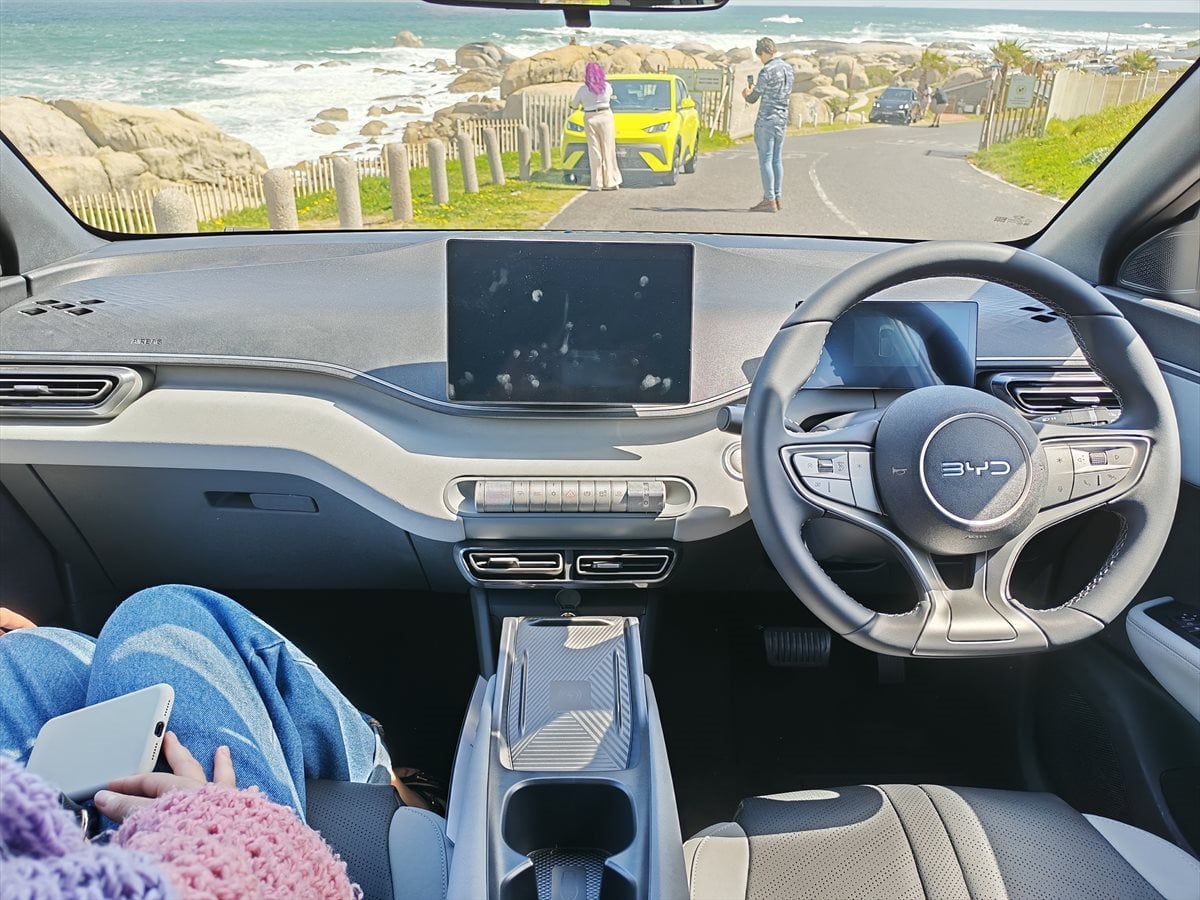
This is ChargePoint SA’s home turf, so let’s go deep.
| Charging Spec | Geely E2 Aspire | BYD Dolphin Surf Comfort | BYD Dolphin Surf Dynamic |
|---|---|---|---|
| AC Home Charging (max) | 7.4 kW | 6.6 kW | 6.6 kW |
| DC Fast Charging (max) | 70 kW | 30 kW | 40 kW |
| 30–80% DC Time | ~25 minutes | ~35–40 minutes (est.) | ~30–35 minutes (est.) |
| Full charge (7.4kW AC) | ~5.5 hours | ~4.8 hours | ~6.0 hours |
| Wallbox Included? | ✅ Free (via finance) | ❌ No | ❌ No |
| Charging Voucher | R7,500 | None | None |
The charging comparison is where the Geely E2 genuinely pulls away from the BYD Dolphin Surf Comfort in a head-to-head at the same price point. A 70kW DC fast charge capability versus 30kW is not a minor difference — it’s more than double the peak charging speed. On a ChargePoint SA 60kW+ public charger or an EVSE highway fast charger, the Geely E2 will replenish from 30% to 80% in roughly 25 minutes. The BYD Dolphin Surf Comfort, limited to 30kW DC, will take 35–40 minutes for the same energy top-up. Over the course of EV ownership, those minutes add up to hours.
The BYD Dolphin Surf Dynamic’s 40kW DC ceiling is better, but still significantly behind the E2’s 70kW capability.
The Loadshedding Dimension
South African EV owners face a unique challenge that European or American spec sheets don’t acknowledge: Eskom loadshedding. When Stage 4 strikes and you’ve only got a 3-hour window of power in the evening, charging speed at home becomes critical. A 7.4kW wallbox charging the Geely E2 can add approximately 22km of range per hour of charge time. Over a 3-hour loadshedding gap, that’s potentially 66km of range added — enough to cover most commutes the following day. With a lower AC charging rate (which the Dolphin Surf’s 6.6kW ceiling produces), the figures are slightly worse, though in real-world terms the difference is marginal during AC home charging.
This is also where solar integration becomes a game-changer. ChargePoint SA installs smart wallbox chargers for both Geely and BYD owners that can integrate with your existing solar PV system. By scheduling your EV to charge during peak solar generation hours (typically 10am–3pm), you can effectively top up your car using free solar energy, completely bypassing Eskom’s grid and loadshedding schedules.
Need a Home Charger Installed?
Whether you choose the Geely E2 (with its included wallbox) or the BYD Dolphin Surf, ChargePoint SA provides professional installation with load management and optional solar integration.
Space and Practicality: Size Does Matter
| Dimensions | Geely E2 | BYD Dolphin Surf |
|---|---|---|
| Length | 4,135 mm | 3,925 mm |
| Width | 1,805 mm | 1,720 mm |
| Wheelbase | 2,650 mm | ~2,520 mm (est.) |
| Boot Capacity | 375L / 1,320L | 230L / 930L |
| Frunk | 70L | None |
The size difference is significant and will matter to many South African buyers. The Geely E2 is a full 210mm longer and 85mm wider than the BYD Dolphin Surf — that’s a meaningful step up in interior room. The longer 2,650mm wheelbase directly translates to rear passenger legroom, which is relevant for South African families who often have domestic workers, children, or elderly relatives in the back seat regularly.
The boot comparison is almost comical: 375 litres versus 230 litres in standard configuration — the Geely E2 offers 63% more boot space in daily use. Fold the seats down and you’re looking at 1,320L versus 930L. And the Geely E2’s 70-litre frunk (front boot) is a genuinely useful addition — perfect for storing charging cables, grocery bags, or valuables out of sight, which is a real security consideration in South African urban environments.
If you’re a single urban commuter who parks in a tight Sandton basement and needs nothing more than a grocery run, the BYD Dolphin Surf’s smaller footprint could actually be an advantage. But for the majority of South African buyers with families, regular Builders Warehouse runs, or weekend braai equipment to transport, the Geely E2’s practicality advantage is hard to ignore.
Safety and Warranty: BYD’s Trump Card
This is the section where the BYD Dolphin Surf makes its strongest stand in the Geely E2 vs BYD Dolphin Surf argument.
| Safety & Warranty | Geely E2 | BYD Dolphin Surf |
|---|---|---|
| Euro NCAP Rating | Not yet rated | 5-Star |
| Vehicle Warranty | 4yr / 150,000km | 3yr / 100,000km (est.) |
| Battery Warranty | 8yr / 200,000km | 8yr / 160,000km |
| Service Plan | 3yr / 200,000km | N/A (confirm with dealer) |
The BYD Dolphin Surf’s 5-star Euro NCAP rating is a genuine differentiator. Euro NCAP is the gold standard for independent crash safety evaluation, and a five-star result means the Dolphin Surf has been extensively tested for adult occupant protection, child protection, vulnerable road user protection, and safety assist technologies. For families with young children — which is a large proportion of the sub-R400K car-buying market — this certification carries real weight.
The Geely E2 has not yet received an independent Euro NCAP rating as of its launch yesterday. Geely as a brand has produced well-rated vehicles globally (the Geely Galaxy and Lynk & Co models have scored well in Chinese NCAP equivalents), and the E2 is built on the same SEA platform as several higher-rated models. But as of today, South African buyers considering the E2 cannot point to an independent five-star safety certification. This is a meaningful gap that Geely should address urgently.
On the warranty front, the Geely E2 actually edges ahead: 4 years/150,000km vehicle warranty versus BYD’s typically more conservative terms, and a battery warranty of 8 years/200,000km that exceeds BYD’s 8 years/160,000km. The included 3-year/200,000km service plan is also a substantial value-add for a car in this price bracket.
Find Your Nearest Public Charger
Planning a road trip? Check real-time charger availability for both the Geely E2 and BYD Dolphin Surf across South Africa.
The Home Charger Question: Free Doesn’t Always Mean Perfect
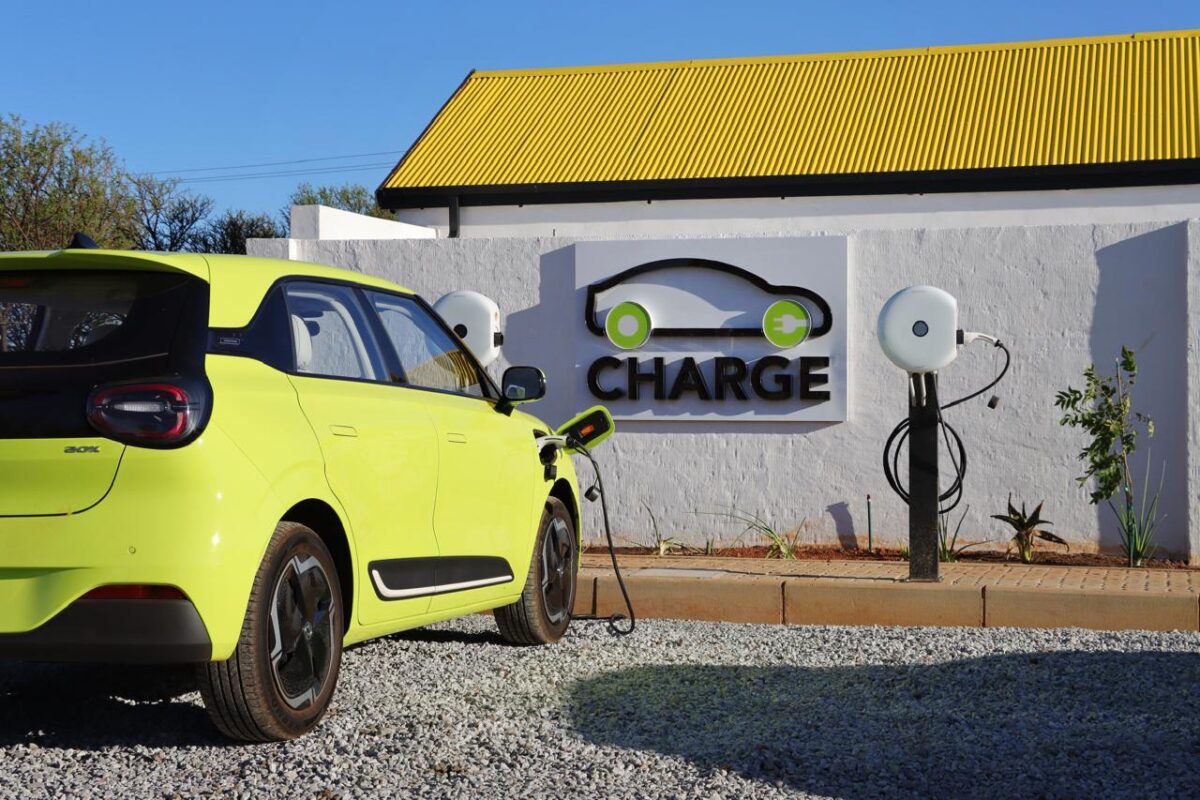
The Geely E2’s free wallbox is genuinely exciting — but let’s have an honest conversation about what “free wallbox included” actually means in practice for South African homeowners.
Firstly, the wallbox offer is subject to Geely Finance terms and conditions. This means buyers who pay cash or use a different finance provider may not automatically qualify. Confirm the exact terms with your Geely dealer before making purchasing decisions based on the included charger.
Secondly, a wallbox is not the same as a complete home charging solution. The hardware is one component; professional installation is another. A compliant, safe wallbox installation in South Africa requires:
- Assessment of your home’s electrical panel and available capacity
- A dedicated circuit with appropriate cable sizing and protection
- Compliance with SANS 10142 electrical standards
- Earthing verification and surge protection
- A Certificate of Compliance (CoC) from a registered electrician
If your home runs on a 40A or 60A main breaker — common in older Johannesburg or Cape Town properties — you may need an electrical upgrade before any wallbox can be safely installed. The wallbox hardware itself may be free, but the installation cost is real and variable.
Thirdly, if you have solar panels or a home battery backup system (a Victron, Sunsynk, or Deye inverter, for example, which are extremely common in loadshedding-era South Africa), a basic wallbox won’t integrate with your solar system automatically. You need a smart charger with load management and solar excess diversion capability to truly optimise your home charging.
ChargePoint SA installs and configures advanced wallbox solutions for both Geely E2 and BYD Dolphin Surf owners. Whether you’ve received a free wallbox with your Geely and need professional installation, or you’re a BYD Dolphin Surf buyer who needs to source and install your own charger from scratch, our team handles the complete process — site assessment, hardware selection, installation, CoC certification, and solar integration setup. We work with leading wallbox brands including Ocular, EVBox, Zappi, and Autel, and our installers are certified and registered across all major South African metros.
Running Costs: The Numbers Over 5 Years
Let’s do some South African-specific running cost maths. Using an average Eskom tariff of approximately R3.20/kWh for residential users (2026 estimate) and average daily commuting of 50km:
| Running Cost Factor | Geely E2 Aspire | BYD Dolphin Surf Comfort |
|---|---|---|
| Energy Consumption (est.) | ~13.5 kWh/100km | ~13.0 kWh/100km |
| Cost per 100km (home) | ~R43.20 | ~R41.60 |
| Annual fuel cost (18,000km) | ~R7,776 | ~R7,488 |
| 5-Year fuel cost | ~R38,880 | ~R37,440 |
| Included service plan value | ~R15,000–R20,000 | Nil (pay-as-you-go) |
| Wallbox cost (if not included) | R0 (included) | R8,000–R18,000 |
Compare these figures to the equivalent petrol car in the same price bracket — say, a Toyota Starlet or Suzuki Swift — consuming 6L/100km at R25/litre. That’s R150/100km, or R27,000 per year, versus roughly R7,600 for either EV. Over five years, that’s a saving of approximately R97,000 in fuel costs alone, before accounting for the reduced maintenance burden of EVs (no oil changes, fewer brake replacements due to regenerative braking, no timing belt, no exhaust system).
Both EVs make strong financial sense. The energy cost difference between the two is genuinely negligible — we’re talking about R1,440 over five years. The more meaningful running cost difference is the Geely E2’s included service plan and free wallbox, which can offset the minor advantage the Dolphin Surf has in energy efficiency.
Verdict: Which One Should You Buy?
After spending the past 24 hours dissecting every available detail of the newly launched Geely E2 against its direct competitor in the Geely E2 vs BYD Dolphin Surf battle, here’s our honest verdict — split by buyer type.
Buy the Geely E2 Aspire (R339,900) if:
- You want maximum range for your budget — 325km WLTP is class-leading at this price
- You regularly drive intercity routes (JHB–Pta, CT–Stellenbosch, DBN–PMB) and need confidence on the road
- You want the fastest DC charging in the segment (70kW) for quicker en-route top-ups
- You need more space — either for family, boot, or both
- You’re buying on Geely Finance and want to take advantage of the free wallbox and R7,500 charging voucher
- You want a longer vehicle warranty and comprehensive service plan included
Buy the BYD Dolphin Surf Comfort (R339,900) if:
- Safety credentials are your top priority and you need the peace of mind of a 5-star Euro NCAP rating
- You’re a city-only driver covering under 40km daily and range is genuinely not a concern
- You prefer a smaller, easier-to-park urban car for tight Sandton or Cape Town CBD conditions
- You trust BYD’s established South African dealer and service network after two-plus years in market
- You’re comfortable sourcing and installing your own home charger solution
Consider the BYD Dolphin Surf Dynamic (R389,900) if:
- You want the BYD ecosystem but need the improved 295km range and 40kW DC charging
- You’re prepared to match the Geely E2 Apex pricing for a car that still trails on raw specifications
On pure specification value, the Geely E2 Aspire wins the R339,900 comparison decisively. More range, more power, faster charging, more space, a longer warranty, an included service plan, and a free wallbox charger — it’s a remarkable package for the price, and Geely has clearly come to market with intent to disrupt. For first-time EV buyers who are making the emotional and financial leap away from petrol for the first time, the Geely E2 removes more friction points than any other car in this price bracket currently on sale in South Africa.
The BYD Dolphin Surf’s strongest argument remains its 5-star Euro NCAP rating and BYD’s proven track record in South Africa. These are not trivial considerations. Brand trust and safety verification take time to earn, and BYD has earned both. As Geely builds its local service network reputation and pursues its own Euro NCAP certification for the E2, the gap in buyer confidence may narrow.
Whichever car you choose, the most important thing after signing the purchase papers is getting your home charging setup right. A car that can’t charge efficiently at home is a car that will frustrate you. Whether you’re installing the Geely E2’s included wallbox, fitting a new charger for your BYD Dolphin Surf, or upgrading either setup to integrate with solar and load management, ChargePoint SA is the right partner for the job — for both cars, for every South African home setup, and with the local expertise to make your EV ownership experience everything it should be.
The affordable EV South Africa market just became significantly more competitive. That’s great news for every South African buyer who has been sitting on the fence. Now, the only question left is: which driveway will your new EV be parked in tonight?
Article published April 16, 2026. All pricing and specifications correct at time of publication. Geely E2 wallbox offer subject to Geely Finance terms and conditions — confirm details with your authorised Geely dealer. Real-world range estimates are editorial projections based on WLTP methodology and South African driving condition adjustments, not manufacturer guarantees. ChargePoint SA is an independent EV charging advisory and installation service and is not affiliated with Geely or BYD South Africa.
Deprecated: File Theme without comments.php is deprecated since version 3.0.0 with no alternative available. Please include a comments.php template in your theme. in /var/www/wordpress/wp-includes/functions.php on line 6085
Leave a Reply