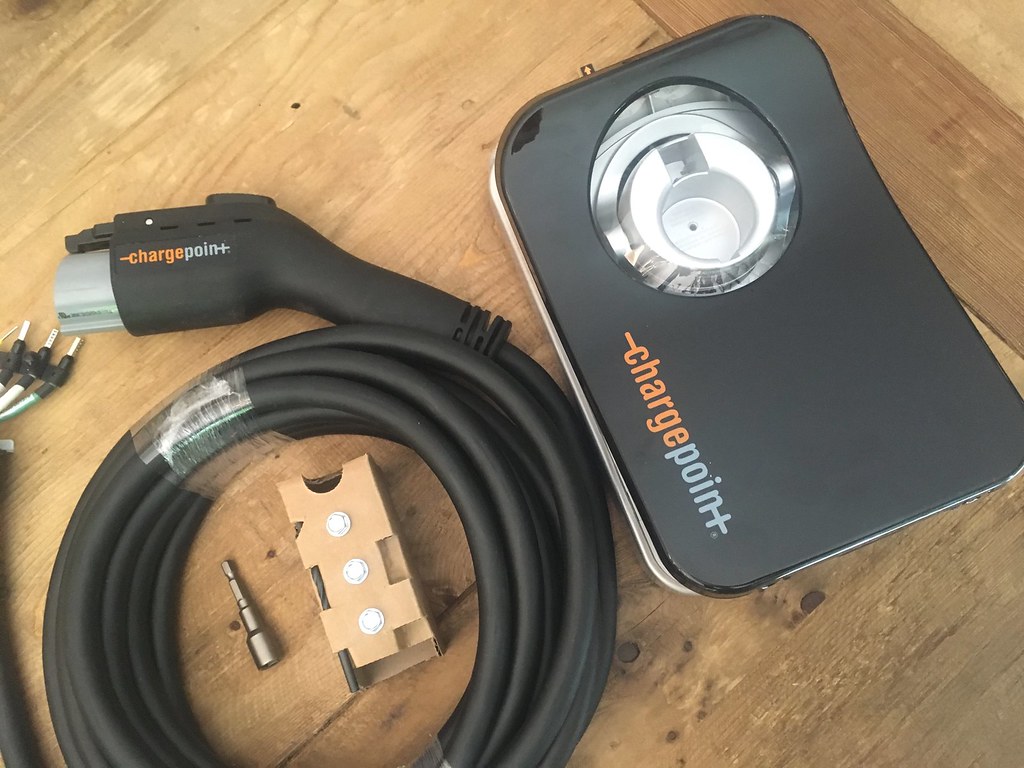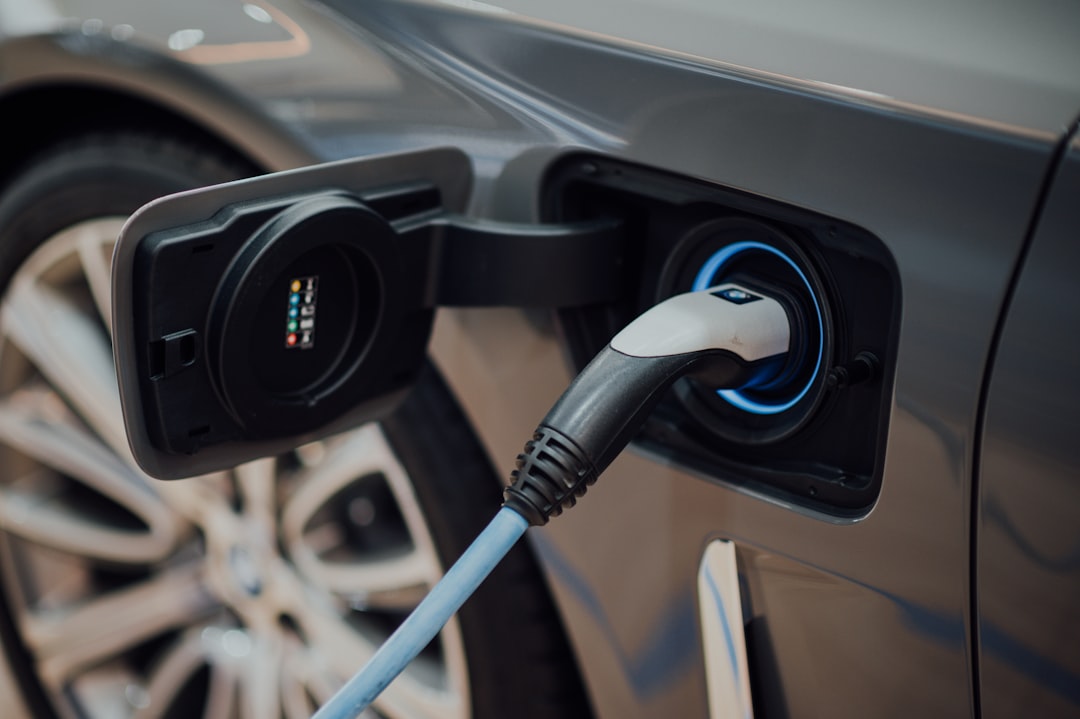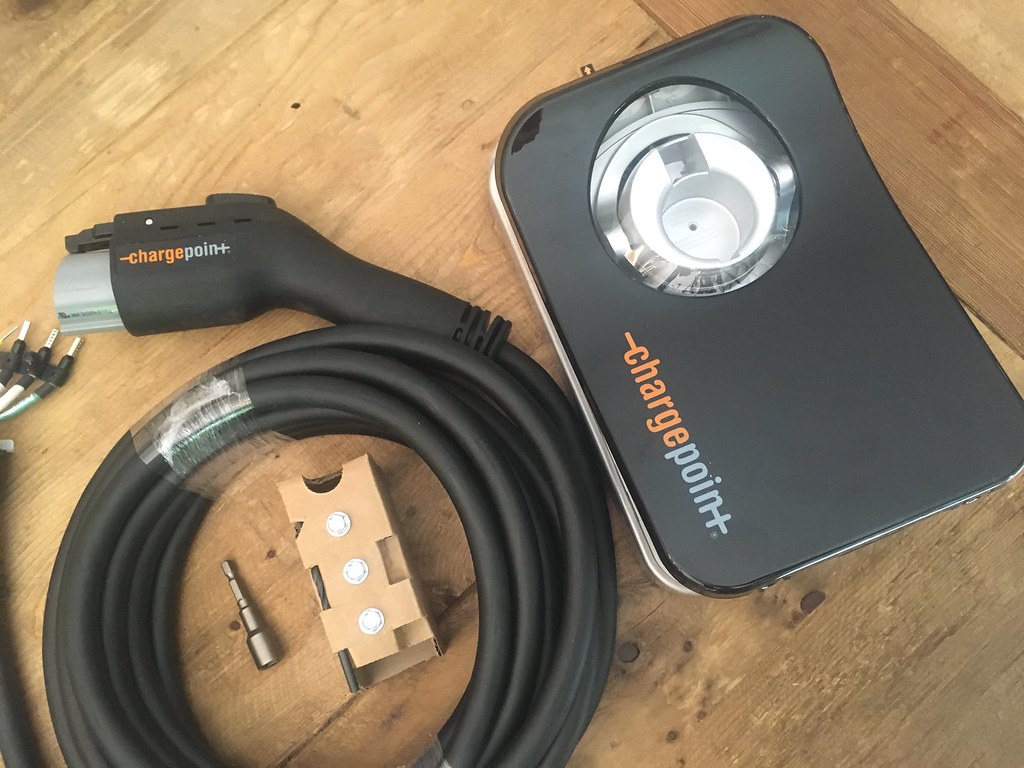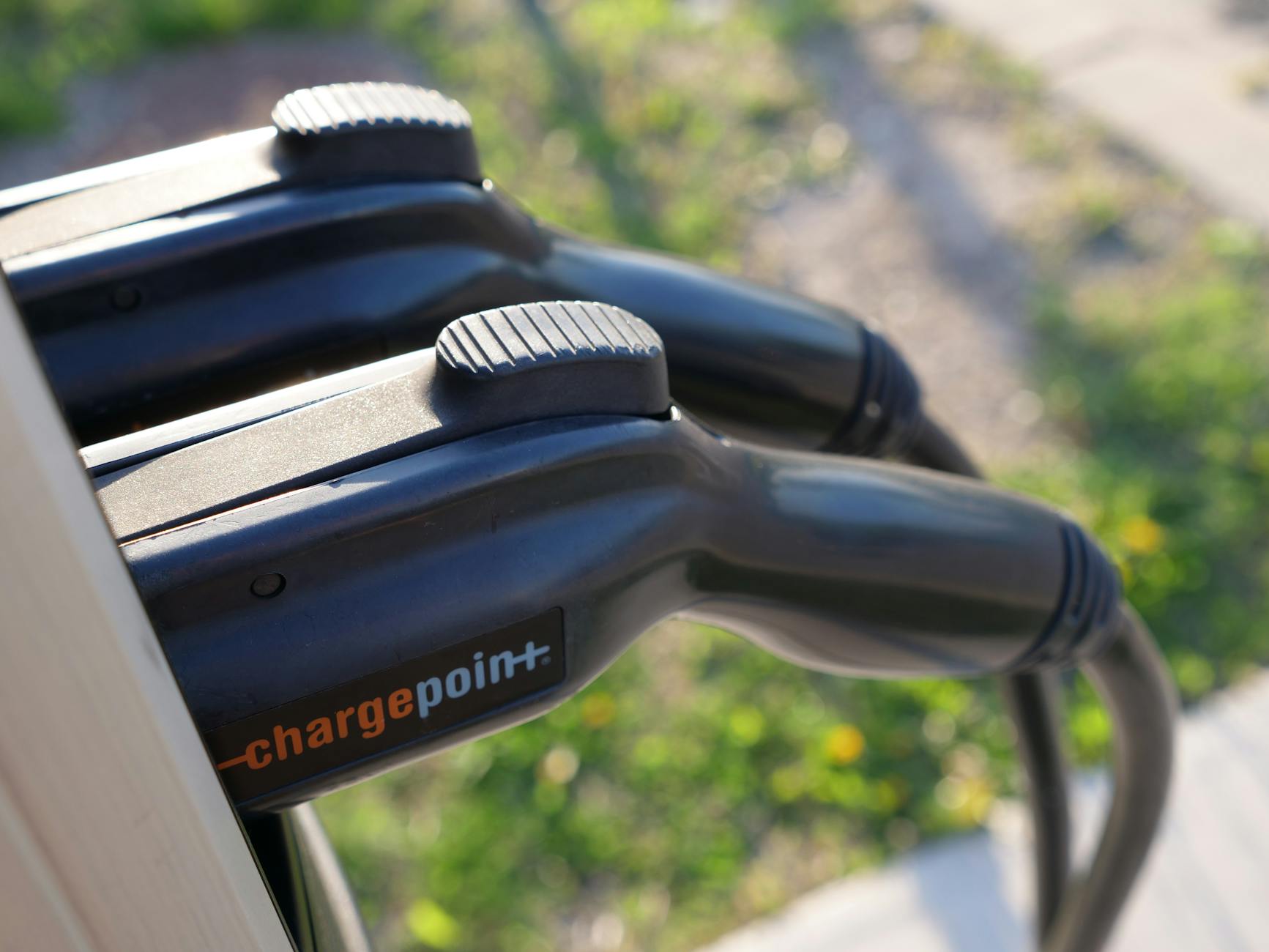
A complete 7.4kW Level 2 charger installation in Centurion costs R10,000–R18,000 in 2026, including hardware, labour, and Certificate of Compliance — and at Tshwane’s R2.97–R4.09/kWh residential tariff, home charging costs half what you’d pay at a GridCars DC fast charger. That price gap makes home charging essential in a city where the EV-to-public-charger ratio hit 11:1 and Tshwane’s high operator fees keep networks like Rubicon out entirely.
This guide walks you through the entire process — from understanding your electricity supply to getting your Certificate of Compliance — with real 2026 pricing, Tshwane-specific tariff analysis, and practical advice from installers who work in Centurion every week.
Why Install an EV Charger in Centurion?
Centurion sits at the heart of Gauteng, with a climate that’s EV-friendly (mild winters, no coastal salt corrosion) and a housing stock dominated by freestanding homes with garages — ideal for dedicated charging points. The city falls under the Tshwane Metropolitan Municipality, which means your electricity tariffs and installation compliance requirements are set at metro level.
Centurion’s EV adoption is climbing, driven by Gauteng’s status as South Africa’s economic hub and the N1 corridor’s improving public charging infrastructure. GridCars operates over 350 charging connectors across South Africa (60% of the national public network), with heavy concentration in Gauteng. The Jaguar Powerway network includes 22 stations along the N1 and N3 routes connecting Gauteng to Cape Town and Durban, making long-distance travel viable.
But here’s the reality: South Africa’s ratio of EVs to public charging stations hit 11:1 by early 2026, up from 7:1 in mid-2023. While GridCars alone operates over 350 charging connectors nationwide, the total public charging infrastructure across all operators sits at approximately 600 points — stretched thin for a growing EV fleet. Tshwane municipality has high fees for charging operators — Rubicon, a major network, avoids Tshwane entirely due to prohibitive “Basic Charge” fees. Translation: if you live in Centurion and drive an EV, home charging isn’t optional — it’s essential.
Centurion Electricity Tariffs: What You’ll Actually Pay
Centurion residents pay Tshwane municipal electricity rates, which saw a 12% increase in July 2025. Here’s the current residential tariff structure (2025/26 financial year):
| Monthly Usage Block | Rate (R/kWh) | Notes |
|---|---|---|
| 0–100 kWh | R2.97 | Cheapest block — ideal for off-peak EV charging |
| 101–650 kWh | R3.45–R3.78 | Most households fall here with EV charging added |
| >650 kWh | R4.09 | High-use penalty tier |
For context, a typical EV with a 60 kWh battery charging from 20% to 80% (36 kWh session) costs R107–R147 at home, depending on your usage block. The same charge at a GridCars DC fast charger costs R252–R265 (at R7.00–R7.35/kWh). Home charging is 50–60% cheaper.
Smart Tariff Strategy for Centurion EV Owners
Tshwane’s tiered tariff structure rewards lower usage. If you’re adding an EV to your household, consider:
- Charge overnight: Spread your EV charging across multiple nights to stay in lower usage blocks rather than binge-charging and jumping tiers.
- Monitor your monthly total: If you’re approaching 650 kWh, delay non-urgent charging until the next billing cycle — the R4.09/kWh penalty tier hurts.
- Pair with solar: A 5 kW solar array can offset 500–700 kWh/month in Gauteng’s climate, keeping your grid draw (and tariff tier) lower. More on this below.
The Centurion EV Charger Installation Process
Installing an EV charger in Centurion follows South Africa’s national electrical compliance framework. Here’s the step-by-step:
Step 1: Site Assessment
A qualified electrician visits your property to evaluate:
- Distribution board (DB board) capacity: Can your existing board handle an additional 32A circuit (7.4kW charger)? Most modern Centurion homes have 60–80A main breakers; older homes may need an upgrade.
- Cable run distance: How far is your garage from the DB board? Longer runs (>20m) require thicker cable (6mm² or 10mm²) and add cost.
- Earthing system: SANS 10142-1 requires proper earthing. If your home has an old earth spike system, you may need an earth leakage upgrade.
- Single-phase vs 3-phase supply: Most Centurion homes have single-phase 230V supply. 3-phase is rare in SA residential areas and typically unnecessary for home EV charging (more on this below).
Site assessments are usually free if you proceed with installation, or R500–R800 as a standalone service.
Step 2: DB Board Upgrade (If Needed)
If your board can’t accommodate a 32A breaker, you’ll need an upgrade. Typical costs in Centurion:
- New breaker and wiring only: R1,500–R3,000
- Full DB board replacement: R8,000–R15,000 (rare, usually only in pre-1990s homes)
Good news: most homes built after 2000 have sufficient capacity. The electrician will confirm during the site assessment.
Step 3: Charger Installation and Wiring
The electrician installs:
- A dedicated 32A circuit breaker in your DB board
- 6mm² or 10mm² copper cable from the board to the charger location (garage wall or driveway pillar)
- The EV charger unit itself, wall-mounted at 1.2–1.5m height
- Earth leakage protection (mandatory under SANS 10142-1)
Installation takes 4–6 hours for a straightforward job, or a full day if DB board work is required.
Step 4: Certificate of Compliance (CoC)
Once installation is complete, the electrician tests the system and issues a CoC. This is a legal requirement under the Occupational Health and Safety Act — any electrical work over 16A must be certified. The CoC costs R500–R1,500 and proves your installation meets SANS 10142-1:2024 standards.
Critical: DIY installation is illegal in South Africa and voids your home insurance. If a fire or fault occurs and you don’t have a CoC, your insurer will reject the claim. Don’t risk it.
Step 5: Commissioning and Testing
The installer tests the charger with your vehicle, verifies charging speed (should hit 7.4kW on a 32A circuit), and walks you through the controls. Most modern chargers have smartphone apps for scheduling and monitoring.
What Does EV Charger Installation Cost in Centurion?
Here’s the 2026 pricing breakdown for Centurion, based on local installer quotes and regional market data:
| Component | Budget Range | Premium Range | Notes |
|---|---|---|---|
| EV charger unit (7.4kW) | R4,000–R6,000 | R8,000–R12,000 | Premium = smart features, longer warranty, brand name (Wallbox, Zaptec) |
| Installation labour | R2,500–R4,000 | R4,000–R6,000 | Varies by cable run length and DB board work |
| Materials (cable, breaker, conduit) | R1,500–R2,500 | R2,500–R4,000 | Copper cable prices fluctuate; longer runs cost more |
| Certificate of Compliance | R500–R800 | R800–R1,500 | Legally mandatory; price varies by electrician |
| Total (budget install) | R8,000–R13,000 | — | Basic “dumb” charger, standard cable run, no DB upgrade |
| Total (premium install) | — | R15,000–R25,000 | Smart charger, longer cable run, possible DB work |
Source: Handyman Pretoria and ChargePoint SA 2026 cost guide.
The budget range (R8,000–R13,000) covers a basic 7.4kW charger with standard installation — no DB board upgrade, cable run under 20m, and a “dumb” charger without smart features. The premium range (R15,000–R25,000) includes smart chargers with app control and scheduling, longer cable runs, and potential DB board work. Most Centurion installations fall in the R10,000–R18,000 range — this represents a typical setup with a mid-tier smart charger and standard installation complexity. Centurion pricing runs 5–10% below Johannesburg rates.
What Drives Cost Up or Down?
- Cable run distance: Every extra 10m adds R800–R1,200 in materials and labour.
- DB board upgrade: If you need a new board, add R8,000–R15,000.
- Charger features: Basic “dumb” chargers work fine but lack scheduling, load balancing, or app control. Smart chargers cost more upfront but save money through off-peak scheduling.
- Location within Centurion: Installers charge travel fees for outlying areas (Zwavelpoort, Rooihuiskraal) — expect R500–R1,000 extra.
Single-Phase vs 3-Phase Supply in Centurion
This is a common point of confusion. Here’s the reality for Centurion homeowners:
Most Centurion homes have single-phase 230V supply. This is standard for South African residential areas. Single-phase is sufficient for a 7.4kW (32A) EV charger, which adds 40–50 km of range per hour — more than enough for overnight charging. A typical EV with a 60 kWh battery charges from empty to full in 8–9 hours on a 7.4kW charger.
3-phase supply (400V) is rare in SA homes. It’s common in commercial and industrial settings but uncommon in residential areas. 3-phase allows faster charging (11kW or 22kW), but upgrading from single-phase to 3-phase requires Tshwane municipality approval, a meter upgrade, and extensive rewiring. Total cost: R30,000–R60,000 or more. For most homeowners, this is cost-prohibitive and unnecessary.
When Does 3-Phase Make Sense?
Consider 3-phase only if:
- You have multiple EVs and need to charge simultaneously at high speed.
- You’re building a new home and can spec 3-phase from the start (much cheaper than retrofitting).
- You run a home business with high electrical demand and can justify the upgrade cost across multiple uses.
For the typical Centurion household with one or two EVs, single-phase 7.4kW charging is the sweet spot — affordable, compliant, and fast enough for daily use.
Load-Shedding and Solar Pairing for Centurion Residents
South Africa achieved 280 consecutive days without load-shedding by February 2026, a major milestone. But Eskom’s Energy Availability Factor remains at just 65.11%, meaning the grid is fragile. Centurion falls under Tshwane’s 8-stage load-shedding schedule, and while outages are less frequent than in 2023–2024, they’re not gone.
Can You Charge Your EV During Load-Shedding?
Not without backup power. When your suburb’s grid goes down, your EV charger goes down too. This is where solar + battery systems come in.
A typical solar backup system for a Centurion home (4–6 hours of backup for lights, fridge, and a 7.4kW EV charger) costs R90,000–R150,000, according to AGS Solar Centurion. This includes:
- 5–8 kW solar array (12–20 panels)
- 5–10 kWh lithium battery bank
- Hybrid inverter with grid-tie and backup capability
- Installation, CoC, and commissioning
Does Solar + EV Charging Make Financial Sense?
Let’s run the numbers for a Centurion household:
- Average EV usage: 1,500 km/month = 250 kWh charging (assuming 6 km/kWh efficiency)
- Cost at Tshwane tariff (R3.45/kWh mid-tier): R862/month
- Cost with solar (assuming 70% solar coverage): R259/month grid draw + R0 solar = R259/month
- Monthly saving: R603
- Payback period on R120,000 solar system (EV charging only): 16.5 years
- Payback period (whole-home electricity savings): 8–10 years. This assumes the solar system offsets 500–700 kWh/month of total household usage (EV + lights + appliances + geysers), saving R1,000–R1,500/month at Tshwane’s tiered rates. The calculation assumes 60–70% solar coverage of total household consumption, with the balance drawn from the grid. Actual payback varies based on household size, energy efficiency, and whether you have a geyser timer or pool pump.
Solar makes sense if you’re motivated by grid independence and load-shedding resilience, not just payback period. Many Centurion homeowners view solar + EV charging as a package deal — the ability to charge your car even when Eskom fails is worth the premium.
Public Charging Options in Centurion
While home charging should be your primary strategy, public charging is useful for top-ups and long trips. Here’s what’s available in and around Centurion:
GridCars Network
GridCars operates the largest public charging network in South Africa, with over 350 AC and DC fast charging connectors. In Centurion, you’ll find GridCars stations at:
- Centurion Mall
- Irene Village Mall
- Various Engen and Shell forecourts along the N1 corridor
DC fast charging costs R7.00–R7.35/kWh — significantly more expensive than home charging but useful for rapid top-ups (20–80% in 30–40 minutes).
Jaguar Powerway Network
The Jaguar Powerway network, built in partnership with GridCars, includes 22 stations along the N1 and N3 routes. Centurion residents have easy access to stations in Midrand, Pretoria, and Johannesburg for inter-city travel.
Shell Recharge
Shell launched EV charging at select forecourts in 2020, but coverage in Centurion remains limited. Check the Shell app for current locations.
Public charging in Centurion is adequate for occasional use, but home charging is 50–60% cheaper and far more convenient. Don’t rely on public infrastructure for daily charging.
Common Mistakes Centurion Homeowners Make
After talking to installers and homeowners, here are the most frequent pitfalls:
1. Skipping the Site Assessment
Some homeowners buy a charger online and then discover their DB board can’t handle it, or the cable run is too long. Always get a site assessment before purchasing hardware.
2. Choosing the Cheapest Installer Without Checking Credentials
A CoC is only valid if issued by a registered electrician. If your installer isn’t registered with the Department of Employment and Labour, your CoC is worthless. Ask for their registration number upfront.
3. Installing a Charger Outdoors Without Weather Protection
Centurion gets summer thunderstorms with heavy rain. If you’re mounting a charger on an external wall or driveway pillar, ensure it has an IP65 or IP66 rating (weatherproof) and install a rain canopy or enclosure.
4. Not Future-Proofing for a Second EV
If there’s any chance you’ll add a second EV in the next 5 years, install conduit and a sub-board now while the electrician is on-site. Adding a second charger later is much cheaper if the infrastructure is already in place.
5. Ignoring Load-Shedding Backup
Assuming load-shedding is “over” because of the 280-day streak is risky. Eskom’s capacity factor is still only 65%. If you can’t afford solar + battery now, at least install your charger on a circuit that’s easy to connect to a future inverter.
6. Overlooking Smart Charger Features
A “dumb” charger saves R2,000–R4,000 upfront but costs more over time if you can’t schedule charging for off-peak hours or monitor usage. Smart chargers with app control pay for themselves within 2–3 years through tariff optimisation.
FAQ
Do I need a CoC for an EV charger installation in Centurion?
Yes, absolutely. Any electrical work over 16A (and a 7.4kW EV charger runs at 32A) requires a Certificate of Compliance under SANS 10142-1. DIY installation is illegal and voids your home insurance. The CoC costs R500–R1,500 and must be issued by a registered electrician.
How long does it take to charge an EV at home in Centurion?
On a typical 7.4kW (32A) Level 2 charger, you’ll add 40–50 km of range per hour. A full charge from empty (60 kWh battery) takes 8–9 hours. Most homeowners plug in overnight and wake up to a full battery.
Can I install an EV charger if I’m renting in Centurion?
You’ll need written permission from your landlord, since installation involves permanent electrical work. Some landlords are open to it if you agree to leave the charger behind when you move. Portable Level 1 chargers (plug into a standard 15A socket) are an alternative but charge very slowly (2–3 kW).
What’s the difference between a 7.4kW and 11kW charger?
7.4kW chargers run on single-phase 32A circuits (standard in SA homes). 11kW chargers require 3-phase supply, which is rare and expensive to retrofit in residential Centurion. For most homeowners, 7.4kW is the right choice — it’s fast enough for overnight charging and works with existing electrical infrastructure.
Will an EV charger increase my Tshwane electricity bill significantly?
Yes, but less than you think. Charging 1,500 km/month (250 kWh) at Centurion’s mid-tier tariff (R3.45/kWh) costs R862/month — roughly equivalent to 4–5 tanks of petrol in a conventional car doing the same distance. The key is to monitor your usage and avoid jumping into the >650 kWh penalty tier (R4.09/kWh).
Can I charge my EV during load-shedding in Centurion?
Not without backup power. When the grid goes down, your charger goes down. A solar + battery system (R90k–R150k) allows you to charge during outages. Alternatively, some homeowners use a petrol generator with an inverter, but this is noisy, expensive per kWh, and defeats the environmental purpose of driving an EV.
Ready to Charge Smarter in Centurion?
Installing an EV charger in Centurion is straightforward if you work with qualified professionals and understand the local context — Tshwane tariffs, SANS compliance, and load-shedding realities. The upfront cost (R8,000–R25,000) pays for itself within 1–2 years compared to public charging, and you gain the convenience of waking up to a full battery every morning.
ChargePoint SA specialises in compliant, cost-effective EV charger installations across Gauteng, including Centurion and the greater Tshwane area. We handle everything: site assessment, DB board upgrades, charger installation, CoC certification, and commissioning. Our team knows Centurion’s housing stock, understands Tshwane’s electrical regulations, and can integrate solar backup if you’re planning for load-shedding resilience.
Get a free Centurion site assessment — we’ll evaluate your electrical setup, provide a detailed quote with no hidden fees, and answer all your questions about tariffs, compliance, and solar pairing. Let’s get you charging at home.
Continue Reading