
EV Charger Installation in Paarl: Your 2026 Cost Breakdown
As electric vehicle adoption accelerates across South Africa — with EV sales up 10% in March 2026 and search queries rising 45% month-on-month — Paarl residents are increasingly exploring home EV charger installation. Located in the heart of Western Cape wine country, Paarl offers unique advantages for EV ownership: affluent estates with ample roof space for solar arrays, municipal electricity tariffs at R3.18/kWh (R1.89 off-peak), and proximity to the N1 corridor charging network connecting Cape Town to the interior.
This guide covers everything you need to know about EV charger installation in Paarl in 2026, from equipment costs and municipal tariffs to solar pairing strategies and public charging alternatives along the N1.
Understanding Paarl’s Electricity Tariffs for EV Charging
Paarl falls under the Drakenstein Municipality, which sources electricity from Eskom and applies its own tariff structure. As of April 2026, following NERSA’s approved 8.76% increase, residential customers pay approximately R3.18 per kWh during standard hours and R1.89 per kWh during off-peak periods (typically 22:00–06:00 and 12:00–14:00 on weekdays).
For EV owners, this tariff structure makes overnight charging exceptionally economical. A typical electric vehicle with a 60 kWh battery costs just R113.40 to fully charge during off-peak hours — delivering approximately 400–450 km of range. Compare this to filling a petrol tank for a similar-range journey (roughly R900–R1,100 at April 2026 fuel prices), and the savings become immediately apparent. Even at standard rates, home charging remains approximately 80% cheaper than petrol per kilometre travelled.
| Charging Window | Tariff (R/kWh) | 60 kWh Battery Cost | Cost per 100 km |
|---|---|---|---|
| Off-peak (22:00–06:00) | R1.89 | R113.40 | R25–28 |
| Standard (weekday daytime) | R3.18 | R190.80 | R42–48 |
| Petrol equivalent (R24/L) | — | R900–R1,100 | R180–R220 |
Solar Pairing: The Paarl Advantage
Paarl’s wine estates and residential properties typically feature expansive roof areas and high solar irradiance (averaging 5.5–6.0 kWh/m²/day), making solar-plus-EV installations particularly attractive. Many wine farms and second-home estates already operate grid-tied solar systems to offset load-shedding disruptions and reduce operational costs.
A 5 kW rooftop solar array in Paarl generates approximately 7,500–8,500 kWh annually — enough to power a household and charge an EV for 15,000–20,000 km of driving. With battery storage (typically 10–15 kWh), homeowners can charge their EVs entirely from solar during daylight hours or store excess generation for evening top-ups, effectively eliminating grid dependency for transport energy.
Installation costs for a solar-EV system in Paarl typically range from R180,000 to R280,000 (5 kW solar + 10 kWh battery + 7 kW AC charger), with payback periods of 4–6 years when factoring in petrol savings and avoided grid electricity costs.
Home EV Charger Installation Costs in Paarl
The total cost of installing a home EV charger in Paarl depends on three primary factors: the charger unit itself, electrical infrastructure upgrades, and installation labour. Here’s a detailed breakdown for 2026:
Charger Equipment Costs
- Level 1 (Portable 3-pin, 2.3 kW): R3,500–R8,000. Plugs into standard household outlets; adds 12–15 km of range per hour. Suitable for plug-in hybrids or low-mileage users but impractical for full-battery EVs.
- Level 2 (Wall-mounted AC, 7 kW): R12,000–R28,000. The most common home solution; adds 35–45 km of range per hour. Fully charges a 60 kWh battery in 8–9 hours (perfect for overnight charging).
- Level 2 (Smart AC, 11–22 kW): R25,000–R45,000. Requires three-phase power (common in Paarl estates); adds 60–100 km per hour. Includes app control, load management, and solar integration.
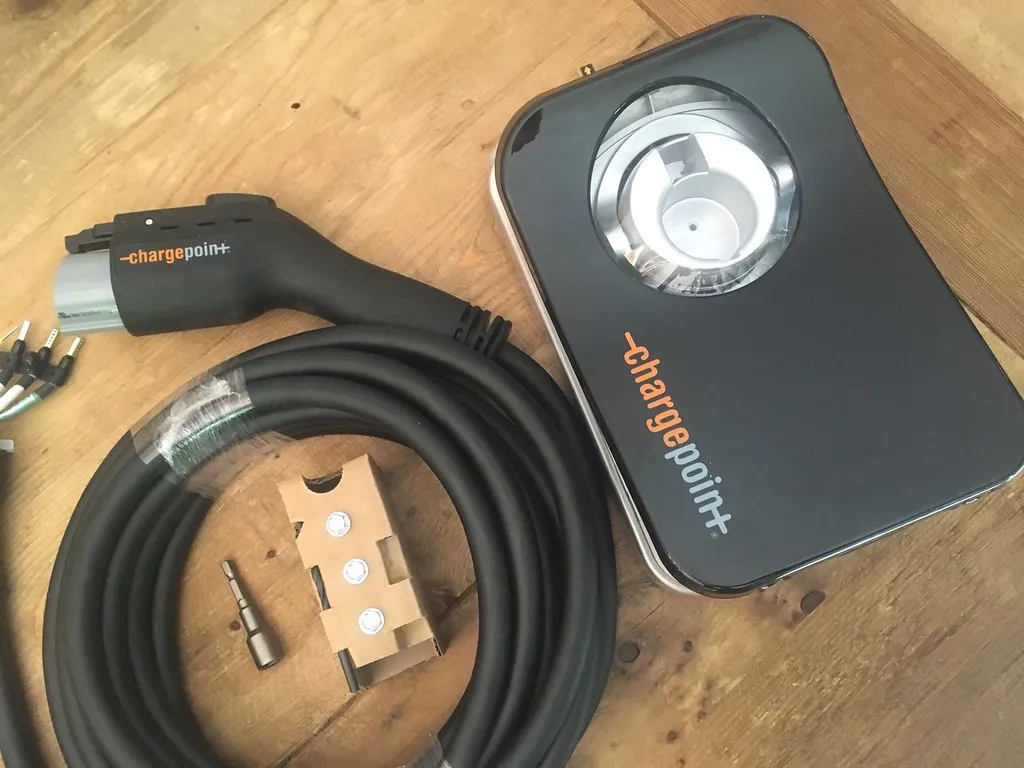
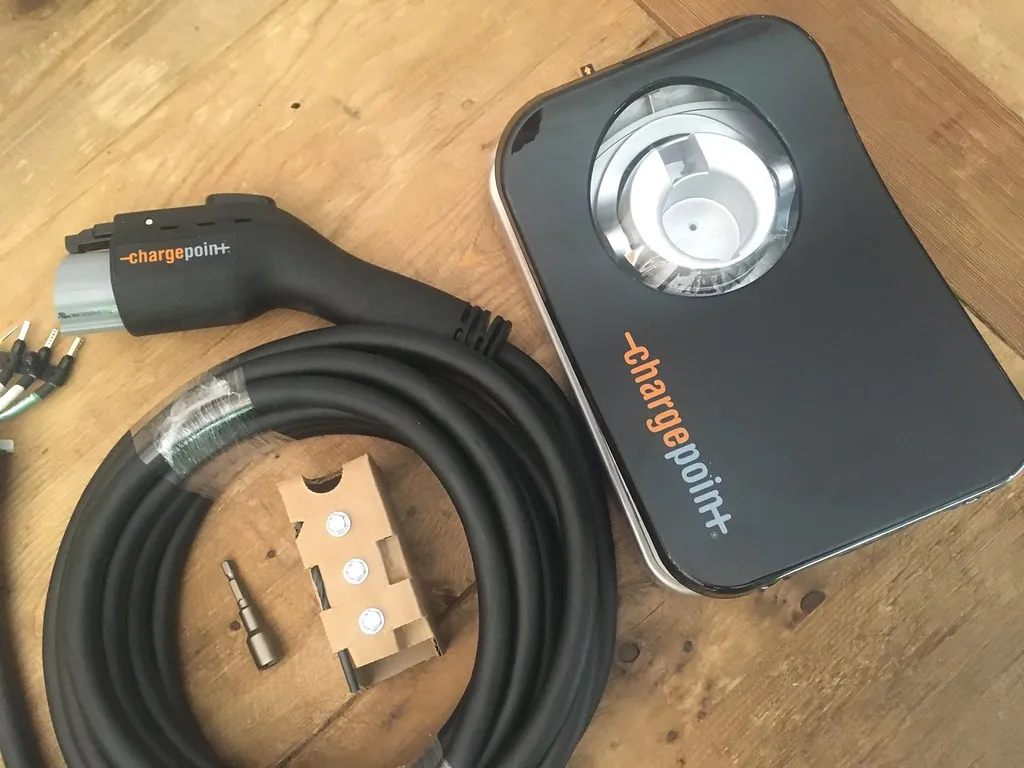
ChargePointSA installs in Paarl too, with our own CP-AC7-CP (7kW, single-phase) and CP-AC22-CP (22kW, three-phase) chargers. Most homes only need the 7kW single-phase unit for residential use unless three-phase power is already available.
Electrical Infrastructure and Compliance
Paarl properties built before 2015 often require electrical upgrades to safely support EV charging loads. A Certificate of Compliance (CoC) from a registered electrician is mandatory for any new fixed electrical installation in South Africa, including EV chargers.
Typical infrastructure costs include:
- Distribution board upgrade: R4,500–R9,000 (if existing board lacks capacity for a dedicated 32A or 40A breaker)
- Cabling (from DB to garage): R180–R320 per metre for 6mm² or 10mm² cable, depending on distance
- Earth leakage and surge protection: R2,200–R4,500
- CoC and electrical inspection: R1,800–R3,200
Wine estates and farms with existing three-phase agricultural connections often have lower upgrade costs, as the infrastructure already supports high-load equipment. Urban properties in older Paarl suburbs (e.g., Noorder-Paarl, Berg River) may require more extensive work.
Installation Labour
Certified EV charger installers in the Paarl area charge R3,500–R7,500 for standard installations (charger within 10 metres of the distribution board, no major obstacles). Complex installations — such as running cable through existing walls, trenching across driveways, or integrating with solar inverters — can add R5,000–R15,000 to labour costs.
Total turnkey installation costs for a 7 kW home charger in Paarl typically range from R22,000 to R48,000, depending on property-specific factors.
| Installation Scenario | Equipment | Infrastructure | Labour | Total Cost |
|---|---|---|---|---|
| Basic (new estate, DB ready) | R14,800 | R3,500 | R3,500 | R21,800 |
| Standard (minor DB upgrade) | R16,500 | R8,200 | R5,500 | R30,200 |
| Complex (older property, 25m cable run) | R18,000 | R14,500 | R9,500 | R42,000 |
| Premium (22 kW smart charger, solar integration) | R32,000 | R11,000 | R12,000 | R55,000 |
Public Charging Infrastructure: N1 Corridor and Paarl Options
While home charging covers 80–90% of most EV owners’ needs, Paarl’s location on the N1 corridor provides excellent public charging access for longer trips to Cape Town (45–60 minutes) or the interior.
Paarl and Surrounding Public Chargers
As of April 2026, Paarl hosts several public charging locations:
- Engen Paarl (N1): GridCars 60 kW DC fast charger; R7.35/kWh for eMSP customers. Adds 200 km range in 25–30 minutes.
- Shell Huguenot Tunnel (N1 southbound): Rubicon 50 kW DC; R7.00/kWh. Strategic location for Cape Town-bound traffic.
- Paarl Mall: ChargePoint SA 22 kW AC; R5.88/kWh. Convenient for shopping trips (2–3 hours adds 120–150 km).
- Selected wine estates: Several Paarl wineries (including Fairview and Spice Route) offer courtesy 7 kW AC charging for visitors; call ahead to confirm availability.
The broader Western Cape network includes over 80 public charging stations between Cape Town and Worcester, with ChargePoint SA operating over 450 stations nationwide and connecting drivers to approximately 445 sites representing 650 chargers via the ChargePocket app.
Upcoming Infrastructure Developments
Several major charging initiatives will enhance Paarl’s EV ecosystem in 2026:
- BYD flash charging network: BYD plans to deploy 1,000 kW ultra-fast chargers at 200–300 locations by end-2026, with first sites launching April–May 2026. Charge times drop to under 15 minutes for compatible vehicles.
- CHARGE N3 solar stations: Two off-grid solar-powered charging hubs expected by June 2026, funded by DBSA’s US$6.2m equity investment. While focused on the N3 corridor, the model may expand to N1 secondary routes.
- WattSpot Western Cape expansion: Valternative Energy’s fleet network, which achieved 98.5% uptime in Gauteng, targets Western Cape rollout in Q3 2026, potentially including Paarl commercial sites.
Public charging tariffs remain significantly higher than home rates — R5.88–R7.35/kWh versus R1.89–R3.18/kWh — reinforcing the economic case for home installation for daily charging needs.
Choosing an Installer in Paarl
Selecting a qualified EV charger installer is critical for safety, compliance, and warranty protection. Look for installers who meet the following criteria:
- Electrical Contractors Registration (DoL): All electrical work in South Africa must be performed by registered electricians. Verify registration at labour.gov.za.
- Manufacturer certification: Look for installers certified directly by the charger’s manufacturer — ChargePointSA’s own installation teams are certified on our full CP-AC7-CP, CP-AC22-CP and CP-DUO-44B range — to keep your warranty valid.
- EV-specific experience: Ask for references from previous EV installations, particularly solar-integrated systems if relevant.
- Insurance and liability cover: Ensure the installer carries professional indemnity and public liability insurance (minimum R5 million cover recommended).
Paarl-based and Western Cape installers serving the area include national networks like GridCars (installation arm of South Africa’s largest charging network operator) and regional specialists such as Cape EV Solutions and Stellenbosch Solar & EV. Expect 2–4 week lead times for installations during peak season (September–December).
Questions to Ask Potential Installers
- Can you provide a detailed quote including equipment, materials, labour, and CoC?
- What is the warranty on the charger unit and installation workmanship?
- Do you offer solar integration or load management systems?
- What is your typical installation timeline, and do you handle municipal approvals if required?
- Can you provide references from recent Paarl or Stellenbosch installations?
Solar-EV Integration: Maximising Paarl’s Renewable Potential
Paarl’s high solar irradiance and spacious properties make it ideal for integrated solar-EV systems. Wine estates and farms already familiar with solar for irrigation pumps and cold storage can extend these systems to include EV charging with minimal additional complexity.
System Sizing for Solar-EV Pairing
A typical Paarl household with moderate electricity use (600–800 kWh/month) and an EV driven 1,500 km/month requires approximately:
- Solar array: 6–8 kW (20–26 panels)
- Battery storage: 10–15 kWh (for evening charging and load-shedding backup)
- Hybrid inverter: 8–10 kW with EV charger integration
Total system cost: R220,000–R320,000 installed. Monthly savings (electricity + petrol offset): R4,500–R6,500. Payback period: 4–6 years, after which energy for both home and transport is effectively free.
Advanced systems include smart load management, which automatically adjusts EV charging rates based on solar generation and household demand. On sunny days, the system diverts excess solar directly to the EV; on cloudy days or during load-shedding, it draws from battery storage or grid at off-peak rates.
Load-Shedding Considerations
While Eskom suspended load-shedding in March 2025, the risk of future outages remains. Battery-backed solar systems ensure EV charging continuity regardless of grid status — a significant advantage for Paarl residents who commute to Cape Town daily or operate tourism businesses dependent on reliable transport.
A 10 kWh battery provides approximately 40–50 km of EV range when dedicated solely to charging, or can be split between essential household loads and partial EV charging during extended outages.
EV Models and Charging Compatibility in Paarl
South Africa’s EV market expanded significantly in early 2026, with the BYD Dolphin Surf launching at R339,900 — the country’s most affordable electric car. Chinese brands like BYD, GWM, and Geely are driving accessibility, with entry prices dropping from R399,900 (Dayun S5) to under R340,000.
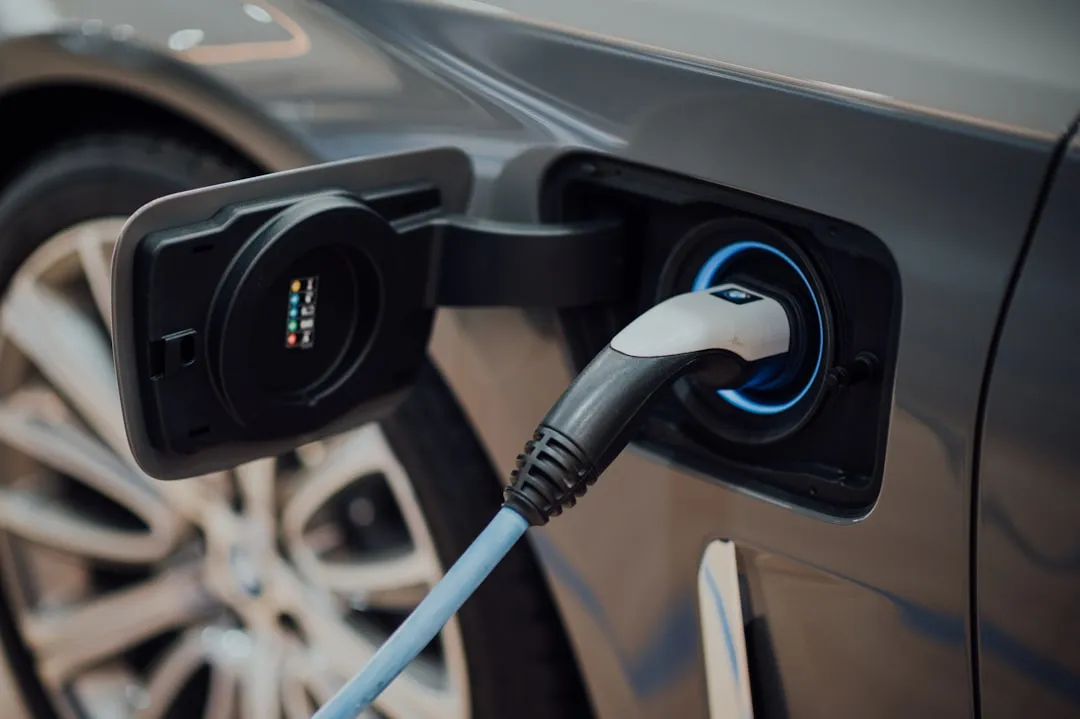
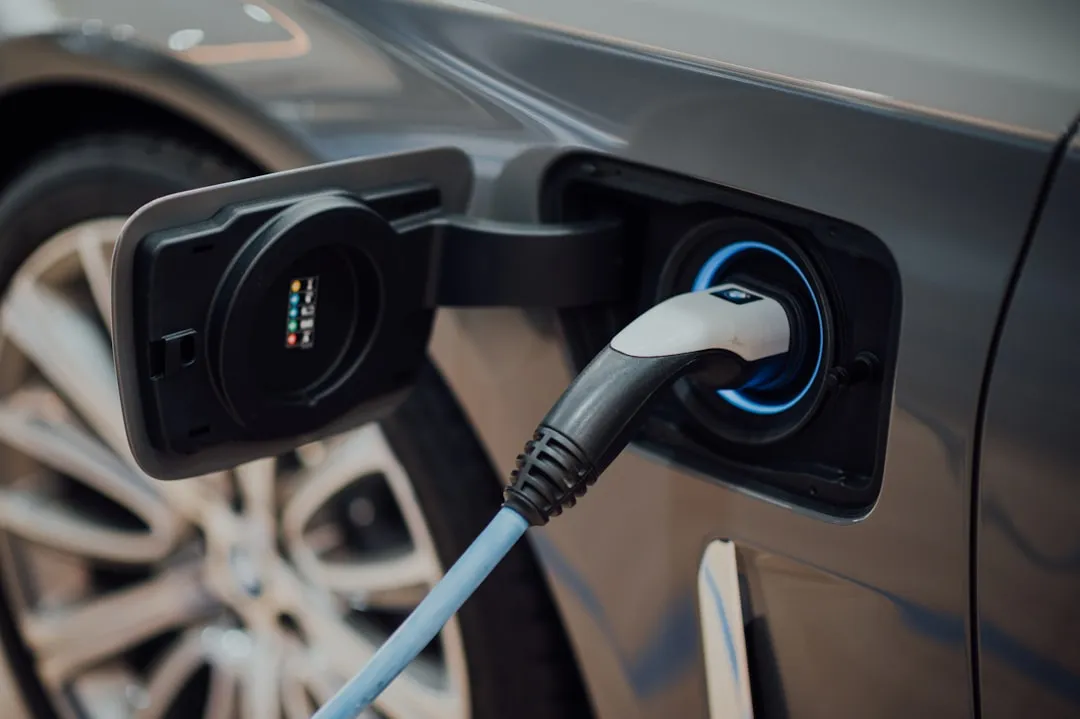
All EVs sold in South Africa use the Type 2 (Mennekes) connector for AC charging, ensuring compatibility with home chargers. DC fast charging uses CCS2 (Combined Charging System) or CHAdeMO connectors, depending on the vehicle.
Popular Models in Paarl (2026)
| Model | Price (ZAR) | Battery (kWh) | Range (km) | Home Charging Time (7 kW) |
|---|---|---|---|---|
| BYD Dolphin Surf | R339,900 | 44.9 | 340 | 6.5 hours |
| GWM Ora 03 | R499,000 | 48 | 310 | 7 hours |
| Volvo EX30 | R699,000 | 51 | 344 | 7.5 hours |
| BMW iX1 | R999,000 | 64.7 | 439 | 9 hours |
| Mercedes EQE SUV | R1,850,000 | 90.6 | 590 | 13 hours |
For Paarl’s wine estate demographic, premium models like the BMW iX1 and Mercedes EQE SUV are popular, while second-home owners and younger buyers increasingly opt for affordable Chinese EVs. The 150% tax deduction for EV manufacturing (effective 1 March 2026) is expected to stabilise pricing long-term as manufacturers move toward local assembly.
Return on Investment: When Does Home Charging Pay Off?
The financial case for home EV charger installation in Paarl is compelling, particularly when factoring in petrol savings and the potential for solar integration.
Scenario 1: Grid-Only Charging (Off-Peak)
- Installation cost: R30,000 (7 kW charger, standard installation)
- Monthly driving: 1,500 km (typical Paarl-Cape Town commuter)
- Electricity cost: R285/month (150 kWh @ R1.89/kWh off-peak)
- Petrol equivalent: R2,700/month (125L @ R24/L, 12 km/L average)
- Monthly savings: R2,415
- Payback period: 12.4 months
Scenario 2: Solar-Integrated Charging
- Installation cost: R250,000 (6 kW solar + 10 kWh battery + 7 kW charger)
- Monthly driving: 1,500 km
- Electricity cost: R0 (solar covers 100% of charging + household use)
- Petrol equivalent: R2,700/month
- Additional household savings: R2,200/month (grid electricity offset)
- Total monthly savings: R4,900
- Payback period: 51 months (4.25 years)
After payback, solar-EV owners enjoy effectively free transport energy for the 20–25 year lifespan of the solar panels — a compelling proposition for Paarl’s affluent, environmentally conscious demographic.
Regulatory and Compliance Requirements
All fixed electrical installations in South Africa, including EV chargers, must comply with SANS 10142-1 (Wiring Code) and obtain a Certificate of Compliance. The CoC must be issued by the registered electrician who performed the work and submitted to the local municipality (Drakenstein Municipality for Paarl).
Key Compliance Steps
- Electrical design: Installer assesses existing distribution board capacity and designs compliant installation.
- Municipal notification: Some municipalities require notification before major electrical work; check with Drakenstein Municipality.
- Installation: Work performed by DoL-registered electrician.
- Testing and inspection: Earth leakage, insulation resistance, and polarity tests conducted.
- CoC issuance: Certificate issued and submitted to municipality within 7 days.
Reputable installers handle the entire compliance process as part of their service. Ensure you receive the original CoC and keep it with your property documents — it’s required for insurance claims and property sales.
Maintenance and Ongoing Costs
Home EV chargers are low-maintenance devices with no moving parts. Typical maintenance requirements include:
- Annual inspection: R800–R1,200 (visual check, connection tightness, earth leakage test)
- Cable replacement: R2,500–R4,500 every 5–7 years if cable shows wear (rare with proper use)
- Software updates: Free for smart chargers with Wi-Fi connectivity
Most manufacturers offer 2–3 year warranties on charger units, with extended warranties available for R1,500–R3,000. Solar-integrated systems require additional maintenance for panels (annual cleaning, R600–R1,200) and inverters (firmware updates, occasional component replacement).
Future-Proofing Your Installation
As EV technology evolves, consider these future-proofing strategies:
- Install 10mm² cabling: Even if installing a 7 kW charger, use cabling rated for 22 kW to allow future upgrades without rewiring.
- Choose smart chargers: App-controlled units with load management and solar integration capabilities adapt to changing needs.
- Plan for multiple vehicles: If space allows, install conduit for a second charger — adding a second unit later costs 60% less than the first.
- Consider V2H (Vehicle-to-Home): Emerging technology allows EVs to power homes during outages. While not yet common in SA, compatible chargers are becoming available.
The 84% of South Africans who would consider a hybrid as their next vehicle (per Yazi’s March 2026 study) suggests rapid market growth ahead — investing in robust, upgradeable charging infrastructure now positions Paarl homeowners for the electric transition.
Get Your Paarl EV Charger Installation Quote
Ready to join Paarl’s growing community of EV owners? ChargePoint SA connects you with certified installers in the Western Cape who understand the unique requirements of wine country properties — from solar integration to three-phase estate installations.
Our installer network includes DoL-registered electricians with manufacturer certifications for all major charger brands. Whether you’re installing a basic 7 kW unit in a new estate or integrating a 22 kW smart charger with an existing solar array, we’ll match you with the right professional for your project.
Request your free, no-obligation quote today and receive detailed proposals from up to three qualified Paarl-area installers. Most quotes are delivered within 48 hours, with installations completed within 2–3 weeks of acceptance.
For immediate assistance or complex projects (commercial installations, fleet charging, or large-scale solar integration), contact our Western Cape team directly at [email protected] or call 021 300 0000.