
How Long Does It Take to Charge an EV in South Africa? Complete 2026 Guide
EV Charging Times Explained for South Africa
EV charging time depends on three factors: charger power (kW), battery size (kWh), and current charge level. Here’s what South African EV owners actually experience:
| Charging Type | Power | Time for 60kWh Battery | Range Added/Hour |
|---|---|---|---|
| Level 1 (Wall Socket) | 2.3 kW | 18-24 hours (0-100%) | 10-15 km/hr |
| Level 2 (Home Charger) | 7 kW | 6-8 hours (0-100%) | 40-50 km/hr |
| Level 2 (Fast Home) | 11 kW | 4-5 hours (0-100%) | 60-70 km/hr |
| DC Fast Charging | 50-60 kW | 30-45 min (10-80%) | 250-300 km/hr |
| Ultra-Fast DC | 150+ kW | 15-20 min (10-80%) | 600+ km/hr |
Most common: 7kW Level 2 home charging, which fully charges overnight while you sleep.
Real-World Charging Examples
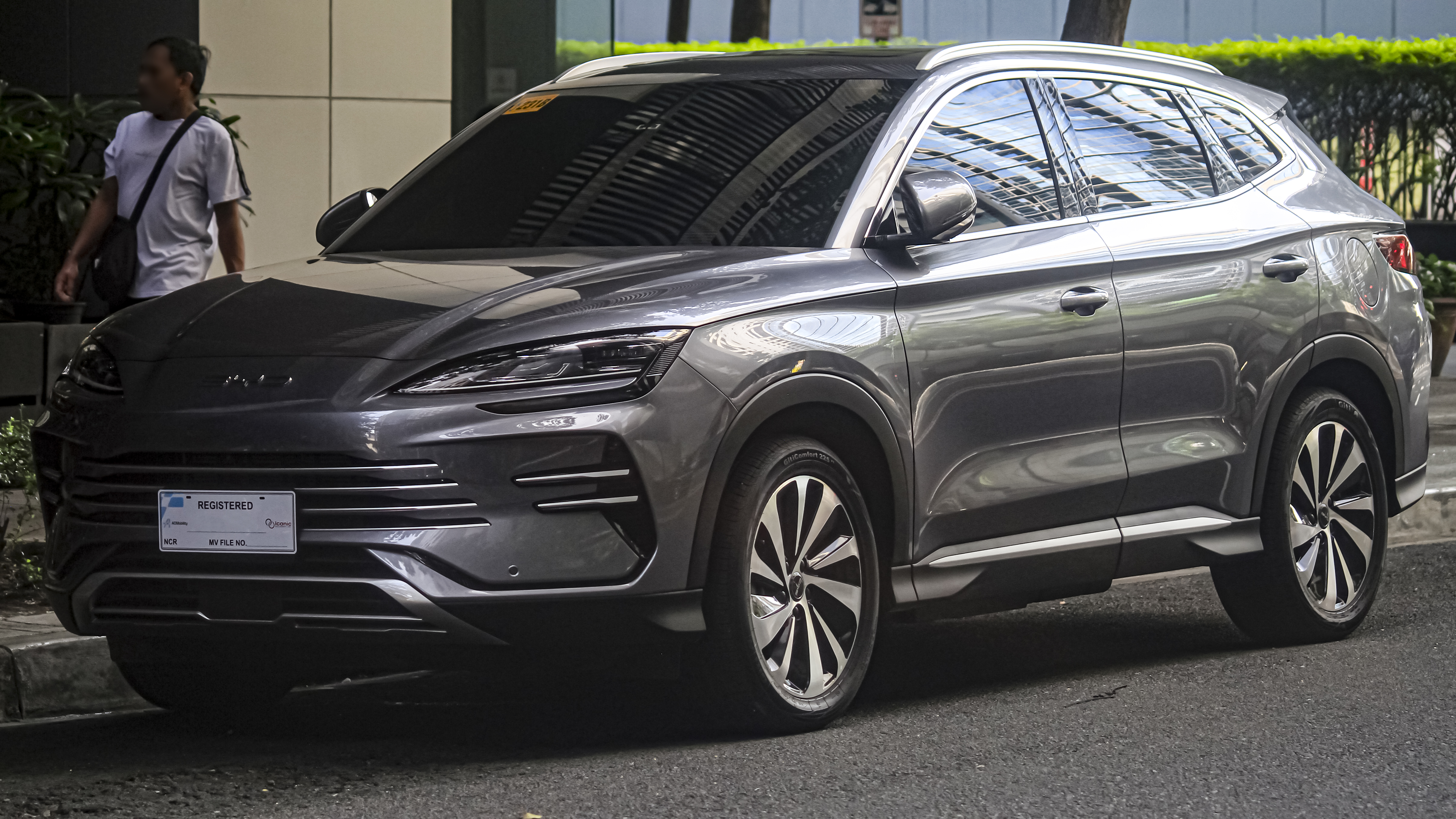
BYD Atto 3 Standard Range (60.5 kWh, 420km range)
Home Charging (7kW):
- Empty to full: 8.5 hours (60.5 kWh ÷ 7 kW = 8.6 hours theoretical)
- 10% to 80% (typical daily): 6 hours
- Overnight charge (10pm-6am): Fully charges from 20%
- Cost: R311 for full charge (60.5 kWh × R5.15/kWh home rate)
DC Fast Charging (60kW):
- 10% to 80%: 35 minutes
- Coffee break charge: Add 150km in 15 minutes
- Cost: R620 for 10-80% (42.35 kWh × ~R14.65/kWh DC rate)
BMW iX1 (64.7 kWh, 439km range)
Home Charging (11kW three-phase):
- Empty to full: 6 hours
- Overnight charge: Easily full from any level
- Cost: R333 for full charge (64.7 kWh × R5.15/kWh)
DC Fast Charging (130kW capable):
- 10% to 80%: 29 minutes
- Lunch break: Add 200km in 15 minutes
Understanding Charging Costs in South Africa
Charging costs vary significantly by location and charger type. As of 2026, typical rates include:
- Home charging: R5.15/kWh (average municipal rate)
- Public AC charging: R8-12/kWh
- DC fast charging: R14-18/kWh
- Premium ultra-fast: R18-22/kWh
For a 60 kWh battery, a full home charge costs around R310, while the same charge at a DC fast charger costs R840-1,080. This is why most EV owners charge at home for daily use and reserve public fast charging for road trips.
Want to calculate your specific charging costs? Use our EV Calculator to estimate monthly charging expenses based on your driving patterns.
Charging Speed Factors
Why Charging Slows Down Above 80%
EVs charge fastest from 10-80%, then slow dramatically to protect battery:
- 10-50%: Full speed (60kW DC charger)
- 50-80%: 80% speed (48kW)
- 80-90%: 40% speed (24kW)
- 90-100%: 20% speed (12kW)
Pro tip: For road trips, charge to 80% and move on. The last 20% takes as long as the first 60%!
Temperature Effects
- Optimal (15-25°C): Full charging speed
- Hot (>35°C): 10-20% slower to protect battery
- Cold (<10°C): 20-30% slower, battery preheating needed
South Africa’s climate is generally EV-friendly. Johannesburg winters (5-15°C) may slow charging slightly in early mornings, while Cape Town and Durban maintain optimal temperatures year-round. Coastal regions rarely experience charging slowdowns due to temperature.
Planning Your Charging Strategy
Daily Driving (50-80km/day)
Most South Africans drive 50-80km daily for commuting. With a 7kW home charger, you only need 2-3 hours to replenish this range. Plug in when you arrive home, and your EV is ready for the next day – no need for overnight charging unless you’ve driven further.
Road Trips and Long-Distance Travel
For trips beyond your EV’s range, plan charging stops every 250-300km. Use our Live EV Charging Map to find DC fast chargers along your route. A 30-minute coffee break adds 200km of range – enough to reach your next stop comfortably.
Popular routes like Johannesburg-Durban (570km) and Cape Town-Garden Route are well-served by fast chargers. Most EV owners report that charging stops align naturally with meal and rest breaks.
Load-Shedding Considerations
Load-shedding affects home charging schedules. With an 8-hour overnight window, you can typically complete a full charge between load-shedding cycles. Many EV owners invest in solar-plus-battery systems to charge during the day, eliminating grid dependence entirely.
Smart chargers can automatically resume charging after power restoration, ensuring your EV is ready each morning despite interruptions.
Installing Your Home Charger
A 7kW Level 2 charger installation typically costs R15,000-25,000, including the unit, electrical work, and compliance certification. Three-phase homes can support 11kW or 22kW chargers for faster charging, though most single-phase homes are limited to 7kW.
Ready to install a home charger? Get a quote from ChargePoint-certified installers in your area. We’ll connect you with experienced professionals who understand South African electrical standards and municipal requirements.
Comparing EV Charging to Petrol Refuelling
The shift from petrol stations to home charging represents a fundamental change in refuelling behaviour. While filling a petrol tank takes 5 minutes at a forecourt, EV charging happens passively while you sleep, work, or shop.
Consider the time investment differently: a petrol car requires weekly 10-minute detours to fuel stations (520 minutes annually). An EV owner plugs in at home each night—a 10-second task—and wakes to a full battery. Over a year, home charging saves approximately 8 hours compared to petrol station visits.
For long trips, DC fast charging does require 30-45 minute stops versus 5-minute petrol fills. However, these align with natural rest breaks on journeys over 300km. According to Arrive Alive, drivers should rest every 2 hours on long trips—exactly when your EV needs charging.
Battery Degradation and Charging Speed Over Time
Modern EV batteries retain 80-90% capacity after 8-10 years of typical use. This affects charging times minimally: a battery degraded to 85% capacity still charges at the same kW rate, but reaches “full” slightly faster because full capacity is reduced.
For example, a BYD Atto 3 with 85% battery health (51.4 kWh usable vs. 60.5 kWh new) charges 0-100% in 7.3 hours on a 7kW charger instead of 8.5 hours. The practical impact is negligible for daily driving, as you’re still adding the same 40-50km per hour of charging.
Battery warranties typically guarantee 70-80% capacity retention for 8 years or 160,000km, whichever comes first. BYD South Africa offers an 8-year/150,000km battery warranty, while BMW South Africa provides 8 years/160,000km coverage on the iX1.
Public Charging Network Growth in South Africa
South Africa’s public charging infrastructure expanded significantly in 2025-2026. Major networks now include GridCars (350+ stations), Rubicon (200+ stations), and Jaguar Power (150+ stations). Most shopping centres in major metros now feature at least one DC fast charger.
The N1, N2, and N3 highways have DC fast chargers every 80-150km, making long-distance EV travel practical. Coastal routes from Cape Town to Durban are particularly well-served, with chargers at every major town and tourist destination.
Find real-time charger availability and plan your route using our Live EV Charging Map, which shows all public chargers across South Africa with live status updates.
Smart Charging and Time-of-Use Tariffs
Many South African municipalities offer time-of-use (TOU) electricity tariffs with cheaper rates during off-peak hours (typically 22:00-06:00). Smart chargers can automatically schedule charging during these windows, reducing costs by 30-50%.
For example, City of Cape Town’s off-peak rate is approximately R3.20/kWh versus R5.80/kWh peak rate. Charging a 60 kWh battery off-peak costs R192 instead of R348—a saving of R156 per full charge, or R1,872 annually for weekly full charges.
Smart chargers also integrate with solar systems, prioritising free solar energy during the day before drawing from the grid. This can reduce charging costs to near-zero for homeowners with adequate solar capacity.
Frequently Asked Questions
How long does it take to fully charge an EV at home in South Africa?
With a standard 7kW Level 2 home charger, most EVs fully charge in 6-8 hours (0-100%). For daily use, you typically only need 2-3 hours to replenish your daily driving (50-80km). Overnight charging (8 hours) easily covers any daily needs.
Can I charge my EV overnight?
Yes, this is the recommended method. An 8-hour overnight charge with a 7kW charger adds 320km of range – more than enough for daily driving. Most EV owners plug in when arriving home and wake up to a full battery.
How long does DC fast charging take in South Africa?
DC fast chargers (50-60kW) charge most EVs from 10% to 80% in 30-45 minutes – perfect for a coffee break during road trips. Ultra-fast chargers (150kW+) do the same in 15-20 minutes but are less common.
Why does EV charging slow down after 80%?
Battery management systems slow charging above 80% to protect battery longevity. Charging 80-100% takes as long as 10-80%. For road trips, charge to 80% and move on – it’s faster and better for your battery.
How much range can I add in 1 hour of home charging?
With a 7kW home charger, you add approximately 40-50km of range per hour. A 11kW charger adds 60-70km/hour. This means even a 2-hour charge during dinner adds 100km – plenty for most daily needs.
Does load-shedding affect EV charging?
Yes, but most overnight charging windows (8+ hours) provide enough uptime between load-shedding cycles to complete a full charge. Smart chargers automatically resume charging when power returns. Many EV owners also install solar systems to charge during the day, avoiding grid dependence entirely.
Continue Reading
Deprecated: File Theme without comments.php is deprecated since version 3.0.0 with no alternative available. Please include a comments.php template in your theme. in /var/www/wordpress/wp-includes/functions.php on line 6085
Leave a Reply