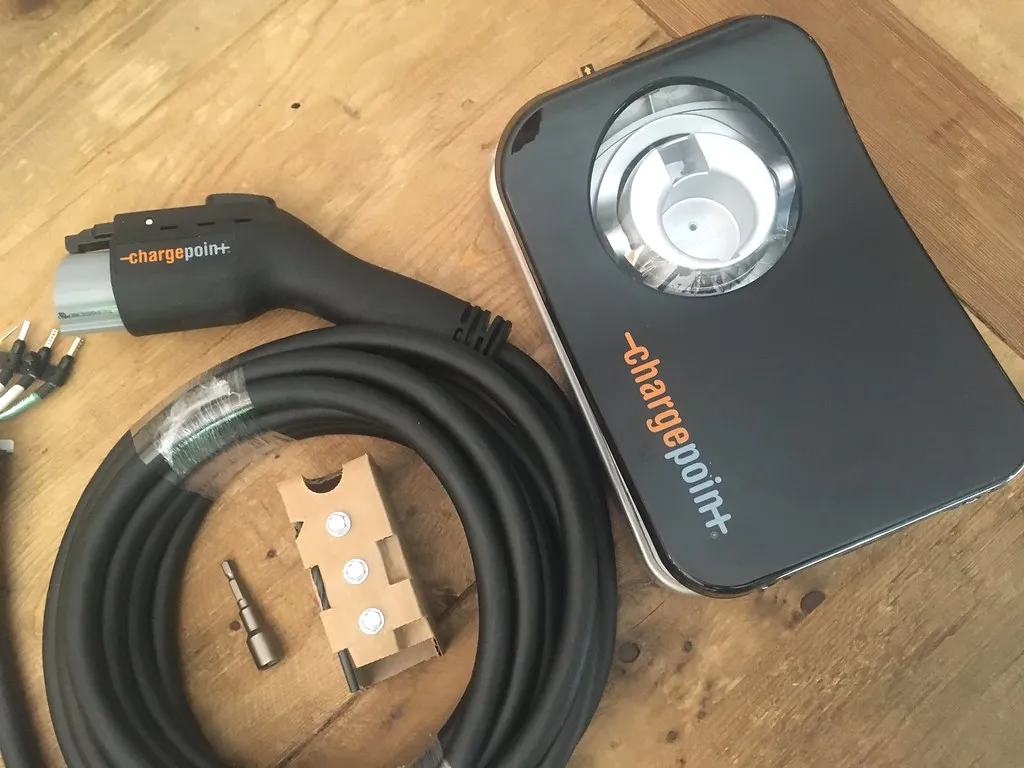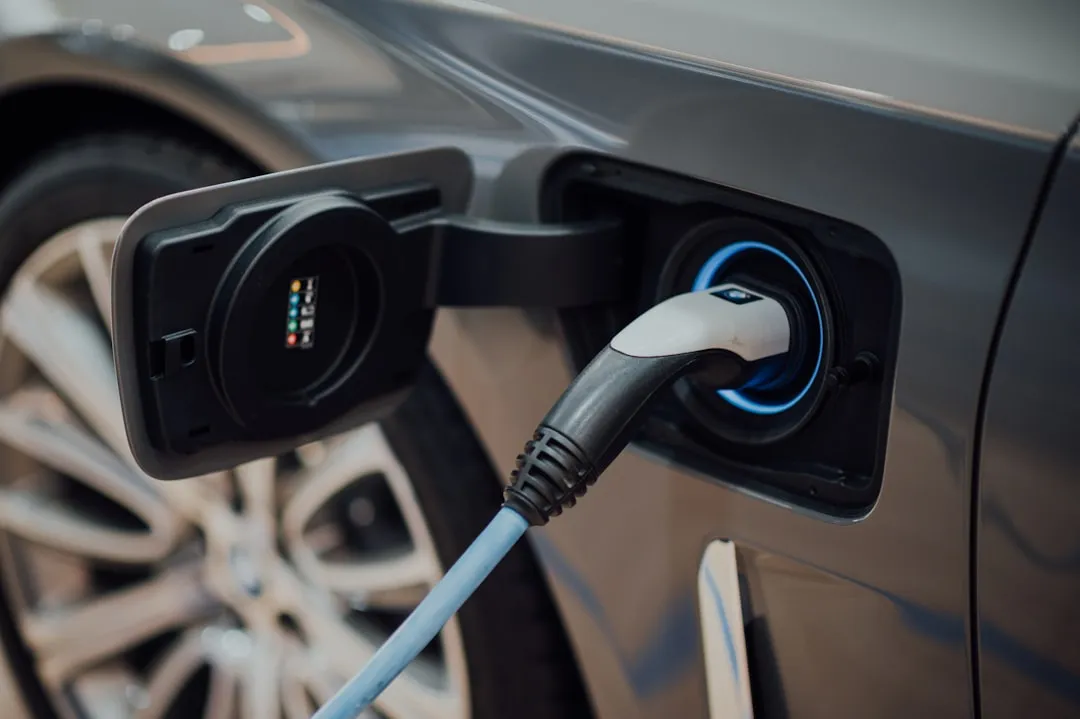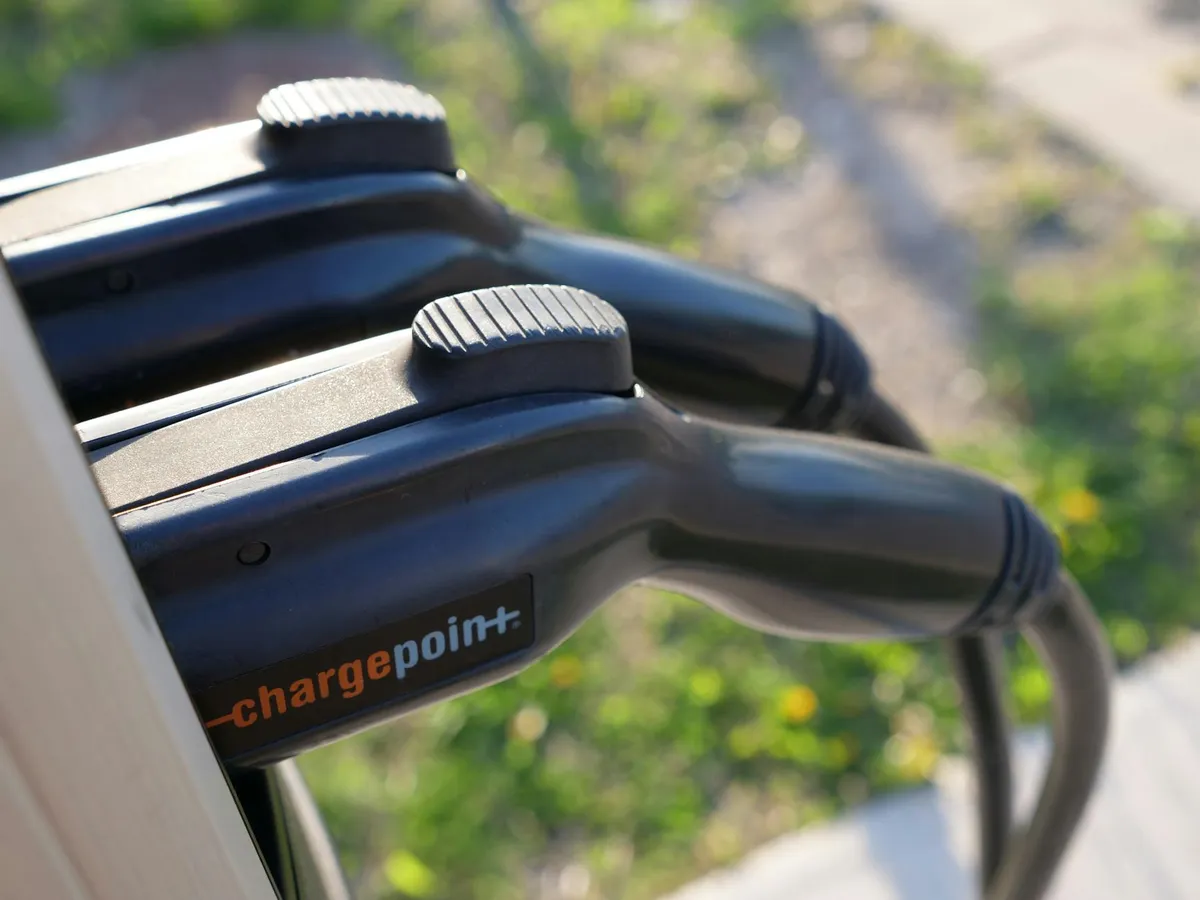

Installing a home EV charger in Tshwane in May 2026 costs between R8,000 and R35,000 all-in, depending on whether you go single-phase or three-phase, and what your existing electrical setup looks like. For most Pretoria homeowners — a freestanding house in Centurion, Pretoria East, or Waterkloof Ridge — the realistic budget is R10,000 to R14,000 for a 7.4kW wall-box, fully installed with a SANS 10142 Certificate of Compliance. That is the direct answer. Now here is why 2026 is arguably the best moment in Tshwane’s history to make this move.
The City of Tshwane charges the cheapest electricity tariffs of any major South African metro. At R1.70/kWh overnight (22:00 to 06:00), you can charge a BYD Atto 3 from flat to full for just over R100. Compare that to a R784 petrol fill-up for the equivalent distance in a comparable ICE car. The maths are not subtle. And then there is the grid stability question — which, for the first time in years, has a genuinely good answer.
South Africa has recorded over 341 consecutive days without load shedding, and Eskom is projecting that no load shedding will be implemented during the entire 2026 winter season.
Eskom has entered the 2026 winter season with what it calls a “resilient power system,” projecting continued energy stability from 1 April to 31 August 2026 — a positive outlook following a summer period during which the national grid operated with sustained reliability, driven by the Generation Recovery Plan now firmly embedded in day-to-day operations.
For EV ownership in Tshwane, this changes everything.
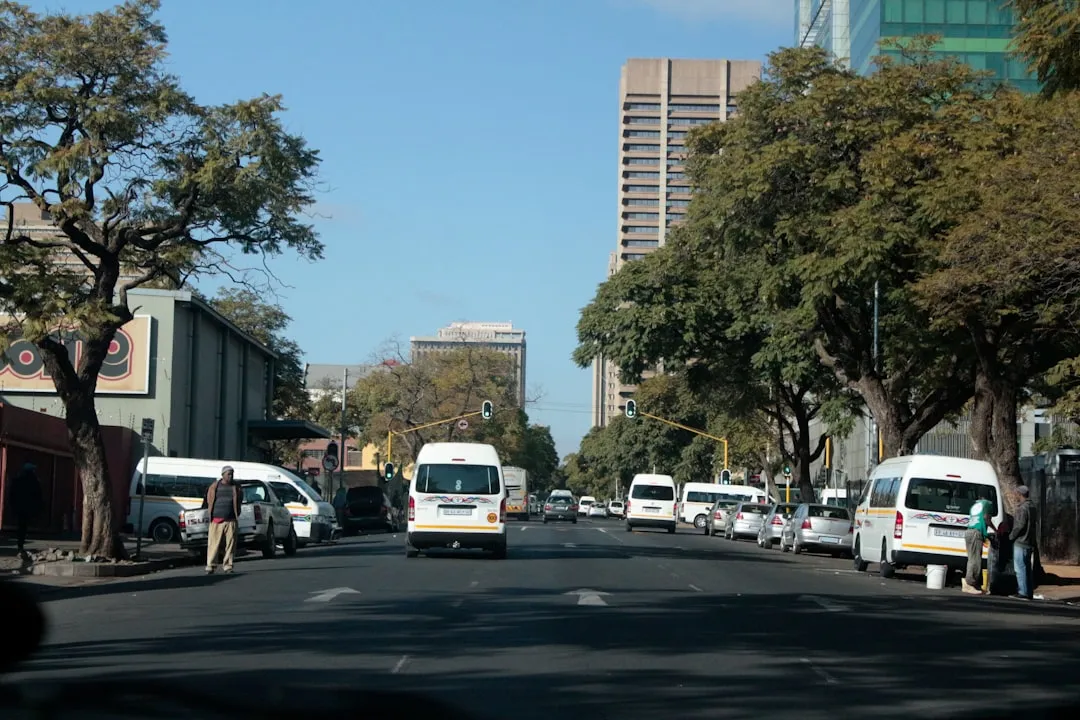
Why 2026 Is the Best Year Yet to Go Electric in Tshwane
Think back two years. Load shedding was still the first objection anyone raised when you mentioned EVs. “But what if the power goes out while it’s charging?” Fair point, then. Not anymore.
With the Generation Recovery Plan firmly embedded in day-to-day operations, Eskom has moved beyond short-term recovery into a phase of stability and sustained energy security.
Unplanned losses have been reduced by approximately 7.1GW, with the Unplanned Capacity Loss Factor declining from 16.5GW to roughly 9.1GW as at 31 March 2026 — a reduction exceeding one-and-a-half times the capacity of Kusile Power Station.
Those are not marketing numbers. That is a fundamentally different grid.
Meanwhile, Tshwane residents benefit from a municipal electricity supply — meaning the City of Tshwane, not Eskom directly, manages your distribution. And the City’s time-of-use tariff structure is, frankly, the best deal available to any EV owner in South Africa right now.
Tshwane’s time-of-use electricity tariffs change the game entirely — charging your EV on the standard rate costs R2.88 per kWh, but the overnight off-peak rate of R1.70/kWh (available while most people are asleep and their cars sit idle) makes the maths genuinely compelling.
Want to know exactly how much you would save over a year versus petrol? Run your numbers through the EV savings calculator — it is the fastest way to see what an EV plus home charger actually saves a Tshwane commuter.

Tshwane Electricity Tariffs Explained
The City of Tshwane operates a time-of-use (TOU) tariff for residential customers. Most people do not realise how powerful this is for EV ownership. Here is the 2026 breakdown:
| Time Period | Hours | Rate (R/kWh) | Best for EV charging? |
|---|---|---|---|
| Off-peak | 22:00 – 06:00 | R1.70 | Yes — plug in before bed |
| Standard | 09:00 – 17:00 & 20:00 – 22:00 | R2.88 | Acceptable if needed |
| Peak | 06:00 – 09:00 & 17:00 – 20:00 | R4.05 | Avoid for charging |
At R1.70/kWh off-peak, every kilometre driven in a BYD Atto 3 costs roughly R0.17 — about seven times cheaper than petrol.
The national average electricity rate sits around R3.20/kWh. Joburg residents on City Power pay closer to R3.80/kWh with no time-of-use option for domestic customers yet.
Johannesburg’s City Power currently offers a residential flat rate of approximately R3.80/kWh with no time-of-use option yet for domestic customers.
Cape Town is better but still not Tshwane. If you are an EV owner, the City of Tshwane’s off-peak rate is as good as it gets in South Africa.
The smart move is simple: buy a wall-box charger with a built-in timer function (almost all modern units have this), set it to start charging at 22:00, and let the car fill up overnight. You wake up to a full battery, and you’ve paid R1.70/kWh for the privilege.
How Much Could You Save With an EV?
Use our free calculator to compare your current fuel costs with EV charging costs.
How Much Does It Cost to Install a Home EV Charger in Tshwane?
Installing a home EV charger in Pretoria in 2026 costs between R8,000 and R35,000 all-in, depending on charger type and the complexity of your electrical setup — and that includes hardware, cabling, a dedicated circuit breaker, and the required SANS 10142 Certificate of Compliance.
Here is how the three main options break down:
7.4kW single-phase (R8,000–R15,000):
For most Pretoria homeowners — think a 7.4kW wall-box in a freestanding house in Centurion or Pretoria East — the realistic sweet spot sits around R10,000 to R14,000.
This is what the vast majority of Tshwane residents need and should buy.
11kW three-phase (R12,000–R22,000): Faster, but only useful if your home already has three-phase power.
Three-phase supply is more common in some older Waterkloof Ridge and Pretoria East homes and in commercial or mixed-use settings — but if you do have it, an 11kW charger halves your charge time and future-proofs you against larger EV batteries.
22kW three-phase (R18,000–R35,000):
The 22kW option is most relevant for households with multiple EVs or very long daily commutes.
Honestly, for a single-vehicle Tshwane household, this is overkill — unless you are planning to add a second EV or run a micro home-based charging business.
One critical warning:
numerous botched installations by unqualified contractors have undercut professional pricing but left homeowners with unsafe, non-compliant systems that ultimately cost more to fix. Tshwane municipality may also require the CoC if you are applying to upgrade your supply capacity.
Use a qualified, registered electrician. Always. And get a free installation quote from a vetted installer who knows Tshwane’s municipal requirements.
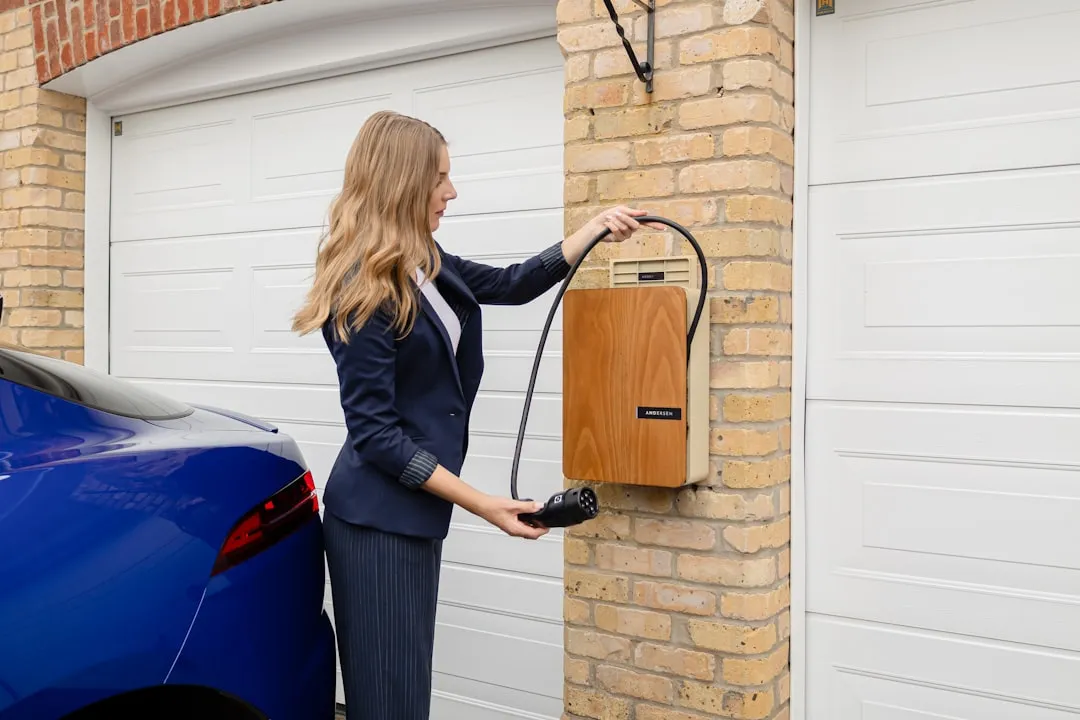
Charging Times and Costs for Popular EVs in Tshwane
Let us get specific. These are real numbers for the EVs most commonly sold in Gauteng, using Tshwane’s actual 2026 tariffs. This is what overnight charging actually costs you:
| Vehicle | Battery | Charger | Full Charge Time | Cost (Off-Peak R1.70) | Cost (Standard R2.88) |
|---|---|---|---|---|---|
| BYD Atto 3 | 60.5kWh | 7.4kW | ~8.2 hours | R102.85 | R174.24 |
| BYD Dolphin Standard | 44.9kWh | 7.4kW | ~6.1 hours | R76.33 | R129.31 |
| Tesla Model 3 | 60kWh | 11kW | ~5.5 hours | R102.00 | R172.80 |
| Hyundai Ioniq 5 | 72.6kWh | 11kW | ~6.6 hours | R123.42 | R209.09 |
Look at that BYD Dolphin number. R76 for a full charge. That is roughly the price of a large pizza. The Dolphin gives you 480km on the Extended range battery, or 370km on the Standard — more than enough for a Tshwane commuter who might be doing 60 to 80km daily.
For the average Pretoria commuter covering 60 to 80km a day, a 7.4kW charger restores a full battery in six to eight hours — plug in at 10pm, full by 5am. Done.
The Hyundai Ioniq 5, at R123 for a full 72.6kWh top-up overnight, offers 481km of range. If you need three-phase power to use the 11kW charger effectively, the saving over a comparable-sized petrol SUV is even more striking. Speaking of which…
EV Charging vs. Petrol: What Does It Actually Save You in Tshwane?
Here is the comparison that closes the deal. Petrol in Pretoria is sitting at R24.50 per litre for 95 ULP inland as of May 2026. A comparable ICE car — say, a Toyota Corolla Cross or Volkswagen Tiguan running 8L/100km — costs 32 litres for a 400km tank. That is R784 per fill-up.
The BYD Atto 3 covers 420km on a single charge. Charged overnight at Tshwane’s off-peak rate: R102.85. The saving per “tank equivalent” is R681. Do that three times a month and you are saving over R2,000 monthly on fuel alone. Over a year, that is R24,000 back in your pocket — before you even account for lower servicing costs (no oil changes, fewer brake pad replacements thanks to regenerative braking).
R102.85 vs R784 per tank equivalent. That is the number every petrol driver in Pretoria needs to see before they dismiss an EV as “too expensive.”
And this is why the installation cost — even at R14,000 for a quality 7.4kW setup — pays itself back in under nine months on fuel savings alone for an average Gauteng commuter.
Not a trivial outlay, but one that pays itself back very quickly when you consider what you’d otherwise be spending on petrol.
If you are comparing the BYD Atto 3, BYD Dolphin, or Hyundai Ioniq 5 against a similar petrol car, run a personalised calculation through our EV savings calculator — it accounts for your specific annual mileage and Tshwane’s tariff structure.
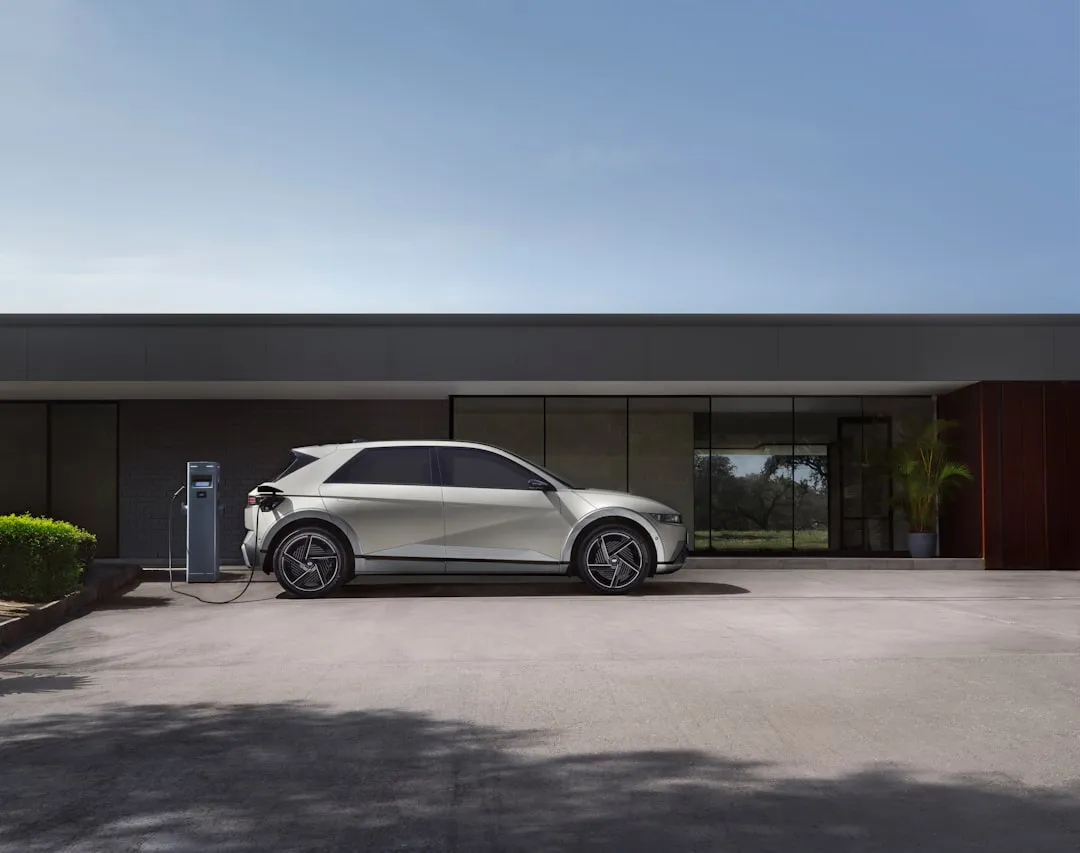
Ready to Install a Home Charger?
Get a free, no-obligation quote for professional EV charger installation in South Africa.
Body Corporate and Sectional Title Approval in Tshwane
This is where it gets complicated — and where a lot of Tshwane EV buyers get stuck. Centurion, Waterkloof Ridge, Mooikloof, Silver Lakes, Equestria, The Willows — these are all predominantly sectional title or estate environments with body corporates and homeowners’ associations that have architectural guidelines. You will need their sign-off before you install anything.
But here is the thing: most body corporate resistance evaporates when you approach it correctly.
The most common approach for sectional title residents in Pretoria is a dedicated charger at your allocated parking bay connected to your own meter — which simplifies billing and ensures only the owner uses the station.
What to include in your approval submission:
- A detailed installation plan with photos of the proposed charger location and cable routing
- Confirmation that you are covering all costs (removes the body corporate’s main objection immediately)
- The SANS 10142 compliance certificate that will be issued on completion
- Written confirmation that the charger connects to your own dedicated meter — not the common property supply
- Details of the charger’s access control features (RFID card, app authentication, or lockable unit)
If your body corporate is resistant, access control measures such as chargers with RFID cards, mobile app authentication, or lockable units can be proposed to ensure only the designated owner activates the charger — addressing the most common concerns about shared infrastructure abuse.
Cite precedent. BMW, Audi, and Volvo dealerships in Menlyn and Centurion are recommending home charger installation to every EV buyer as standard practice. This is no longer an experimental request — it is becoming routine.
One genuine challenge in sectional title schemes is that parking bays are often located far from the unit’s distribution board, making cabling complex, costly, or impractical — and existing electrical infrastructure may not support the additional load without upgrades.
Get an on-site assessment done first, before you commit to anything with your body corporate. Get a free quote that includes a site visit — it costs you nothing and saves potential headaches.
Load Shedding and Backup Power: The 2026 Update
The honest 2026 position: the grid is stable, the outlook is good, and for the first time in years you do not need to let load shedding anxiety drive your home energy decisions.
South Africa reached 300 consecutive days without load shedding — a milestone achieved at midnight on 12 March 2026 — reflecting sustained improvements in Eskom’s generation fleet.
As of early May 2026, that streak has continued past 350 days.
Where Eskom was maintaining a consistent energy supply of only 9% as little as two years ago, it has brought that figure up to 98.9% supply reliability over the last financial year (1 April 2025 to 31 March 2026).
That is a genuinely different world to the Stage 6 nightmare of 2023.
That said, a home battery/inverter system still makes financial sense for Tshwane residents — especially if you have solar panels. Not because of load shedding, but because you can charge your battery bank during off-peak hours at R1.70/kWh, then draw from it during peak hours when the grid charges R4.05/kWh. That is smart energy management regardless of Eskom’s status.
If you do have an inverter and battery setup, modern smart chargers can be configured to draw from your battery system preferentially. Our own
CP-AC7-CP and CP-AC22-CP chargers support smart scheduling to exploit Tshwane’s off-peak tariff, load balancing, and app control.
Public Charging in Tshwane: Where to Find It
GridCars is South Africa’s largest electric vehicle charging network operator by number of charging stations.
The company was established in 2009, when it installed its first EV charger at the Council for Scientific and Industrial Research (CSIR) building in Pretoria
— so Tshwane was actually where SA’s public charging story started.
GridCars’ Charge Pocket app now connects drivers to 445 charging sites, representing 650 chargers, including multiple high-capacity stations, and more than 1,200 connectors nationwide.
In Tshwane specifically, you will find chargers at Menlyn Park, Woodlands Boulevard, Brooklyn Mall, and Centurion Mall.
In December 2025, GridCars announced its intention to bring ultra-fast, liquid-cooled EV chargers to the South African market
— so the network is only going to improve.
But here is the reality check:
the public charging network in Tshwane remains thin compared to Johannesburg or Cape Town — chargers are dotted around Menlyn Mall, some at Centurion Mall, and a handful at hotels and office parks in Waterkloof and Brooklyn, but you simply cannot rely on them for daily needs.
Public DC fast charging in South Africa runs between R5 and R8 per kWh — roughly three to five times what you pay at home on Tshwane’s off-peak rate. Use public chargers for convenience top-ups, long-distance travel, and emergencies. Do not make them your primary charging strategy. Check the live charging map to see exactly what is available near you in Pretoria right now.
Find Charging Stations Near You
Explore our live map of EV charging stations across South Africa — updated in real time.
How to Choose the Right Charger for Your Car
The single biggest mistake Tshwane buyers make is either over-buying or under-buying. Here is the quick decision framework:
Single-phase supply (most Tshwane homes): You are limited to 7.4kW maximum. A 7.4kW wall-box is the right choice. Full stop.
For the average Pretoria commuter covering 60 to 80km a day, a 7.4kW charger restores a full battery in six to eight hours — plug in at 10pm and it is full by 5am.
The BYD Atto 3, BYD Dolphin, Volvo EX30, and Tesla Model 3 all charge happily on 7.4kW single-phase.
Three-phase supply (some older Waterkloof Ridge, Pretoria East homes):
The ChargePointSA CP-AC22-CP, our 22kW three-phase charger, is installed by our own certified teams across Gauteng — and it makes particular sense for Waterkloof and Brooklyn homes with three-phase supply.
The Hyundai Ioniq 5 accepts 11kW AC charging, which means a three-phase install meaningfully reduces your charge time.
Type 2 connector is standard: Every EV sold in South Africa uses a Type 2 AC socket for home charging. Your wall-box should have a Type 2 tethered cable or a Type 2 socket outlet. CCS2 is the DC fast-charging standard — that is only relevant for public chargers.
On smart features: buy a charger with a built-in timer or Wi-Fi scheduling. In Tshwane, where the difference between off-peak (R1.70) and peak (R4.05) rates is a factor of 2.4, the ability to schedule overnight charging is not a nice-to-have. It is a financial necessity.
For our full guide on charger brands and models worth buying in SA, see our complete 2026 home charger guide — it covers every option from budget to premium with SA-specific advice.
The Installation Process: What to Expect
For a straightforward Tshwane freestanding home installation, this is what happens:
Step 1 — Site assessment: A qualified electrician visits, checks your distribution board capacity, measures cable runs to the garage, and confirms whether your single-phase or three-phase supply can handle the additional load. This usually takes under an hour. Most reputable installers offer this free as part of a quote.
Step 2 — Installation day:
A standard Level 2 charger installation typically takes four to six hours for straightforward setups.
The electrician runs a dedicated circuit from your DB board, installs a dedicated circuit breaker, mounts the wall-box, and terminates all connections. More complex cable routes — through walls, over long distances, into a detached garage — add time and cost.
Step 3 — Certificate of Compliance: The SANS 10142 CoC is issued on completion. Keep it.
Tshwane municipality may also require the CoC if you are applying to upgrade your supply capacity
, and your insurer may ask for it if you ever make a claim related to your electrical installation. It is not optional and it is not bureaucratic box-ticking — it is proof that the work was done safely.
Step 4 — Smart setup: Connect the charger to your home Wi-Fi, download the app, set the charging schedule to start at 22:00. Done.
Ready to move forward? Get a free installation quote for your Tshwane home from a vetted installer who knows the municipal requirements and Tshwane’s tariff structure.
FAQ
How much does it cost to install a home EV charger in Pretoria in 2026?
Installing a home EV charger in Pretoria in 2026 costs between R8,000 and R35,000 all-in. For most homeowners in a freestanding house in Centurion or Pretoria East installing a 7.4kW wall-box, the realistic sweet spot is R10,000 to R14,000 fully installed including the SANS 10142 Certificate of Compliance.
What is Tshwane’s cheapest electricity rate for EV charging?
The City of Tshwane’s off-peak rate is R1.70/kWh, available from 22:00 to 06:00. This is the cheapest residential electricity rate available from any major South African metro in 2026. At this rate, charging a BYD Atto 3 from flat to full costs R102.85. Set your charger’s timer to run overnight and you automatically pay this rate every night.
Is load shedding still a problem for EV charging in Tshwane?
Eskom projects that no load shedding will be implemented during the 2026 winter season — the power utility presented this outlook at its State of the System media briefing, stating it enters winter 2026 with a resilient power system projecting continued energy stability from 1 April to 31 August 2026.
South Africa has been load shedding-free for over 350 consecutive days as of May 2026. An overnight 7.4kW charge takes 6–8 hours, so even if brief outages return in future, most charging happens during low-risk overnight hours.
Do I need body corporate approval to install a home EV charger in a Centurion estate?
Yes. Any electrical installation that affects the structure or adds infrastructure requires body corporate or trustees’ approval in a sectional title scheme. Submit a detailed installation plan, confirm the charger connects to your own meter, specify SANS 10142 compliance, and confirm you are bearing all costs. Access control features (RFID, app lock) address the most common concerns. Most well-presented applications in Tshwane estates are approved without major resistance.
Where are the public EV chargers in Pretoria?
GridCars operates over 350 EV charging stations across South Africa
, with Tshwane locations including Menlyn Park, Woodlands Boulevard, Brooklyn Mall, and Centurion Mall. Public DC fast charging rates run R7 to R8/kWh — significantly more expensive than home charging. Check the live map for real-time availability near you in Pretoria.
Which home charger brands are best for South African conditions?
The ChargePointSA CP-AC7-CP and CP-AC22-CP are installed across the Tshwane area, both offering app control and OCPP-based scheduling to exploit the off-peak tariff, with dynamic load balancing built into the three-phase unit.
The CP-AC7-CP is the popular choice for standard single-phase residential installs — compact, tethered, and app-controlled. The CP-AC22-CP is the strong choice for Waterkloof Ridge and Pretoria East homes with three-phase supply.
Is a 7.4kW charger fast enough for daily use in Tshwane?
For the overwhelming majority of Tshwane commuters, yes. A 7.4kW charger adds roughly 50–60km of range per hour of charging. If you are driving 60–80km daily, you need two to three hours of charging — meaning your car is always full by morning whether you plug in at 22:00 or midnight. Only drivers doing 150km-plus daily would benefit from upgrading to 11kW three-phase.