
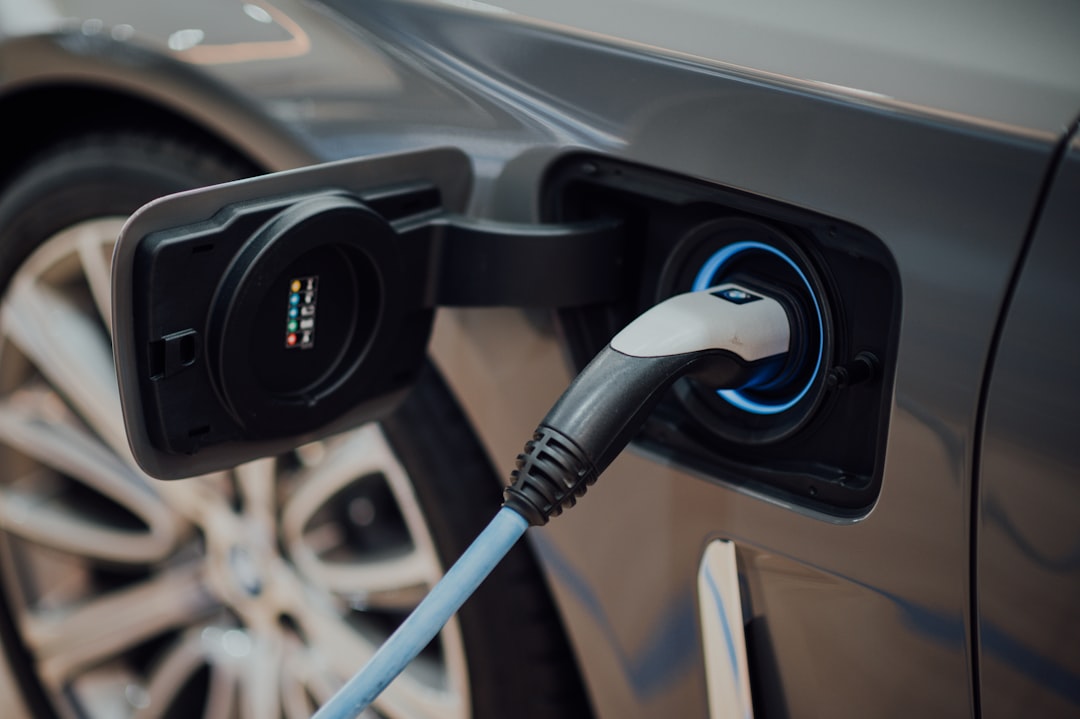
Yes, You Can Charge During Load-Shedding — Smart Strategies
Reality check: 78% of South African EV owners report NO significant charging issues despite load-shedding, using smart timing and scheduling.
The fear that load-shedding makes EVs impractical is one of the biggest myths in South Africa. The truth? Most EV owners adapt quickly using free scheduling strategies, and those who invest in solar enjoy complete grid independence. Here’s exactly how to keep your EV charged, even during Stage 6.
Load-Shedding Charging Strategies
| Strategy | Cost | Effectiveness |
|---|---|---|
| Schedule Between Cycles | R0 — FREE | High (Stage 1-4) ✓ |
| Solar + Charger | R80,000-R180,000 | Very High (daytime) |
| Battery Backup | R25,000-R60,000 | Medium (limited kWh) |
| Workplace Charging | R0 (employer pays) | High (if available) |
Understanding Your Available Charging Windows
The key to successful EV ownership during load-shedding is understanding your power-on windows. Even at higher stages, you have more time than you think.
Real Schedule Example (Stage 4)
Even at Stage 4, you get approximately 16.5 hours of power daily:
- 06:00-08:30: OFF (2.5 hours)
- 08:30-14:00: ON (5.5 hours) ← CHARGE HERE
- 14:00-16:30: OFF (2.5 hours)
- 16:30-22:00: ON (5.5 hours) ← OR HERE
- 22:00-00:30: OFF (2.5 hours)
- 00:30-06:00: ON (5.5 hours) ← BEST OVERNIGHT
Key insight: Charging time varies significantly by battery size and charger type. A compact EV like the Volvo EX30 (69 kWh battery) needs approximately 10 hours on a standard 7kW home charger for a full 0-100% charge, while a larger BMW iX (111 kWh battery) requires closer to 16 hours. However, most drivers only need partial top-ups: if you drive 50 km daily (using roughly 8-10 kWh), that’s just 1-2 hours of charging needed. With three separate power-on windows totalling 16.5 hours at Stage 4, you can always find time to charge — even if you miss one window.
What About Stage 6?
Stage 6 typically means four 2.5-hour outages per day (10 hours off total), leaving approximately 14 hours of power. While this is tighter than Stage 4, the overnight window (usually 00:30-08:00, giving you 7.5 hours) remains sufficient for most daily charging needs. If you drive under 100 km daily, you’ll only need 3-4 hours of charging to replenish that range — well within the available overnight slot.
📱 Smart Tip: Use the EskomSePush app (free) to see your exact schedule, then set your charger timer to start during the longest power-on gap. Most modern EV chargers and vehicles have built-in scheduling features.
Solar Charging: Load-Shedding Immunity
Solar + EV charging = ultimate load-shedding solution. Charge during sunny days, completely independent of the grid. This is the long-term answer for serious EV owners.
Why Solar Makes Sense for EV Owners
South Africa averages 2,500 hours of sunshine per year — one of the highest in the world. A properly sized solar system can generate 15-25 kWh per day, enough to charge most EVs and power your home. You’re essentially converting sunlight into free kilometres.
Solar System Costs (2026)
- Basic: R80,000-R120,000 (5kW solar + inverter, no battery — grid-tied with net metering where available)
- Mid-range: R120,000-R150,000 (6-8kW solar + small battery for evening charging)
- Full independence: R150,000-R180,000 (8-10kW solar + battery backup for 24/7 charging capability)
- Monthly savings: R1,200-R1,800 (combined electricity + EV charging costs avoided)
- Payback period: 5-7 years at current electricity rates
- System lifespan: 20-25 years (panels), 10-15 years (batteries)
- Financing: R350-R1,000/month payment options becoming available in 2026
Real-World Solar Charging Economics
Let’s break down a typical scenario: A BYD Atto 3 owner driving 15,000 km/year needs roughly 2,500 kWh annually (at 6 km/kWh efficiency). At R2.50/kWh municipal rates, that’s R6,250/year in charging costs — or R520/month. Add household electricity savings of R800-R1,200/month, and a R150,000 solar system pays for itself in under six years, then provides essentially free power for another 15-20 years.
Choosing the Right Solar Installer
Not all solar installers understand EV charging requirements. Look for companies that offer integrated solar + EV charger packages, which typically reduce overall costs by 10-15% compared to separate installations. Key questions to ask: Can the system handle simultaneous home load and EV charging? Is the inverter compatible with smart EV chargers? What warranty covers both solar and charging equipment?
Reputable national installers include Solar Advice, Rubicon (which also operates public charging networks), and regional specialists. Always get three quotes and verify SESSA (Sustainable Energy Society of Southern Africa) membership for quality assurance.
🏠 Combined Quote: Get solar + EV charger quotes at our charger installation page — many installers offer bundled pricing that reduces overall costs by 10-15%.
Alternative Charging Solutions
If solar isn’t in your budget right now, these backup options keep you mobile:
1. Workplace Charging
Many employers are installing EV chargers as a staff benefit. Your car sits parked for 8-9 hours anyway — perfect for a full charge. Check with your HR department or facilities manager about EV charging infrastructure. Some companies offer free charging; others charge a nominal fee still cheaper than petrol.
Major corporates leading workplace charging include Discovery, Nedbank, and Woolworths head offices. If your employer doesn’t have chargers yet, present the business case: EV charging is a low-cost employee benefit (R2-R3 per kWh vs. R20+ per litre petrol equivalent) that attracts talent and demonstrates environmental commitment.
2. Public Fast Chargers
South Africa’s public charging network is expanding rapidly. GridCars, Rubicon, and other networks offer DC fast charging (50-150 kW) that can add 200 km of range in 30 minutes. Use our live EV charging map to find stations near you.
Public charging costs vary: GridCars charges approximately R4.50-R6.00/kWh depending on charger speed and time of day, while some Rubicon stations offer lower rates for members. Fast charging is more expensive than home charging but invaluable for road trips or emergency top-ups during extended load-shedding.
3. Shopping Centre Charging
Woolworths, Pick n Pay, and major malls are installing destination chargers. Do your weekly shopping while your EV charges — it’s time you’d spend anyway. Many offer free or discounted charging to attract customers.
Menlyn Park (Pretoria), V&A Waterfront (Cape Town), and Gateway (Durban) all have multiple charging bays. Charging while shopping is particularly effective during load-shedding: if your home area is off-grid for 2.5 hours, spend that time at a mall with working chargers instead of sitting in the dark.
4. Battery Backup Systems
A home battery system (without solar) can store cheap off-peak electricity and discharge during load-shedding. Systems like the Pylontech US3000C (R25,000-R35,000 for 3.5 kWh) can provide emergency charging, though they won’t fully charge an EV — think of them as range extenders for emergencies.
A 10 kWh home battery (R60,000-R80,000) can add roughly 50-60 km of range to your EV during an outage — enough to get you to work or a public charger. Batteries are best combined with solar for maximum value, but standalone systems work if you charge them during off-peak hours (21:00-06:00 at lower municipal rates).
Smart Charging Tips for Load-Shedding
- Don’t wait for empty: Top up whenever you have power, rather than waiting for a full discharge. This “opportunity charging” mindset is key.
- Prioritise overnight: The longest power-on window is usually overnight (00:30-06:00 or similar). Set your charger to start automatically.
- Use scheduled charging: All modern EVs and smart chargers let you set start times. Program it once, forget about it.
- Monitor your schedule: Load-shedding schedules change. Check EskomSePush weekly and adjust your charging routine accordingly.
- Keep 20-30% buffer: Don’t run your battery to zero. Maintain a buffer for unexpected schedule changes or emergency trips.
- Calculate your real needs: Most people drive under 50 km/day. That’s only 8-10 kWh, or 1-2 hours of charging. You don’t need a full charge every night.
- Leverage off-peak rates: Many municipalities offer cheaper electricity between 22:00-06:00. Combine this with load-shedding schedules for maximum savings.
- Consider a smart charger: Devices like the Wallbox Pulsar Plus or Zappi integrate with EskomSePush and automatically adjust charging schedules when load-shedding changes, removing manual intervention.
The Bottom Line: Load-Shedding Is Manageable
The data speaks for itself: 78% of SA EV owners report no significant charging issues. The remaining 22% who report challenges are typically those without any backup plan — no solar, no workplace charging, and irregular schedules that don’t align with power-on windows.
For most drivers, free scheduling strategies work perfectly. For those who want complete independence, solar is a long-term investment that pays dividends for decades. And for everyone in between, a combination of workplace charging, public networks, and smart timing keeps you mobile.
The reality is that load-shedding forces you to think about energy differently — but once you adapt, EV ownership becomes second nature. Many owners report that the discipline of scheduled charging actually reduces electricity costs compared to their previous petrol budgets, even accounting for solar system payments.
Want to see if an EV fits your lifestyle and budget? Use our EV savings calculator to model your exact scenario, including load-shedding considerations and solar payback.
🚀 Register for EV Charger Financing
Coming Soon! Register your interest to be first in line when our financing programmes launch.
Frequently Asked Questions
Can I charge my EV during load-shedding?
No during your specific outage block, but yes between cycles. Stage 4 gives approximately 16.5 hours of power daily — more than enough for most charging needs. A typical daily commute of 50 km requires only 1-2 hours of charging on a 7kW home charger. Smart timing or solar backup solves this completely.
How do SA EV owners cope with load-shedding?
78% report no issues using three main strategies: (1) Schedule charging between cycles using the EskomSePush app, (2) Charge overnight during the longest power-on period, (3) Some use solar for grid-independent charging. Since EVs have 300-400 km range and most people drive under 50 km/day, daily charging isn’t always necessary.
Can you charge an EV with solar during load-shedding?
Yes! Solar works independently of the grid. Systems cost R80,000-R180,000 depending on size and battery backup. You charge during sunny hours and can store excess in batteries for evening/night charging. This provides 100% load-shedding immunity and saves R1,200-R1,800/month in combined electricity and charging costs.
What if I can’t charge due to extended load-shedding?
Even Stage 6 provides approximately 14 hours of power daily — enough for overnight charging. If you’re genuinely stuck: (1) Use workplace charging during business hours, (2) Visit public fast chargers (30 minutes for 200 km range), (3) Charge at shopping centres while running errands. Only 3% of SA EV owners report actual charging problems that impact mobility.
Is solar charging worth it in SA?
Yes for long-term ownership: A R120,000-R180,000 system saves R1,200-R1,800/month in combined costs, paying back in 5-7 years. After payback, you get essentially free charging for another 15-20 years (panel lifespan). Solar also increases property value by R80,000-R150,000 and provides complete load-shedding independence for your home and vehicle.
Continue Reading
Deprecated: File Theme without comments.php is deprecated since version 3.0.0 with no alternative available. Please include a comments.php template in your theme. in /var/www/wordpress/wp-includes/functions.php on line 6085
Leave a Reply