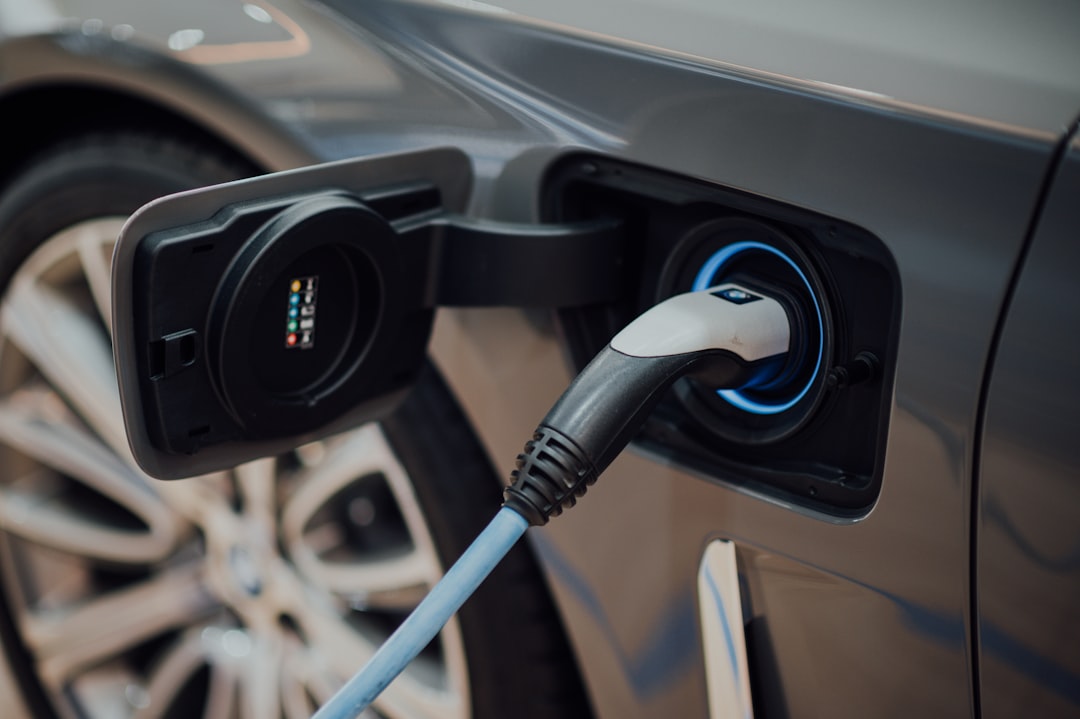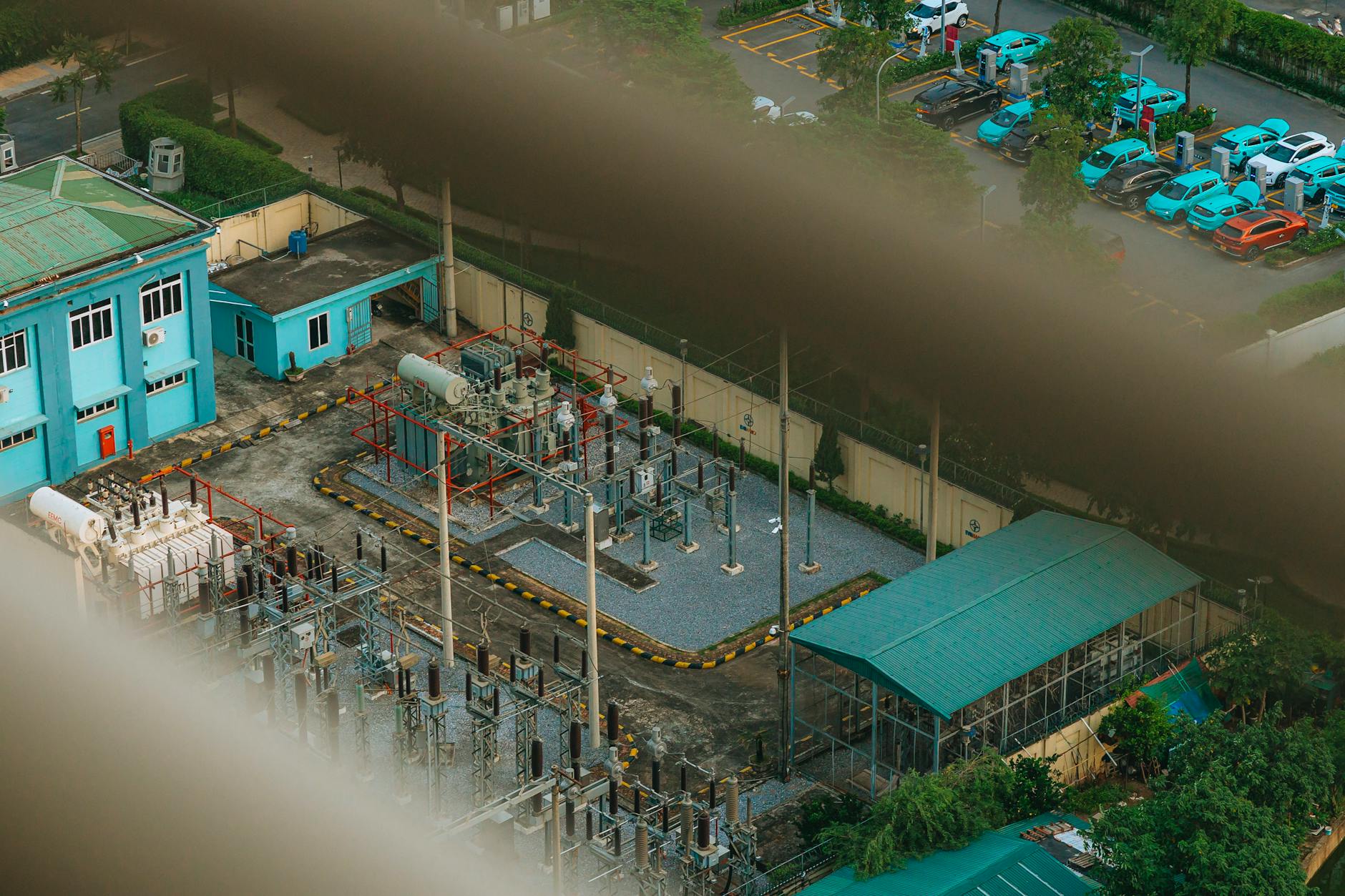
Yes — Eskom is ready for EVs, and the numbers prove it. South Africa has now crossed 329 consecutive days without a single interruption in electricity supply as of mid-April 2026, with the entire 2025/26 financial year recording approximately 99% supply availability. The single biggest objection to buying an electric car in South Africa — “but what about load shedding?” — has been well and truly buried. The grid is the most stable it has been in five years. The excuse is gone. The question is now simply: what are you waiting for?
For years, load shedding was the immovable wall blocking EV adoption. It was a fair concern. Stage 6 blackouts were genuinely catastrophic for anyone thinking of ditching petrol. But we are now living in a different reality. Eskom’s official outage data confirms South Africa achieved 329 consecutive days without an interruption in electricity supply and recorded 361 uninterrupted days — approximately 99% availability — during the 2025/26 financial year. That is not a lucky streak. That is structural, measurable progress.
This article digs into the real data, kills the myths one by one, and explains exactly why the Eskom of April 2026 is a fundamentally different beast from the one that used to send us all scrambling for generators and candles. If you are still sitting on the fence about going electric, this is the piece that should push you off it.
What Has Actually Changed at Eskom?
The turnaround is not PR spin. The numbers are real and they are consistent. South Africa reached 300 consecutive days without load shedding at midnight on 12 March 2026 — a milestone underscoring the continued recovery of Eskom’s generation fleet. This achievement is supported by an Energy Availability Factor (EAF) consistently above 65%, currently at 65.85% for the financial year to date. Compare that to a few years ago, when the EAF was languishing in the mid-50s and we were rolling through Stage 6 blackouts like they were seasonal events.
The improvement is also reflected in a 53% decrease in average unplanned outages, with average unplanned outages recorded at 7,224MW between 6 and 12 March 2026 — a notable improvement from the 15,382MW experienced during the same week the previous year. That is a massive swing. Fewer surprise breakdowns means a more predictable, dependable grid — exactly what EV owners need.
The financial recovery mirrors the operational one. For the financial year to date, diesel expenditure was R8.58 billion lower than during the same period last year — a 57.35% reduction year on year. Eskom is no longer burning billions of rands just to keep the lights on. That freed-up capital is being ploughed back into proper maintenance and infrastructure upgrades. Eskom has launched a phased programme to eliminate load reduction by 2027.
The “Will My EV Drain the Grid?” Myth, Demolished
Here is the question we see in every forum, every Facebook group, every braai-time conversation about EVs: “If everyone starts charging electric cars overnight, won’t the grid collapse?” It is a genuinely reasonable thing to wonder. The answer, backed by actual data, is a firm no.
South Africa’s total installed generation capacity sits at around 60,000MW. Evening peak demand on a typical weekday — right now, with the entire country drawing power — is forecast at roughly 23,900MW, with Eskom able to bring 3,013MW of additional generation capacity online ahead of evening peaks, with available capacity at 26,460MW against forecast demand of 23,910MW. In other words, there is already a meaningful cushion built into the system every single evening.
South Africa has over 5,000MW sitting in cold reserve right now — capacity that exists but is not even switched on. Every EV in the country today collectively uses less than 0.1% of total installed capacity.
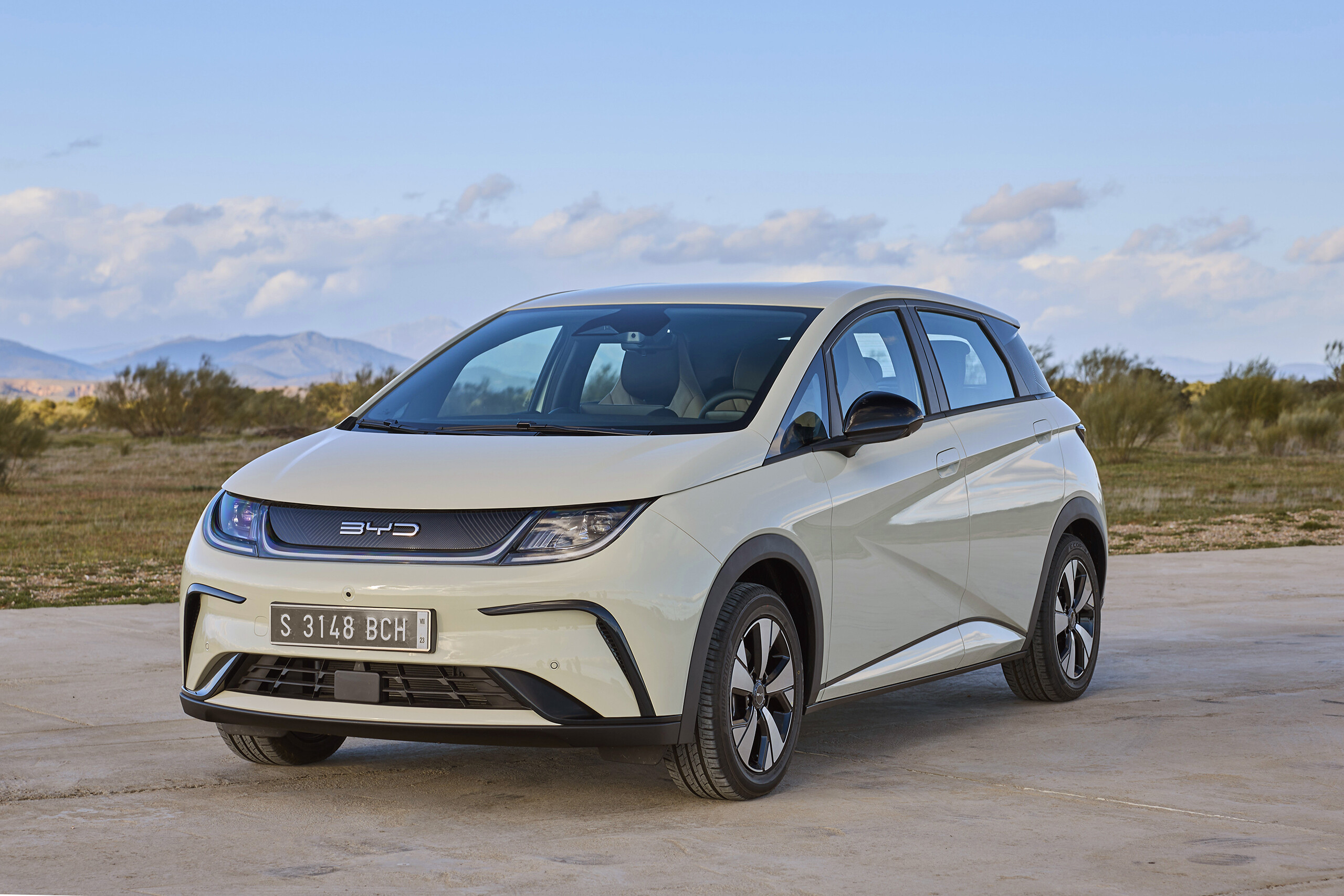
Think about what charging actually means in practice. A BYD Dolphin Surf — one of the most accessible EVs now on sale in South Africa, with a 30 kWh battery in the Comfort variant and a WLTP range of 232 km — uses roughly 6 kWh to cover the average South African daily commute of around 50 km. That is less electricity than you use running a kettle for two hours. It is less than your geyser uses on a cool morning. The idea that ordinary EV commuters will tip the national grid into chaos is simply not based on how the numbers work.
There are also thousands of other EVs on the road right now. Naamsa figures show 1,088 battery electric vehicles were sold in 2025 — and that is already up dramatically from just 92 units in 2020. The fleet is tiny relative to the grid’s capacity. Mass EV adoption in South Africa is a years-long process, and the grid will have ample time to evolve alongside demand. The grid-collapse scenario requires millions of EVs. We are nowhere near that.
Ready to Get a Charger Installed?
Get a free, no-obligation quote for a home or business EV charger installation. We handle everything.
The Numbers Behind the Recovery
Let us be specific, because specifics matter. Eskom’s Energy Availability Factor has increased from 55% in FY2023 to 60.6% in FY2025, with year-to-date EAF at 61.1%, reflecting a 6.1% improvement over the past two years. By the end of August 2025, it had surged further, and the EAF is currently at 65.85% for the financial year to date, demonstrating sustained progress in Eskom’s turnaround strategy.
The generation fleet’s reserve margins tell a clear story too. Evening peak demand was forecast at 23,858MW, with 27,652MW of available capacity — providing a healthy reserve margin above current demand.
In addition, 5,861MW is currently in cold reserve due to excess capacity. That is surplus power that is not even in use. The grid is not straining. It is actually breathing.
There has been no load shedding since 29 March 2025 — the longest period without blackouts in over five years, a far cry from the dark days of Stage 6 outages that crippled homes and businesses.
Through all of 2025, Eskom recorded only 26 hours of load shedding, all of them in April and May, because of improved maintenance of its ageing power stations. Twenty-six hours. For the entire year.
Smart Charging: How to Make the Most of Grid Stability
Even in a stable grid environment, smart charging habits make financial sense. The principle is simple: charge when demand is lowest and electricity is cheapest. Most municipalities and Eskom’s own time-of-use tariff structures price off-peak electricity — typically between 10pm and 6am — significantly lower than peak-hour rates. Running energy-intensive appliances like geysers, dishwashers, and washing machines between 10pm and 6am is a tried and tested cost-saving strategy, and your EV charger is no different.
Set a departure time on your car’s built-in system or through a smart charger app, and let it do the work overnight. You wake up every morning with a “full tank.” No detours. No petrol station queues. No price shock at the pumps. And the cost? At off-peak rates currently sitting around R1.89/kWh in many municipalities, charging a BYD Dolphin Surf’s 30 kWh battery from flat to full costs you roughly R57. Try matching that with petrol.
If you want to see exactly how much you would save on your specific commute, use our EV calculator to punch your numbers in and see your real monthly savings. The difference between petrol and electricity costs is stark — and it only widens as petrol prices keep marching upward. For a full breakdown of the numbers, check out our EV vs Petrol Running Costs in South Africa: Complete 2026 Comparison.
Solar + EV: The Combo That Makes Load Shedding Genuinely Irrelevant
If you want to truly divorce yourself from Eskom dependency — not because you have to, but because you want to — pairing solar panels with a home EV charger is the ultimate setup. A 7kW solar system in South Africa, costing between R80,000 and R120,000 installed, generates enough power during daylight hours to cover your home’s daily electricity needs and top up your EV battery simultaneously.
The maths works like this: a 7kW system in Johannesburg produces roughly 28–35 kWh on a good sunny day. Your home might use 15–20 kWh. That leaves 8–15 kWh to push into your car. More than enough for the average 50 km daily commute. Run this combination and your effective fuel cost drops to near zero for most of the year. For everything you need to know about this setup, read our dedicated guide: Can You Charge an EV with Solar in South Africa?
Even for those living in sectional title complexes or flats, the picture is improving rapidly. Body corporates across Cape Town, Johannesburg and Durban are increasingly approving solar installations and EV charger setups as the stigma and perceived complexity falls away. If you are in a complex and want to explore home charging, our guide on Can You Charge an Electric Car at Home in South Africa? covers the practical steps in detail.
The EV Market Is Moving — Are You Being Left Behind?
The SA EV market is small but it is accelerating. According to AutoTrader’s 2025 Mid-Year Industry Report, sales of battery-electric vehicles in the first half of the year increased by 65% year-on-year — a strong signal that local buyers are becoming more comfortable with electric mobility. That growth trajectory, from a low base, is the classic shape of a market on the edge of mainstream adoption.
The model range is also becoming genuinely compelling. The BYD Dolphin Surf Comfort starts at R339,900, while the Dynamic model is priced at R389,900 — making it the first proper battery electric car available in South Africa for under R400,000. That price parity shift is enormous. For the first time, you can choose electric without feeling like you are paying a green premium.
BYD Auto South Africa’s managing director Steve Chang has signalled aggressive expansion based on strong demand, with BYD fast-tracking its goal of 35 dealerships and now expecting 60–70 outlets by the end of the year. More dealerships, more test drives, more financing options — the infrastructure of mass adoption is assembling itself right in front of us. If you want a broader view of what is available right now, our Best EVs to Own in South Africa guide covers the top picks across every budget.
How Much Would YOU Save?
Plug in your monthly km, current fuel costs, and see the exact Rand savings of switching to an EV.
Public Charging: Better Than You Think
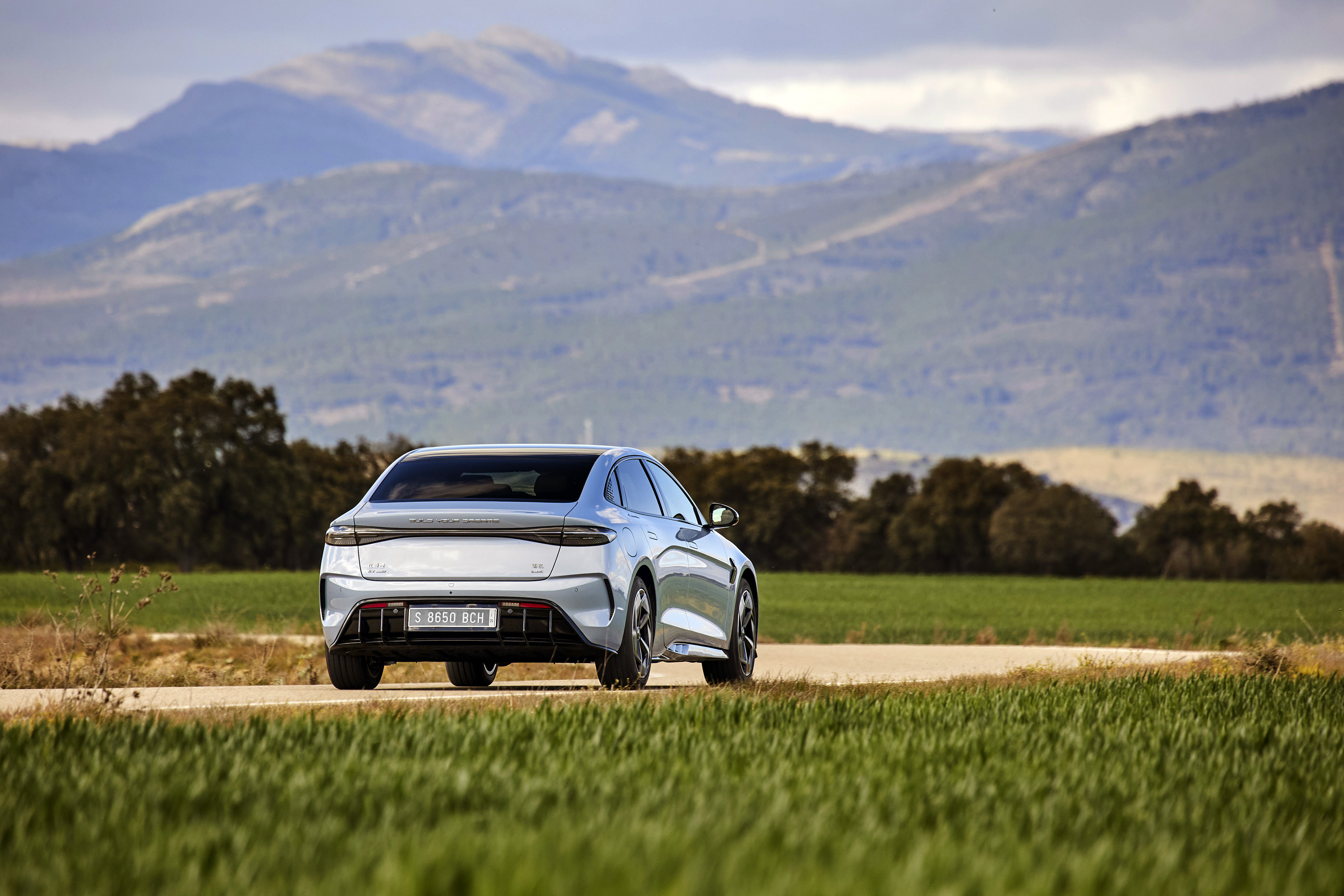
The other objection you will hear — often from the same people who used to cite load shedding — is that public charging infrastructure is inadequate. This was more true two years ago than it is today. The national charging network now exceeds 350 stations, and improving incentives are gradually reshaping consumer perceptions. The network is growing month by month, with major shopping centres, hotels, and highway routes all adding chargers at pace.
In practical terms, the vast majority of EV owners — roughly 90% by most estimates — do most of their charging at home overnight. Public charging is really for the longer trips where you need a top-up mid-journey. And for those moments, the network is increasingly reliable. Check the live map to find charging stations near you — you may be surprised how many are already within easy reach.
If you are in one of the major cities, the coverage is particularly solid. Cape Town drivers can explore the full breakdown in our EV Charging Stations Cape Town guide, Joburg commuters should check our EV Charging Stations Johannesburg resource, and Durban residents have the full picture in our EV Charging Stations Durban guide. For a question we get asked constantly: How Long Does It Take to Charge an EV in South Africa? has all the answers.
Installing a Home Charger: Easier Than You Think
You do not need a commercial-grade setup at home to charge an EV conveniently. A standard 7kW wallbox charger — the kind included in BYD’s Early Adopter package or available from numerous local installers — will fully charge most EVs overnight in 4–8 hours. You plug in when you get home, wake up full, repeat.
Installation costs for a home EV charger vary by property type and the state of your existing electrical infrastructure, but a straightforward installation at a freestanding home is typically achievable for R8,000–R20,000 all-in. Our full guide on How Much Does It Cost to Install a Home EV Charger in South Africa? breaks down every cost variable. If you are ready to move forward, get a free installation quote from our certified installers — it takes two minutes and there is no obligation.
We have city-specific installation guides too. If you are in Cape Town, start with our EV Charger Installation in Cape Town page. Joburg residents should head to EV Charger Installation in Johannesburg, and Durban is covered at EV Charger Installation in Durban.
Grid vs EVs: The Numbers Side by Side
| Metric | Eskom 2023 (Crisis Peak) | Eskom April 2026 |
|---|---|---|
| Energy Availability Factor (EAF) | ~55% | 65.35%+ (FY2025/26) |
| Consecutive days without load shedding | Near zero | 329+ days |
| Available capacity vs evening peak demand | Frequently in deficit | 26,460MW vs 23,910MW demand |
| Cold reserve (unused capacity) | Effectively nil | 2,000–5,800MW |
| Diesel expenditure year-on-year | R33 billion (FY2024) | Down 62.46% in FY2025/26 |
| Average unplanned outages | ~15,000MW per week | ~7,224MW per week (down 53%) |
The trajectory is clear. Every single indicator points in the same direction. This is not a one-week blip; it is the result of a multi-year recovery plan that is delivering consistent, measurable results. For a full picture of what EV ownership actually costs month-to-month against petrol, our Monthly Cost of Owning an Electric Car in South Africa guide is required reading. And if you are new to the world of EVs entirely, the Electric Vehicles in South Africa: The Complete 2026 Guide will walk you through everything from A to Z.
What About Load Reduction? Is That the Same Thing?
Fair question, and one that needs an honest answer. Load shedding and load reduction are different things. Load shedding is the rotational, scheduled power cuts that Eskom implements across the national grid. Load reduction is a targeted measure used in specific areas — primarily those with rampant electricity theft and illegal connections — to protect local infrastructure.
Although the power system remains stable and generation capacity continues to exceed demand, illegal connections and meter tampering persist, causing infrastructure damage and posing serious safety risks. Eskom continues to implement load reduction as a temporary measure in high-risk areas to protect both communities and the electricity network. If you live in a stable residential suburb in Johannesburg, Cape Town, or Durban — the kind of suburb where most EV buyers currently live — the odds of being affected by load reduction are low.
Eskom has launched a phased programme to eliminate load reduction by 2027. The smart meter rollout, feeder removals, and community interventions are all working toward that end. This is a localised and diminishing problem, not a national grid crisis. Do not let it serve as a proxy excuse for the load shedding fear that no longer applies. Our dedicated article on Load Shedding and Electric Cars: Can You Still Charge During Power Cuts? addresses every scenario in detail.
The Bottom Line
The load shedding argument against EVs is dead. Since 16 May 2025, South Africa has achieved 329 consecutive days without an interruption in electricity supply, approximately 98.9% availability, with supply interruptions limited to just 26 hours across four days in April and May 2025. That is the hard, official, Eskom-published data. The grid is stable, there is surplus capacity, EV demand on the national supply is negligible, and the smart charging tools to optimise your costs are already available to you today.
The objections are gone. What remains is a simple, economic, practical case for going electric: lower running costs, lower maintenance, no more petrol price anxiety, and the knowledge that every kilometre you drive costs a fraction of what it used to. Use our EV calculator to see exactly what you would save on your own commute — the numbers tend to be even better than people expect.
And when you are ready to make it real at home, request a free charger installation quote and we will handle the rest. The grid is ready. The cars are here. The savings are waiting.
Find Charging Stations Near You
Our live map shows every public EV charger in South Africa — updated in real time.
FAQ
Is Eskom stable enough to charge an EV every day in 2026?
Yes. South Africa achieved 329 consecutive days without an interruption in electricity supply and recorded 361 uninterrupted days — approximately 99% availability — during the 2025/26 financial year. Charging an EV overnight is now as reliable as running any other home appliance.
How many consecutive days has South Africa been without load shedding?
Since 16 May 2025, South Africa has achieved 329 consecutive days without an interruption in electricity supply — the longest such streak in over five years, as of April 2026.
Will mass EV adoption overload the Eskom grid?
Not at current or projected adoption rates. South Africa’s total installed capacity is around 60,000MW. Currently, 5,861MW is in cold reserve due to excess capacity. Every EV in South Africa today collectively uses less than 0.1% of total installed capacity. Mass adoption is a decade-long process, giving the grid ample time to scale alongside demand.
What is the cheapest time to charge an EV at home?
Off-peak hours — typically between 10pm and 6am — attract the lowest electricity tariff rates in most municipalities. Eskom’s time-of-use tariffs penalise peak-hour usage during 6–9am and 5–8pm. Shifting tasks to off-peak hours can cut costs by 15–30%. Programme your charger’s timer to run overnight and you will always get the best rate.
Is load reduction the same as load shedding?
No. Load shedding is a national rotational power cut applied across Eskom’s entire grid — and South Africa has not experienced it since May 2025. Load reduction is a localised measure targeting specific areas affected by electricity theft and illegal connections. Eskom has launched a phased programme to eliminate load reduction by 2027.
How much does it cost to fully charge a BYD Dolphin at home?
The BYD Dolphin Surf Comfort has a 30 kWh BYD Blade battery. Charging it from empty to full at an average off-peak residential tariff of around R1.89/kWh costs approximately R57. For most South African daily commutes of 50 km or less, you would only need a partial charge — making daily charging costs closer to R20–R30.
Where can I find public EV charging stations in South Africa?
Check the live EV charging map for a real-time view of public chargers near your location. South Africa’s national charging network now exceeds 350 public stations, with numbers growing monthly across all major cities and key intercity routes.
Continue Reading