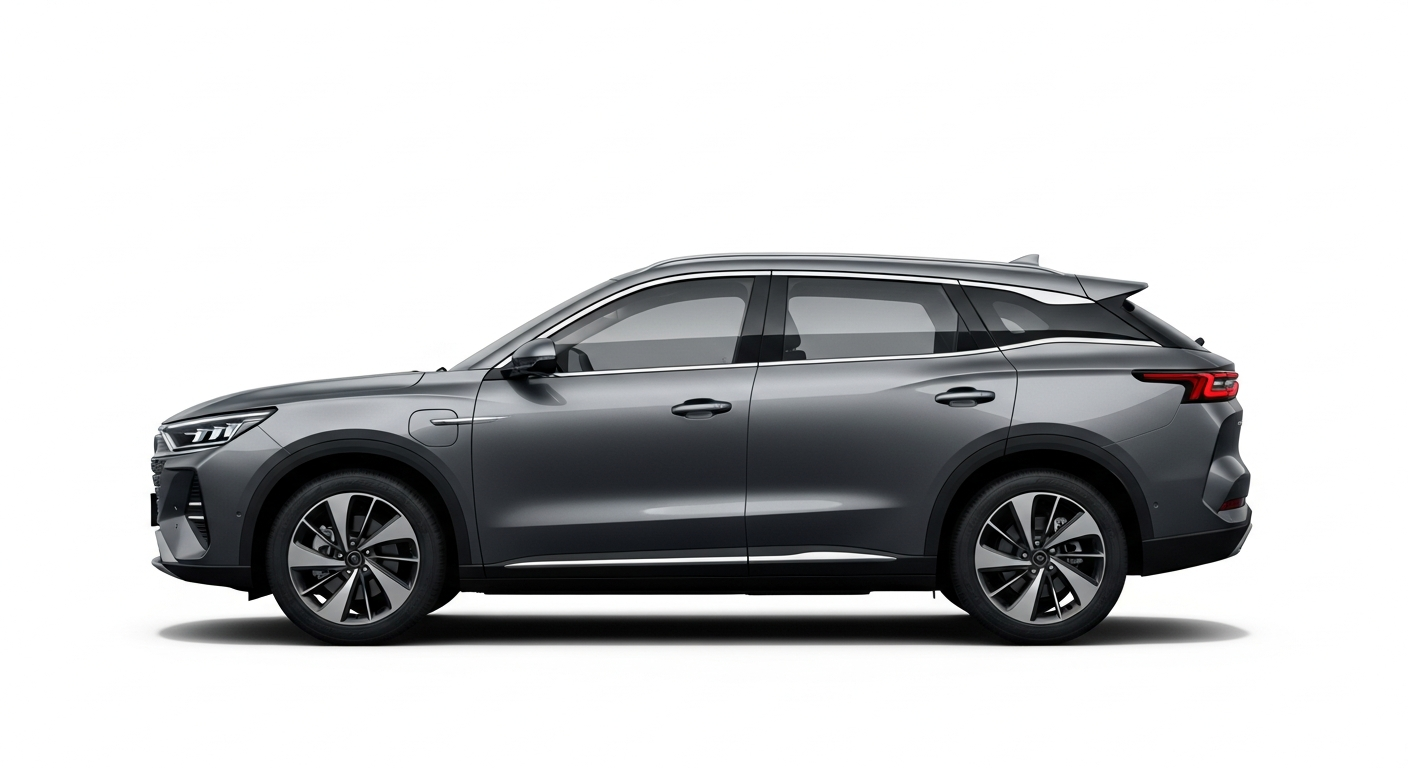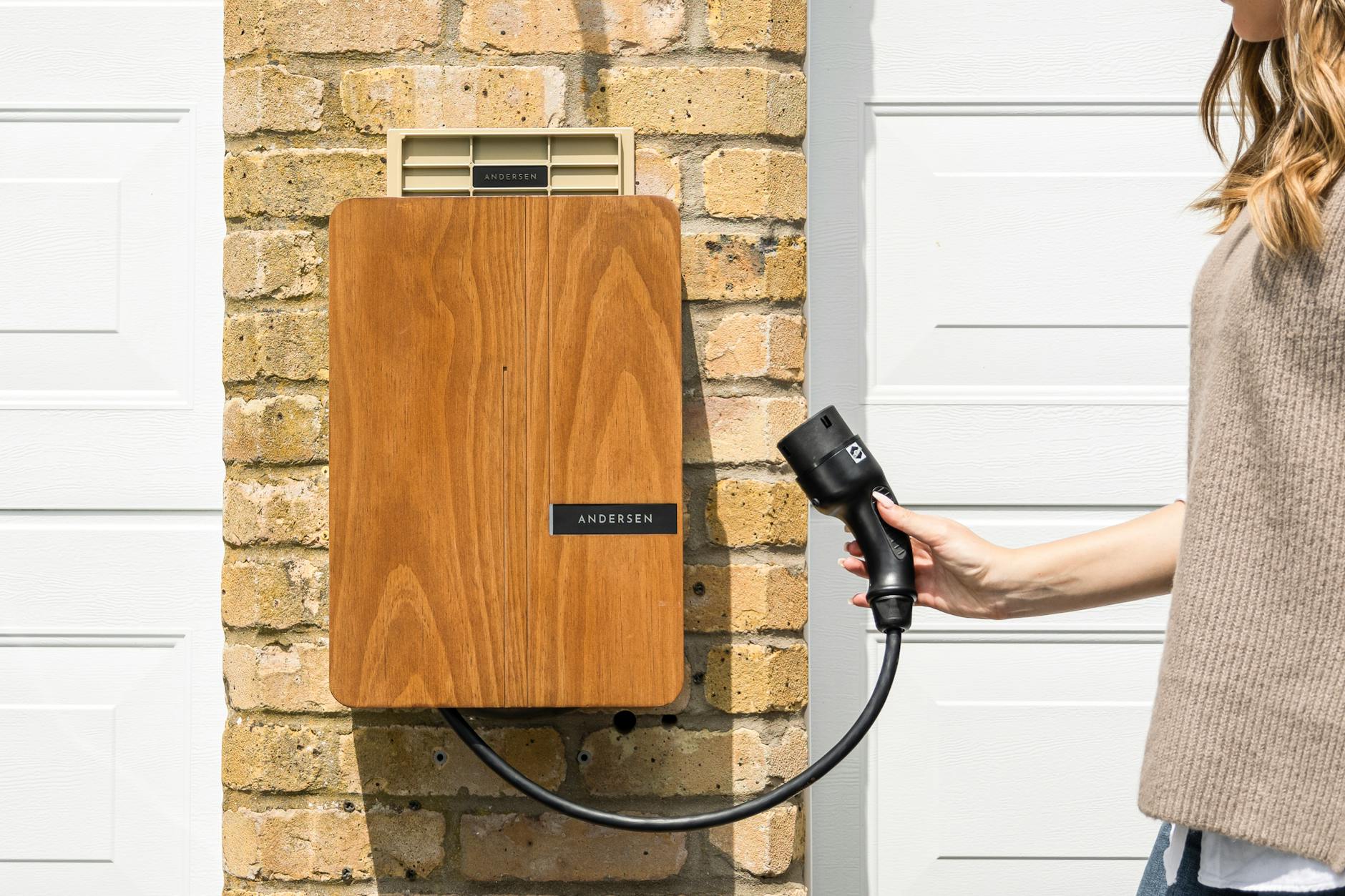
Installing a home EV charger in Pretoria in 2026 will cost you between R8,000 and R39,000 all-in, depending on the charger type and the complexity of your electrical setup. That includes hardware, cabling, a dedicated circuit breaker, and the all-important SANS 10142 Certificate of Compliance. For most Pretoria homeowners — think a 7.4kW wall-box in a freestanding house in Centurion or Pretoria East — the realistic sweet spot sits around R10,000 to R19,000. Not a trivial outlay, but one that pays itself back very quickly when you consider what you’d otherwise be spending on petrol.
Tshwane’s time-of-use electricity tariffs change the game entirely. Charging your EV on the standard rate costs R2.88 per kWh, but drop that to the off-peak rate of R1.70/kWh — available overnight, when most people are asleep and their cars are sitting idle — and the maths become genuinely compelling. A BYD Dolphin covering 1,500km a month costs roughly R622 at standard tariff, or as little as R367 if you charge exclusively off-peak. Compare either figure to the R2,803 you’d spend on petrol at 8L/100km and R23.36/litre, and the conversation changes fast. For the full picture on running cost differences, check out our detailed breakdown of EV vs Petrol Running Costs in South Africa: Complete 2026 Comparison.
This guide covers everything a Pretoria resident needs to know: which charger to buy, what the installation actually involves, how the Tshwane municipality fits into the picture, what body corporate residents in Brooklyn or Menlyn need to do first, and how solar can make the whole setup even cheaper. Read it once, and you’ll know exactly what to ask for when you call an installer.
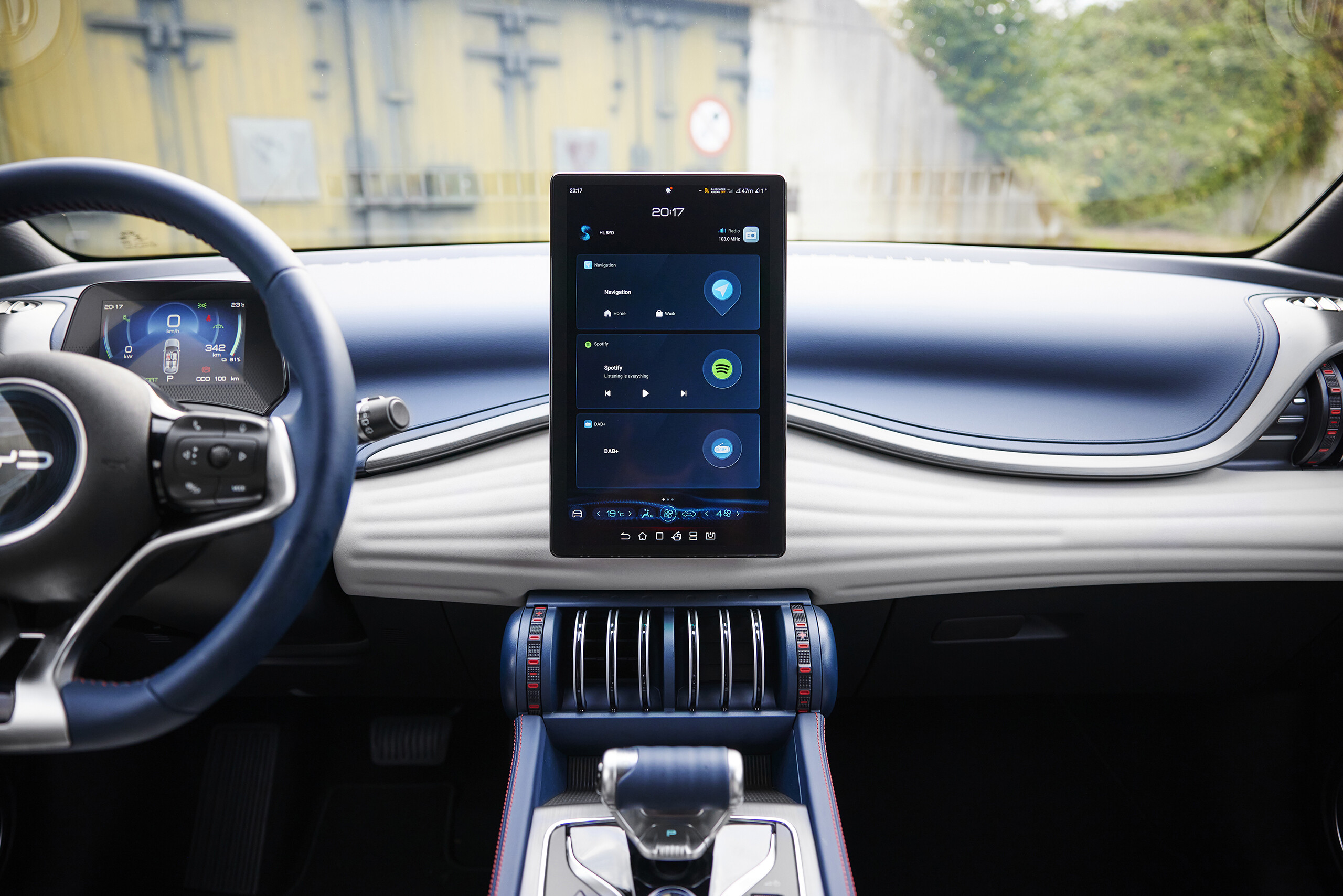
Why Home Charging Beats Public Charging in Pretoria
Public charging in Tshwane exists, but the network remains thin compared to Johannesburg or Cape Town. According to PlugShare’s South African network data, there are chargers dotted around Menlyn Mall, some at Centurion Mall, and a handful at hotels and office parks in Waterkloof and Brooklyn — but you simply cannot rely on them for daily needs. Check the live map to see what’s currently available near you, but do not base your ownership experience on them alone.
Home charging solves that problem permanently. Your car tops up every night while you sleep, and you wake up to a full battery every morning. No queuing, no app frustrations, no occupied bays. Home charging is one of the biggest conveniences of owning an electric vehicle, and charging at your residence can be significantly cheaper than relying solely on public charging stations, meaning your car is ready to go each morning without detours.
The only real question is which charger to install and what it will cost. The answer depends on your property, your driving patterns, and your existing electrical infrastructure — which is why no two quotes are identical.
EV Charger Types: Which One Does a Pretoria Driver Actually Need?
There are three levels of home-compatible charging in South Africa, and the honest answer is that most Pretoria drivers need a 7.4kW Level 2 AC charger. Here is what each option delivers in practice.
Level 1 (3.5kW via standard 16A socket): Slow. We are talking 10 to 15km of range per hour. If you drive 40km a day and have 10 hours of overnight charging, it might just cope — but any day you come home with a flatter battery than usual, you will be anxious by morning. It is a backup, not a solution.
Level 2 AC (7.4kW single-phase): The workhorse for most South African homes. These chargers deliver faster charging speeds of 40 to 80km of range per hour, and in 2026 these installations typically cost R8,000 to R15,000. For the average Pretoria commuter covering 60 to 80km a day, a 7.4kW charger restores a full battery in six to eight hours. Plug in at 10pm, full by 5am. Done.
Level 2 AC (11kW or 22kW three-phase): Faster, but only useful if your home has three-phase power — which most residential properties in Tshwane do not. Three-phase supply is more common in some older Waterkloof Ridge and Pretoria East homes, and in commercial or mixed-use settings. If you do have it, an 11kW charger halves your charge time and future-proofs you against larger EV batteries. The 22kW option is most relevant for households with multiple EVs or very long daily commutes.
How Much Would YOU Save?
Plug in your monthly km, current fuel costs, and see the exact Rand savings of switching to an EV.
What Does EV Charger Installation Cost in Pretoria in 2026?
Let’s talk real numbers. Pretoria sits in a slightly favourable position compared to the northern Johannesburg suburbs. Pretoria and Centurion offer more competitive rates, with installations here costing about 5 to 10% less than premium Johannesburg suburbs. That said, costs still vary significantly based on your property.
| Charger Type | Power Output | Hardware + Installation (Pretoria 2026) | CoC (SANS 10142) | Typical Total |
|---|---|---|---|---|
| 7.4kW Single-Phase | Level 2 AC | R8,000 – R15,000 | R2,000 – R4,000 | R10,000 – R19,000 |
| 11kW Three-Phase | Level 2 AC | R12,000 – R22,000 | R2,000 – R4,000 | R14,000 – R26,000 |
| 22kW Three-Phase | Level 2 AC | R18,000 – R35,000 | R2,000 – R4,000 | R20,000 – R39,000 |
Several factors push your quote towards the higher end of these ranges. Distance from the electrical panel to the charger location is crucial, and longer runs can add R1,000 to R5,000 to standard installation costs. Outdoor installations in Pretoria’s hot, sun-drenched summers also add cost — outdoor installations need weatherproofing, potentially adding R1,500 to R3,000. Properties with older wiring or a distribution board (DB) near capacity may face additional upgrade costs before the charger can even be installed.
For a detailed national breakdown of what drives these costs, read our guide on How Much Does It Cost to Install a Home EV Charger in South Africa?
The SANS 10142 Certificate of Compliance — Non-Negotiable in Tshwane
Every EV charger installation in South Africa is a fixed electrical installation, and that means it must comply with SANS 10142 — South Africa’s national wiring code. SANS 10142 is South Africa’s national wiring code, and all electrical installations must comply with this standard. It covers everything from wire sizes to protection devices.
The practical output of this compliance is a Certificate of Compliance (CoC), issued only by a registered master installation electrician. The Occupational Health and Safety Act requires that electrical installations comply with SANS 10142-1, and also requires that a registered person — a master installation electrician, installation electrician or electrical tester — will issue a Certificate of Compliance for an electrical installation in line with its requirements.
Do not skip this. South African law, under the SANS 10142 wiring code, makes it clear that unqualified installations can lead to insurance issues, fire hazards, and legal complications. Without a valid Certificate of Compliance, you may not be able to claim for electrical damage — or sell your home in the future. Budget R2,000 to R4,000 for the CoC as a separate line item in your quote, and insist on receiving the physical document on the day your installation is completed.
Understanding the best price for installation means recognising that the lowest quote isn’t always the best value. Numerous botched installations by unqualified contractors have undercut professional pricing but left homeowners with unsafe, non-compliant systems that ultimately cost more to fix. Tshwane municipality may also require the CoC if you are applying to upgrade your supply capacity — so it is paperwork that serves multiple purposes.
Important note on CoC validity: A SANS 10142 Certificate of Compliance remains valid indefinitely as long as the installation is not altered. You do not need to renew it after two years. If you make any changes to your electrical installation after the CoC is issued, you will need a supplementary certificate from a registered electrician covering the new work.
Tshwane Electricity Tariffs and What They Mean for Your Charging Bill
Tshwane’s 2026 time-of-use tariff structure is one of the most important things an EV owner in Pretoria needs to understand. The municipality charges three different rates depending on when you draw power:
Standard rate: R2.88/kWh. Used during normal daytime hours. Perfectly acceptable for EV charging, and still a fraction of what petrol costs on a per-kilometre basis.
Off-peak rate: R1.70/kWh. This is the overnight rate, typically available from around 10pm to 6am. If you plug in before bed, every kilometre you drive tomorrow effectively costs less than R0.17. Set your charger’s timer function to use this window exclusively and your monthly bill drops dramatically.
Peak rate: R4.05/kWh. Morning and evening peak periods. Avoid charging during these windows. Most smart chargers — including popular options from Wallbox, ABB, and local brands — allow you to schedule charging to automatically avoid peak hours. This is not a nice-to-have feature; it is essential for Tshwane EV owners.
Charging a BYD Dolphin for 1,500km a month costs R367 on Tshwane’s off-peak rate. The same distance in a petrol car running 8L/100km at R23.36/litre costs R2,803. That is a monthly saving of R2,436 — or R29,232 per year.
To calculate your exact savings based on your specific vehicle, your driving distance, and Tshwane’s current tariffs, try the EV calculator — it will give you a personalised figure in under two minutes.
The Installation Process Step by Step
A typical home EV charger installation in Pretoria follows a predictable sequence. Knowing what to expect makes the whole thing far less stressful.
Step 1: Site Assessment
The initial assessment is perhaps the most crucial phase. It determines your accurate home EV charging installation quote. The electrician measures the exact distance from your distribution board to your preferred charging location, tests your electrical panel’s capacity and available circuits, and identifies any potential obstacles or complications before providing a fixed-price quote. In Pretoria, this visit is typically free or included in the quote cost.
Step 2: Distribution Board Check
Your DB board needs a dedicated circuit breaker for the charger — typically a 40A breaker for a 7.4kW unit. Many Pretoria homes built in the 1980s and 1990s have adequate boards; newer estates in Montana, Waterkloof Glen, and Centurion’s newer precincts are generally well-equipped. Older homes in areas like Sunnyside or Arcadia may require a board upgrade before installation can proceed. A licensed electrician will evaluate whether your current electrical panel is capable of supporting a Level 2 charger. Many homes — especially those built more than a decade ago — may need upgrades or rewiring before installation is even possible.
Step 3: Cabling and Mounting
The electrician runs armoured cable from your DB board to the chosen installation point — typically the garage wall or a dedicated external mount near your carport. In most freestanding Pretoria homes, this is a straightforward job. It gets more involved when the DB board is on the opposite side of the house, or when the cable must run underground to a detached garage.
Step 4: Charger Installation and Testing
The unit is mounted, connected, and tested. Most modern chargers include a commissioning process via a smartphone app. Your electrician will walk you through the scheduling feature — and if they don’t, ask specifically about how to set up off-peak charging on Tshwane’s tariff structure.
Step 5: Certificate of Compliance
The registered electrician issues the CoC. Keep it safe. You’ll need it if you ever sell, refinance, or make an insurance claim. The certificate remains valid indefinitely as long as no changes are made to your electrical installation. If you alter the installation later, a registered electrician will need to issue a supplementary certificate covering the new work.
Ready to get started? Get a free installation quote and one of our certified Pretoria installers will arrange a site visit at your convenience.
Pretoria-Specific Considerations by Suburb
Tshwane is a large municipality and different suburbs come with different installation realities. Here is what you need to know about the most common EV-owning areas.
Centurion
Centurion is probably Pretoria’s most EV-friendly suburban zone right now. Newer estates like Eldoraigne, Lyttelton, and Highveld have modern electrical infrastructure and well-sized DB boards that handle a 7.4kW charger without drama. The flat topography also makes cabling runs straightforward. Most installations here fall in the lower-to-mid price range.
Pretoria East (Faerie Glen, Wapadrand, Equestria)
Strong solar potential — flat roofs, intense highveld sunshine — makes Pretoria East an ideal candidate for a combined solar-plus-EV setup. Homes are generally newer and well-wired. The area’s frequent load-shedding history (Eskom has historically rotated outages through this grid zone) makes a solar-plus-battery-plus-charger setup particularly attractive here. For more on combining solar and EV charging, read our guide on charging your EV with solar panels in South Africa.
Brooklyn and Waterkloof
Older, well-established suburbs with a mix of property ages. Many homes in Brooklyn and Waterkloof Ridge have three-phase supply already, which opens the door to 11kW or 22kW installations. However, some older homes have dated wiring and may require a board upgrade. Budget for a thorough site assessment before committing to a price.
Montana
Newer development, good infrastructure, excellent sunshine. Montana is ideal for solar integration. Many of the newer homes feature larger garages and modern DB boards, making this one of the simpler installation environments in Tshwane.
Menlyn and Hatfield
These areas are more mixed — affluent residential streets alongside apartments and student accommodation. Freestanding homes here are generally fine, but apartment dwellers face the body corporate hurdle discussed below.
Find Charging Stations Near You
Our live map shows every public EV charger in South Africa — updated in real time.
Body Corporate and Complex Residents: What You Need to Do First
A substantial portion of Pretoria’s property market is sectional title — townhouses, cluster developments, and apartment blocks from Muckleneuk to Irene. If you live in one of these, you cannot simply call an electrician and book an installation. There is a process.
Before any charger is installed in your complex, you will need approval from the Homeowners’ Association (HOA) or Body Corporate. South African schemes typically require formal applications, and for HOAs the approval process is governed by the scheme’s Memorandum of Incorporation or Constitution.
The good news is that the law has moved in your favour. South African legislation has moved in the right direction on this. Corporate bodies are generally not permitted to unreasonably refuse a request for EV charging infrastructure. That said, “unreasonable refusal” is a legal standard, and the practical reality is that you need to make a proper application.
Getting the process right involves submitting a formal request, obtaining quotes from qualified installers, and agreeing on how the electricity costs will be metered and billed separately from the building’s common usage. The electricity billing question is particularly important — your charger must be on your own meter, not drawing from the complex’s common area supply.
In practical terms, the most common approach for sectional title residents in Pretoria is: a dedicated charger at your allocated parking bay connected to your own meter. This simplifies billing and ensures only the owner uses the station. However, the feasibility of this option is often limited in sectional title schemes, as in many cases parking bays are located far from the unit’s distribution board, making cabling complex, costly, or impractical. In addition, existing electrical infrastructure may not support the additional load without upgrades.
If your body corporate is resistant, note that access control measures such as chargers with RFID cards, mobile app authentication, or lockable units can be proposed to ensure only the designated owner activates the charger — addressing the most common concerns about shared infrastructure abuse.
Load-Shedding and Home Charging in Pretoria
Load-shedding is less severe in 2026 than it was at its peak, but it has not disappeared from Tshwane’s reality. The good news is that EV charging is very compatible with smart load management — far more so than most people realise. Your charger does not need to run continuously. It simply needs enough uninterrupted hours overnight to top up your battery.
If you have a solar-plus-battery inverter system — increasingly common in Pretoria East and Montana — your EV charger can draw from stored solar energy during an outage. This is the gold standard setup: free daytime solar charges your battery bank, which in turn charges your car overnight, completely independent of Eskom. For a deeper look at how this works in practice, read our article on load-shedding and electric cars in 2026.
Without a battery backup, smart chargers can be programmed to resume charging automatically when power returns. Most modern 7.4kW and 11kW units do this natively. The practical result is that even with occasional outages, most Pretoria EV owners find they wake up to an adequately charged car the vast majority of mornings.
Pretoria East, Centurion, and Montana are among the best-positioned areas in Gauteng for solar-assisted EV charging — flat roofs, intense summer sun, and minimal shading make these suburbs near-ideal for the solar-plus-EV combination.
Choosing the Right Charger Brand for Pretoria
Brand matters when it comes to home EV chargers — not just for quality and warranty, but for smart features that let you take advantage of Tshwane’s off-peak tariff structure. Here are the options that make the most sense for the South African market in 2026.
Wallbox Pulsar Plus (7.4kW): Excellent app integration, built-in scheduling, load balancing, and a compact form factor. One of the most popular choices for South African residential installs. These smart chargers offer advanced features like load management and smartphone integration.
ABB Terra AC (7.4kW / 22kW): Swiss engineering, solid build quality, widely supported by installers across Gauteng. The 22kW version makes sense for Waterkloof and Brooklyn homes with three-phase supply.
GridCars local options: GridCars offers solutions ranging from R7,000 to R25,000, and their network is expanding throughout Gauteng. They also have strong after-sales support in the Tshwane area.
Whatever brand you choose, ensure it has Type 2 (IEC 62196) connector compatibility — this is the standard for virtually all EVs sold in South Africa in 2026, from the BYD Dolphin and Atto 3 to the Volvo EX40 and BMW iX. Most cars sold in South Africa use a Type 2 connector for AC charging.
Also consider cable length. Cable length matters. The charger is usually mounted on a wall, and the cable needs to comfortably reach the vehicle’s charging port regardless of how it is parked. A 5 to 7 metre cable is generally sufficient for most home setups.
EVs Available in Pretoria in 2026 — What Are People Actually Buying?
The EV market in South Africa has changed dramatically. While the early 2020s were defined by price hikes, 2026 marks the first real era of price compression at the entry level. The most significant shift is the battle for the “most affordable” title — the BYD Dolphin Surf has officially dethroned the Dayun S5, launching at R339,900.
The government will introduce an incentive for new investments beginning 1 March 2026, which will allow producers to claim 150% of qualifying investment spending on electric and hydrogen-powered vehicles in the first year.
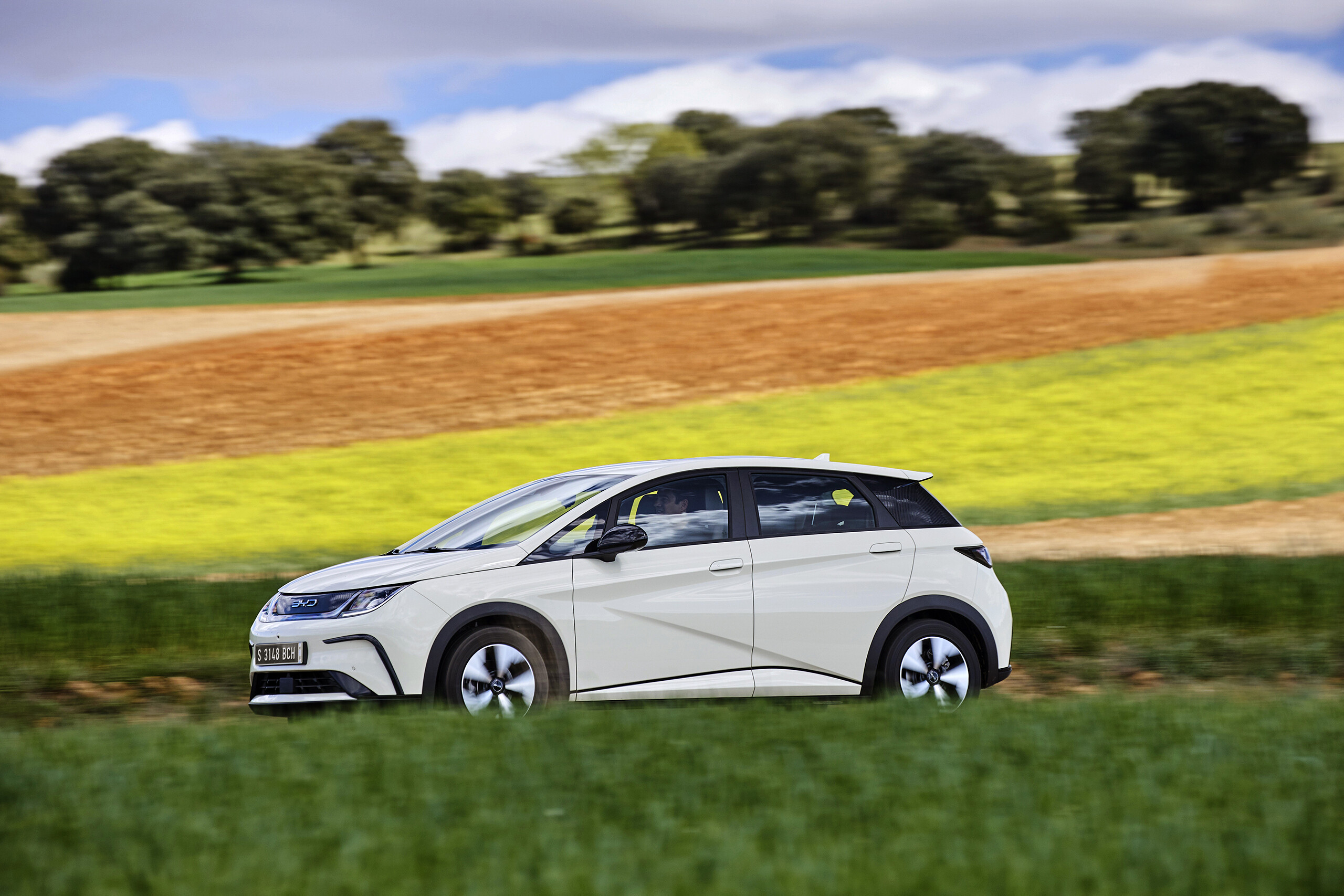
Pretoria dealers have BYD, GWM, Volvo, BMW, Mercedes-Benz and several Chinese brands on forecourts right now. Whether you are considering a BYD Atto 3, a GWM ORA 03, or a Volvo EX40, all of them charge via a standard Type 2 connector and will work with any compliant home charger installation. For a full rundown of your options, see our guide to the best EVs to own in South Africa.
Comparing Pretoria with Johannesburg and Cape Town on Installation
If you have read our installation guides for other cities — the Johannesburg EV charger installation guide or the Cape Town installation guide — you will notice Pretoria sits in a favourable middle ground. Installation prices are lower than premium Johannesburg suburbs but similar to Cape Town’s southern suburbs. Tshwane’s off-peak tariff of R1.70/kWh is competitive, though Cape Town’s rates can dip lower in some zones.
Where Pretoria genuinely has an edge is solar potential. The highveld plateau receives exceptional solar irradiation — more than Cape Town’s famous sunshine in peak summer months. Combined with the prevalence of flat and low-pitch roofs in Centurion, Montana, and Pretoria East, this makes the city one of the best environments in South Africa for a combined solar-plus-home-charging setup. The solar article linked above goes into detail on this, but the short version is: a 5kW solar system in Pretoria East can realistically deliver free charging for 800 to 1,200km per month during summer.
For a broader comparison of the monthly ownership cost picture, the article on monthly cost of owning an electric car in South Africa breaks it all down with real numbers.
How to Get an Installation Quote in Pretoria
Getting a quote is straightforward, but there are a few things to have ready to speed up the process. Before you contact an installer, take note of the following: where your distribution board is located, the distance from the DB board to where you want the charger mounted, whether your parking is in a garage, carport, or open driveway, and whether your property is freestanding or sectional title.
With that information in hand, request your free installation quote through ChargePoint SA. Our network covers Pretoria, Centurion, Midrand, and the broader Tshwane metro area. A certified installer will visit your property, assess your electrical setup, and provide a fixed-price quote that includes the charger, all cabling and hardware, the dedicated circuit, and the SANS 10142 Certificate of Compliance. No hidden extras.
Most straightforward Pretoria installations — freestanding house, modern DB board, garage within 10 to 15 metres — are completed in a single day. More complex jobs requiring board upgrades or longer cable runs may take two days. Either way, you are looking at driving a car that costs around R0.17 per kilometre to run within the week.
For context on how charging time varies by charger type and vehicle, the guide on how long it takes to charge an EV in South Africa gives a practical breakdown by model and charger combination.
Ready to Get a Charger Installed?
Get a free, no-obligation quote for a home or business EV charger installation. We handle everything.
FAQ
How much does it cost to install a home EV charger in Pretoria in 2026?
A 7.4kW home EV charger installation in Pretoria in 2026 costs between R8,000 and R15,000 for hardware and installation, plus R2,000 to R4,000 for the mandatory SANS 10142 Certificate of Compliance. Total cost for most Pretoria homes ranges from R10,000 to R19,000. An 11kW three-phase charger costs R14,000 to R26,000 all-in, while a 22kW unit can reach R20,000 to R39,000.
Do I need council approval from Tshwane municipality to install an EV charger?
For a standard residential installation, you do not need prior approval from Tshwane municipality. However, the installation must comply with SANS 10142 and be carried out by a registered electrician who issues a valid Certificate of Compliance. If your installation requires a supply upgrade (increasing your amps from Tshwane), a formal application to the city’s electricity department is required, and the registered owner of the property must make that application.
What is the cheapest time to charge an EV in Pretoria?
Tshwane’s off-peak electricity tariff of R1.70/kWh applies overnight, typically from around 10pm to 6am. This is the cheapest time to charge, cutting your monthly electricity bill for charging by roughly 40% compared to charging at the standard rate of R2.88/kWh. Use your charger’s timer or scheduling app to restrict charging to this window automatically.
Can I install an EV charger in a sectional title complex or body corporate in Pretoria?
Yes, but you need formal approval from your HOA or body corporate before any work begins. South African legislation generally prevents body corporates from unreasonably refusing such requests. You will need to submit a formal application, obtain quotes from a registered installer, and agree on separate metering so your charging costs are billed to your account, not the building’s common supply.
Is solar a good option for EV charging in Pretoria?
Pretoria is one of the best cities in South Africa for solar EV charging. The highveld plateau offers exceptional solar irradiation, and suburbs like Pretoria East, Centurion, and Montana have mostly flat or low-pitch roofs that are well-suited to solar panel installation. A 5kW to 8kW solar system combined with a battery backup and a smart EV charger can deliver largely free, load-shedding-resistant home charging.
Which EV charger brands are best for Pretoria homes?
Wallbox, ABB, and GridCars are the most widely installed and supported brands in the Tshwane area in 2026. All three offer smart scheduling to exploit Tshwane’s off-peak tariff, load balancing, and app control. Ensure your chosen unit has a Type 2 connector, which is compatible with all EVs sold in South Africa.
How do I find public EV charging stations in Pretoria?
Use the live EV charging map to find real-time availability of public chargers across Tshwane, including stations at Menlyn Mall, Centurion Mall, and various hotels and office parks across the city. Public chargers in Pretoria are growing in number but remain fewer than in Johannesburg — home charging remains essential for Pretoria EV owners.
How long does an EV charger installation take in Pretoria?
A typical freestanding home installation in Pretoria — new 7.4kW charger, modern DB board, garage within 15 metres — takes one working day. More complex installations involving board upgrades, long cable runs, or sectional title coordination may take two days or more. Most installations can be scheduled within a week of your site assessment.
Continue Reading