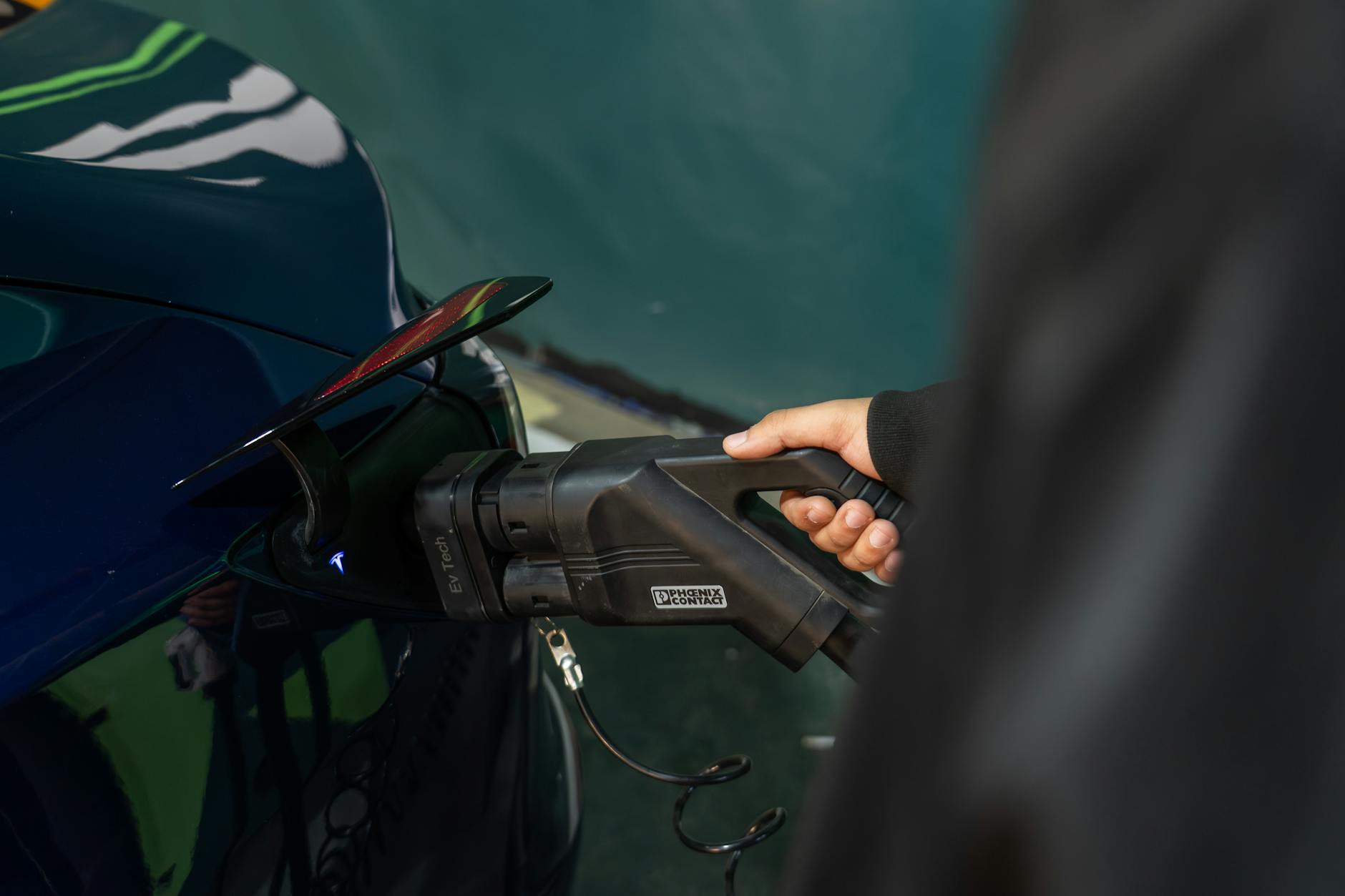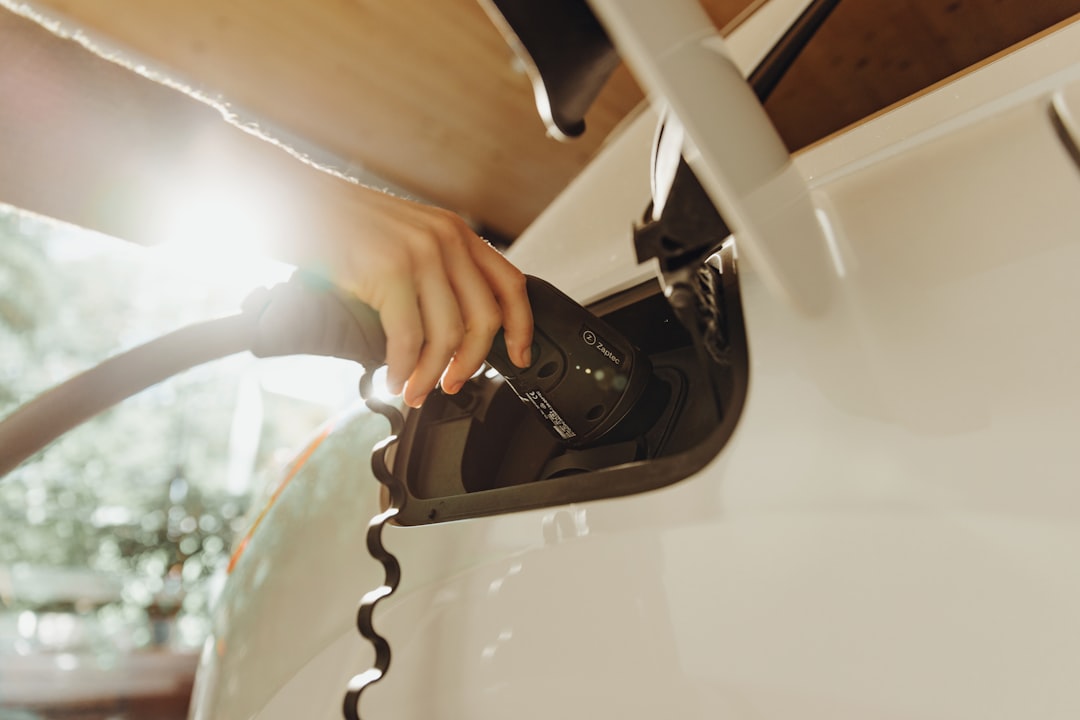
On April 1, 2026, South Africa woke up to the most severe fuel price shock in living memory — and it was no joke.
From midnight on April 1, the petrol price rose R3.06 a litre to R23.25, while the inland diesel price climbed R7.51 a litre to R26.11 — a record high.
Even after government intervention, the numbers are staggering. Without a temporary R3/L fuel levy cut, diesel would have hit R29.11 per litre. This isn’t just painful at the pump. It’s a structural shift in the economics of personal transport — and it makes the case for home EV charging stronger than it has ever been.
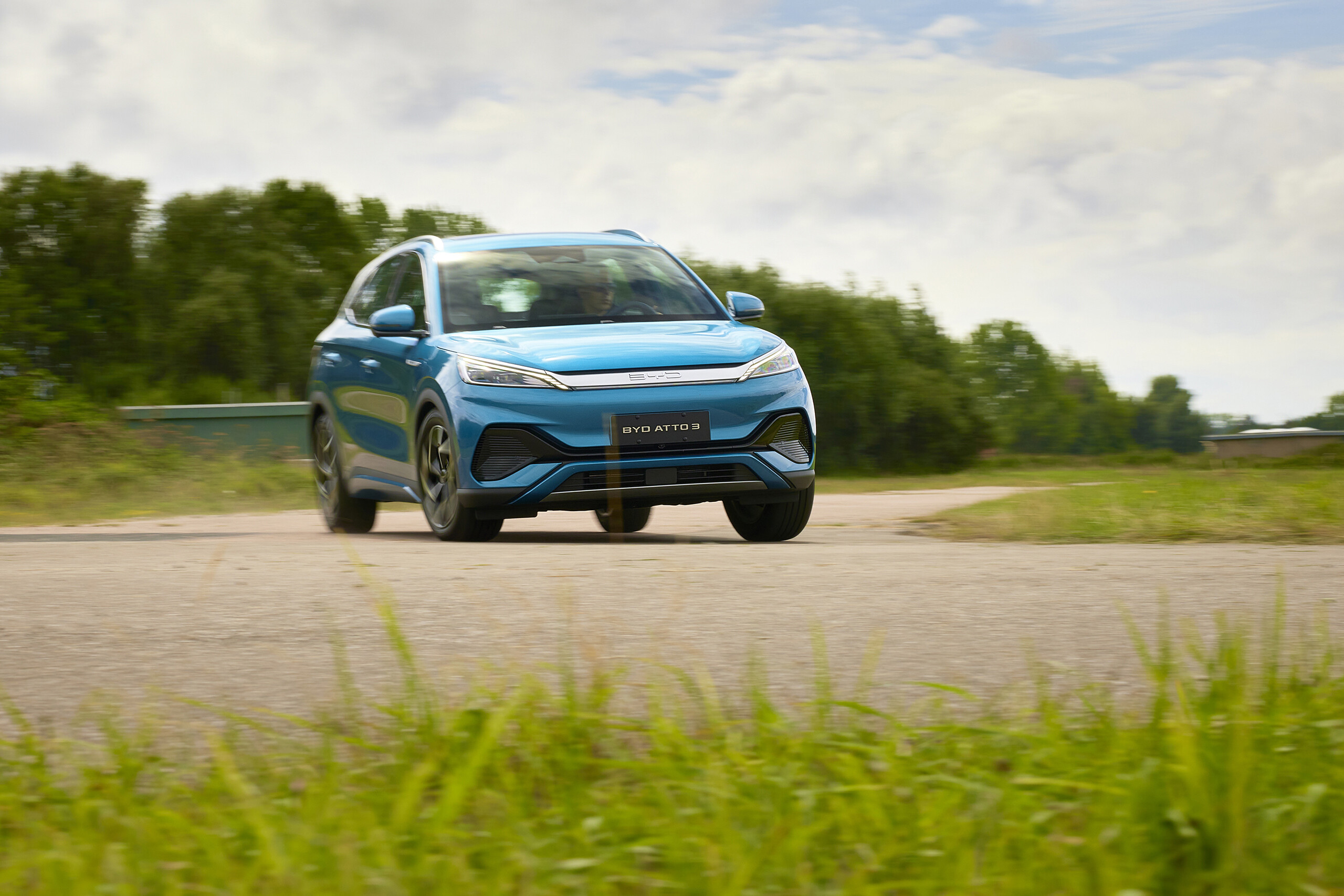
The math is now undeniable. A BYD Atto 3 charged at home overnight costs between R2.92 and R5.25 per 100km.
Eskom’s 2025/2026 tariff increase pushed the average residential unit price to roughly R3.40–R4.20 per kWh across most municipal indirect customers, with Eskom-direct Homepower customers around R2.92/kWh off-peak on Homeflex.
Compare that to R23.25 for the same 100km in a 10L/100km petrol car, or R20.89 in a Toyota Fortuner diesel, and you’re looking at a 75–86% reduction in fuel costs. That’s not a marginal improvement. That’s a different financial universe.
But here’s what makes April 2026 the actual tipping point, not just another fuel spike: the geopolitical crisis driving these prices is showing no signs of resolution, a temporary R3 levy relief expires on May 5, and the May forecast is genuinely alarming.
The latest early projections from the Central Energy Fund suggest that May increases may surpass those for April — as of April 6, the CEF projects that petrol could increase by about R4.70, while diesel continues to face significant pressure, with an increase of about R13.07.
If you’re still planning to get a home charger “eventually,” eventually has arrived.
What Actually Happened on April 1 — and Why
The root cause is a geopolitical catastrophe unfolding in real time.
On February 28, 2026, the United States and Israel initiated coordinated airstrikes on Iran under Operation Epic Fury, targeting military facilities, nuclear sites, and leadership.
The consequences for global energy markets were immediate and severe.
Until the conflict, the Strait of Hormuz was open and about 25% of the world’s seaborne oil trade passed through it — but warnings and subsequent attacks on vessels prompted major shipping firms to suspend operations in the strait, causing tanker traffic to drop by about 70% as over 150 ships anchored outside to avoid risks.
The Iran war, which sent international oil prices soaring over $100 a barrel and weakened the rand, is the trigger for this painful spike which will filter through the cost pipeline and fuel inflation.
South Africa, which prices fuel in dollars and imports virtually all of its refined product, absorbed the full force of that double whammy — a crude price shock compounded by a weaker rand.
South Africans were hit with unprecedented petrol and diesel price increases in April following a significant oil price spike caused by the war in the Middle East. Although a R3-per-litre temporary tax reprieve alleviated some of the projected increases, motorists were still faced with a petrol price hike of R3.06 per litre and diesel increases of between R7.37 and R7.51.
The scale of the diesel increase is particularly brutal for a country where
over 80% of freight moves by road.
The queues at forecourts told their own story.
Reports emerged of increasing queues and some sites running low on fuel, particularly diesel — not due to a shortage of product in the country, but rather a short-term strain on distribution caused by a surge in demand as consumers rushed to fill up ahead of the increase.
Over 200 stations reported queues or shortages on March 30–31. South Africans have seen fuel panic before. They’ve never seen it at R26 a litre for diesel.
The May Forecast: R40/L Is Not Speculation
Finance Minister Enoch Godongwana’s R3/L levy cut bought a month of breathing room. It cost Treasury approximately R6 billion in foregone revenue — and it expires on May 5.
For April at least, the CPI will probably come close to 4.0% — the upper point of the Reserve Bank’s tolerance band — but the fuel levy reduction will contain it while depriving Treasury of about R6 billion in tax revenue. Extending the relief beyond May 5 will deprive Treasury of even more revenue as it scrambles to stabilise South Africa’s debt levels.
The R40/L diesel headline has been making rounds, and while current mid-April data suggests the worst-case scenario may be avoided, the direction of travel is alarming.
Economist Azar Jammine warned: “There’s a likelihood that there will be another big increase at the beginning of May, especially in the cost of diesel, which could take it up close to R40 a litre.”
Even the more optimistic scenarios are sobering.
Adding further pressure is the expected reinstatement of the government’s general fuel levy cut — if reinstated, this would compound the projected increases, potentially pushing petrol prices towards R30/L and diesel closer to R40/L.
As of April 20, 2026, the fuel situation in South Africa has evolved into a critical economic event. While mid-month data suggests a slight easing from the “doomsday” scenarios predicted in early April, motorists are still facing a historic increase scheduled for Wednesday, May 6, 2026.
And as of this week, the geopolitical situation remains volatile.
The Strait of Hormuz — which normally carries roughly one-fifth of global oil supply — has been effectively closed for nearly two months.
There is no quick resolution in sight.
“Even if a deal is reached, experts warn that it could take months to claw back the supply lost over recent weeks of closures, keeping oil prices elevated for longer.”
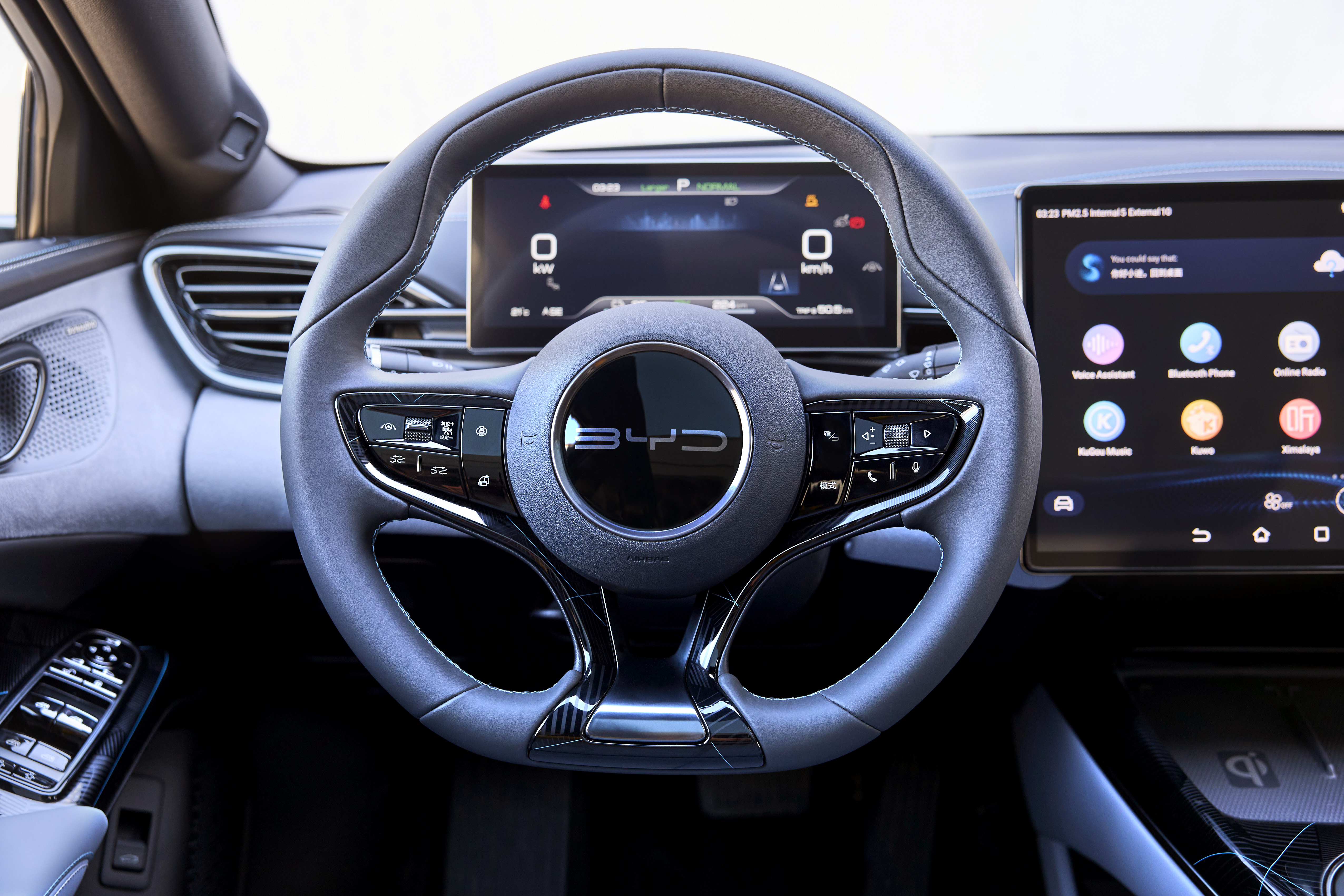
How Much Could You Save With an EV?
Use our free calculator to compare your current fuel costs with EV charging costs.
The Economic Fallout: It’s Not Just at the Pump
South Africans who don’t own cars are still getting hit. Hard.
The South African National Taxi Council (SANTACO) has warned that taxi fare increases may be imminent as operators grapple with fuel shortages, rising diesel costs, and supply constraints across the country.
Bolt has already moved.
“Bolt South Africa can confirm that it will implement fare adjustments in response to the anticipated fuel price increases taking effect in April 2026, as fuel remains a significant component of driver operating costs. These adjustments are expected to be temporary and responsive to market conditions.”
The knock-on to food prices is inevitable.
Over 80% of South Africa’s goods are moved by road. Higher diesel prices increase the “cost-to-shelf.” Expect to see the price of staples — maize meal, bread, and milk — rise within 4 to 8 weeks of the fuel hike.
And the SARB is trapped.
The South African Reserve Bank is in a tough spot — high fuel costs are driving up inflation, making interest rate cuts, previously expected in mid-2026, highly unlikely.
The SARB may even be forced into a 25-basis-point interest rate hike during the MPC meeting on May 28 to curb the ripple effects of high transport costs.
Here’s the broader picture.
April 1 is also the day Eskom’s new 8.76% tariff hike took effect. For the average household, being hit by record-high fuel prices and higher electricity bills simultaneously creates a “triple shock” that erodes almost all disposable income.
But notice what’s missing from that triple shock calculation: a home EV charger. Because that higher Eskom tariff still leaves EV owners paying a fraction of what petrol and diesel drivers spend at the pump.
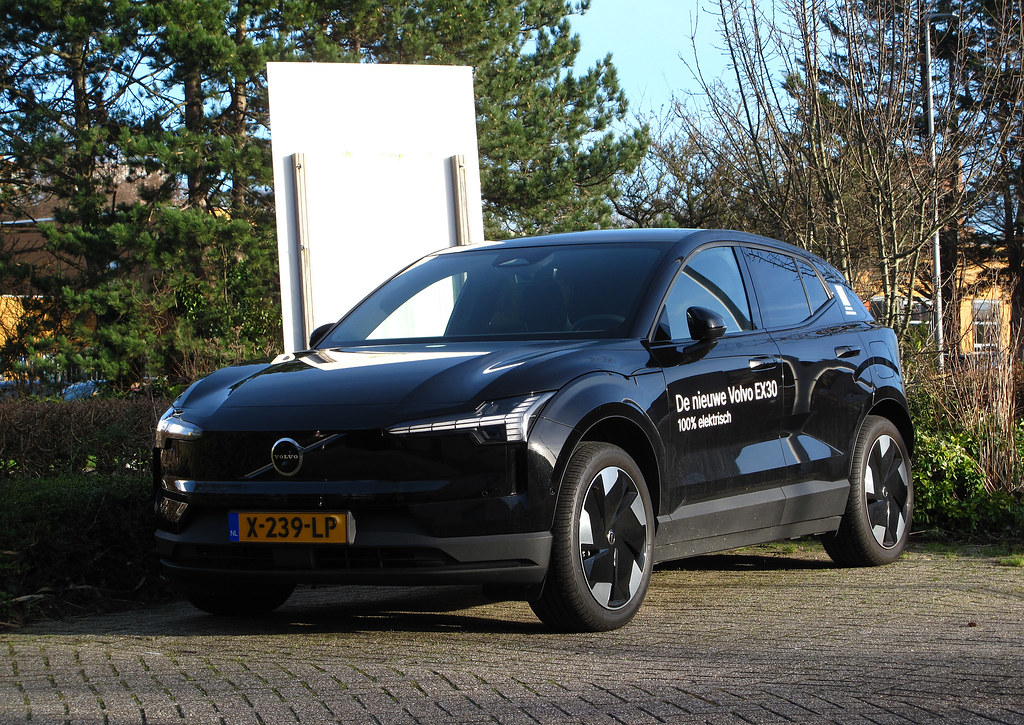
The Real Numbers: BYD Atto 3 vs Toyota Fortuner Diesel
Let’s get specific, because vague claims about “EV savings” are useless when you’re staring down a R26.11/L diesel price. Here’s what two real vehicles actually cost to run annually in South Africa right now, using current April 2026 fuel and electricity prices.
The BYD Atto 3, one of the most popular EVs in South Africa,
has a 60.5 kWh battery and consumption around 18.3 kWh per 100km.
At Eskom’s off-peak Homeflex rate of R2.92/kWh, that’s R5.34 per 100km. At the average City Power Johannesburg flat rate of R3.80/kWh, it’s R6.95 per 100km. Call it R5.25–7.00/100km across SA metros, being generous.
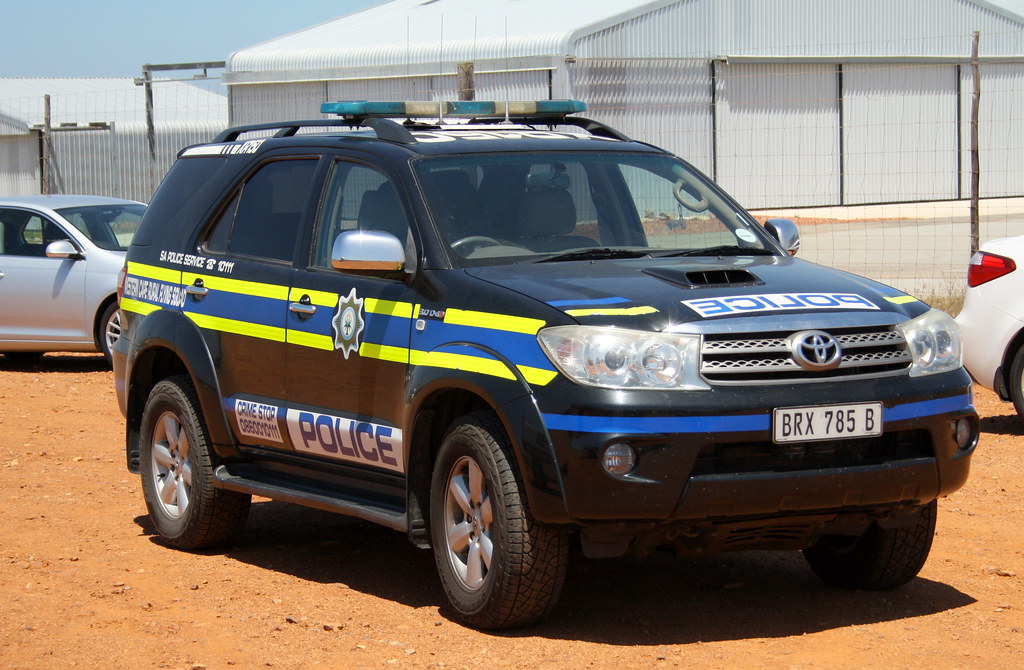
The Toyota Fortuner 2.8 GD-6, running at 8L/100km on diesel at R26.11/L, costs R20.89 per 100km. For an annual commute of 15,000km, that’s R31,335 in diesel alone. The Atto 3 owner charging at home pays R787–R1,050 for the same 15,000km in electricity — a saving of over R30,000 every single year. That isn’t a rounding error. That’s a second car payment, a holiday, or twelve months of school fees.
| Vehicle | Cost per 100km | Annual cost (15,000km) |
|---|---|---|
| BYD Atto 3 (home charging, off-peak) | R5.34–R7.00 | R801–R1,050 |
| Petrol car (average 10L/100km) | R23.25 | R34,875 |
| Toyota Fortuner 2.8 GD-6 (diesel) | R20.89 | R31,335 |
Want to see exactly what you’d save based on your own commute distance and local electricity tariff? Calculate your savings with our free EV cost calculator — it accounts for Cape Town, Johannesburg, and Durban tariffs separately.
Ready to Install a Home Charger?
Get a free, no-obligation quote for professional EV charger installation in South Africa.
Why Home Charging Wins Even With Eskom’s Tariff Hike
Yes, electricity got more expensive on April 1.
NERSA approved an average electricity price increase of 8.76% for customers supplied directly by Eskom. The new tariffs apply from April 1, 2026 for Eskom direct customers.
Municipalities buying electricity in bulk from Eskom will implement their own tariff adjustments from July 1, 2026, averaging 9.01%.
An 8.76% increase on R2.92/kWh takes it to roughly R3.18/kWh. The Atto 3’s cost per 100km rises by about 47 cents. Meanwhile, diesel rose by R7.51/L. The diesel driver’s cost per 100km on a Fortuner jumped by R6.01. The gap between EV and diesel driving costs didn’t narrow on April 1 — it widened dramatically.
And this is before you factor in solar.
A typical Gauteng home with a 10kWp system can push 25–35 kWh/day into an EV for free, which covers roughly 130km daily at no grid cost.
If you have panels on the roof and a smart charger set to pull from surplus solar before falling back to the grid at night, the effective cost per kilometre approaches zero during peak sun hours. Eskom’s tariff increase becomes almost irrelevant.
There’s also the load shedding dimension to consider. South Africa has gone over 300 consecutive days without load shedding — a genuine milestone.
Eskom’s Energy Availability Factor has risen to 65.85% year-to-date, with the fleet reaching or exceeding 70% on 83 occasions. The baseload units have stabilised significantly, improving from 9% availability two years ago to being available more than 98% of the time today.
The grid isn’t perfect, but it’s reliable enough to charge an EV overnight without anxiety. That’s a meaningful change from 2022.
The Installation Economics: Payback in Months, Not Years
A 7.4kW home wallbox charger, professionally installed with the correct SANS 10142-1 wiring compliance and a dedicated circuit from the distribution board, typically costs R8,000–R15,000 in South Africa. That’s the all-in number — charger, cable, mounting, certified electrician, and the DB modifications. At the higher end, call it R15,000.
With annual fuel savings of R27,000–R30,000 compared to a petrol car, that installation pays for itself in roughly 3–6 months of normal commuting. Even against a diesel Fortuner, the saving exceeds R30,000 per year. The charger installation cost is recovered before your first service interval.
The payback period on the charger itself — ignoring solar — is typically 18 to 30 months for a commuter driving 1,800km/month. Add solar and the payback drops to under a year in many cases.
Those numbers were calculated before the April 2026 fuel shock. Today’s numbers are materially better for EV owners.
Demand for home charger installations is already surging across Johannesburg, Cape Town, and Durban. Body corporate queries have doubled. Estates that blocked EV chargers two years ago are now fast-tracking approvals. If you’re in sectional title and your body corporate is still dragging its heels, show them this article — and the April 1 fuel price notice. Get a free home charger installation quote now, while lead times are still manageable.
Looking for where to charge while you’re on the road or waiting for your home installation? Check the live EV charging map for stations across South Africa, updated in real time.
Find Charging Stations Near You
Explore our live map of EV charging stations across South Africa — updated in real time.
The Bigger Picture: This Is Not a Temporary Spike
Every fuel price spike eventually reverses. The 2022 spikes reversed. The 2020 crash reversed. What’s different in 2026 is the structural nature of the disruption.
The economic costs of the conflict are mounting as the Strait of Hormuz has been effectively closed for nearly two months — with supply disruptions estimated at around 13 million barrels of crude per day. “That cumulative effect has already breached above half a billion barrels,” experts warn, noting that even an imminent deal announcement would not immediately unwind the damage.
Even in an optimistic scenario where a peace deal holds, oil markets are likely to remain structurally elevated for months.
The Rand has stabilised slightly at R16.30/$, but international Brent Crude remains the primary culprit, hovering near $95–$100 per barrel amid ongoing tensions between Iran and the United States.
As recently as this week,
crude oil prices rose as the US and Iran teetered on the brink of renewed war after attacks on commercial ships — WTI futures rose nearly 7%, while Brent advanced more than 5%.
The longer view is starker still. South Africa’s fuel pricing structure means every rand the rand loses against the dollar, and every dollar oil rises, shows up at the pump within weeks. The rand is chronically exposed to global risk-off sentiment. Oil is structurally threatened by Middle East instability. Neither of those dynamics is going away. The only rational response for a South African motorist with the means to switch is to reduce their dependence on imported, rand-denominated, geopolitically volatile liquid fuel.
Home charging is that hedge. Not a trend. Not a lifestyle statement. A rational economic decision — one that April 2026 has made impossible to ignore. For a deeper look at how running costs compare across SA’s EV and petrol landscape, see our comprehensive EV vs petrol running cost breakdown for 2026.
FAQ
How much does it cost to charge a BYD Atto 3 at home in South Africa?
At current South African electricity rates, charging a BYD Atto 3 at home costs approximately R5.34–R7.00 per 100km, depending on your tariff.
Eskom-direct Homepower customers pay around R2.92/kWh off-peak on Homeflex, while most municipal customers pay R3.40–R4.20/kWh including VAT.
At the cheapest off-peak rate, 100km in an Atto 3 costs under R6. The same distance in a petrol car at 10L/100km now costs R23.25.
What is the current diesel price in South Africa in April 2026?
Following April’s record increases, 93 Unleaded petrol costs R23.25 inland, 95 Unleaded costs R22.53 at the coast, and the wholesale price of 50ppm diesel rose to R25.35 at the coast and R26.11 in Gauteng.
Retail diesel prices at the pump are typically R2–R3 higher than wholesale, meaning many motorists are paying R27.50–R29 per litre at the forecourt.
Will diesel really hit R40/L in May 2026?
South Africans are unlikely to see diesel prices hit R40 per litre in May, but another sharp increase remains likely based on current data. Early figures from the Central Energy Fund show significant under-recoveries for diesel, although more recent trends suggest a lower increase than initially expected.
The critical variable is whether the government extends the R3/L levy relief beyond May 5.
If the levy reduction is reinstated without extension, this could push petrol prices towards R30/L and diesel closer to R40/L.
Why did fuel prices spike so dramatically in April 2026?
Three simultaneous factors converged.
The Iran war sent international oil prices soaring over $100 a barrel and weakened the rand.
The US-Iran conflict effectively caused a de facto closure of the Strait of Hormuz through insurance withdrawal, putting at risk roughly 20% of global oil supply.
Combined with a structurally weak rand that amplifies every dollar movement in crude prices, the result was South Africa’s largest single-month diesel increase in recorded history.
How does Eskom’s 8.76% tariff hike affect EV home charging costs?
NERSA approved an average electricity price increase of 8.76% for customers supplied directly by Eskom, effective from April 1, 2026.
On a rate of R2.92/kWh, that’s an increase of roughly 25c/kWh. For an EV doing 18.3 kWh/100km, the additional cost is about 46c per 100km. Meanwhile, diesel rose R7.51/L, adding over R6 per 100km for a diesel vehicle. The tariff increase makes virtually no difference to the EV cost advantage — in fact, the gap widened on April 1.
How long does a home EV charger installation take to pay back in South Africa?
At current fuel prices, the payback on a R8,000–R15,000 home charger installation is approximately 3–6 months for a motorist switching from petrol, based on annual savings of R27,000–R30,000.
Without solar, payback typically takes 18 to 30 months for a commuter driving 1,800km/month — add solar and the payback drops to under a year in many cases.
April 2026 fuel prices have materially shortened those payback periods from what they were even six months ago.
Is load shedding still a concern for EV home charging in 2026?
The load shedding risk has reduced substantially.
Eskom’s Energy Availability Factor has risen to 65.85% year-to-date, with baseload units improving from 9% availability two years ago to being available more than 98% of the time today.
South Africa passed 300+ consecutive days without load shedding in April 2026. For EV owners using overnight off-peak charging windows, the grid has proven reliable enough to charge without anxiety. A solar and battery backup combination eliminates the risk entirely.
What is the cheapest way to charge an EV at home in South Africa?
The cheapest method is overnight off-peak charging on Eskom’s Homeflex time-of-use tariff at R2.92/kWh for direct Eskom customers, scheduled between 10pm and 6am.
In Johannesburg on City Power, the residential flat rate is approximately R3.80/kWh with no time-of-use option yet for domestic customers.
The absolute cheapest option is solar surplus charging during the day — effectively free if your panels generate more than your home consumes. A smart charger with scheduled charging and solar integration is the optimal setup for 2026.
Continue Reading