
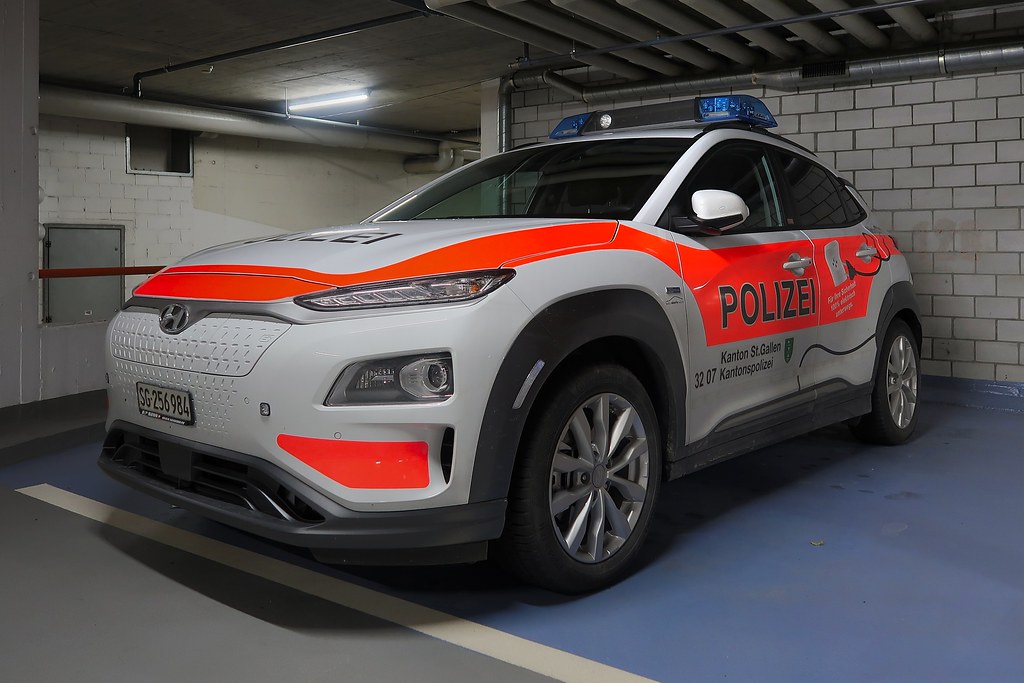
Hyundai Kona Electric vs Haval Jolion 1.5T: Which Should You Buy in 2025?
Considering switching to an EV? This comprehensive comparison between the Hyundai Kona Electric and the Haval Jolion 1.5T will help you make the right decision for your wallet and lifestyle in South Africa.
📊 Quick Comparison Overview
| Feature | Hyundai Kona Electric | Haval Jolion 1.5T |
|---|---|---|
| Purchase Price | R850,000 | R450,000 |
| 5-Year Fuel Cost | R51,074 | R122,475 |
| 5-Year Maintenance | R15,000 | R40,000 |
| Total Cost of Ownership | R916,074 | R612,475 |
| Winner | Petrol wins by R303,599! | |
💰 The Real Cost: 5-Year Ownership Analysis
The numbers tell a clear story: while the Hyundai Kona Electric offers significant savings on fuel and maintenance, the R400,000 higher purchase price means the Haval Jolion 1.5T remains cheaper overall for the first five years of ownership.
The Hyundai Kona Electric costs R850,000 upfront compared to the Haval Jolion 1.5T’s R450,000. Over five years, the petrol vehicle’s total cost of ownership is R612,475 versus the EV’s R916,074 — a difference of R303,599 in favour of the Jolion.
Fuel Costs Breakdown
- Hyundai Kona Electric electricity cost: R10,215/year = R51,074 over 5 years
- Haval Jolion 1.5T petrol cost: R24,495/year = R122,475 over 5 years
- Fuel savings with EV: R71,401 over 5 years
Maintenance Costs
- Hyundai Kona Electric: R15,000 (minimal — no oil changes, less brake wear)
- Haval Jolion 1.5T: R40,000 (regular servicing, oil, filters, etc.)
- Maintenance savings with EV: R25,000
The Break-Even Point
Despite saving R96,401 on fuel and maintenance over five years, the Kona Electric’s higher purchase price means you won’t break even within the typical ownership period. The EV would need to be driven for approximately 8-9 years before the cumulative running-cost savings offset the initial price premium.
However, this calculation doesn’t account for potential petrol price increases, government incentives, or the higher resale value EVs may command as the market matures.
🔋 Understanding the Cost Per Kilometre
When you divide the total 5-year cost of ownership by the total distance travelled (75,000km), the numbers reveal an important nuance:
- Cost per kilometre — Haval Jolion 1.5T: R8.17
- Cost per kilometre — Hyundai Kona Electric: R12.21
The Jolion’s lower cost per kilometre reflects its significantly lower purchase price being amortised over the same distance. However, this metric can be misleading for buyers focused on long-term ownership. The Kona’s running costs (fuel + maintenance) are dramatically lower at just R0.88/km versus the Jolion’s R2.17/km.
This means that with each additional year of ownership beyond five years, the gap narrows substantially. By year 8-9, the cumulative running-cost savings would equal the initial price difference, and from that point forward, the Kona becomes the more economical choice on a per-kilometre basis.
🎯 Who Should Buy the Hyundai Kona Electric?
The Hyundai Kona Electric is perfect for you if:
- 📅 Long-term ownership planned: Keep the vehicle 8+ years to realise full savings
- 🏠 Home charging available: Wake up to a “full tank” every morning for just R851/month
- 🌆 City/suburban driving: Perfect for the 484km range on a single charge
- 🔧 Low maintenance priority: No oil changes, no exhaust systems, minimal brake wear
- 🌍 Environmental responsibility: Zero tailpipe emissions in SA’s cities
- ⚡ Modern technology: Latest infotainment, over-the-air updates, advanced safety features
- 💰 Higher upfront budget: Can comfortably afford the R850,000 purchase price
- 📈 Hedging against fuel inflation: Electricity prices historically more stable than petrol
🎯 Who Should Buy the Haval Jolion 1.5T?
The Haval Jolion 1.5T makes sense if:
- 💵 Lower upfront cost needed: R400,000 cheaper to purchase
- ⏱️ Short to medium-term ownership: Planning to keep the vehicle less than 8 years
- ⛽ Long-distance flexibility: Refuel anywhere in 5 minutes with petrol stations everywhere
- 🚗 Heavy towing/off-road: 1.5L turbocharged engine provides proven capability
- 📍 Rural/remote areas: No charging infrastructure concerns
- 🔋 No home charging option: Petrol stations remain more accessible for now
- 👴 Familiar technology: Comfortable with traditional vehicle ownership
- 💰 Budget constraints: Need to minimise total 5-year expenditure
- 🔄 Vehicle turnover: Prefer trading in every 3-5 years for newer models
💡 Key Decision Factors
Choose the Hyundai Kona Electric if you:
- ✅ Drive less than 400km per day on average
- ✅ Have access to home charging or workplace charging
- ✅ Plan to keep the vehicle for 8+ years to maximise savings
- ✅ Prioritise lower maintenance and running costs
- ✅ Want zero tailpipe emissions
- ✅ Can manage the higher upfront cost of R850,000
- ✅ Value cutting-edge technology and features
- ✅ Believe petrol prices will continue rising faster than electricity rates
Choose the Haval Jolion 1.5T if you:
- ✅ Need maximum flexibility for long-distance travel
- ✅ Don’t have reliable charging access
- ✅ Drive more than 400km daily or take frequent road trips
- ✅ Need to minimise upfront and 5-year total costs
- ✅ Prefer the familiarity of petrol stations
- ✅ Live in an area with limited charging infrastructure
- ✅ Want the lowest 5-year total cost of ownership
- ✅ Require proven resale value in the traditional vehicle market
🔋 Charging Infrastructure in South Africa
South Africa’s EV charging network is growing rapidly, with over 500 public charging points nationwide. Major cities like Johannesburg, Cape Town, Durban, and Pretoria have excellent coverage, making daily EV driving increasingly practical.
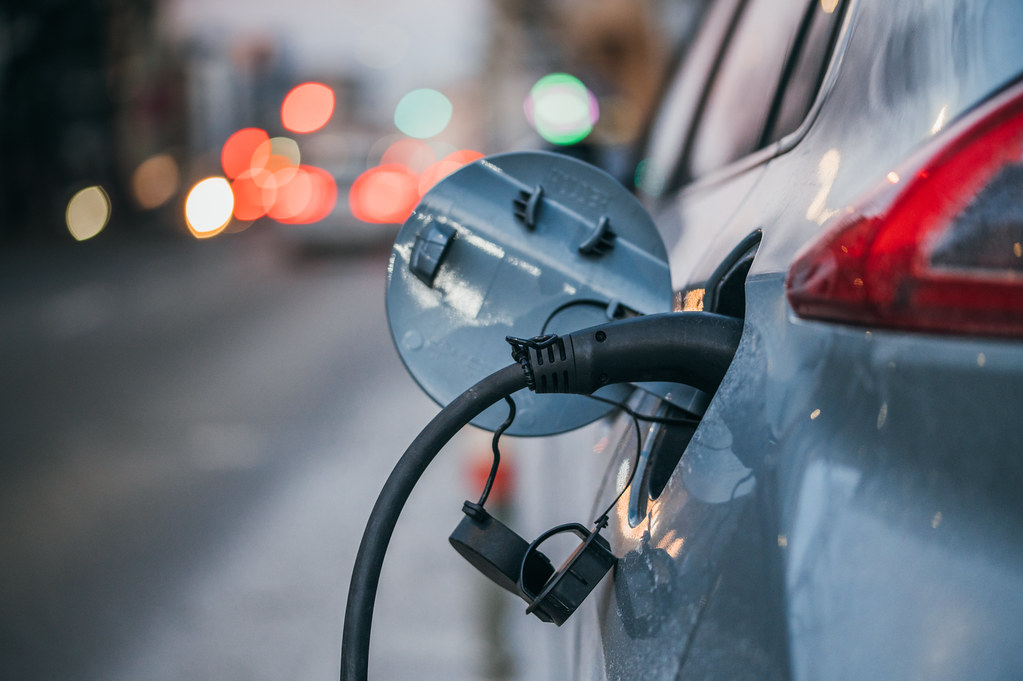
Home charging transforms the ownership experience: Installing a home charger (R15,000-R30,000) gives you a “full tank” every morning at a fraction of petrol costs. Most Kona Electric owners charge overnight on off-peak electricity rates, paying around R851 per month for typical driving patterns.
For those without home charging, workplace charging and public fast-chargers are expanding options, though they add complexity compared to simply pulling into any petrol station. Load-shedding remains a consideration, though most home chargers can be scheduled to charge during off-peak hours when power is more reliable, and many public charging stations have battery backup systems.
📈 Long-Term Value Projection
Over 5 years of ownership (15,000km/year):
- Total cost difference: Jolion is R303,599 cheaper (R612,475 vs R916,074)
- Monthly cost difference: Jolion saves R5,060/month over the 5-year period
- Annual running cost — Hyundai Kona Electric: R13,215 (fuel + maintenance)
- Annual running cost — Haval Jolion 1.5T: R32,495 (fuel + maintenance)
- Annual savings with EV: R19,280 in running costs alone
The Jolion’s lower 5-year total cost reflects its significantly lower purchase price. However, the Kona saves R19,280 annually in running costs, meaning the initial R400,000 price premium is recovered at a rate of approximately R1,607 per month. By year 8-9, the cumulative running-cost savings would equal the initial price difference, making the Kona the more economical choice for long-term owners.
Extended Ownership Scenarios
If you plan to keep your vehicle longer than five years, the economics shift dramatically:
- Year 6: Kona total cost R929,289 vs Jolion R644,970 (gap narrows to R284,319)
- Year 7: Kona total cost R942,504 vs Jolion R677,465 (gap narrows to R265,039)
- Year 8: Kona total cost R955,719 vs Jolion R709,960 (gap narrows to R245,759)
- Year 9: Kona total cost R968,934 vs Jolion R742,455 (gap narrows to R226,479)
- Year 10: Kona total cost R982,149 vs Jolion R774,950 (gap narrows to R207,199)
While the Jolion maintains a cost advantage even at 10 years due to its substantially lower purchase price, the gap continues to narrow with each passing year. For buyers planning 12-15 year ownership periods, the Kona would eventually become the more economical choice.
🌍 Environmental Impact
By choosing the Hyundai Kona Electric over the Haval Jolion 1.5T, you’ll prevent approximately 12,301kg of CO₂ from entering the atmosphere over 5 years — equivalent to planting roughly 560 trees.
While South Africa’s electricity grid still relies heavily on coal, EVs remain significantly cleaner than petrol vehicles on a well-to-wheel basis. As the grid incorporates more renewable energy, this advantage will only grow. Additionally, EVs eliminate local air pollution in cities, improving air quality where people live and work.
💭 Real-World Owner Considerations
Depreciation and Resale Value
Traditional petrol vehicles like the Jolion have well-established depreciation curves and strong resale markets in South Africa. EVs like the Kona are newer to the market, making long-term resale values less predictable. However, as EV adoption increases and petrol prices rise, demand for used EVs may strengthen, potentially improving their residual values.
Insurance and Registration
Insurance costs for the Kona Electric are typically 10-15% higher than comparable petrol vehicles due to the higher purchase price and specialised repair requirements. However, some insurers offer EV-specific policies with competitive rates. Registration and licensing costs are similar for both vehicles.
Warranty Coverage
The Hyundai Kona Electric comes with an 8-year/200,000km battery warranty, providing peace of mind for long-term ownership. The Jolion offers Haval’s standard warranty package. Both manufacturers provide competitive service plans, though the Kona’s lower maintenance requirements mean fewer dealer visits overall.
🏁 The Verdict
The Haval Jolion 1.5T Wins on 5-Year Value
For most South African buyers focused on minimising costs over a typical 5-year ownership period, the Haval Jolion 1.5T is the clear winner. Its R303,599 lower total cost of ownership makes it the more economical choice, despite higher fuel and maintenance expenses.
However, the Hyundai Kona Electric becomes increasingly attractive if you:
- Plan to keep the vehicle 8+ years (approaching break-even point)
- Have reliable home charging access
- Value environmental benefits and cutting-edge technology
- Can comfortably afford the higher upfront investment
- Expect petrol prices to rise significantly
- Prioritise minimal ongoing maintenance and running costs
- Drive primarily in urban areas with good charging infrastructure
Both are solid choices — your decision should align with your budget, driving patterns, ownership timeline, and access to charging infrastructure.
💰 Calculate Your Own Savings
Want to see how much you could save based on your specific driving habits? Use our EV Cost Savings Calculator to input your exact annual kilometres, electricity rate, and ownership period for a personalised comparison.
🚗 Ready to Make the Switch?
If you’ve decided the Hyundai Kona Electric is right for you, proper charging infrastructure is essential. Get a free quote for professional EV charger installation anywhere in South Africa, and explore our live EV charging map to see public charging options near you.
Last updated: December 2025
Continue Reading
Deprecated: File Theme without comments.php is deprecated since version 3.0.0 with no alternative available. Please include a comments.php template in your theme. in /var/www/wordpress/wp-includes/functions.php on line 6085
Leave a Reply