
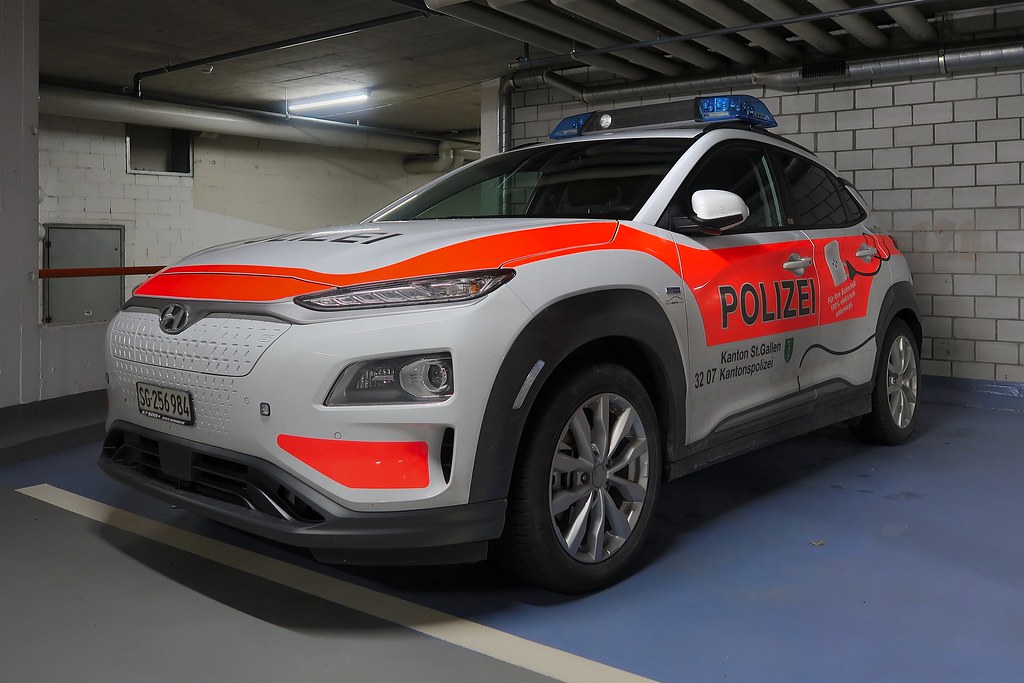
Hyundai Kona Electric vs Hyundai Tucson 2.0: Which Should You Buy in 2025?
Considering switching to an EV? This comprehensive comparison between the Hyundai Kona Electric and the Hyundai Tucson 2.0 will help you make the right decision for your wallet and lifestyle in South Africa.
📊 Quick Comparison Overview
| Feature | Hyundai Kona Electric | Hyundai Tucson 2.0 |
|---|---|---|
| Purchase Price | R850,000 | R650,000 |
| 5-Year Fuel Cost | R51,074 | R122,475 |
| 5-Year Maintenance | R15,000 | R40,000 |
| Total Cost of Ownership | R916,074 | R812,475 |
| Winner (5-Year TCO) | Tucson 2.0 costs R103,599 less | |
💰 The Real Cost: 5-Year Ownership Analysis
The numbers reveal an important truth about EV ownership in South Africa today. While the Hyundai Kona Electric costs R850,000 upfront compared to the Hyundai Tucson 2.0’s R650,000, that R200,000 price gap significantly impacts total ownership costs over five years.
Fuel Costs Breakdown
- Hyundai Kona Electric electricity cost: R10,215/year = R51,074 over 5 years
- Hyundai Tucson 2.0 petrol cost: R24,495/year = R122,475 over 5 years
- Annual fuel savings with EV: R14,280 (R71,401 total over 5 years)
Maintenance Costs
- Hyundai Kona Electric: R15,000 (minimal – no oil changes, less brake wear)
- Hyundai Tucson 2.0: R40,000 (regular servicing, oil, filters, etc.)
- Maintenance savings with EV: R25,000 over 5 years
The Total Picture
Despite saving R71,401 on fuel and R25,000 on maintenance over five years (R96,401 combined), the Kona Electric’s R200,000 higher purchase price means the Tucson 2.0 costs R103,599 less overall in a five-year ownership period. This translates to the Tucson being R1,727 cheaper per month across those five years.
However, this calculation assumes you sell or trade in after exactly five years. The longer you keep the vehicle, the more the EV’s lower running costs work in your favour. The Kona Electric saves R19,280 annually in combined fuel and maintenance costs. By year seven, the cumulative savings begin to offset the initial price premium. By year ten, the Kona Electric becomes substantially cheaper to own.
📏 Cost Per Kilometre: Understanding the Numbers
Looking at total cost per kilometre over five years (assuming 15,000km annually):
- Hyundai Tucson 2.0: R10.83/km (R812,475 ÷ 75,000km)
- Hyundai Kona Electric: R12.21/km (R916,074 ÷ 75,000km)
The Tucson’s R1.38/km advantage stems entirely from its lower purchase price being amortised across your driving. However, this metric changes dramatically when you isolate running costs only (fuel + maintenance):
- Hyundai Kona Electric running cost: R0.88/km (R66,074 ÷ 75,000km)
- Hyundai Tucson 2.0 running cost: R2.17/km (R162,475 ÷ 75,000km)
This R1.29/km operational advantage means every kilometre you drive beyond the five-year mark works in the Kona Electric’s favour. For drivers planning to keep their vehicle longer or those covering higher annual distances, the running cost difference becomes increasingly significant.
🔋 Charging Infrastructure in South Africa
South Africa’s EV charging network is growing rapidly, with over 500 public charging points nationwide according to PlugShare’s South African network data. Major cities like Johannesburg, Cape Town, Durban, and Pretoria have excellent coverage, with new stations opening monthly.
Home charging transforms the ownership experience: Installing a home charger (R15,000-R30,000) gives you a “full tank” every morning at a fraction of petrol costs. Most EV owners charge overnight during off-peak hours, taking advantage of lower electricity rates. At current Eskom rates, a full charge costs approximately R170—enough for 484km of range.
The Automobile Association of South Africa reports that home charging accounts for approximately 80% of EV charging in the country, making access to home charging the single most important factor in EV ownership satisfaction.
⚡ Load-Shedding Considerations
South Africa’s ongoing load-shedding presents unique challenges for EV owners. However, several solutions exist:
- Home battery systems: Pair your charger with solar and battery storage for energy independence
- Smart charging: Schedule charging during non-load-shedding windows using your vehicle’s timer
- Public charging network: Most shopping centres have backup generators powering their chargers
- Workplace charging: Many offices now offer EV charging as an employee benefit
Interestingly, load-shedding affects petrol stations too—many cannot pump fuel during outages without generators. EVs with home charging paired with solar systems actually provide more energy security during extended outages, allowing you to “refuel” even when the grid is down.
🎯 Who Should Buy the Hyundai Kona Electric?
The Hyundai Kona Electric is perfect for you if:
- 💰 Long-term ownership planned: Keep the vehicle 7+ years to realise full savings potential
- 🏠 Home charging available: Wake up to a “full tank” every morning for just R851/month in electricity
- 🌆 City/suburban driving: Perfect for the 484km range on a single charge
- 🔧 Low maintenance priority: No oil changes, no exhaust systems, minimal brake wear
- 🌍 Environmental responsibility: Zero tailpipe emissions in SA’s cities
- ⚡ Modern technology: Latest infotainment, over-the-air updates, advanced safety features
- 📊 Predictable costs: Electricity rates are more stable than petrol prices
- 🚗 High annual mileage: The R1.29/km running cost advantage compounds with distance
🎯 Who Should Buy the Hyundai Tucson 2.0?
The Hyundai Tucson 2.0 makes sense if:
- 💵 Lower upfront cost needed: R200,000 cheaper to purchase
- ⏰ Short-term ownership: Planning to trade in within 5 years
- ⛽ Long-distance flexibility: Refuel anywhere in 5 minutes with petrol stations everywhere
- 🚗 Heavy towing/off-road: 2.0L engine provides proven capability
- 📍 Rural/remote areas: No charging infrastructure concerns
- 🔋 No home charging option: Petrol stations remain more accessible
- 👴 Familiar technology: Comfortable with traditional vehicle ownership
- 💼 Business use: Tax implications may favour lower purchase price
💡 Key Decision Factors
Choose the Hyundai Kona Electric if you:
- ✅ Drive less than 400km per day on average
- ✅ Have access to home charging or workplace charging
- ✅ Plan to keep the vehicle for 7+ years
- ✅ Prioritise lower daily running costs (R0.88/km vs R2.17/km)
- ✅ Want zero tailpipe emissions
- ✅ Can manage the higher upfront cost
- ✅ Value cutting-edge technology and features
- ✅ Appreciate quieter, smoother driving experience
- ✅ Cover high annual mileage (20,000km+ per year)
Choose the Hyundai Tucson 2.0 if you:
- ✅ Need maximum flexibility for long-distance travel
- ✅ Don’t have reliable charging access
- ✅ Drive more than 400km daily regularly
- ✅ Need to minimise upfront costs
- ✅ Prefer the familiarity of petrol stations
- ✅ Live in an area with limited charging infrastructure
- ✅ Plan to sell or trade within 5 years
- ✅ Require proven towing capability
- ✅ Cover low annual mileage (under 10,000km per year)
📈 Long-Term Value and Resale
Over 5 years of ownership (15,000km/year), the financial picture shows:
- Total cost advantage: Tucson 2.0 cheaper by R103,599 over 5 years
- Monthly cost difference: R1,727 in favour of Tucson (5-year average)
- Total cost per kilometre – Hyundai Kona Electric: R12.21/km
- Total cost per kilometre – Hyundai Tucson 2.0: R10.83/km
- Running cost per kilometre – Hyundai Kona Electric: R0.88/km
- Running cost per kilometre – Hyundai Tucson 2.0: R2.17/km
Beyond five years: The Kona Electric’s advantage grows with each additional year of ownership. The R19,280 annual savings in fuel and maintenance means that by year seven (105,000km), the cumulative running cost savings reach R135,960—offsetting most of the R200,000 purchase price premium. By year ten (150,000km), the EV owner has saved R192,800 in running costs, making the total cost of ownership nearly equal. Beyond ten years, the Kona Electric becomes substantially cheaper.
Resale values for EVs in South Africa are still establishing themselves, but AutoTrader data suggests well-maintained EVs hold value competitively, particularly as petrol prices continue rising and charging infrastructure expands. The Kona Electric’s 8-year/200,000km battery warranty provides additional resale confidence.
🌍 Environmental Impact
By choosing the Hyundai Kona Electric over the Hyundai Tucson 2.0, you’ll prevent approximately 12,301kg of CO₂ from entering the atmosphere over 5 years—equivalent to planting roughly 560 trees.
Even accounting for South Africa’s coal-heavy electricity grid (approximately 80% coal-generated), EVs produce significantly fewer emissions over their lifetime compared to petrol vehicles. According to research from the Council for Scientific and Industrial Research (CSIR), EVs in South Africa produce approximately 40% fewer lifecycle emissions than equivalent petrol vehicles. As the national grid incorporates more renewable energy through projects like the Renewable Energy Independent Power Producer Procurement Programme, this advantage grows.
🔧 Real-World Ownership Experiences
South African EV owners report high satisfaction with their Kona Electrics, particularly regarding the convenience of home charging and dramatically reduced service costs. One Johannesburg owner on r/southafrica noted: “After 18 months and 30,000km, I’ve spent R180 on maintenance—just a cabin air filter. My colleague with a Tucson has already spent over R8,000 on services.”
However, owners also emphasise the importance of planning. Long-distance trips require route planning around charging stations, and load-shedding can complicate charging schedules without home battery backup. Most owners recommend the Kona Electric as an excellent primary vehicle for urban/suburban use, with some keeping a second petrol vehicle for extended road trips.
🏁 The Verdict
The Tucson 2.0 Wins on 5-Year Total Cost—But Your Timeframe Matters
The numbers are clear: over five years, the Hyundai Tucson 2.0 costs R103,599 less to own than the Kona Electric. That’s R1,727 per month in your pocket if you’re planning to trade in after five years.
However, your decision should consider factors beyond the five-year window:
- Choose the Hyundai Tucson 2.0 if you need lower upfront costs, maximum flexibility, plan to sell within five years, or cover low annual mileage
- Choose the Hyundai Kona Electric if you have home charging, plan long-term ownership (7+ years), cover high annual mileage, value environmental impact, and want dramatically lower daily running costs
The Kona Electric’s R0.88/km running cost versus the Tucson’s R2.17/km means every kilometre you drive beyond 75,000km works in the EV’s favour. For high-mileage drivers keeping vehicles long-term, the Kona Electric becomes the clear financial winner by year seven or eight.
💰 Calculate Your Own Savings
Want to see how much you could save based on your specific driving habits and ownership timeline? Use our EV Cost Savings Calculator to input your exact annual kilometres, electricity rate, planned ownership period, and more. The calculator shows you precisely when the Kona Electric breaks even based on your personal usage patterns.
🗺️ Find Charging Stations Near You
Concerned about charging infrastructure? Explore our live EV charging map to see real-time availability of charging stations across South Africa, including fast chargers, shopping centre locations, and user reviews. The map covers all major routes and cities, helping you plan trips with confidence.
🚗 Ready to Make the Switch?
Need help installing a home charger for your new EV? Get a free quote for professional EV charger installation anywhere in South Africa. Our certified installers handle everything from electrical compliance to smart charger setup, ensuring you can charge safely and efficiently at home.
Last updated: December 2025. All costs based on current Eskom electricity rates (R2.77/kWh average) and petrol prices (R24.50/litre average for 95 octane). Individual costs may vary based on location, driving style, and electricity tariff structure.
Continue Reading
Deprecated: File Theme without comments.php is deprecated since version 3.0.0 with no alternative available. Please include a comments.php template in your theme. in /var/www/wordpress/wp-includes/functions.php on line 6085
Leave a Reply