
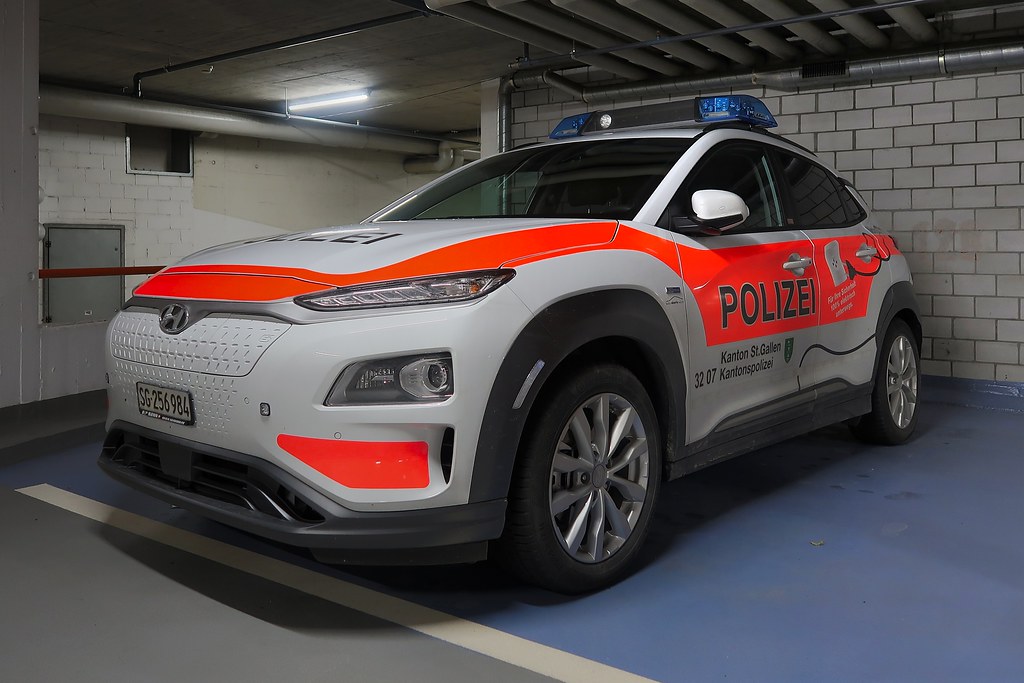
Hyundai Kona Electric vs Kia Sportage 2.0: Which Should You Buy in 2025?
Considering switching to an EV? This comprehensive comparison between the Hyundai Kona Electric and the Kia Sportage 2.0 will help you make the right decision for your wallet and lifestyle in South Africa. We’ve analysed purchase prices, running costs, maintenance expenses, and total cost of ownership over a realistic 5-year period.
📊 Quick Comparison Overview
| Feature | Hyundai Kona Electric | Kia Sportage 2.0 |
|---|---|---|
| Purchase Price | R850,000 | R700,000 |
| 5-Year Fuel Cost | R51,074 | R125,925 |
| 5-Year Maintenance | R15,000 | R40,000 |
| Total Cost of Ownership | R916,074 | R865,925 |
| Winner | Petrol wins by R50,149! | |
💰 The Real Cost: 5-Year Ownership Analysis
The numbers reveal an interesting story. While the Hyundai Kona Electric costs R850,000 upfront compared to the Kia Sportage 2.0’s R700,000, the running costs differ dramatically. However, the R150,000 purchase premium means the petrol vehicle comes out ahead financially over 5 years.
Understanding the Purchase Premium
The Hyundai Kona Electric’s R150,000 higher purchase price is the single biggest factor in this comparison. This upfront cost difference represents a significant barrier for many South African buyers, even when considering the lower running costs of electric vehicles.
Fuel Costs Breakdown
- Hyundai Kona Electric electricity cost: R10,215/year = R51,074 over 5 years
- Kia Sportage 2.0 petrol cost: R25,185/year = R125,925 over 5 years
- Fuel savings with EV: R74,851 over 5 years
At current South African electricity rates (averaging R2.50/kWh for home charging), the Kona Electric costs just R851 per month to “refuel” for typical driving. The Sportage 2.0, with petrol at approximately R24/litre, costs R2,099 per month—nearly 2.5 times more.
Maintenance Costs
- Hyundai Kona Electric: R15,000 (minimal—no oil changes, less brake wear)
- Kia Sportage 2.0: R40,000 (regular servicing, oil, filters, etc.)
- Maintenance savings with EV: R25,000
Electric vehicles require significantly less maintenance than petrol vehicles. The Kona Electric has no engine oil to change, no exhaust system to replace, and regenerative braking means brake pads last much longer. Over 5 years, this translates to R25,000 in savings—but it’s not enough to offset the purchase premium.
The Total Cost Reality
When you add everything up:
- Fuel savings: R74,851
- Maintenance savings: R25,000
- Total operational savings: R99,851
- Purchase premium: -R150,000
- Net difference: -R50,149 (petrol cheaper overall)
This means over 5 years, the Kia Sportage 2.0 costs R50,149 less to own and operate than the Hyundai Kona Electric, despite higher fuel and maintenance costs. The EV’s purchase premium simply hasn’t been recouped within this timeframe.
🎯 Who Should Buy the Hyundai Kona Electric?
The Hyundai Kona Electric is perfect for you if:
- 🌍 Environmental priority: Zero tailpipe emissions matter more than R50,149 over 5 years
- 📅 Longer ownership horizon: Planning to keep the vehicle beyond 5 years (savings continue accumulating)
- 🏠 Home charging available: Wake up to a “full tank” every morning for just R851/month
- 🌆 City/suburban driving: Perfect for the 484km range on a single charge
- 🔧 Low maintenance priority: Minimal servicing requirements and fewer breakdowns
- ⚡ Modern technology: Latest infotainment, over-the-air updates, advanced safety features
- 💡 Future-proofing: As petrol prices rise and EV prices fall, early adoption positions you well
🎯 Who Should Buy the Kia Sportage 2.0?
The Kia Sportage 2.0 makes sense if:
- 💵 Lower upfront cost needed: R150,000 cheaper to purchase—significant for financing
- 💰 5-year budget priority: R50,149 lower total cost over 5 years
- ⛽ Long-distance flexibility: Refuel anywhere in 5 minutes with petrol stations everywhere
- 🚗 Heavy towing/off-road: 2.0L engine provides proven capability
- 📍 Rural/remote areas: No charging infrastructure concerns
- 🔋 No home charging option: Petrol stations remain more accessible
- 👴 Familiar technology: Comfortable with traditional vehicle ownership
- 📊 Pure financial decision: Want the mathematically cheaper option over 5 years
💡 Key Decision Factors
Choose the Hyundai Kona Electric if you:
- ✅ Drive less than 484km per day on average
- ✅ Have access to home charging or workplace charging
- ✅ Value environmental impact over R50,149 in 5-year costs
- ✅ Prioritise lower monthly running costs (R851 vs R2,099 for fuel)
- ✅ Want zero tailpipe emissions
- ✅ Can manage the higher upfront cost
- ✅ Plan to keep the vehicle longer than 5 years
Choose the Kia Sportage 2.0 if you:
- ✅ Need maximum flexibility for long-distance travel
- ✅ Don’t have reliable charging access
- ✅ Drive more than 484km daily
- ✅ Need to minimise upfront costs
- ✅ Want the lowest 5-year total cost of ownership
- ✅ Prefer the familiarity of petrol stations
- ✅ Live in an area with limited charging infrastructure
🔋 Charging Infrastructure in South Africa
South Africa’s EV charging network is growing rapidly, with over 500 public charging points nationwide. Major cities like Johannesburg, Cape Town, Durban, and Pretoria have excellent coverage, with new stations opening monthly.
Home charging transforms the ownership experience: Installing a home charger (R15,000–R30,000) gives you a “full tank” every morning at a fraction of petrol costs. This convenience factor is difficult to quantify financially but significantly improves daily life for EV owners.
ChargePoint SA operates an extensive network of reliable charging stations across South Africa. Check our live EV charging map to see coverage in your area and plan long-distance trips with confidence.
📈 Long-Term Value and Break-Even Analysis
Over 5 years of ownership (15,000km/year):
- Total cost difference: Petrol cheaper by R50,149
- Monthly operational savings with EV: R1,664 (fuel + maintenance)
- Cost per kilometre—Hyundai Kona Electric: R12.21
- Cost per kilometre—Kia Sportage 2.0: R11.55
Break-even point: The Hyundai Kona Electric would break even with the Kia Sportage 2.0 at approximately 7.5 years of ownership (112,500km), assuming costs remain constant. If you plan to keep your vehicle longer, the EV becomes the more economical choice.
Factors That Could Change the Equation
Several variables could shift the financial balance:
- Petrol price increases: Every R1/litre increase saves EV owners approximately R800/year
- Electricity rate changes: Load-shedding and Eskom tariff hikes affect EV running costs
- Resale values: EV resale market still developing in South Africa
- Battery degradation: Kona Electric warranty covers 8 years/160,000km for battery
- Government incentives: Potential future EV purchase subsidies or tax breaks
🌍 Environmental Impact
By choosing the Hyundai Kona Electric over the Kia Sportage 2.0, you’ll prevent approximately 12,647kg of CO₂ from entering the atmosphere over 5 years—equivalent to planting roughly 575 trees.
Even accounting for South Africa’s coal-heavy electricity grid, EVs produce significantly fewer emissions over their lifetime than petrol vehicles. As our grid incorporates more renewable energy, this advantage will only increase.
🚘 Real-World Ownership Experiences
Understanding the day-to-day realities of owning each vehicle helps inform your decision beyond pure numbers. South African owners of both vehicles report distinct ownership patterns that affect satisfaction levels.
Hyundai Kona Electric Owner Insights
Current Kona Electric owners in South Africa consistently highlight the convenience of home charging as a major lifestyle benefit. Waking up to a “full tank” every morning eliminates petrol station visits entirely for daily commuting. The instant torque and quiet cabin create a premium driving experience that many owners say they didn’t anticipate valuing so highly.
However, owners also note that long-distance trips require more planning. While the 484km range handles most journeys comfortably, road trips to remote areas like the Drakensberg or Karoo require careful route planning around charging infrastructure. Weekend getaways to well-served destinations like the Garden Route or Kruger National Park pose no challenges.
Kia Sportage 2.0 Owner Insights
Sportage owners appreciate the vehicle’s versatility and the freedom of refuelling anywhere within minutes. The 2.0L engine provides adequate power for highway overtaking and handles fully-loaded family trips without strain. Owners frequently mention the peace of mind that comes from knowing they can refuel at any of South Africa’s thousands of petrol stations.
The trade-off comes in monthly running costs. Owners report that fuel expenses add up quickly, especially for those with longer commutes. Regular maintenance visits—oil changes every 15,000km, scheduled services, and occasional repairs—create ongoing time commitments that EV owners avoid entirely.
🔧 Maintenance Schedules Compared
The maintenance difference between these vehicles extends beyond cost to convenience and time investment.
Hyundai Kona Electric Maintenance
The Kona Electric requires minimal scheduled maintenance: tyre rotations, brake fluid changes every two years, and cabin air filter replacements. Most owners visit the service centre once per year. The regenerative braking system means brake pads often last the vehicle’s entire lifetime. No oil changes, no spark plugs, no exhaust system, no timing belts—the simplified drivetrain eliminates most traditional maintenance tasks.
Kia Sportage 2.0 Maintenance
The Sportage follows a traditional maintenance schedule: oil and filter changes every 15,000km, spark plug replacements, air filter changes, coolant flushes, transmission servicing, and timing belt replacement at specified intervals. Owners typically visit the service centre 2-3 times per year for routine maintenance, plus additional visits for wear items like brake pads and exhaust components.
💳 Financing Considerations
The R150,000 purchase price difference significantly impacts monthly finance payments. On a typical 72-month loan at 11.75% interest:
- Kia Sportage 2.0: Approximately R13,800/month
- Hyundai Kona Electric: Approximately R16,750/month
- Monthly payment difference: R2,950
However, when you factor in the R1,248 monthly fuel savings (R2,099 petrol vs R851 electricity), the effective monthly cost difference drops to approximately R1,702. For budget-conscious buyers, this R1,702/month difference over 6 years may determine which vehicle is financially feasible.
🏁 The Verdict
The Numbers Favour Petrol—But Consider Your Values
Financially, the Kia Sportage 2.0 wins over a 5-year ownership period, costing R50,149 less in total. This represents real money that could be invested elsewhere or used to reduce monthly expenses.
However, the decision isn’t purely financial:
- Choose the Kia Sportage 2.0 if you need the lowest 5-year total cost, maximum flexibility, or cannot install home charging
- Choose the Hyundai Kona Electric if environmental impact matters to you, you have home charging access, you plan to keep the vehicle beyond 5 years, or you value the convenience and technology of EV ownership
For many South African drivers, the R50,149 difference over 5 years (less than 6% of total ownership costs) is small enough that personal priorities—environmental responsibility, driving experience, or infrastructure access—should guide the decision.
💰 Calculate Your Own Savings
Want to see how these numbers change based on your specific driving habits, electricity rates, and annual kilometres? Use our EV Cost Savings Calculator to input your exact situation and get a personalised comparison.
🚗 Ready to Make the Switch?
If you’ve decided the Hyundai Kona Electric is right for you despite the higher 5-year cost, home charging installation is your next step. Get a free quote for professional EV charger installation anywhere in South Africa. Our certified installers ensure safe, compliant charging solutions that maximise your EV ownership experience.
Last updated: December 2024. All prices and costs based on current South African market rates and may vary by region.
Continue Reading
Deprecated: File Theme without comments.php is deprecated since version 3.0.0 with no alternative available. Please include a comments.php template in your theme. in /var/www/wordpress/wp-includes/functions.php on line 6085
Leave a Reply