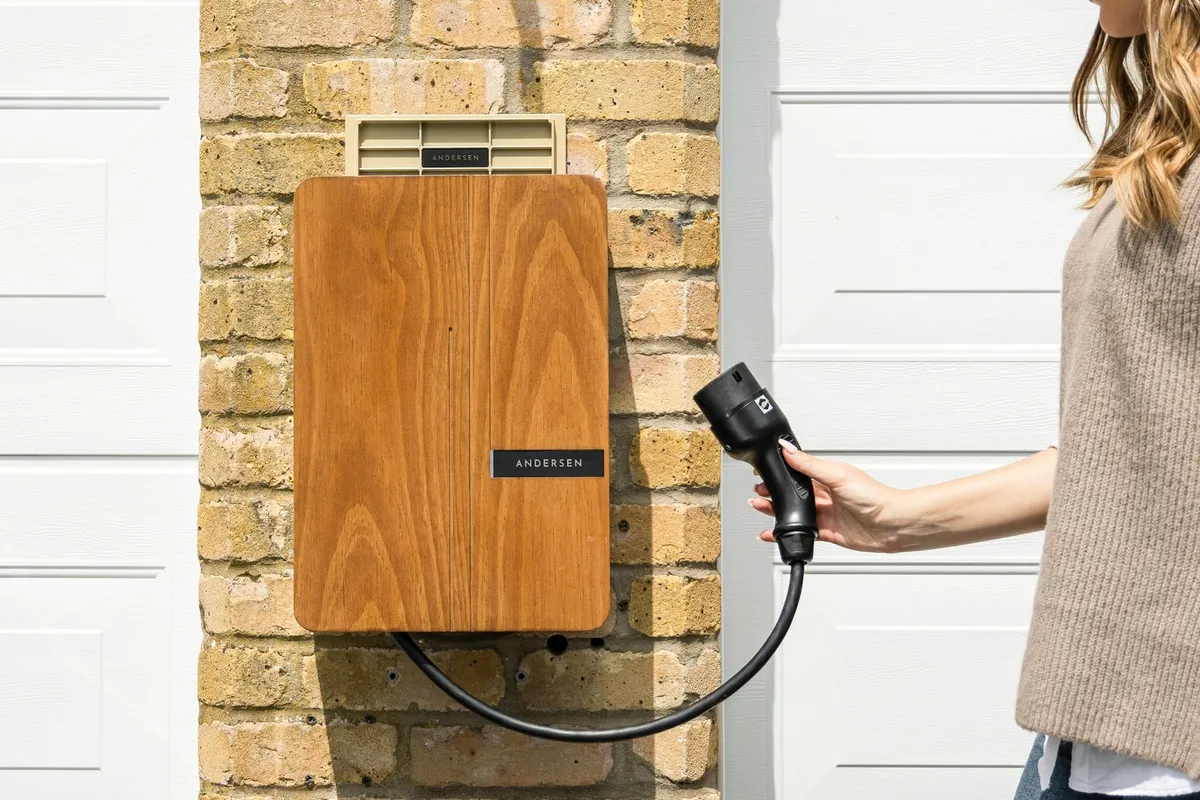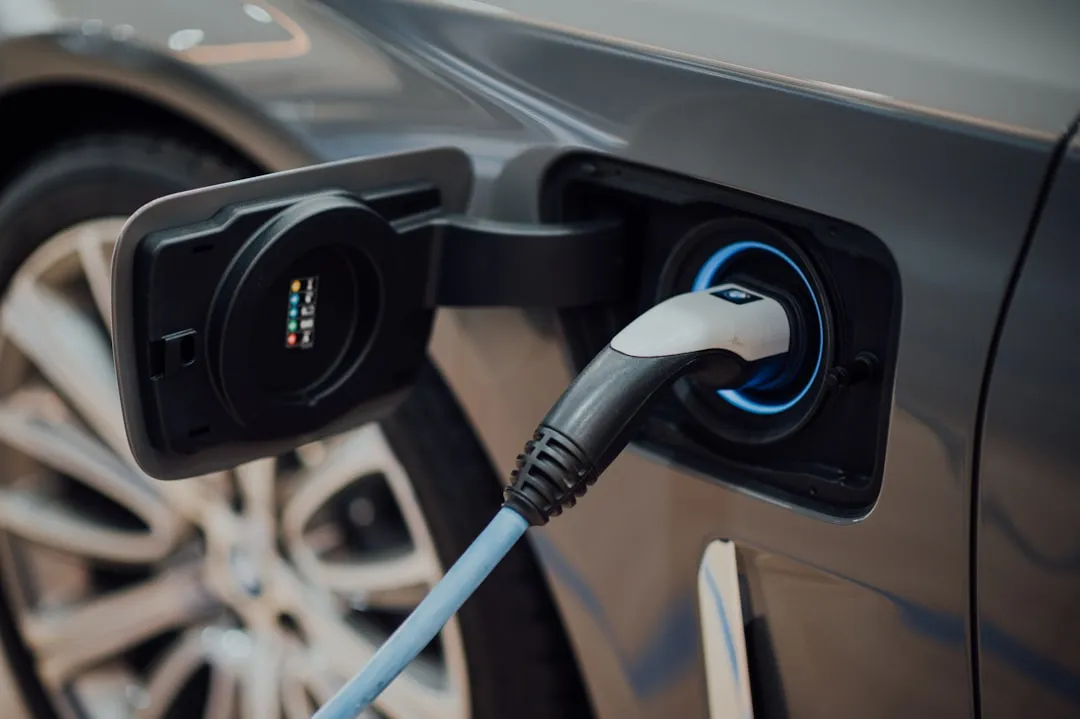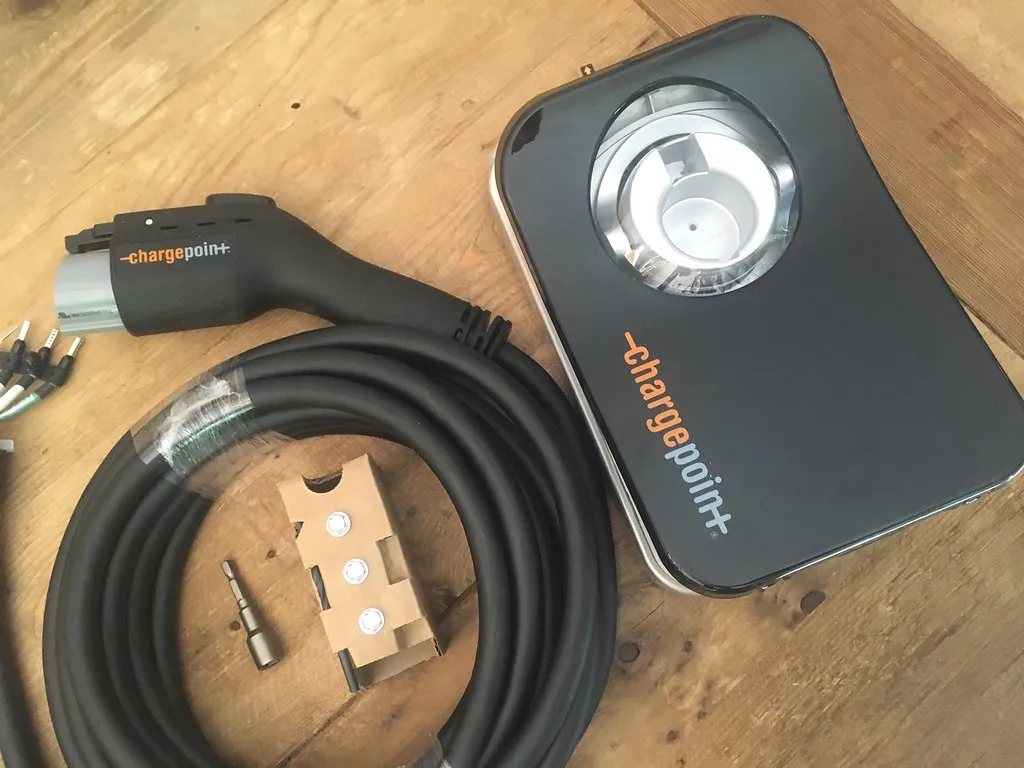

A 7kW home charger in Durban costs R15,000–R18,000 installed and pays for itself in six to twelve months — yet most buyers still wait until after delivery to book an electrician, losing weeks of fuel savings and the convenience of waking to a full battery every morning.
Installing a 7kW home EV charger in Durban costs R15,000–R18,000 on average, takes 4–6 hours, and pays for itself within 6–12 months through fuel savings. You need a dedicated 32A circuit, Certificate of Compliance, and a registered electrician. Smart chargers (R9,000–R12,000) are recommended for load-shedding management and solar integration. Home charging saves R18,000–R30,000 annually compared to petrol.
Key Facts:
- Installation cost: R11,800–R22,500 (most homes: R15,000–R18,000)
- Charging time: 8–9 hours for full charge overnight
- Annual fuel savings: R18,000–R30,000 vs petrol
- Certificate of Compliance legally required
- Professional installation essential (DIY illegal and voids insurance)
Installing an EV Charger in Durban: What You Need to Know
If you’re considering an electric vehicle in Durban, installing a home charger is the most important step you’ll take. While public charging infrastructure exists (GridCars operates 350+ stations across South Africa according to GridCars’ network map), the majority of EV charging happens at home. According to the U.S. Department of Energy, approximately 80% of EV charging occurs at home, with similar patterns observed in South Africa. Your home charger is your personal “petrol station” that you’ll use almost daily.
Why Home Charging is Essential in Durban
The Reality of EV Ownership
EV ownership is fundamentally different from petrol car ownership:
Petrol Car Reality:
- Weekly trips to petrol station
- 10–15 minutes per visit
- Often inconvenient timing
- Annual time wasted: ~9 hours
- Cost: R20,000–R40,000 annually
EV with Home Charging:
- Plug in when you arrive home (30 seconds)
- Charge overnight while you sleep
- Wake to “full tank” every morning
- Never visit charging station
- Cost with eThekwini rates: R4,000–R8,000 annually
Savings: R12,000–R32,000 per year on fuel alone
Understanding EV Charger Types
AC Chargers (Home Charging)
All home EV chargers in South Africa are AC (Alternating Current) chargers. Your EV’s onboard converter changes AC to DC to charge the battery.
Common Home Charger Speeds:
| Charger Type | Power | Charging Time (60kWh battery) | Best For |
|---|---|---|---|
| Standard Wall Plug | 2.3 kW | 26 hours | Emergency only (too slow) |
| 7kW Home Charger (Recommended) | 7 kW | 8–9 hours | Perfect for overnight charging |
| 11kW Home Charger | 11 kW | 5–6 hours | Faster charging (requires 3-phase power) |
| 22kW Home Charger | 22 kW | 3–4 hours | Fastest home charging (3-phase, rare in residential) |
Recommendation for Durban homes: 7kW charger is optimal for most residential properties. It fully charges any EV overnight (while you sleep), costs less to install, and works on standard single-phase power.
Installation Requirements in Durban
Electrical Requirements
To install a 7kW EV charger in your Durban home, you need:
1. Dedicated Circuit
- 32A circuit breaker required for 7kW charger
- Direct connection from your distribution board (DB)
- Cannot share circuit with other appliances
- 6mm² cable minimum (most installers use 10mm²)
2. Distribution Board Capacity
- Your DB must have available space for additional breaker
- Total amperage must accommodate 32A additional load
- Most modern Durban homes have 60A–80A supply (sufficient)
- Older homes may need DB upgrade
3. Parking Access
- Covered/secure parking with access to DB
- Maximum cable run: 25–30 metres (longer runs require thicker cable)
- Wall-mounted charger needs sturdy mounting surface
- IP rating weatherproofing for coastal Durban climate
4. Earth Leakage Protection
- Required by SANS 10142-1 electrical regulations
- 30mA RCD (Residual Current Device) mandatory
- Protects against electrical faults and shock
- Must be tested and certified
Legal and Compliance Requirements
Certificate of Compliance (CoC)
All EV charger installations in South Africa MUST include a Certificate of Compliance. This is not optional — it’s legally required and necessary for insurance purposes.
A valid CoC certifies that:
- Installation meets SANS 10142-1 standards
- All safety devices are correctly installed
- Circuit is properly sized and protected
- Earth leakage protection is functional
- Installation is safe for operation
Insurance Implications: Without a CoC, your home insurance may be void if an electrical fire occurs. Always insist on receiving your CoC after installation.
Installation Cost in Durban (2026)
Typical Installation Breakdown
| Component | Cost Range | Notes |
|---|---|---|
| 7kW EV Charger Unit | R6,000–R12,000 | Basic to smart charger with app control |
| Installation Labour | R3,000–R5,000 | Standard installation (10–15m cable run) |
| Materials (cable, breaker, conduit) | R2,000–R4,000 | Varies with distance from DB |
| Certificate of Compliance | R800–R1,500 | Legally required documentation |
| TOTAL (Standard Installation) | R11,800–R22,500 | Typical range for Durban homes |
Note on pricing: The R11,800–R22,500 range reflects the full spectrum from basic installations with entry-level chargers to premium smart chargers with complex installations. Most Durban homes with standard electrical setups and mid-range smart chargers fall in the R15,000–R18,000 range, representing approximately 65–70% of typical installations. This “most homes” segment includes properties with 10–15m cable runs, modern distribution boards requiring no upgrades, and quality 7kW smart chargers. The lower end (R11,800–R14,999) typically involves basic chargers or very short cable runs, while the upper end (R18,001–R22,500) includes premium smart chargers, longer cable runs, or minor electrical upgrades.
Additional Costs (if needed):
- DB upgrade: R2,000–R5,000
- Longer cable runs (>20m): R1,500–R3,000
- Trenching/drilling: R1,000–R3,000
- Carport/garage modifications: R2,000–R5,000
Return on Investment
Installation cost: R15,000–R18,000 average
Monthly fuel savings vs petrol: R1,500–R2,500
Payback period: 6–12 months
After the first year, you’re saving R18,000–R30,000 annually on fuel costs compared to a petrol vehicle.
Choosing a Qualified Installer in Durban
What to Look for in an EV Charger Installer
Not all electricians are qualified to install EV chargers. Here’s what to verify:
1. Proper Licensing and Certification
- Registered with the Department of Labour as electrical contractor
- Valid wireman’s licence or electrical engineering qualification
- Member of recognised electrical body (ECA, ECASA, etc.)
- Registered and able to issue Certificates of Compliance
2. EV Charging Specific Experience
- Previous EV charger installations (ask for references)
- Understanding of SANS 10142-1 specific to EV charging
- Knowledge of different EV charger brands and models
- Experience with smart charger configuration
3. Insurance and Guarantees
- Public liability insurance coverage
- Workmanship guarantee (minimum 12 months)
- Clear warranty terms for equipment and installation
- Written quotation with detailed scope of work
4. Local Durban Knowledge
- Familiarity with eThekwini building regulations
- Understanding of coastal climate requirements
- Experience with typical Durban residential electrical setups
- Quick response for service calls in KZN region
Red Flags to Avoid
DO NOT use an installer who:
- Cannot provide registration numbers and credentials
- Offers to install without Certificate of Compliance
- Quotes significantly below market rates (R8,000–R10,000 total — likely cutting corners)
- Refuses to provide written quotation
- Cannot explain technical aspects of installation
- Has no previous EV charger installation experience
- Suggests using standard wall plug instead of dedicated charger
The Installation Process: What to Expect
Step 1: Site Assessment (Day 1)
Professional installer will visit your Durban property to assess:
- Your distribution board capacity and condition
- Distance from DB to parking location
- Suitable mounting location for charger
- Cable routing requirements
- Any obstacles or special requirements
- Optimal charger placement
Duration: 30–60 minutes
Cost: Usually free with installation quote
Step 2: Quotation and Planning (Day 2–3)
Installer provides detailed written quotation including:
- Charger unit specification and cost
- Installation labour breakdown
- Materials list (cable, breakers, conduit, etc.)
- Certificate of Compliance fee
- Timeline for installation
- Payment terms
- Warranty information
Step 3: Installation Day (Day 4)
Typical installation timeline:
Hour 1–2: Electrical Work
- Install dedicated circuit breaker in DB
- Run cable from DB to charger location
- Install earth leakage protection
- Connect and terminate cables
Hour 3–4: Charger Mounting and Connection
- Mount charger on wall at optimal height
- Connect charger to dedicated circuit
- Test all connections and safety devices
- Configure smart charger settings (if applicable)
Hour 4–5: Testing and Commissioning
- Test earth leakage device functionality
- Verify correct voltage and amperage
- Test charging with your EV
- Demonstrate charger operation
- Set up smartphone app (smart chargers)
Hour 5–6: Documentation
- Issue Certificate of Compliance
- Provide user manual and warranty documents
- Explain maintenance requirements
- Answer questions about operation
Total Installation Time: 4–6 hours for standard installation
Step 4: Final Inspection and CoC (Same Day)
Before leaving, the installer must:
- Complete all electrical compliance tests
- Issue Certificate of Compliance
- Provide you with copy of CoC (keep this safe!)
- Submit CoC to municipality if required
- Photograph installation for records
Smart Chargers vs Basic Chargers
Basic Chargers
Cost: R6,000–R8,000
Features:
- Plug in and charge (no configuration needed)
- LED indicator lights show charging status
- Built-in safety features (overcurrent, earth leakage)
- Weatherproof housing
Best for: Budget-conscious buyers who want simple, reliable charging
Smart Chargers (Recommended)
Cost: R9,000–R12,000
Additional Features:
- Smartphone app control and monitoring
- Scheduled charging (charge during off-peak rates)
- Energy usage tracking
- Load management (prevents overloading circuit)
- Solar integration capabilities
- Firmware updates for new features
- Multiple user management
- Remote diagnostics
Best for: Most users — the R3,000 premium pays for itself through scheduled charging and load-shedding management
Why Smart Chargers Make Sense in Durban
Load-Shedding Management: Schedule charging to avoid load-shedding windows automatically
Solar Integration: If you have solar panels, smart chargers can prioritise solar charging during the day
Off-Peak Charging: Programme charger to only charge during cheapest eThekwini electricity rates
Usage Tracking: Monitor exactly how much you’re spending on charging vs what you spent on petrol
Durban-Specific Considerations
Coastal Climate Protection
Durban’s humid coastal climate requires special attention:
IP Rating Requirements:
- Minimum IP54 rating for outdoor installation
- IP65 recommended for exposed coastal locations
- Corrosion-resistant mounting hardware
- Sealed cable entries
Salt Air Considerations:
- Stainless steel or powder-coated mounting brackets
- Regular inspection of connections (annually)
- Quality cable glands to prevent moisture ingress
eThekwini Municipality Regulations
Electrical Installation Regulations:
- All installations must comply with SANS 10142-1
- Certificate of Compliance mandatory
- Some areas require municipality notification
- Check with installer regarding specific suburb requirements
Complex/Estate Rules:
- Body corporate approval may be required
- Aesthetic guidelines (charger colour, placement)
- Cable routing restrictions
- Common property access permissions
Load-Shedding Resilience
Charging Strategy for Load-Shedding:
- Most EVs need 7–8 hours to fully charge
- Even at Stage 6, you have 12+ hours of power daily
- Smart chargers can schedule charging between load-shedding
- Solar + battery systems enable daytime charging
Reality Check: Load-shedding is not a barrier to EV ownership. With smart charging and typical EV range (400km), you’ll rarely notice load-shedding’s impact on charging.
Solar Integration for Durban Homes
Why Solar + EV Makes Perfect Sense in Durban
Durban receives abundant sunshine year-round, making solar + EV combination highly effective:
Benefits:
- Charge your EV with free solar energy
- Reduce fuel costs to near-zero
- Energy independence from grid and load-shedding
- Use excess solar that would otherwise feed to grid at low rates
Solar System Sizing for EV Charging:
- 5kW solar system: Generates approximately 20–25kWh daily in Durban (summer peak), 15–18kWh in winter, adding 80–100km EV range on optimal summer days and 60–75km in winter
- 8kW solar system: Generates approximately 32–40kWh daily (summer), 24–29kWh (winter), adding 130–150km EV range on optimal summer days and 95–115km in winter
- 10kW+ system: Full household power + complete EV charging year-round
Note: Actual generation varies significantly with seasonal sun angles, cloud cover, and system orientation. Durban’s coastal climate provides excellent year-round solar potential according to Global Solar Atlas data, but winter generation is typically 25–30% lower than summer peaks. The ranges above account for Durban’s seasonal variation in solar irradiance.
Coordinate Installation: If you’re planning solar, coordinate EV charger installation to ensure compatibility and optimal setup.
Maintenance and Ongoing Costs
Annual Maintenance Requirements
Minimal Maintenance Needed:
- Visual inspection: Monthly (check for damage, loose cables)
- Professional inspection: Annually (R500–R800)
- Cable and connector check: Every 6 months
- Clean charger exterior: As needed (coastal salt spray)
What Professional Inspection Includes:
- Test earth leakage device
- Check all electrical connections
- Verify correct voltage and amperage
- Inspect cable for wear or damage
- Test charger functionality
- Update smart charger firmware if available
Total Annual Maintenance Cost: R500–R1,000
Electricity Cost (eThekwini Rates 2026)
Based on eThekwini Municipality rates (R2.13–R3.33/kWh):
| Monthly Driving | Energy Used | Monthly Cost | Petrol Equivalent | Monthly Savings |
|---|---|---|---|---|
| 500 km | 90 kWh | R192–R300 | R1,125 | R825–R933 |
| 1,000 km | 180 kWh | R384–R599 | R2,250 | R1,651–R1,866 |
| 1,500 km | 270 kWh | R576–R899 | R3,375 | R2,476–R2,799 |
Assumes 18kWh/100km efficiency and R22.50/L petrol with 10L/100km consumption
FAQ
Can I Install a Charger in My Apartment?
Yes, but it requires:
- Body corporate approval
- Dedicated parking bay
- Access to DB or sub-meter
- Agreement on electricity billing
Many Durban complexes are now EV-ready or approving installations. Contact your body corporate early in the process.
How Long Does Installation Take?
Site assessment: 30–60 minutes
Quotation: 1–3 days
Installation: 4–6 hours
Total process: 1–2 weeks from initial contact
Can I Install the Charger Myself?
No. South African law requires all electrical work to be performed by registered electricians who can issue Certificates of Compliance. DIY installation:
- Voids your home insurance
- Is illegal without proper credentials
- Cannot obtain required CoC
- Poses serious safety risks
What Warranty Should I Expect?
Charger Unit: 2–3 years manufacturer warranty
Installation Workmanship: Minimum 12 months (quality installers offer 24 months)
Materials: Typically same as workmanship warranty
Does Load-Shedding Affect EV Charging?
Load-shedding has minimal impact on EV charging:
- EVs typically need 7–8 hours to fully charge
- Even Stage 6 provides 12+ hours daily power
- Smart chargers schedule charging between outages
- Most charging happens overnight when load-shedding is less frequent
Reality: Durban EV owners report load-shedding rarely affects their charging routine.
Professional EV Charger Installation in Durban
Why Choose ChargePoint SA
ChargePoint SA specialises in EV charger installations across Durban and KwaZulu-Natal:
Our Services:
- Free site assessment and quotation
- Fully licensed and registered electricians
- Certificate of Compliance included
- Full workmanship warranty
- Smart charger installation and configuration
- Solar integration planning
- Same-week installation available
- Load-shedding-optimised setup
- Ongoing support and maintenance
Service Areas in Durban:
- Umhlanga and surrounding areas
- Durban CBD and Berea
- Westville and surrounding suburbs
- North Coast (Ballito, uMhlali, Salt Rock)
- South Coast (Amanzimtoti, Scottburgh)
- Hillcrest and Upper Highway
- Pietermaritzburg and surrounding areas
Next Steps: Getting Your EV Charger Installed
1. Calculate Your ROI
Use our EV Cost Calculator to see exactly how much you’ll save annually with home charging versus petrol costs.
2. Schedule Site Assessment
Request a free site assessment from ChargePoint SA. We’ll visit your Durban property, assess your electrical setup, and provide a detailed installation quotation.
3. Choose Your Charger
We’ll help you select the right charger for your needs:
- Basic 7kW charger: Simple, reliable, budget-friendly
- Smart 7kW charger: App control, scheduling, solar integration
- 11kW charger: Faster charging (if you have 3-phase power)
4. Schedule Installation
Most Durban installations scheduled within 1 week of quotation approval. Installation completed in single day (4–6 hours).
5. Start Charging
After installation, you’ll:
- Receive Certificate of Compliance
- Get complete user training
- Have warranty documentation
- Start saving money immediately
6. Explore Public Charging Options
While home charging handles 80%+ of your needs according to industry data, it’s useful to know where public chargers are located for longer trips. Check our live EV charging map to find GridCars and other public charging stations across Durban and South Africa.
Conclusion: Home Charging is Essential for EV Ownership
If you’re buying an EV in Durban, professional home charger installation is not optional — it’s essential. While public charging exists as backup, the majority of EV charging happens at home according to U.S. Department of Energy research showing approximately 80% of charging occurs at home. Your home charger is your personal “petrol station” that you’ll use almost daily.
Key Takeaways:
- 7kW charger perfect for overnight charging in Durban
- Installation cost: R11,800–R22,500 (most homes R15,000–R18,000)
- ROI: 6–12 months through fuel savings
- Must include Certificate of Compliance
- Smart chargers recommended for load-shedding management
- Solar integration maximises savings
- Professional installation essential for safety and compliance
Don’t wait until after buying your EV — start the charger installation process now. Most installations take 1–2 weeks from initial contact to completion, and you’ll want your charger ready when your EV arrives.
Ready to install your EV charger? Get your free quote from ChargePoint SA — Durban’s trusted EV charger installation specialists. Full compliance, certified installation, ongoing support. You can also explore our live charging station map to see public charging infrastructure availability across South Africa.