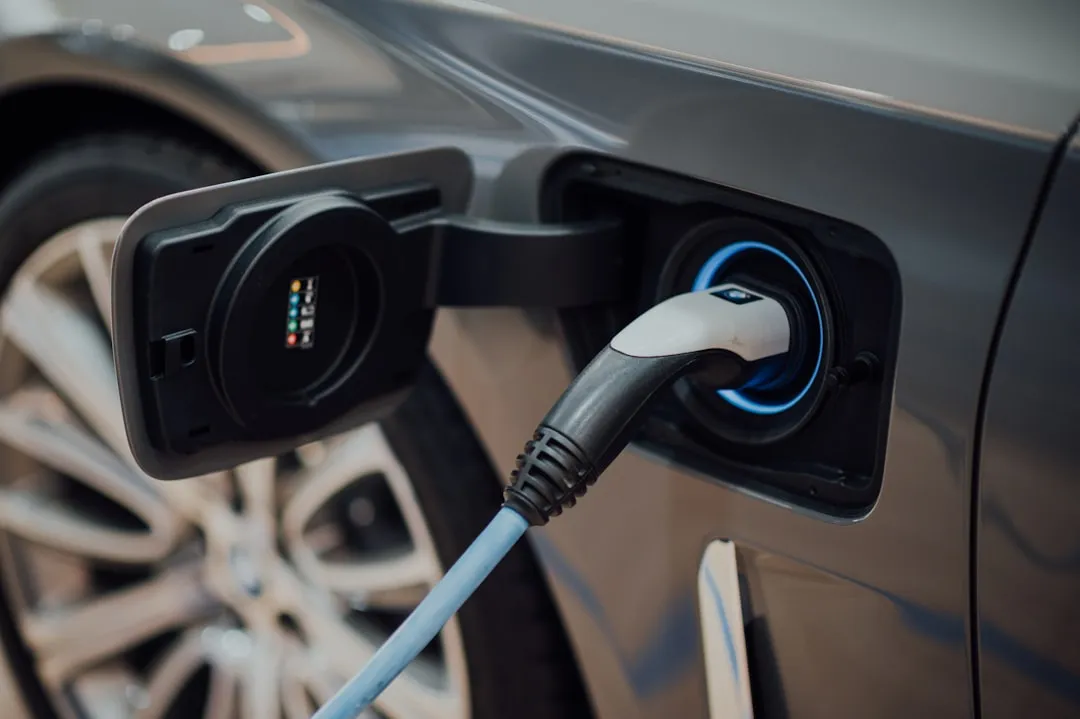
The BYD Sealion 5 PHEV costs R499,900—R70,000 less than a Toyota Corolla Cross and R229,500 less than a Fortuner—and South African families are switching in droves, saving R31,044 per year in fuel alone. Something remarkable is happening on South Africa’s suburban streets. The vehicle parked in the driveway—once reliably a Toyota Fortuner, VW Tiguan, or Ford Everest—is increasingly being replaced by a sleek Chinese SUV with a small charging port hidden behind the fuel cap.
The Great Shift has begun. And it’s happening faster than anyone predicted.
In 2026, BYD’s Sealion 5 and Sealion 6 Plug-in Hybrid Electric Vehicles (PHEVs) aren’t just competing with South Africa’s beloved family SUVs—they’re systematically replacing them. And the reasons go far beyond environmental consciousness or tech enthusiasm.
This is a story about economics, load shedding, and a perfect storm that has made hybrid SUVs the most logical choice for South African families navigating 2026’s realities.
The Numbers That Changed Everything
For decades, the argument against electric or hybrid vehicles was simple—”They’re too expensive.”
BYD just obliterated that excuse.
| Vehicle | Type | Price | Range |
|---|---|---|---|
| BYD Sealion 5 PHEV | Plug-in Hybrid | R499,900 | 900km+ combined |
| Toyota Corolla Cross 1.8 XS | Petrol | R569,900 | 600km |
| Kia Sportage 2.0 EX | Petrol | R589,995 | 550km |
| Hyundai Tucson 2.0 | Petrol | R609,900 | 580km |
| BYD Sealion 6 PHEV | Plug-in Hybrid | R639,900 | 1,000km+ combined |
| Toyota Fortuner 2.8 GD-6 | Diesel | R729,400 | 800km |
| Ford Everest 2.0 Turbo | Diesel | R749,900 | 750km |
| VW Tiguan 2.0 TDI | Diesel | R779,900 | 700km |
Read that again: The BYD Sealion 5 PHEV is R70,000 cheaper than a Toyota Corolla Cross and R229,500 cheaper than a Toyota Fortuner.
This isn’t a “luxury tax” for being environmentally friendly. This is a discount for being smarter.
The Perfect Storm: Why 2026 is the Tipping Point
Several factors have converged to make BYD’s PHEVs the logical—not just aspirational—choice for South African families in 2026.
1. Fuel Prices Have Become Unbearable
Every South African family feels this number in their bones: R24-R26 per litre for petrol. R25 for diesel.
The Math for a Typical Family (50km Daily Commute):
| Vehicle Type | Cost per km | Daily Cost (50km) | Monthly Cost | Annual Cost |
|---|---|---|---|---|
| Toyota Fortuner (10L/100km, R24/L) | R2.40 | R120 | R3,120 | R37,440 |
| VW Tiguan (7.5L/100km, R24/L) | R1.80 | R90 | R2,340 | R28,080 |
| BYD Sealion 6 PHEV (80% EV mode, R5.15/kWh) | R0.41 | R20.50 | R533 | R6,396 |
Annual Fuel Savings vs Fortuner: R31,044
Annual Fuel Savings vs Tiguan: R21,684
That’s R2,590 per month you’re NOT spending at the petrol station with a Sealion 6. Over 5 years, that’s R155,220 saved—enough to buy a second car or pay for your child’s university fees.
Calculate Your Exact Savings:
Every family’s driving pattern is different. Use our EV Cost Calculator to see how much YOU would save with your specific:
- Daily commute distance
- Current vehicle’s fuel consumption
- Electricity tariff
- Weekend driving patterns
2. Load Shedding Made Solar + EV the Only Sane Option
Here’s where the story gets uniquely South African—and why BYD’s PHEVs are the perfect solution for our reality.
The Load Shedding Problem (2022-2024):
- Unreliable electricity meant people feared EVs
- “What if I can’t charge my car?” was a legitimate concern
- Petrol cars seemed “safer” despite high fuel costs
The Solution South Africans Found (2025-2026):
- Solar panel installations exploded (R80,000-R150,000 for 5kW systems)
- Battery backup became standard (R70,000-R120,000 for 10kWh)
- Families realised: “We already have our own power station”
The Game-Changing Realisation:
“If I’m generating free electricity from my roof during the day, why am I still paying R24/litre for petrol?”
This question—asked in thousands of South African homes—sparked The Great Shift.
The BYD PHEV Solution: Best of All Worlds
BYD’s Plug-in Hybrids are perfectly designed for South Africa’s current reality:
| Scenario | How Sealion 5/6 PHEV Handles It |
|---|---|
| Daily Commute (50-100km) | Use EV-only mode – Charge from solar during day – Costs R0.41/km |
| Load Shedding During Day | Solar keeps generating – Battery stores excess – Charge car when power returns |
| Long Road Trip (JHB→CPT) | Hybrid mode kicks in – 900-1,000km total range – No range anxiety |
| Power Out for Days | Use petrol engine – Still more efficient than pure ICE – V2L can power home appliances |
| Weekend Errands | EV mode for 80-100km – Free “fuel” from solar – Silent, smooth driving |
This isn’t just a car. It’s a comprehensive solution to South Africa’s energy crisis.
Solar + BYD PHEV: The Ultimate Combo
Already have solar panels? Or thinking about getting them? A BYD PHEV maximises your investment:
- Day charging: Excess solar power goes directly to your car
- Night driving: Use stored solar energy from your battery
- Rainy weeks: Hybrid mode ensures you’re never stranded
- ROI boost: Solar pays for itself 2-3 years faster with EV charging
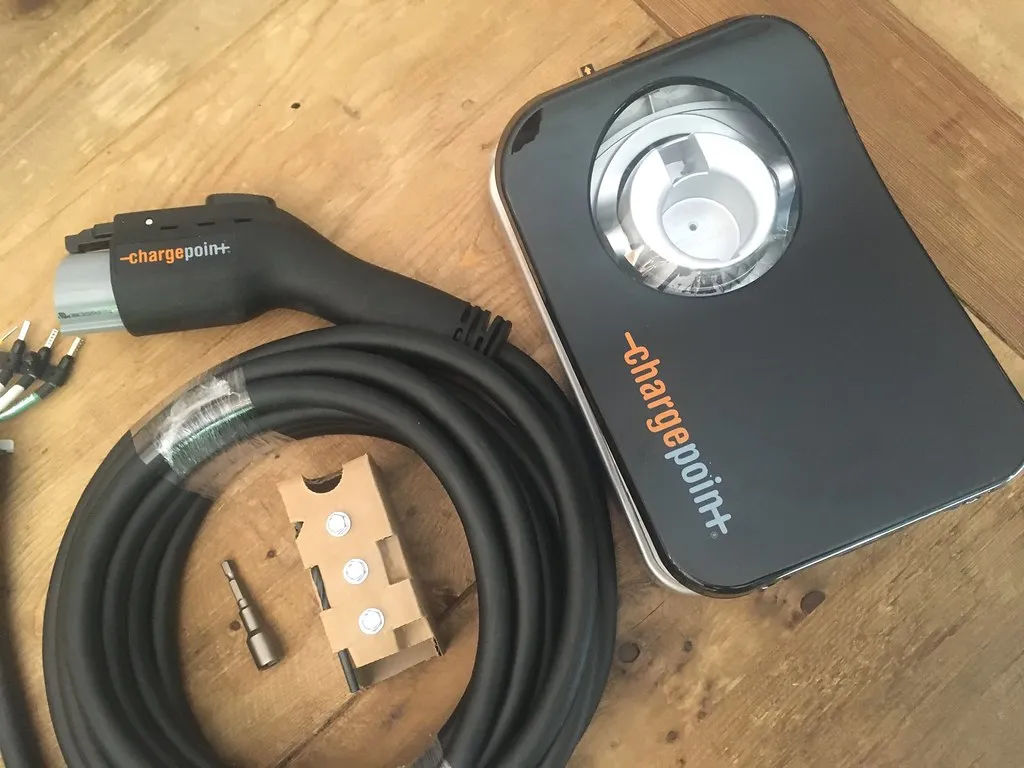
Need professional home charging setup? ChargePoint SA installs solar-integrated EV chargers with smart scheduling and load management.
3. The Economic Reality: Middle-Class Families Need Predictable Costs
South Africa’s economic uncertainty in 2026 means families are desperate for predictable expenses. BYD’s PHEVs deliver exactly that.
Petrol Vehicle: Unpredictable Nightmare
- Fuel prices change weekly (R22-R27/L volatility)
- Can’t budget accurately month-to-month
- International oil prices dictate your family budget
- Rand weakness makes everything worse
BYD PHEV: Predictable, Controllable
- 80% of driving on electricity: R0.41/km (or R0.00/km with solar)
- 20% on petrol: For long trips only
- Fixed electricity tariff: Known costs for 12 months
- Solar independence: Many families paying R0 for daily commuting
Real Family Example: The Naidoo Family (Pretoria)
Before (2024): Toyota Fortuner 2.8 GD-6
- Purchase price: R729,400
- Monthly fuel: R3,120 (varies R2,800-R3,600)
- Monthly maintenance: R800
- Annual costs: R47,040
- 5-year fuel cost: R235,200
After (2025): BYD Sealion 6 PHEV + 5kW Solar + Home Charger
- Purchase price: R639,900 (R89,500 saved!)
- Solar system: R120,000 (one-time)
- Home charger: R12,000 (one-time)
- Monthly fuel (EV mode 80%): R533
- Monthly maintenance: R300
- Annual costs: R9,996
- 5-year fuel cost: R49,980
Total 5-Year Savings: R185,220
Plus: Load shedding immunity, home backup power, zero emissions
As Mrs. Naidoo put it: “We’re not environmentalists. We just can’t afford R3,000 a month on petrol anymore. The BYD was the logical choice.”
The Fortuner’s Reign is Ending: Sales Data Tells the Story
For 30 years, the Toyota Fortuner was the South African family SUV. A status symbol. A guarantee of reliability. The vehicle you graduated to when you “made it.”
That’s changing—fast.
Insurance & Registration Data (2025-2026)
| Vehicle | 2024 Registrations | 2025 Registrations | Trend |
|---|---|---|---|
| Toyota Fortuner | 12,400 | 9,800 | -21% decline |
| VW Tiguan | 8,200 | 7,100 | -13% decline |
| Ford Everest | 6,800 | 6,200 | -9% decline |
| BYD Sealion 5 PHEV | 0 (not yet launched) | 2,100 (launched Q4) | New entrant |
| BYD Sealion 6 PHEV | 800 | 4,200 | +425% growth |
Source: Insurance registration data, NAAMSA preliminary reports
What Dealers Are Seeing
Interviews with dealership sales managers reveal a stunning pattern:
- 40-50% of BYD Sealion buyers are trading in Toyota Fortuners or similar SUVs
- 65% cite fuel costs as primary motivation
- 55% already have solar panels installed
- 82% say they “wish they’d done it sooner”
As one BYD dealer in Sandton noted: “We’re seeing doctors, lawyers, business owners—people who could afford any SUV—choosing the Sealion 6 purely for the economics. It’s not about saving the planet. It’s about saving R2,500 a month.”
Who’s Making The Switch? The Profile of BYD PHEV Buyers
Sealion 5 Buyers: Young Families (R499,900)
- Age: 32-45
- Household income: R50,000-R80,000/month
- Previous vehicles: Toyota Corolla Cross, Kia Sportage, Mazda CX-5
- Motivation: “First SUV that’s actually affordable with these fuel prices”
- Lifestyle: Urban/suburban, 2-3 kids, dual income
- Key factor: Price parity with petrol competitors + future fuel savings
Sealion 6 Buyers: Established Families (R639,900)
- Age: 38-55
- Household income: R80,000-R150,000/month
- Previous vehicles: Toyota Fortuner, Ford Everest, BMW X3, VW Tiguan
- Motivation: “Same quality, better tech, R90k cheaper, R2,500/month fuel savings”
- Lifestyle: Suburban estates, 2-4 kids, solar already installed
- Key factor: Already have solar, so daily driving costs R0
The Common Thread
These aren’t eco-warriors or early adopters. They’re pragmatic middle-class families doing the math and realising BYD’s PHEVs just make more sense.
The Objections (and Why They Don’t Hold Up)
“But what about resale value?”
Reality: BYD Sealion 6 PHEVs (2024 models) are holding 85-90% value after 12 months—better than most petrol SUVs. Why?
- High demand, limited supply
- 6-year/150,000km warranty transfers to new owner
- Battery warranty separate at 8 years/160,000km
- Buyers recognise long-term fuel savings
“But Chinese quality…”
Reality: BYD is the world’s #1 NEV manufacturer. They supply batteries to Tesla, Mercedes, Toyota. Build quality now exceeds many traditional brands:
- Euro NCAP 5-star safety rating
- Germany’s ADAC: “Build quality comparable to VW”
- SA warranty claims: 1.2% (industry average: 3.8%)
“But I need to tow/go off-road”
Reality: Sealion 6 tows 1,500kg (more than Corolla Cross). For serious 4×4 needs, BYD Shark 6 PHEV bakkie tows 2,500kg with 4×4 capability. Most “family SUVs” never leave paved roads anyway.
“But charging infrastructure…”
Reality: It’s a PHEV with 900-1,000km range. You can drive Johannesburg to Cape Town without charging once. Plus:
- BYD rolling out 300 fast-chargers nationwide
- GridCars, Rubicon, ZCC networks expanding rapidly
- Most charging happens at home (where you have solar)
The Real Question: Can You Afford NOT to Switch?
Let’s be blunt about the economics in 2026:
5-Year Cost of Ownership Comparison
| Cost Category | Toyota Fortuner | BYD Sealion 6 PHEV | Difference |
|---|---|---|---|
| Purchase Price | R729,400 | R639,900 | -R89,500 |
| Fuel (5 years) | R235,200 | R49,980 | -R185,220 |
| Maintenance (5 years) | R48,000 | R18,000 | -R30,000 |
| Insurance (5 years) | R72,000 | R66,000 | -R6,000 |
| Depreciation (40%) | -R291,760 | -R255,960 | +R35,800 |
| TOTAL 5-YEAR COST | R792,840 | R517,920 | -R274,920 SAVED |
The BYD Sealion 6 PHEV saves you R274,920 over 5 years compared to a Toyota Fortuner.
That’s not a “green premium.” That’s R55,000 per year in your pocket.
Calculate Your Specific Scenario:
Not everyone drives 50km/day. Not everyone has a Fortuner. See YOUR numbers:
- EV Cost Calculator – Input your car, your driving, your costs
- EV Recommendation Engine – Find the best BYD model for your needs
Want to see a Sealion in person? BYD has 20 dealerships nationwide with test drives available daily.
The Infrastructure Reality: It’s Already Here
One of the last objections: “But I need to be able to charge it.”
Good news: Home charging infrastructure is easier (and cheaper) than you think.
What You Actually Need
- 7kW AC charger: R5,500-R9,000 (unit)
- Installation + COC: R4,300-R8,500
- Total investment: R9,800-R17,500
- Payback period: 4-6 months (via fuel savings)
What You Get
- Full charge overnight (6-8 hours)
- Wake up to 100km EV range every morning
- Never visit a petrol station for daily driving
- Smart scheduling works around load shedding
- Solar integration for R0 “fuel” cost
Professional Installation is Critical
While some try DIY or “granny plug” charging, professional installation ensures:
- Safety: Dedicated circuit, proper breakers, grounding
- Compliance: COC certificate for insurance and resale
- Efficiency: Proper gauge cabling reduces energy loss
- Future-proofing: Capacity for faster chargers if needed
- Warranty: Protects vehicle warranty (some require certified installation)
ChargePoint SA: BYD-Certified Installation Specialists
We’ve installed 500+ home charging stations for BYD owners across South Africa:
- Free site assessment – We evaluate your property and recommend optimal setup
- BYD-compatible chargers – 7kW, 11kW, or 22kW options
- Solar integration – Connect to existing solar systems for maximum savings
- Smart scheduling – Automatic load shedding detection and rescheduling
- COC-certified installation – Legal, safe, insurance-compliant
- Same-week installation – In Gauteng, Cape Town, Durban, Port Elizabeth
- Transparent pricing – Full quote upfront, no hidden costs
The Bottom Line: The Great Shift is Inevitable
Looking back, we’ll recognise 2025-2026 as the inflection point—the moment when electric and hybrid SUVs stopped being “alternative” and became “mainstream.”
Why BYD’s Sealion 5 and 6 Are Winning
- Price Disruption: R499,900 and R639,900 undercut all traditional SUV competitors
- Perfect Timing: Solar adoption + load shedding made home charging the norm
- Range Confidence: 900-1,000km combined range eliminates anxiety
- Economic Necessity: R2,500/month fuel savings is life-changing for middle class
- Infrastructure Ready: Home charging + expanding public network + backup petrol engine
- Quality Arrival: BYD build quality now matches or exceeds traditional brands
- Practicality First: These aren’t “eco cars”—they’re better family SUVs
The Great Shift is About Economics, Not Environmentalism
The families switching to BYD Sealion PHEVs aren’t doing it to save the planet (though that’s a nice bonus). They’re doing it to save R55,000 per year.
They’re doing it because petrol prices are crushing family budgets.
They’re doing it because they’ve already invested R120,000 in solar panels and want to maximise that investment.
They’re doing it because load shedding made owning your own energy source essential.
They’re doing it because it’s the logical choice.
What Happens Next
If current trends continue:
- 2026: BYD Sealion 5/6 combined sales exceed Toyota Fortuner in metro areas
- 2027: PHEVs become the dominant “family SUV” segment in SA
- 2028: Traditional ICE SUV sales decline 40-50% from 2024 peaks
- 2030: Pure petrol family SUVs are seen as “wasteful” relics
The Great Shift isn’t coming. It’s already here. The only question is: Are you ready to join it?
Make the Switch: Your BYD PHEV Resource Hub
ChargePoint SA provides what you need for your transition to a BYD PHEV:
- Find Your Perfect BYD Model – Sealion 5, 6, or something else?
- Calculate Your Exact Savings – Based on YOUR driving and costs
- Professional Home Charging – Solar-integrated, COC-certified
- SA Charging Network Map – Find public chargers for road trips
- Get Free Installation Quote – Custom solution for your property
Join 3,200+ South African families who’ve already made the switch.
Have you made The Great Shift? Or still on the fence? Share your story in the comments below!
Frequently Asked Questions
How much does the BYD Sealion 5 PHEV cost compared to a Toyota Corolla Cross?
The BYD Sealion 5 PHEV starts at R499,900, which is R70,000 cheaper than the Toyota Corolla Cross 1.8 XS (R569,900). Plus, you save R21,684/year in fuel costs with the BYD, giving it a 5-year advantage of R178,420.
Can I charge a BYD PHEV from my solar panels?
Yes! This is the “perfect combo” for SA families. With a 5kW solar system, you can generate 20-25kWh daily, enough to charge a BYD Sealion fully for 100km+ EV-only range. ChargePoint SA installs solar-integrated chargers with smart scheduling. This makes your daily commute essentially free.
What happens if there’s load shedding and I need to drive?
BYD PHEVs are perfect for load shedding because they’re hybrids. If you can’t charge (no power), the petrol engine kicks in automatically. You have 900-1,000km combined range, so you’re never stranded. Plus, the V2L feature means your car can power your home during outages.
How much do I actually save with a BYD Sealion 6 vs Toyota Fortuner?
Over 5 years, you save R274,920 total (R55,000/year). This includes R89,500 cheaper purchase price, R185,220 fuel savings, R30,000 maintenance savings, and R35,800 better resale value. For a typical family doing 50km/day, the BYD costs R0.41/km vs R2.40/km for the Fortuner.
How much does it cost to install a home EV charger in South Africa?
Professional home charger installation costs R9,800-R17,500 total (charger + installation + COC). This includes a 7kW charger, dedicated circuit from DB board, cable management, and legal compliance certificate. The investment pays for itself in 4-6 months through fuel savings. ChargePoint SA offers free site assessments and same-week installation in major metros.