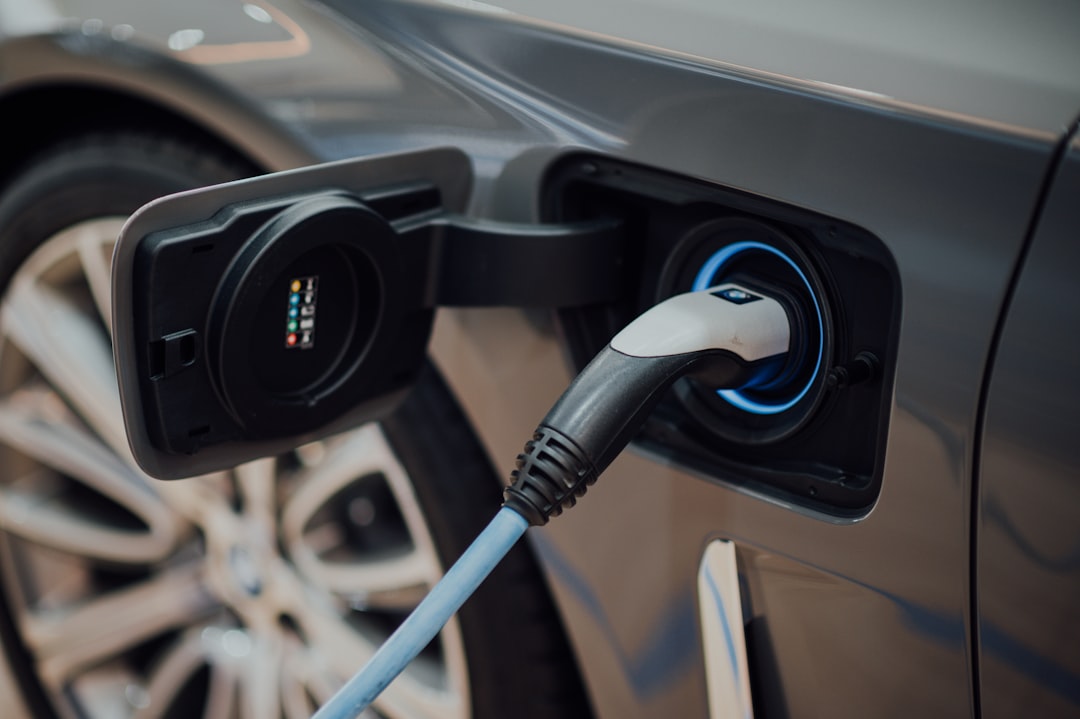
April 2026 Petrol Price Hike: How Much South Africans Save by Switching to an EV Right Now
Petrol 95 inland hit R23.36 per litre on 1 April 2026 — a R3.06 jump in a single month. That is not a rounding error.
Following the United States’ initiation of war against Iran in late February, retaliatory strikes and the closure of the Strait of Hormuz sent global oil prices soaring past $100 a barrel, while investors pulled out of riskier markets, hammering the rand.
The result?
One of the largest month-to-month increases in South African fuel price history.
And if you are still driving a petrol car, you are paying for every barrel of it.
The market has noticed.
AutoTrader South Africa CEO George Mienie revealed that search queries for fully electric models on the platform increased by 45% month-on-month, with EV sales growing by 10% over the same period.
People are not just venting on Twitter — they are actually shopping for alternatives. So let us do what everyone is too busy (or too angry) to do themselves: the actual maths.
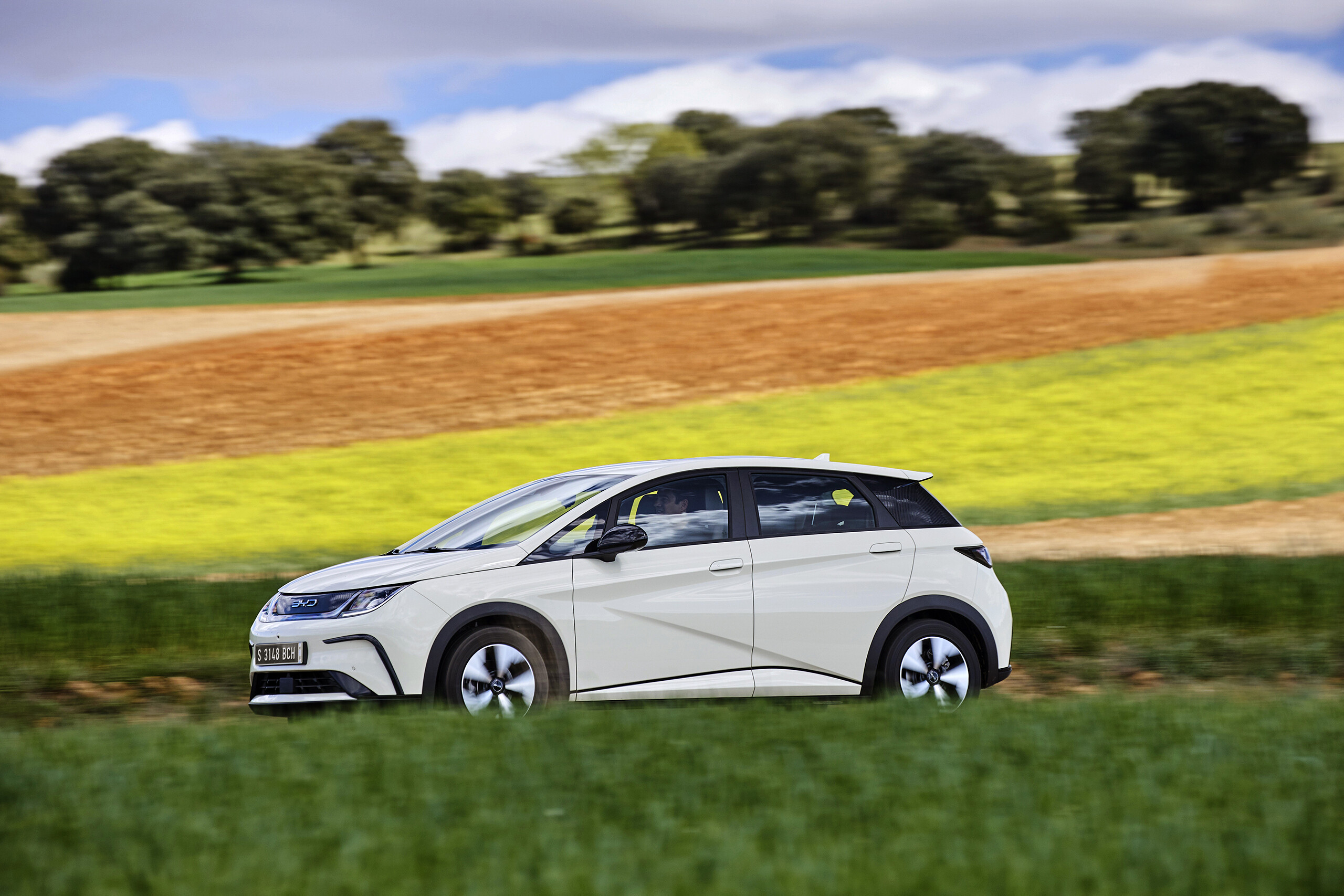
If you are the average South African driver covering 1,500 km per month in a car that drinks 8 litres per 100 km, you are now spending R2,803 every month just on petrol. Switch to a BYD Dolphin Surf and that figure collapses to around R662 per month at the standard Eskom tariff of R3.20/kWh. That is a monthly saving of R2,141 — or R25,692 a year. Before you accuse us of cherry-picking numbers, use our EV calculator to plug in your own figures and see exactly what your car is costing you.
Why April 2026 Is the Tipping Point Everyone Was Waiting For
The government did throw motorists a bone —
a temporary reduction in the fuel levy of R3.00 per litre was introduced from 1 April to 5 May 2026 to ease pressure.
Without it, the pump price would have been considerably worse.
According to the Automobile Association’s fuel price commentary, if the emergency levy relief had not been implemented and international oil prices remained elevated through May, South African motorists could have faced petrol prices approaching R26-R27 per litre by mid-2026 — a scenario that would represent one of the steepest sustained fuel price increases in the country’s history.
Let that sink in. Even with the temporary relief in place,
South African motorists and businesses are facing a potential fuel cliff in May 2026, with projections suggesting a massive hike of up to R4.50 per litre when the R3.00 emergency levy relief is set to expire.
This is not a one-month blip.
South Africa is not running out of fuel, but it is running out of cheap fuel. The transition to an import-heavy model means the country is now at the mercy of global tides — and fuel efficiency and total cost of ownership have never been more critical factors than they are right now.
That predictability alone is worth something when you are trying to budget your commute to Sandton.
The Numbers, Done Properly
Here is the honest breakdown for an average SA driver covering 1,500 km per month. The petrol car assumes 8L/100km — that is generous; most family hatchbacks and crossovers do worse on the N1. The EV figure uses the BYD Dolphin Surf’s real-world consumption of approximately 13.8 kWh/100km.
| Scenario | Rate | Monthly Cost | Annual Cost | Annual Saving vs Petrol |
|---|---|---|---|---|
| Petrol car (8L/100km) — April 2026 | R23.36/L | R2,803 | R33,636 | — |
| EV — Standard Eskom tariff | R3.20/kWh | R662 | R7,944 | R25,692 |
| EV — Off-peak charging (City of Tshwane)* | R1.89/kWh | R391 | R4,692 | R28,944 |
| EV — Solar charging | ~R0/kWh (after payback) | ~R0 | ~R0 | R33,636 |
*Off-peak tariff shown is City of Tshwane’s 2026 rate (10pm-6am). Rates vary by municipality — check your local metro’s tariff schedule. Cape Town’s off-peak is R1.76/kWh; eThekwini’s is R2.03/kWh.
At the standard Eskom tariff, switching from a petrol car to an EV saves R25,692 every year — at April 2026 fuel prices. Charge off-peak and that saving climbs to nearly R29,000. Charge on solar and the petrol bill simply disappears.
Off-peak charging is easier than people think. Most municipalities offer lower tariffs between 10pm and 6am. You plug in before bed, wake up to a full charge, and pay substantially less per kWh. That drops your monthly charging bill to around R391 in Tshwane — less than a tank of petrol in a small hatchback. For everything you need to know about charging at home, read our guide on charging an electric car at home in South Africa.
Find Charging Stations Near You
Our live map shows every public EV charger in South Africa — updated in real time.
The Load-Shedding Question (Yes, We Are Going There)
Every time EVs come up in SA conversation, someone pipes up about load-shedding. Fair enough — it is a legitimate concern. But here is the thing: Eskom has been running Stage 0 for the better part of 2025 and into 2026, and even when load-shedding returns, most EV drivers charge overnight during off-peak windows that typically align with scheduled outage-free periods. The solution is smarter charging, not abandoning EVs altogether. We have written an in-depth piece on load-shedding and electric cars that covers exactly how to manage it.
The solar angle is even more compelling.
Even accounting for Eskom’s upcoming 8.74% electricity price increase (effective July 2026, as approved by NERSA), EVs remain considerably cheaper to run than conventional vehicles. At the new standard tariff of approximately R3.48/kWh post-increase, monthly EV charging costs would rise to around R720 — still R2,083 less per month than petrol at R23.36/L.
Add rooftop solar into the mix and you are essentially charging for free after the installation pays itself back — typically within three to five years for a residential system. We break down the full picture in our guide to charging an EV with solar in South Africa.
Which EVs Can You Actually Buy Right Now?
This is where 2026 gets interesting. The South African EV market has quietly shifted from a luxury niche to a genuine mainstream option — and fuel prices are the catalyst.
According to Winstone Jordaan, director of charging network GridCars, the cost of running an EV is roughly two-thirds that of a petrol vehicle, and the fuel price hikes in April, with further increases expected in May, have added to the appeal of EV ownership.
The headline news this week:
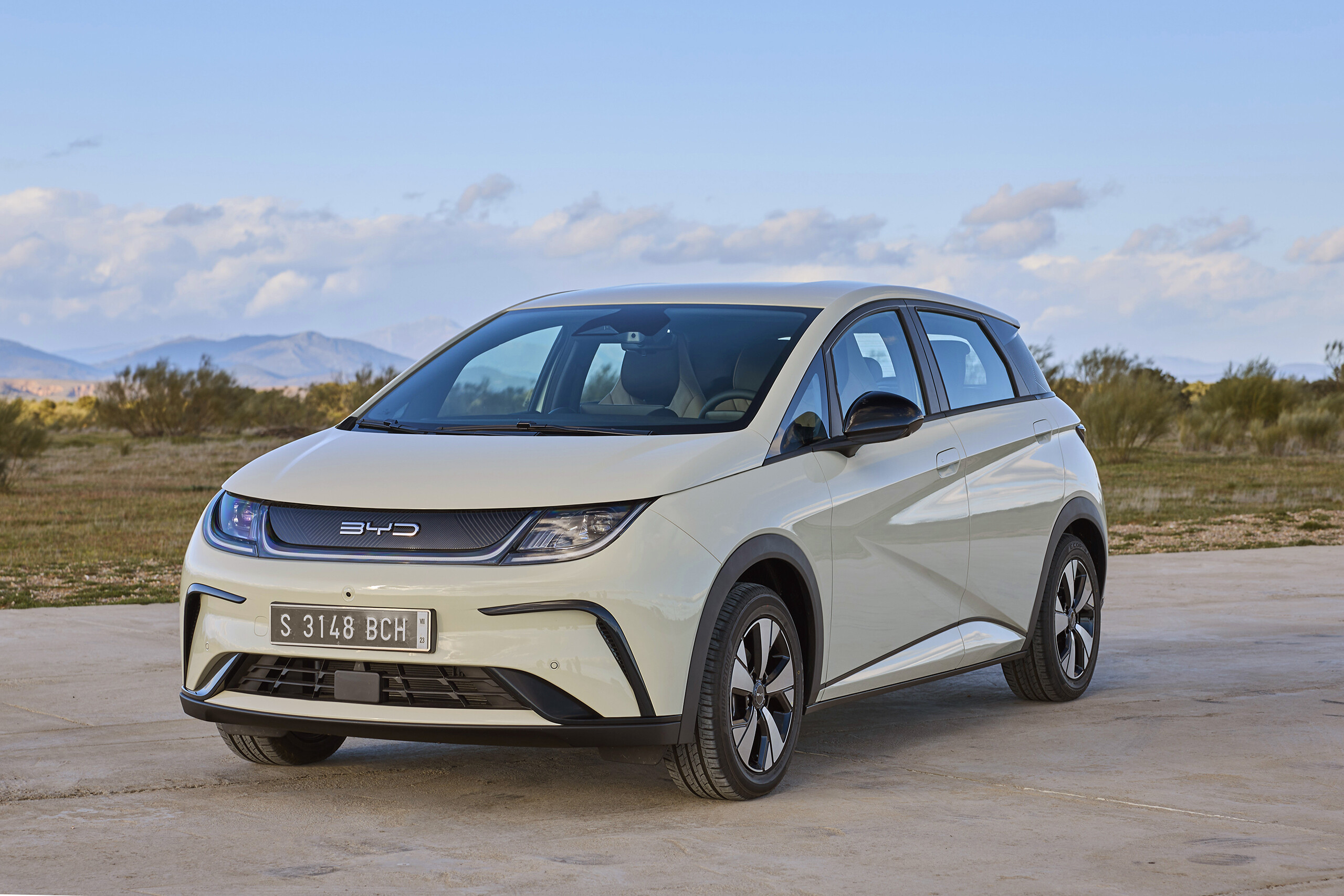
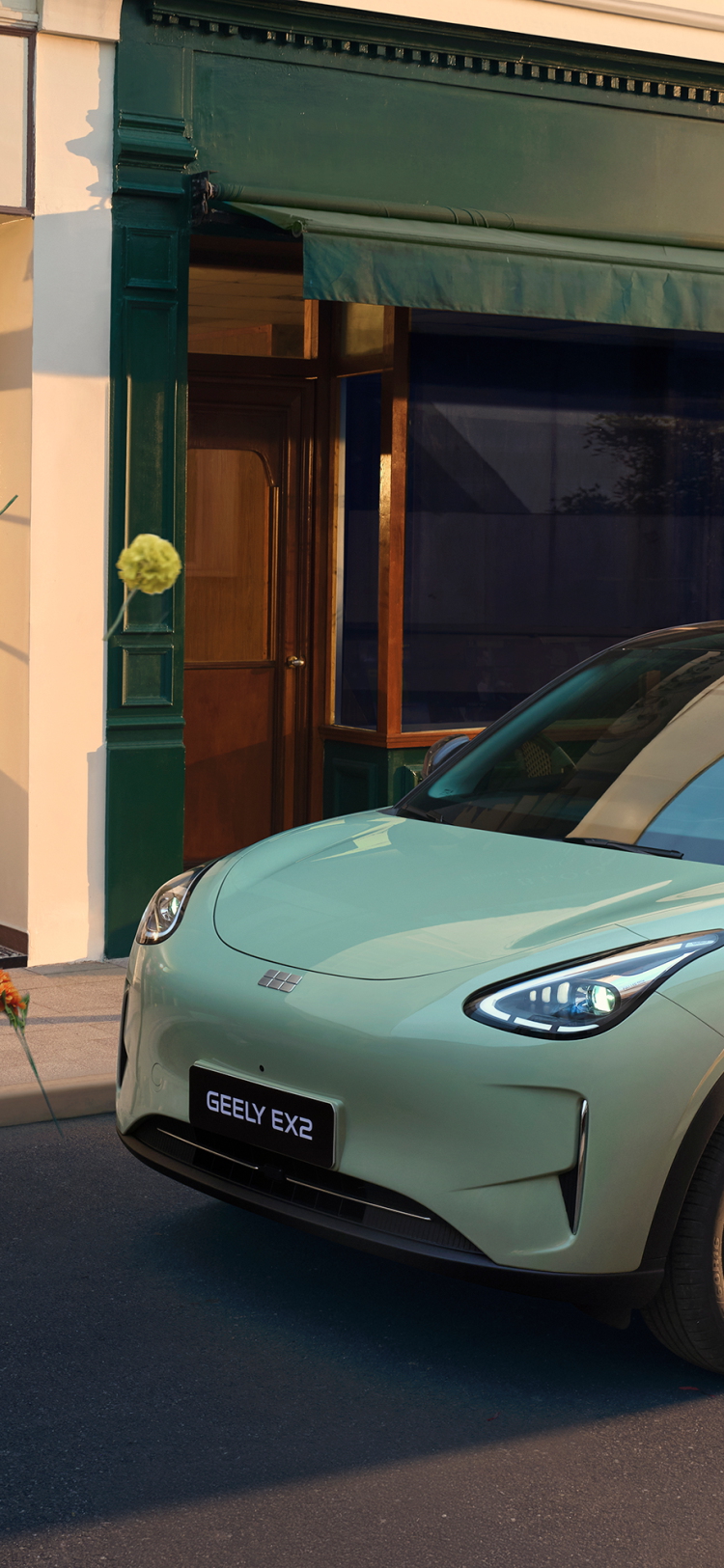
prices for the Geely E2 start at R339,900, making it the cheapest electric vehicle in the country, narrowly undercutting the R341,900 BYD Dolphin Surf by R2,000.
That is not a typo. South Africa now has two EVs competing in the sub-R342k bracket, both landing at a price point that competes directly with well-specced petrol hatchbacks. The R2,000 difference is negligible in the context of total ownership cost — both represent genuine value propositions for budget-conscious buyers.
Claimed range is 325 km on the WLTP cycle, and a DC fast charger will fill the battery from 30%-80% in about 25 minutes.
The BYD Dolphin Surf — which kicked off this affordable EV era — is proving it was no flash in the pan.
Its 239 sales in March 2026 eclipsed several petrol models such as the Hyundai Alcazar and Honda Fit, showing that when the price is right, consumers can live with the EV proposition.
BYD’s Blade Batteries are designed to last for 1.5 million kilometres, and BYD provides an 8-year/200,000km warranty on the battery alongside the 3-year vehicle warranty and service plan.
For a comprehensive look at all the options on sale, our best EVs to own in South Africa guide is kept current.
Beyond the entry-level scrimmage, the Dayun Yuehu S5 sits at around R400,000, offering a compact SUV body style for those who need the extra ride height. The BYD Sealion 5 at R499,900 brings a proper family-sized crossover into the sub-R500k bracket — with Level 2 driver assistance tech and vehicle-to-load charging that can power your fridge during load-shedding. And for those with deeper pockets who want a premium feel, the full BYD Dolphin (not Surf) starts from R539,900 with a longer range and a sportier 7.0-second 0-100 km/h sprint in the top spec.
| Model | Starting Price | Range (WLTP) | Est. Monthly Running Cost* |
|---|---|---|---|
| Geely E2 Aspire | R339,900 | 325 km | ~R752 |
| BYD Dolphin Surf Comfort | R341,900 | 232 km | ~R662 |
| Dayun Yuehu S5 | ~R400,000 | 300 km | ~R723 |
| BYD Sealion 5 | R499,900 | 420 km | ~R800 |
*Monthly running cost estimate based on 1,500 km/month at R3.20/kWh standard tariff. Individual consumption will vary.
Ready to Get a Charger Installed?
Get a free, no-obligation quote for a home or business EV charger installation. We handle everything.
The Breakeven Question: When Does an EV Pay for Itself?
Right, here is where the real debate happens. The Dolphin Surf at R341,900 costs more upfront than, say, a Toyota Starlet (around R280,000). The R61,900 price premium sounds significant. But when you are saving R2,141 per month on fuel alone, that gap closes in under 29 months — before you even factor in lower servicing costs. EVs have far fewer moving parts: no oil changes, no spark plugs, no timing chains. For a full breakdown of what ownership actually costs month by month, our monthly cost of owning an electric car in South Africa article does the heavy lifting.
The comparison gets even more compelling when you stack it against a similarly priced petrol car — say a Volkswagen Polo 1.0 TSI at around R360,000. You are spending roughly the same upfront, but saving R25,692 every year on fuel. Over five years of ownership, that is a R128,460 advantage in the EV’s favour. For the detailed side-by-side, our EV vs petrol running costs comparison for 2026 is the definitive SA reference.
“I spend R3K a week on fuel commuting to Sandton. Is an EV actually cheaper?” — Yes. Dramatically. Your annual petrol bill of roughly R144,000 drops to under R8,000 in charging costs. That is not a marginal improvement. That is a category shift.
What About Home Charging? Do I Need a Special Wallbox?
You do not need anything exotic to get started. Every EV sold in South Africa comes with a portable charger that plugs into a standard three-pin socket — fine for topping up overnight if you cover modest daily distances. But if you want faster, more convenient charging, a dedicated 7kW wallbox is the sweet spot.
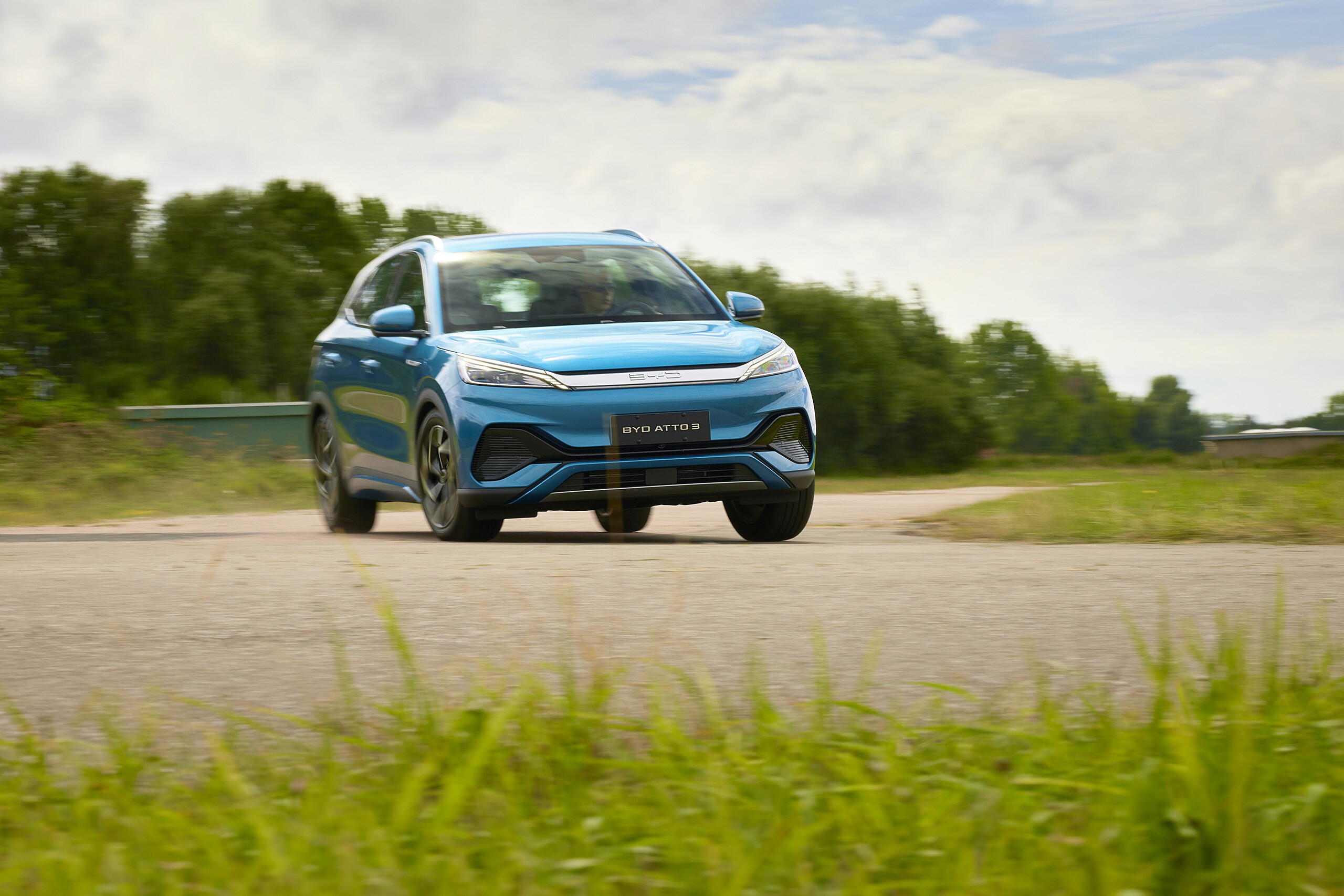
Both the BYD Dolphin Surf variants come with a 7kW home wallbox charger included
as part of their package, and
BYD’s Blade Batteries are built to last.
Installation of a home wallbox typically runs between R8,000 and R15,000 including the unit and professional wiring, depending on your DB board setup and cable run distance. Get the full breakdown of EV charger installation costs in SA here, and when you are ready to move forward, get a free installation quote from our team. We will assess your home setup and give you a clear number — no surprises.
Body corporates remain a sticking point for flat-dwellers. The good news is that legislation has been tightening in residents’ favour, and more complexes are installing shared charging bays. If you are in Joburg, our EV charger installation guide for Johannesburg covers the specific local rules and process. Cape Town residents should check out our Cape Town EV charger installation guide, and Durbanites — we have you covered too with our Durban guide.
Public Charging: Is the Network Good Enough Yet?
This is the question that kills more EV conversations than any other. The honest answer: for daily commuting, it is largely irrelevant — you charge at home like your phone, and arrive every morning with a full “tank.” For long-distance travel, the network has improved substantially but still requires some planning.
AutoTrader CEO George Mienie believes the country has reached a tipping point, drawing comparisons to Europe’s first significant EV surge following the start of the Russia-Ukraine war in 2022.
Infrastructure investment has followed that demand spike. Major routes between Johannesburg, Cape Town, and Durban now have workable fast-charging options at shopping centres, Engen and Sasol forecourts, and dedicated charging parks.
Before any long trip, check the live EV charging map to plan your stops. We update it in real time so you know exactly which chargers are operational before you leave the driveway. For city-specific guides, we have published detailed maps for EV charging in Johannesburg, Cape Town, and Durban.
The Market Shift Is Already Happening
In a price-sensitive market, affordability, rather than environmental concerns, is the decisive factor.
Nobody is buying a BYD Dolphin Surf because they want to save the planet — they are buying it because R23.36 per litre is genuinely painful, and the maths on an EV have never looked better.
WhatsApp-based research company Yazi found that 84% of respondents in its March 2026 SA Fuel and Energy Sentiment Study said they would consider a hybrid as their next vehicle.
When you factor in fully electric options, that number only grows.
Recent data from AutoTrader South Africa reveals a clear pattern: interest in fully electric vehicles has jumped sharply, with searches rising by 45% in just one month.
This is not a fringe movement anymore. And with the Geely E2 arriving this week at R339,900 — literally today, as we write this — the affordable EV segment is officially competitive. For the first time in South African motoring history, you can buy a brand-new electric car for less than the price of a well-equipped petrol hatchback. Read our complete guide to electric vehicles in South Africa to understand the full picture, from incentives to charging to long-term ownership.
The question has shifted. It is no longer “can I afford an EV?” It is increasingly “can I afford not to?”
How Much Would YOU Save?
Plug in your monthly km, current fuel costs, and see the exact Rand savings of switching to an EV.
FAQ
How much does it cost to run an EV in South Africa in April 2026?
Based on an average of 1,500 km per month and the BYD Dolphin Surf’s consumption of approximately 13.8 kWh/100km, you will spend around R662 per month charging at the standard Eskom tariff of R3.20/kWh. Charge off-peak at R1.89/kWh (City of Tshwane rate) and that drops to about R391/month. Compare that to R2,803/month for a petrol car doing 8L/100km at R23.36/litre. Use our EV calculator to work out your specific numbers.
How much will I save annually by switching from petrol to an EV?
At current April 2026 fuel prices, the average SA driver saves approximately R25,692 per year on fuel alone when switching from an 8L/100km petrol car to a BYD Dolphin Surf charged at the standard grid tariff. Charge off-peak and the saving rises to nearly R29,000. This does not include lower servicing and maintenance costs, which add further to the EV’s advantage over time.
What is the cheapest electric car in South Africa in 2026?
The Geely E2 Aspire at R339,900 is currently South Africa’s most affordable electric vehicle, narrowly undercutting the BYD Dolphin Surf Comfort (R341,900) by R2,000. Both offer a strong value proposition at this price point, with the Geely offering more range (325 km WLTP) and the BYD offering an established dealer network and included home wallbox charger.
Is the South African EV charging network reliable enough for daily use?
For daily commuting, yes — most EV owners charge at home overnight and rarely need public infrastructure. For long-distance travel, the network has improved significantly in 2025-2026, with fast chargers along major routes between Johannesburg, Cape Town, and Durban. Check the live charging map before any long trip to confirm charger availability on your specific route.
How long does it take to charge an EV in South Africa?
It depends on the charger type. A standard home 7kW wallbox will take a BYD Dolphin Surf from near-empty to full in around 4-5 hours overnight. A public DC fast charger can bring the battery from 30% to 80% in approximately 30 minutes. For more detail, our guide on EV charging times in South Africa covers all the variables.
How much does it cost to install a home EV charger in South Africa?
A professional 7kW wallbox installation typically costs between R8,000 and R15,000 all-in, depending on your property’s existing electrical infrastructure. Some EVs — including the BYD Dolphin Surf — include the wallbox unit as part of the purchase package, reducing the out-of-pocket cost. Request a free installation quote to get an accurate price for your specific situation.
Will load-shedding affect my ability to charge an EV?
Load-shedding is a legitimate concern but manageable with smart charging habits. Most EV owners charge overnight, and scheduled outages can be worked around by timing your charging session to outage-free windows. Adding a home solar and battery backup system essentially eliminates the problem entirely. Our full guide on load-shedding and electric cars covers every scenario.
Continue Reading