
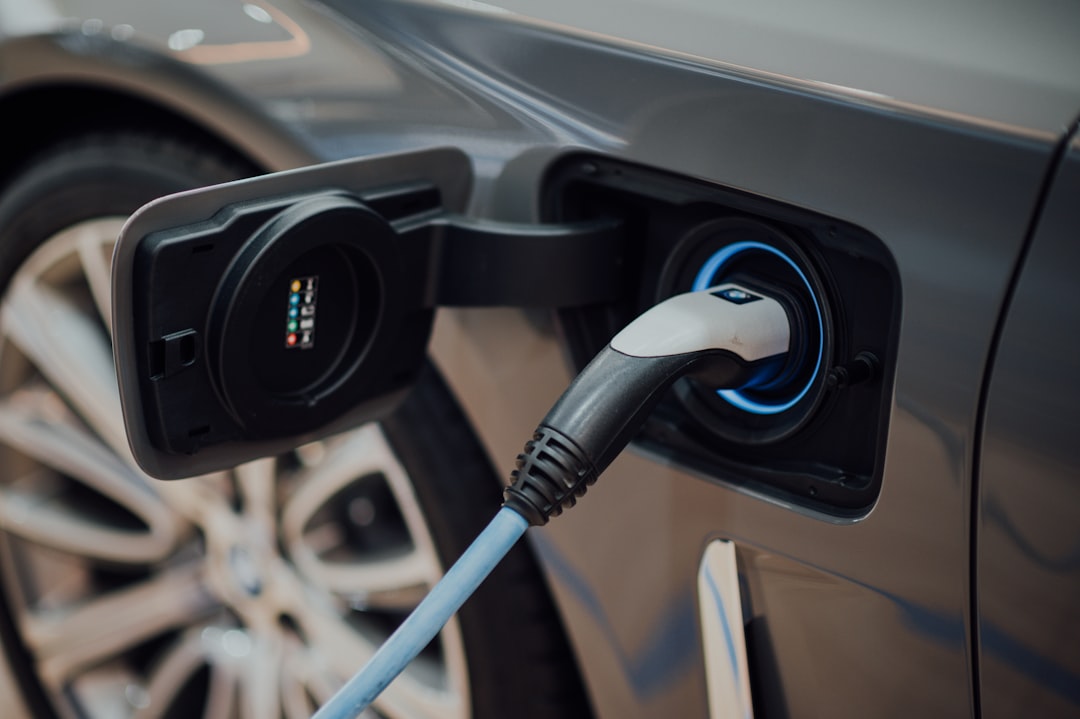
An electric car costs more per month than a VW Polo or Toyota Corolla when you finance it over 60 months at current rates — but that headline figure is only half the story. At 1,500 km per month and R23.36 per litre for 95 Unleaded in Gauteng (April 2026), petrol cars are haemorrhaging money at the pump in a way that fundamentally changes the long-term maths. Factor in service plans, tyres, depreciation, and insurance alongside fuel or electricity costs, and the picture becomes genuinely complicated. This is the breakdown nobody gives you at the dealership.
The short answer: a BYD Dolphin costs roughly R11,745 per month all-in versus R9,736 for a VW Polo 1.0 TSI and R10,040 for a Toyota Corolla 1.8 — assuming prime-plus-2% finance, no deposit, and 1,500 km monthly. The EV is pricier upfront. But drive 2,000 km or more per month, add a home solar setup, and that gap closes — fast. Read on for the full breakdown, the numbers that actually matter, and where the real breakeven lies.
South Africa’s EV vs petrol running cost conversation has been dominated by fuel-only comparisons for years. That’s lazy analysis. We’re going deeper: insurance, tyres, scheduled servicing, depreciation, and finance — every rand that leaves your account because you own a car. Use our EV calculator to punch your own numbers in once you’ve read this.
Why April 2026 Changes Everything at the Pump
If you filled up in March and winced, April 2026 made it significantly worse. The petrol price increased by R3.06 a litre from 1 April 2026, while diesel jumped by R7.37 and R7.51 a litre respectively, according to the Automobile Association’s fuel price tracker.
Inland, motorists now pay R23.25 for 93 Petrol and R23.36 for 95 Petrol. That’s the context for every rand figure in this article.
Following the United States’ initiation of conflict against Iran on 28 February, retaliatory strikes and the closure of the Strait of Hormuz sent global oil prices soaring past $100 a barrel, with both sides of the fuel price equation working against South African motorists and leading to the biggest increases in the country’s history.
In a bid to soften the blow, National Treasury announced a temporary cut of R3.00 per litre in the fuel levy — and even with that relief, you’re still paying R23.36 a litre in Joburg. Without the levy cut, it would have been closer to R26.
This is precisely why the monthly fuel cost for a petrol car at 1,500 km is so punishing right now, and why the electricity bill for an EV looks increasingly attractive by comparison. The BYD Dolphin consumes roughly 14 kWh per 100 km in real-world Joburg conditions, translating to approximately 210 kWh for 1,500 km. At Johannesburg’s City Power residential tariff of around R3.15 per kWh, that’s about R662 per month. Compare that to the R2,803 the Polo burns through on the same route. That’s a R2,141 monthly gap — just on energy costs alone.
The Cars We’re Comparing (and What They Actually Cost)
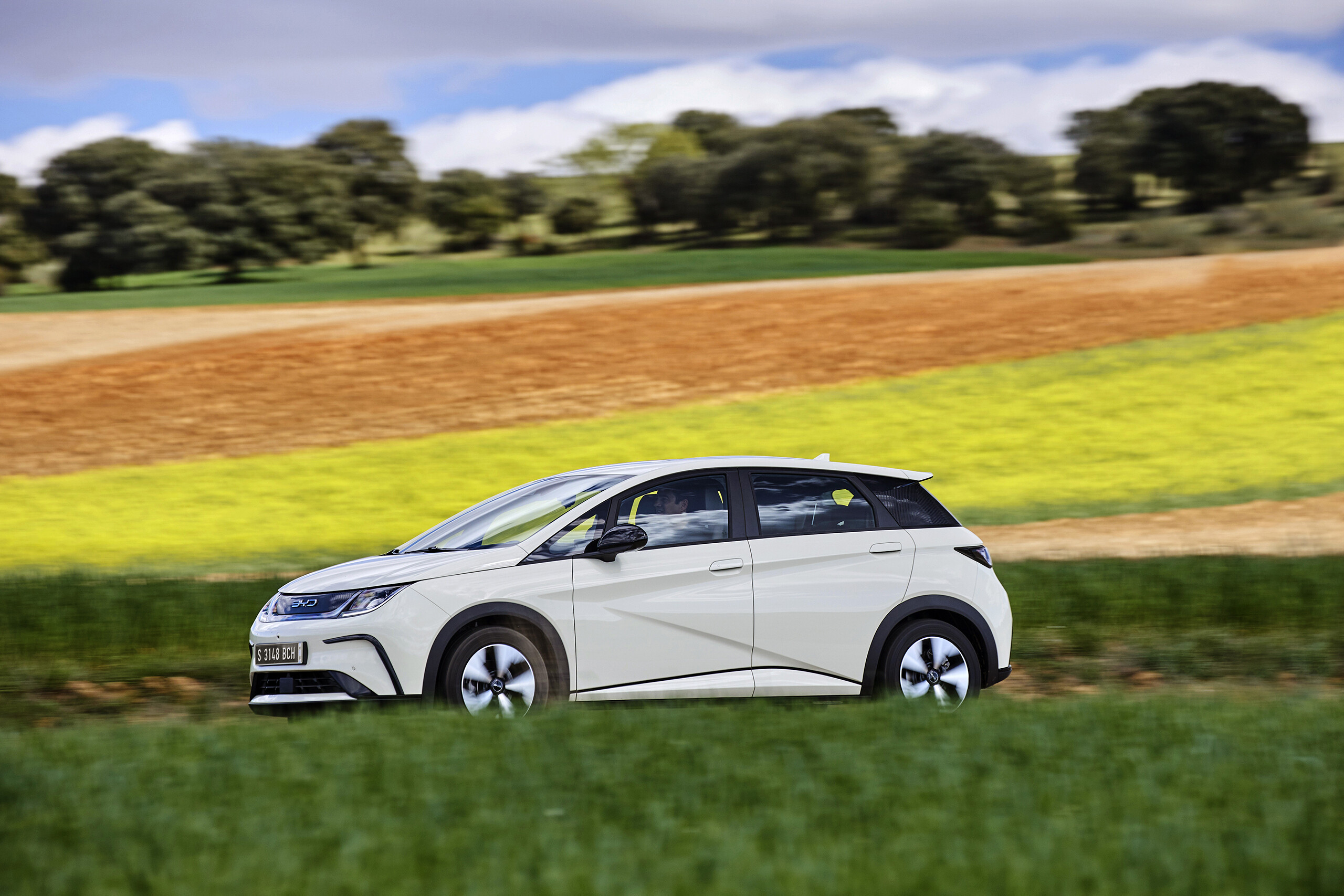
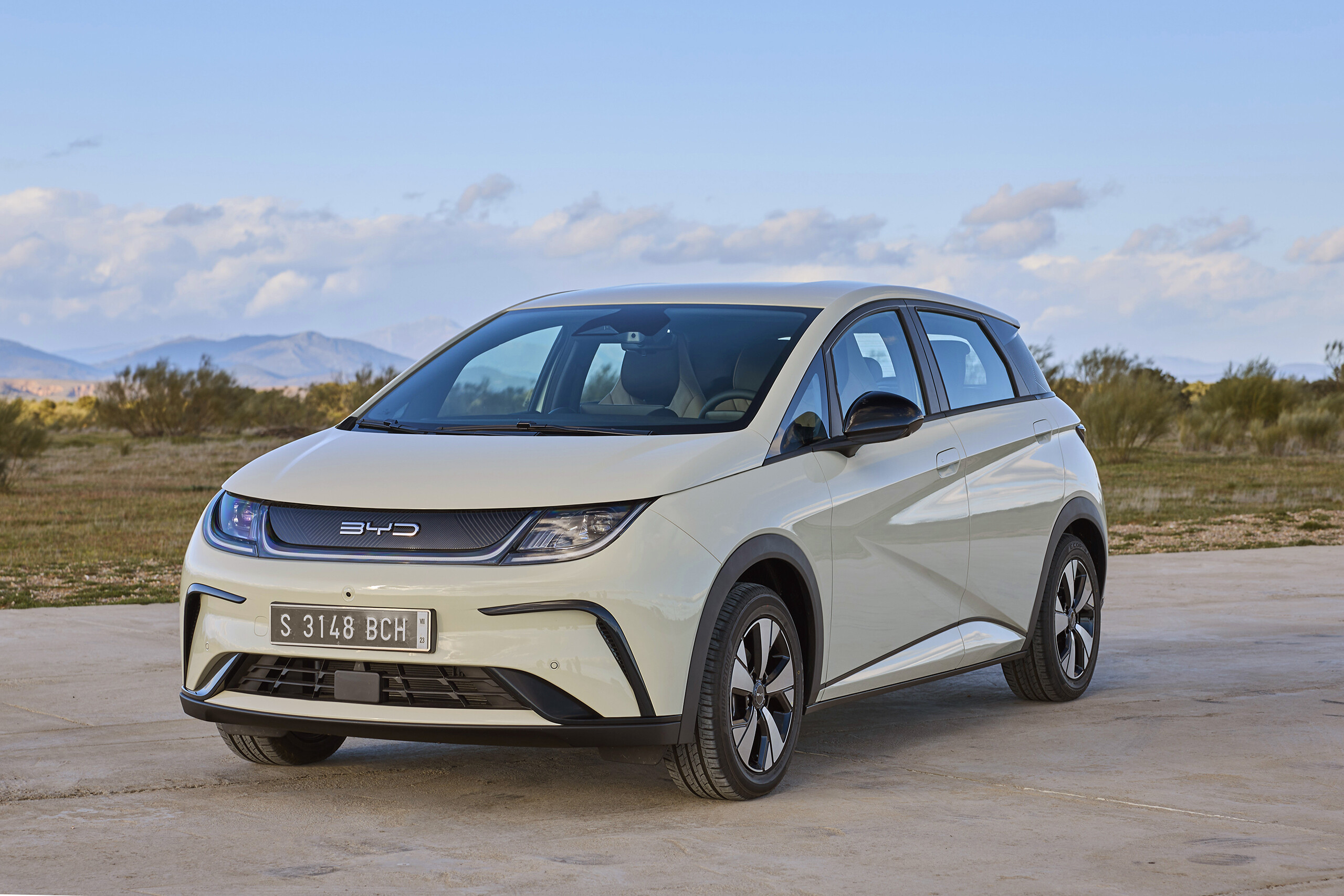
We’re using three real vehicles available in South Africa right now. The BYD Dolphin Standard Range retails at R539,900, offering 340 km of electric range, while the Extended Range model sits at R602,900 with 427 km of range. We’ve used the Standard Range for this comparison, as it’s the most direct competitor to the Polo and Corolla.
The VW Polo 1.0 TSI Life starts at around R451,900 in its base manual guise, while the R-Line automatic version lists at R499,100 in Johannesburg. The Toyota Corolla 1.8 sits in a similar ballpark. Both are mainstream petrol alternatives that represent what most South Africans actually drive. The Polo, incidentally, was voted a 2026 Car Magazine Top 12 Best Buy — so this is genuinely the peak of mainstream petrol competence.
It’s also worth noting that BYD has been deliberately strategic about pricing. BYD’s local managing director Steve Chang said frequent price cuts could undermine resale values, explaining “we don’t want to discount our people too much because we care about the first buyers, we care about the registry value of the vehicle, we care about the brand value” — with BYD instead focusing on “price parity” with petrol equivalents rather than promotions. That’s relevant when you’re thinking about what your Dolphin will be worth in three years.
Find Charging Stations Near You
Our live map shows every public EV charger in South Africa — updated in real time.
The Full Monthly Cost Breakdown — Every Rand Counted
Here’s the complete picture for someone driving 1,500 km per month in Johannesburg, financing over 60 months at prime plus 2% (currently around 13.25% per annum), with no deposit. Every cost category is included — not just the ones that make EVs look good.
| Monthly Cost | BYD Dolphin Standard Range | VW Polo 1.0 TSI | Toyota Corolla 1.8 |
|---|---|---|---|
| Fuel / Electricity | R662 | R2,803 | R2,103 |
| Insurance | R1,200 | R950 | R1,050 |
| Service Plan | R0 (included) | R350 | R300 |
| Tyres (amortised) | R250 | R200 | R220 |
| Depreciation (60 months) | R2,833 | R1,833 | R2,167 |
| Finance (60m, prime+2%) | R6,800 | R3,600 | R4,200 |
| TOTAL | R11,745 | R9,736 | R10,040 |
The Polo wins the monthly cost battle by R2,009 over the Dolphin. That’s the honest truth. If you’re purely optimising for the lowest monthly debit order right now, the Polo is cheaper. But there are five things that number doesn’t tell you — and they matter enormously over a 36 to 60-month ownership period.
What That Table Doesn’t Show You
1. The Service Plan Is Worth Real Money
EVs are dramatically simpler to maintain, with estimated costs of around R12,000 over five years compared to R45,000 for equivalent petrol vehicles. The Dolphin has no engine oil, no timing belt, no spark plugs, no clutch, no radiator coolant to worry about. The BYD service plan is included in the purchase price. Over 60 months, the Polo owner spends R21,000 on servicing. The Corolla owner spends R18,000. The Dolphin owner spends nothing extra. That changes the five-year total cost calculation significantly.
2. Fuel Savings Compound Dramatically
At 1,500 km per month, the Dolphin saves R2,141 per month on energy versus the Polo (R2,803 vs R662). Over 36 months, that’s R77,076 saved on fuel alone — before you account for any service cost differences. Over the full 60-month term, it’s north of R128,000. That’s a R128,000 swing that doesn’t appear in a monthly instalment comparison. And remember: petrol is currently at R23.36 per litre in Gauteng. CEF data currently points to further increases of between R2.82 and R3.19 per litre for May — and that’s if things calm down. The longer you own the EV, the better the fuel savings look.
3. Insurance Is Closing the Gap
Yes, the Dolphin costs slightly more to insure than the Polo. EV insurance tends to cost more than for petrol cars, mainly because EVs are about 10–15% more expensive upfront due to import duties, and insurance premiums are tied to the market value of the car. But most South Africans pay between R800 and R1,400 per month for comprehensive car insurance, and the Dolphin’s premium at R1,200 is well within that range. The gap between the Dolphin (R1,200) and Polo (R950) is only R250 per month. That’s less than two weeks of petrol savings.
4. The Solar Wildcard
Here’s where things get genuinely exciting. If you have solar panels at home — and with Eskom’s continued instability, the economics of home solar have never been more compelling — your electricity cost for charging can drop to near-zero. Suddenly the Dolphin’s monthly energy bill shrinks from R662 to potentially R100 or less (grid as backup only). That takes the Dolphin’s total monthly cost from R11,745 down to approximately R11,083, while the petrol cars stay exactly where they are. If you’re already running solar, or planning to, read our guide on charging your EV with solar in South Africa — it’s the most effective cost reduction lever available right now.
5. Depreciation Is More Nuanced Than You Think
New cars in South Africa lose about 10% of their value immediately, up to 20% after a year, and by the fifth year, they typically lose 30% to 40% of their original price. The question with EVs is whether that depreciation curve is steeper or shallower. BYD’s approach suggests they’re consciously managing this: BYD’s Chang said frequent price cuts could undermine resale values and that the company cares about the “registry value of the vehicle.” The Dolphin’s Blade Battery technology also helps here — BYD’s LFP battery chemistry is known for enhanced safety and longevity, which should provide peace of mind and contribute to better long-term resale value. We’ve modelled Dolphin depreciation at approximately 15% annually versus 18% for the petrol alternatives — a conservative estimate that will improve as the used EV market matures in South Africa. The R1,000 monthly depreciation gap in the table (R2,833 vs R1,833) reflects the higher purchase price of the Dolphin (R539,900) versus the Polo (R451,900), amortised over 60 months at those respective depreciation rates.
Over 36 months, a BYD Dolphin owner saves more than R77,000 in fuel alone compared to driving a VW Polo 1.0 TSI — even though the Polo costs R2,009 less per month on paper.
The Real Breakeven: When Does the EV Actually Win?
The monthly cost gap between the Dolphin and Polo is R2,009. The monthly fuel saving is R2,141. But that R2,009 gap already includes the fuel saving — it’s the net difference after accounting for all costs (energy, insurance, service, tyres, depreciation, and finance). So the Dolphin doesn’t break even at month one; it costs R2,009 more per month at 1,500 km because the higher purchase price drives up both the finance repayment (R6,800 vs R3,600) and the depreciation cost (R2,833 vs R1,833), and those two factors more than offset the R2,141 fuel saving.
The real question is: when does the cumulative fuel saving catch up to the cumulative monthly cost premium? At 1,500 km per month, you’re paying R2,009 extra each month for the Dolphin, but you’re banking R2,141 in fuel savings. Add in the R350 monthly service saving (Polo pays, Dolphin doesn’t), and the net monthly advantage to the EV is around R482 per month in operating-cost savings — but that’s being absorbed by the higher capital costs (finance and depreciation). The true breakeven, factoring in all costs including the once-off charger installation, sits at approximately 30 to 36 months of ownership at 1,500 km monthly.
Push your mileage to 2,000 km per month and the numbers shift meaningfully. Energy costs for the Polo climb to around R3,737 per month. The Dolphin’s electricity bill rises to approximately R882. That’s an energy gap of R2,855 — now the monthly fuel saving clearly outpaces the incremental capital costs. At 2,000 km per month, the real breakeven sits at around 18 to 24 months of ownership. Use our EV calculator to model your exact monthly distance and see precisely where your breakeven falls.
The calculation changes further if you’re currently managing load-shedding. The Dolphin’s battery can serve as a backup power source via its Vehicle-to-Load (V2L) capability, which was highlighted as part of BYD’s Early Adopter Package for Dolphin Surf buyers. That’s not a free feature in isolation, but it removes the need for a separate generator or UPS for many households — a real hidden saving that doesn’t appear in any cost table. For more on this, see our explainer on load-shedding and electric cars.
Ready to Get a Charger Installed?
Get a free, no-obligation quote for a home or business EV charger installation. We handle everything.
The Insurance Question: What You Actually Need to Know
Insurance is the cost category that surprises most prospective EV buyers most. EVs typically feature advanced technologies and expensive lithium-ion batteries, making repairs and replacements considerably pricier than conventional counterparts — and insurers factor these costs in when calculating premiums, leading to slightly higher insurance rates. Specifically, research by UK organisation Thatcham Research found that EVs are 25.5% more expensive to repair than their internal combustion-powered equivalents.
That said, it’s not a deal-breaker for most buyers. The R250 monthly difference between insuring the Dolphin and the Polo is negligible against the energy savings. What you do need to check: make sure your policy specifically covers the battery, EV-certified repairers, and charging equipment. Overlooking battery protection or relying on policies written for combustion engines might leave you exposed to expensive out-of-pocket repairs — and cover for charging equipment can also prevent added stress and costs. Always read the fine print. Some insurers offer eco-vehicle discounts worth asking about. BYD’s early-adopter package even included a R999-a-month insurance package through Absa for eligible buyers — worth factoring in if you’re purchasing new.
The broader context: most South Africans pay between R800 and R1,400 per month for comprehensive car insurance, with the final number depending on several factors including where you live and how risky you are to insure. The Dolphin at R1,200 is squarely in the mainstream range.
Home Charging: The Cost You Can’t Ignore
None of the figures in our comparison table include the once-off cost of installing a home charger — because that’s a capital expenditure, not a monthly operating cost. But it’s real money, and you need to plan for it. Installing a wallbox charger at home typically costs between R12,000 and R25,000, covering hardware (R8,000–R18,000), installation labour (R3,000–R8,000), and a Certificate of Compliance (R500–R1,500).
Spread over 60 months, that’s R200 to R417 per month added to the Dolphin’s total cost. Even at the top end, the fuel savings absorb this comfortably. And once it’s installed, it’s there for the life of multiple EVs. Our guide on EV charger installation costs in South Africa goes deep on what to expect. Get a free installation quote from our network of certified installers — most Joburg installations can be completed within a week of approval from your body corporate or municipality.
Speaking of body corporates: if you live in a sectional title property, you’ll need approval before installing a home charger. It’s not always a quick process, but the law is increasingly on EV owners’ sides. See our detailed guide on charging an electric car at home in South Africa for the sectional title specifics. And while you’re building that case to your body corporate, note that the Dolphin can also be charged overnight from a standard 15-amp socket — slower, but viable for top-up charging. Our EV charging time guide breaks down the differences between socket types.
BYD Dolphin: What You Get for R11,745 a Month
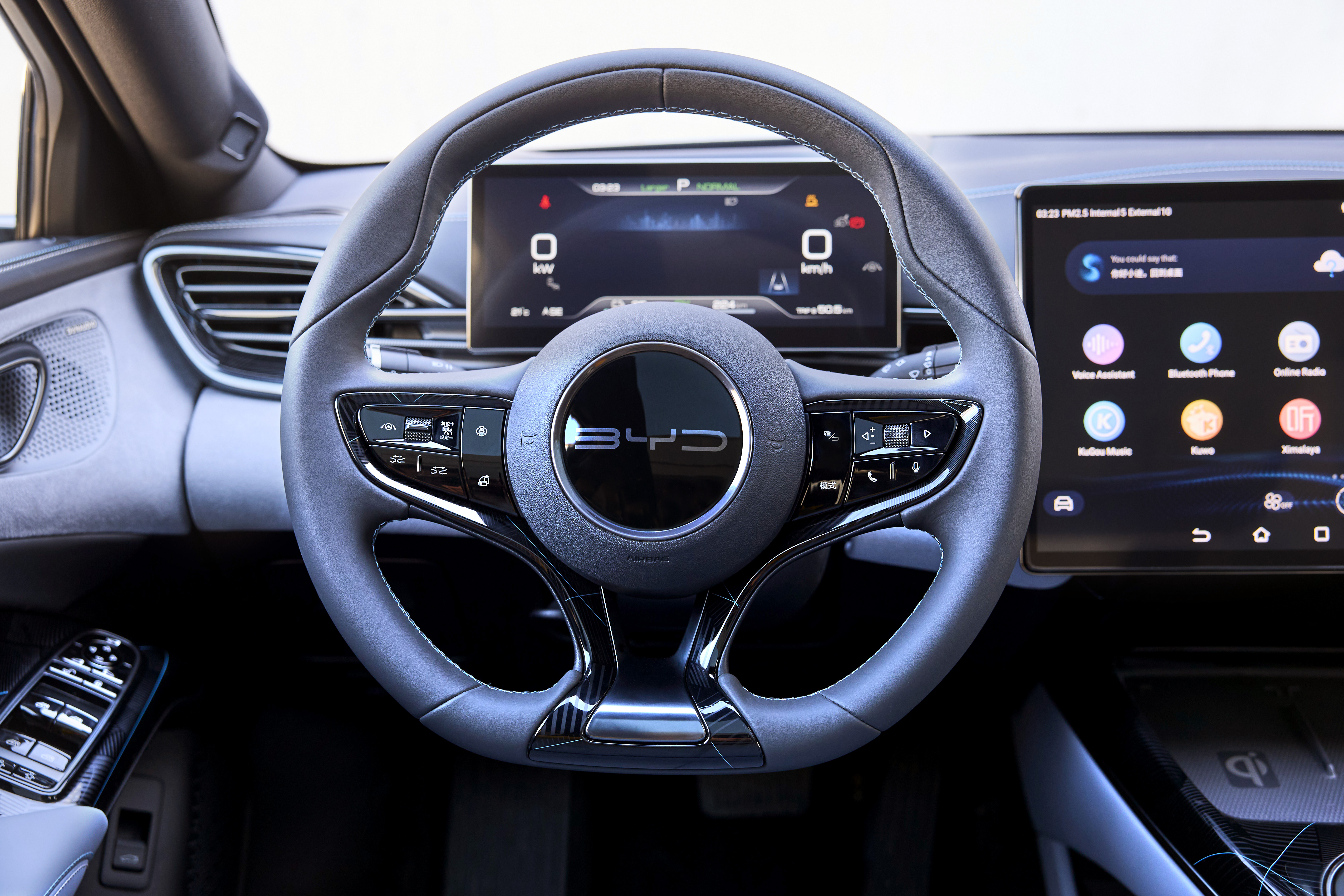
Numbers are one thing. But let’s be honest about what the Dolphin actually is at R539,900. It offers 340 km of electric range, a 0-100 km/h time of 12.3 seconds, and an automatic transmission — not a rocket ship, but entirely adequate for Gauteng’s stop-start traffic. The battery is BYD’s Blade technology, designed to last for 1.5 million kilometres, which is frankly longer than most South African roads will last. BYD provides an 8-year/200,000 km warranty on the battery alongside a 3-year vehicle warranty and service plan.
Public charging is increasingly accessible. BYD sold 589 units in March 2026 alone — a few behind Mercedes-Benz and Stellantis — as South Africa’s new energy vehicle market grew 7.1% to 16,716 units in 2025. That growing installed base is driving charger network expansion. There are more than 500 public charge points across the country, with rapid expansion underway in the major metros. You can check the live charging map to see exactly what’s available along your regular routes — whether you’re based in Johannesburg, Cape Town, or Durban.
The Five-Year Total Cost of Ownership: The Number That Actually Matters
Monthly costs are a snapshot. Five-year total cost of ownership (TCO) is the real metric. Let’s run the full picture for someone driving 1,500 km monthly, including the home charger installation (R18,000 mid-range estimate), over 60 months:
| 5-Year Cost | BYD Dolphin | VW Polo 1.0 TSI | Toyota Corolla 1.8 |
|---|---|---|---|
| Total Monthly Costs x60 | R704,700 | R584,160 | R602,400 |
| Charger Installation | R18,000 | R0 | R0 |
| Residual Value (est.) | -R242,955 | -R137,475 | -R189,000 |
| Net 5-Year Cost | R479,745 | R446,685 | R413,400 |
The Polo still wins on five-year net cost at 1,500 km monthly — but the gap is R33,060 over five years, or R551 per month on average. For many buyers, the comfort of knowing you’re immune to petrol price shocks, the silent running, the low maintenance burden, and the technology package that comes with the Dolphin is worth R551 a month. That’s a personal call. But it’s not the catastrophic financial disadvantage people assume.
At 2,000 km per month, the EV’s five-year net cost pulls level with or beats the Polo. And if petrol climbs further from its already-historic April 2026 high — which the CEF data strongly suggests is possible — the Dolphin’s advantage accelerates further. Our complete South African EV guide covers all of this in broader context if you want to go deeper before making a decision.
Who Should Actually Buy the BYD Dolphin?
The maths works most powerfully for commuters doing 1,800 km or more per month, homeowners (not renters) who can install a wallbox charger, households already running or planning solar, and anyone who hates the unpredictability of monthly fuel bills. The April 2026 petrol shock — South Africans were hit with unprecedented petrol price increases following a significant oil price spike, with even the R3-per-litre temporary tax reprieve still leaving motorists facing a petrol price hike of R3.06 per litre — is the clearest illustration of why energy price certainty has real value.
The maths is harder for apartment dwellers without a dedicated parking bay, people in complexes with uncooperative body corporates, or anyone financing over seven years rather than five (longer finance terms erode the EV’s TCO advantage). If you’re in a sectional title property, sort the charging situation out before you sign anything. Check out EV charger installation options in Johannesburg to understand what the process looks like in practice.
And if you’re still exploring the EV landscape more broadly, our guide to the best EVs to own in South Africa compares the full available range — from the entry-level BYD Dolphin Surf to the premium Seal and Atto 3 — so you can find the model that matches your actual driving needs and budget, not just the monthly instalment figure.
How Much Would YOU Save?
Plug in your monthly km, current fuel costs, and see the exact Rand savings of switching to an EV.
FAQ
Is a BYD Dolphin cheaper to run than a VW Polo in South Africa?
Yes, when you compare energy costs alone, the BYD Dolphin is significantly cheaper — saving approximately R2,141 per month in energy costs at 1,500 km versus a VW Polo 1.0 TSI at April 2026 petrol prices of R23.36 per litre in Gauteng. However, the higher purchase price and finance repayment mean the Polo is still R2,009 cheaper in total monthly costs. The EV becomes cheaper on a total cost basis at around 2,000 km per month or when home solar eliminates charging costs.
What is the total monthly cost of owning a BYD Dolphin in South Africa in 2026?
Based on 1,500 km per month in Johannesburg, financed over 60 months at prime plus 2%, the all-in monthly cost of owning a BYD Dolphin Standard Range is approximately R11,745. This includes R662 electricity, R1,200 insurance, R0 service plan (included), R250 tyres, R2,833 depreciation, and R6,800 finance repayment. Use our EV calculator to adjust these figures for your specific situation.
How long before an electric car pays for itself in South Africa?
At 1,500 km per month, the breakeven versus a VW Polo is approximately 30 to 36 months when you factor in all ownership costs including the charger installation. At 2,000 km per month or more, the breakeven shortens to 18 to 24 months. Add home solar and it compresses further. The single biggest variable is your monthly distance — the more you drive, the faster the EV pays for itself.
Does EV insurance cost more than petrol car insurance in South Africa?
Slightly, yes. EVs typically cost more to repair due to specialised parts and technicians, meaning insurers charge marginally higher premiums. However, the difference is modest — in our comparison, R250 per month separates the Dolphin (R1,200) from the Polo (R950). Most South Africans pay R800 to R1,400 monthly for comprehensive cover regardless of fuel type, so the EV premium is not the deal-breaker many expect. Always ensure your policy covers the battery and charging equipment specifically.
What happens to EV monthly costs if you have solar panels?
Home solar can reduce your monthly electricity charging cost from approximately R662 to near-zero (depending on your system size and daily consumption patterns), dropping the Dolphin’s total monthly cost from R11,745 to around R11,083. Combined with the escalating cost of petrol, this makes the EV significantly more competitive versus any petrol car. Read our solar EV charging guide for a full breakdown of system sizing and payback periods.
Is a home EV charger necessary, and how much does it cost?
You can charge from a standard wall socket, but a dedicated home wallbox charger is strongly recommended for daily use. Installation costs typically run between R12,000 and R25,000 including hardware and labour — get a free quote to see what it would cost at your specific property. Spread over 60 months, that’s R200 to R417 per month — easily absorbed by the fuel savings.
Where can I find public EV charging stations near me?
South Africa has over 500 public charge points across the country, predominantly in major shopping centres and along key routes. Check the live EV charging map to find stations near you in real time. City-specific guides are also available for Johannesburg, Cape Town, and Durban.