
Key points
- The Chery Q (based on the Chinese QQ3) is expected in South Africa in Q3/Q4 2026, with estimated pricing of R329,900 to R339,900 (unconfirmed at time of publication, per Cars.co.za and ChargePointSA).
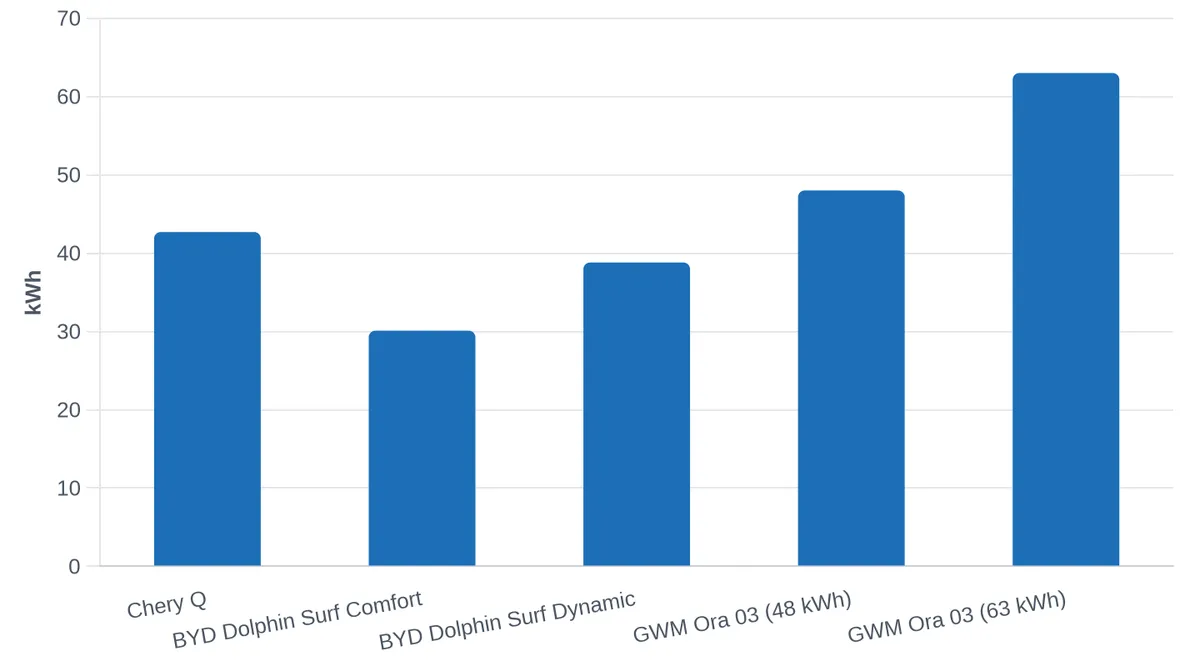
- Its 42.7 kWh LFP battery delivers a claimed range of 400 to 420 km on the NEDC cycle; expect 300 to 350 km in South African real-world conditions, with a WLTP equivalent of approximately 340 km.
- The BYD Dolphin Surf Comfort (30.1 kWh, 232 km WLTP) retails from R339,900 and the Dynamic (38.8 kWh, 295 km WLTP) from R389,900, with real-world discounts visible on AutoTrader from R325,900 as of July 2026.
- Home charging on Gauteng residential tariffs costs roughly R0.50 to R0.80 per km versus R1.53 to R1.60 per km for the average petrol car at current pump prices (DriveElectric.co.za, October 2025).
- Public DC fast-charging tariffs were R7.00 to R7.35/kWh as of August 2025 (Rubicon and GridCars eMSP); a roughly 15% GridCars increase from 1 December 2025 means current 2026 rates are higher, always check the network app before charging.
- Chery’s 7-year/150,000 km vehicle warranty is class-leading at this price point, but battery-specific terms are not yet finalised.
- No consumer EV tax rebate or credit exists in South Africa as of mid-2026. Only manufacturer production incentives have been implemented (150% tax deduction, effective March 2026).
A quick note on naming: there is no Chery QQ RTi for South Africa
Before the numbers: several buyers are searching for the “Chery QQ RTi” after picking up the name in import speculation forums and Chinese-market coverage. According to Cars.co.za and Chery South Africa’s official materials, the model launching here is called simply the Chery Q. It is derived from the Chinese QQ3 platform but will be sold in South Africa without the QQ designation and without the RTi suffix. When this article refers to the Chery Q, it means that same car. The specs below all apply to the South African version as currently disclosed.
Why this comparison matters right now
Three years ago, the cheapest electric vehicle on sale in South Africa was the Mini Cooper SE at roughly R800,000. By September 2025, BYD had broken the R340,000 barrier with the Dolphin Surf. In April 2026, Geely matched it at R339,900 with the E2. Now, with Chery aiming to undercut both in late 2026, the sub-R340,000 EV segment is suddenly competitive in a way no South African buyer could have anticipated.
South Africa applies a 25% import duty on EVs, compared to 18% on petrol and diesel vehicles, plus 15% VAT and ad valorem luxury tax, which together can inflate costs more than 40% above the factory price. Yet prices are falling anyway, driven by Chinese OEMs absorbing the margin hit to win market share. The practical question for a buyer in 2026 is not whether these cars are cheap, but whether the total cost of owning one over five years actually justifies switching from petrol.
“The BYD Dolphin Surf represents a pivotal moment for electric mobility in South Africa. Sustainable mobility shouldn’t be out of reach, it should be an exciting, everyday reality for real people, in real cities, living real lives.”
Ming Xing, Brand and Marketing Manager at BYD South Africa, at the official Dolphin Surf launch, September 2025
Chery Q and BYD Dolphin Surf: side-by-side specifications
| Specification | Chery Q | BYD Dolphin Surf Comfort | BYD Dolphin Surf Dynamic |
|---|---|---|---|
| Estimated SA price (incl. VAT) | R329,900 to R339,900 (est.) | R339,900 | R389,900 |
| Battery chemistry | 42.7 kWh LFP | 30.1 kWh LFP | 38.8 kWh LFP |
| Official claimed range | 400-420 km NEDC / ~340 km WLTP equiv. | 232 km WLTP | 295 km WLTP |
| Real-world SA range estimate | 300 to 350 km | 200 to 215 km | 255 to 270 km |
| Motor output / torque | 90 kW / 115 Nm (rear) | 55 kW / 135 Nm (front) | 55 kW / 135 Nm (front) |
| Vehicle warranty | 7 years / 150,000 km | 3 years / 100,000 km | 3 years / 100,000 km |
| Battery warranty | Terms not yet finalised | 8 years / 200,000 km | 8 years / 200,000 km |
| Service plan | Not yet confirmed | 3 years / 60,000 km (incl.) | 3 years / 60,000 km (incl.) |
| Home charger included | Yes (pre-order benefit) | Yes (7 kW wallbox incl.) | Yes (7 kW wallbox incl.) |
| Expected SA launch | Q3/Q4 2026 (Sept. expected) | On sale since Sept. 2025 | On sale since Sept. 2025 |
How far will the Chery Q actually go in South Africa?
This is the number that matters most for daily life. The Chery Q’s 42.7 kWh LFP battery is rated at 400 to 420 km on the NEDC cycle, which is measured under conditions more favourable than either WLTP or real South African roads. The more useful figure is the WLTP equivalent of approximately 340 km. ChargePointSA estimates real-world South African range at 300 to 350 km, accounting for highway speeds above 100 km/h, Highveld heat, altitude (Johannesburg sits at 1,700 m, which marginally reduces aero drag but increases HVAC load), and the stop-start traffic that characterises most commutes in Gauteng, Cape Town, and Durban.
For context, South Africans drive an average of around 44 km per day according to CAR Magazine’s coverage of the BYD Dolphin Surf launch, and approximately 55 km per day by BYD’s own estimate. A 300 km real-world range covers nearly a week of typical commuting before you need to charge at all. The 300 km lower estimate does, however, raise a specific concern: the N1 between Beaufort West and Three Sisters is approximately 300 km with essentially no public fast charging (ChargePointSA). Buyers planning regular Cape Town to Joburg road trips should treat this car as a city and regional vehicle, not a highway cruiser, until that infrastructure gap closes.
“The electric driving experience of the Chery Q is smooth and responsive. Power comes on instantly, as one would expect from an electric vehicle, allowing the Q to glide away from standstill with a gentle but decisive push.”
First-drive review, Gadget, after testing the Chery Q at Chery’s Wuhu factory, May 2026
The Chery Q’s rear-mounted 90 kW motor driving the rear wheels gives it a fundamentally different character from the BYD Dolphin Surf, which uses a 55 kW front-mounted motor. That 35 kW advantage translates to more confident highway merging and overtaking, though neither car is performance-focused. The Q’s 115 Nm of torque is modest by EV standards; BYD’s 135 Nm front motor punches slightly harder off the line despite the lower peak power figure.
“The low centre of gravity, thanks to its battery placement, gives the Q a reassuring sense of stability through corners, without feeling overly stiff or uncomfortable. Regenerative braking works in the background, helping to extend the range while also contributing to a more controlled driving tempo once I got used to it. It is the kind of driving experience that wins you over with its simplicity and ease of use.”
First-drive handling impressions, Chery Q test at Wuhu factory, 2026
BYD Dolphin Surf: the benchmark and its real-world honest numbers
The Dolphin Surf’s official WLTP figures are 232 km for the Comfort and 295 km for the Dynamic. In South African mixed urban and highway driving, EV Cost Calculator SA estimates more like 200 to 215 km (Comfort) and 255 to 270 km (Dynamic). The Comfort variant’s real-world range is tight enough to make some Gauteng buyers genuinely nervous about longer runs, particularly without a home charger already installed.
The Dynamic model’s 40 kW DC charging limit is worth flagging explicitly. South Africa’s public DC chargers are typically 150 to 200 kW units, so a Dolphin Surf arriving at one of these will charge at 40 kW regardless of the hardware available, taking approximately 30 minutes for a 30 to 80% top-up (BYD SA, CAR Magazine). That is not a dealbreaker for a city commuter, but it is slower than you might expect standing next to a large DC column.
The Comfort’s full home charge at Gauteng City Power tariffs costs approximately R82 for a full 30.1 kWh charge (EV Cost Calculator SA), delivering up to 232 km of WLTP range. The Dynamic’s 38.8 kWh full charge at an average Joburg tariff of roughly R3.80/kWh works out to about R147, delivering up to 295 km WLTP. An equivalent 295 km journey in a 7.5 L/100km petrol hatchback at June 2025 inland 95 ULP prices of R21.35/litre would cost approximately R472 in fuel alone (derived from OurPower.co.za and IEA fuel economy figures). At April 2026 inland prices of R26.63/litre (AutoTrader), that same trip costs even more.
What home charging actually costs in 2026
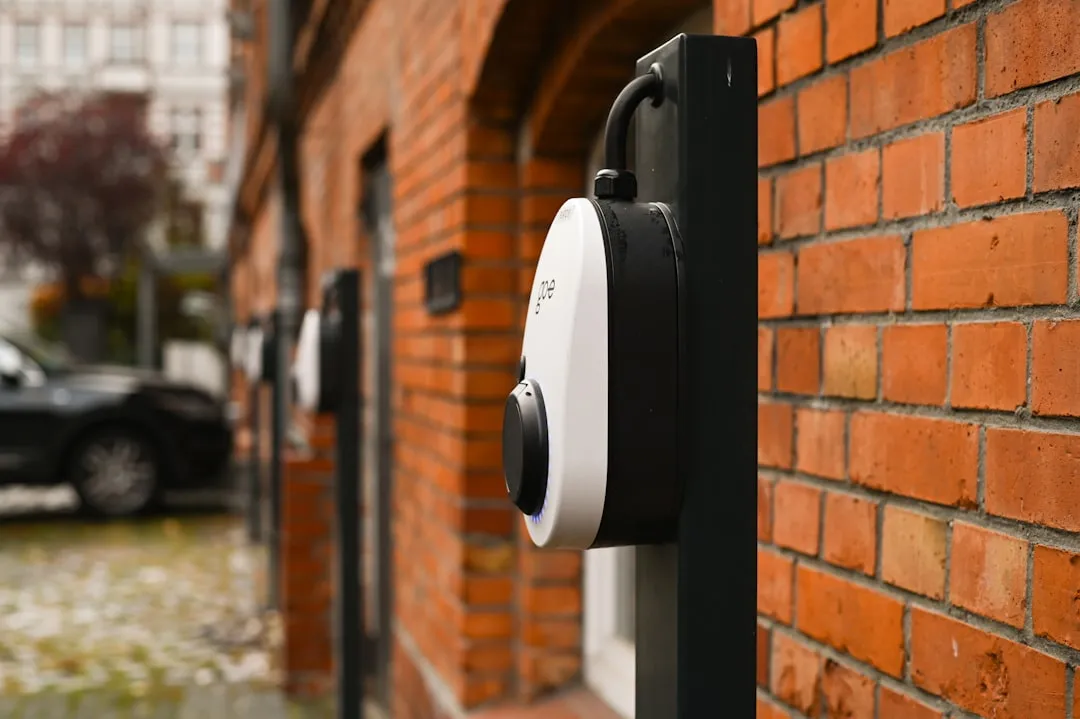
Home electricity tariffs vary by municipality. The verified range for residential charging in South Africa is R3.00 to R4.00/kWh (Procompare.co.za), with GlobalPetrolPrices.com recording an average of R3.29/kWh in 2024. Eskom direct customers on Homeflex time-of-use tariffs can access off-peak overnight rates of R1.45 to R2.25/kWh (ChargePointSA EV Home Charger Guide, December 2025). The 8.76% Eskom increase effective 1 April 2026 and the 9.01% increase for municipal bulk purchases from 1 July 2026 will push all of these figures upward; factor that into any projection you run.
Public DC charging at R7.00 to R7.35/kWh was the national benchmark as of August 2025 (Rubicon and GridCars eMSP tariffs). A roughly 15% GridCars increase from 1 December 2025 means current 2026 rates are meaningfully higher than those figures. Always check the network operator’s app for current per-kWh pricing before committing to a top-up. At the August 2025 DC rate of R7.35/kWh, DriveElectric.co.za calculated EV running costs at approximately R1.40 per km on public DC fast charging only, compared to R1.53 to R1.60 per km for the average petrol car. The saving narrows significantly when you rely on public DC rather than home charging.
Total cost of ownership: the five-year comparison
The numbers below use verified inputs and clearly stated assumptions. They are a starting framework, not a quotation.
| Cost item | Chery Q (est.) | BYD Dolphin Surf Dynamic | VW Polo 1.0 TSI (petrol benchmark) |
|---|---|---|---|
| Purchase price | ~R334,900 (mid-estimate) | R389,900 | From R445,400 |
| Monthly energy cost (1,200 km/mo, home charging) | ~R312 (ChargePointSA est.) | ~R456 (38.8 kWh per 295 km WLTP x R3.80) | ~R3,196 (7 L/100km x R26.63) |
| Annual energy cost | ~R3,744 | ~R5,472 | ~R38,352 |
| 5-year maintenance (EV24.africa est.) | ~R12,000 | ~R12,000 | ~R45,000 |
| Insurance (comprehensive, monthly est.) | ~R900 to R1,200 | ~R900 to R1,200 (or R999 via Absa launch deal) | ~R700 to R1,100 |
| 5-year total energy + maintenance | ~R30,720 | ~R39,360 | ~R236,760 |
| Purchase price + 5yr running | ~R365,620 | ~R429,260 | ~R682,160 |
Assumptions: 1,200 km per month; home charging at R3.40/kWh average residential tariff; Chery Q consumption at 14 kWh/100 km; Dolphin Surf Dynamic at 13.2 kWh/100 km (WLTP efficiency); Polo 1.0 TSI at 7.0 L/100km at R26.63/litre inland (May 2026, AutoTrader). Insurance mid-range. Home wallbox installation excluded (both EV makers include a 7 kW unit in the launch package). Chery Q pricing is an unconfirmed estimate. All figures are indicative.
The energy saving over five years is substantial by any measure, but the purchase price differential between the Chery Q and the Polo tells its own story: the Polo costs roughly R110,000 more to buy before running costs are considered. Once you add fuel and service over five years, EV24.africa’s analysis puts total EV maintenance at approximately R12,000 versus R45,000 for a petrol car over the same period. EV owners do not pay for oil changes, gearbox services, spark plugs, or exhaust repairs.
ChargePointSA’s analysis of a Chery Q versus a typical petrol hatchback at 1,200 km per month finds a monthly electricity saving of approximately R3,804 and an annual saving of approximately R45,648, based on home charging costs of roughly R312 per month versus a petrol fuel bill of approximately R4,116. Over five years, this analysis projects savings exceeding R180,000, though that number includes assumptions about fuel price trajectories that may not hold. Use it as directional guidance rather than a guaranteed figure.
Calculate your home charging cost with these EVs
Insurance: the 10-15% EV premium you need to budget for
Electric vehicles attract a 10 to 15% insurance premium over comparable petrol vehicles, reflecting battery replacement exposure and the limited claims history insurers have built up on this generation of Chinese EVs in South Africa (ChargePointSA). For a car in the R330,000 to R390,000 bracket, comprehensive insurance typically runs between R900 and R1,200 per month, compared to R700 to R1,100 for an equivalent petrol hatchback (Weelee). BYD’s early adopter package for the Dolphin Surf included R999 per month insurance through Absa, which gave the first wave of buyers a useful benchmark figure. Whether Chery secures a comparable arrangement for the Q launch remains to be seen.
Warranty and aftersales: where the gap between these two brands is most visible
The Chery Q’s 7-year/150,000 km vehicle warranty is genuinely class-leading at this price point. BYD’s Dolphin Surf offers 3 years/100,000 km on the vehicle, which is shorter than BYD’s own Atto 3, Seal, and Sealion (all on 5 years/100,000 km). On the battery, BYD is clearer: 8 years/200,000 km, explicitly stated on the BYD South Africa warranty page. Chery has not yet finalised its battery-specific warranty terms for the South African Q, which is a material gap for a buyer making a five-year ownership calculation.
Chery’s broader parts supply record has attracted scrutiny in 2026. Business Day reported in May 2026 that Chery South Africa’s national marketing manager acknowledged the fill rate had dropped from 99% to 96% over the preceding three months, with the team working to restore supply levels.
“Our Parts fill rate has dropped from 99% to 96% in the last three months and the team is working around the clock to restore supply to the standard which dealers and end customers have come to expect from Chery South Africa.”
Chery South Africa national marketing manager, Business Day, May 2026
The same report noted that owner Danny Flax’s experience was not isolated, with correspondence from multiple Chery owners across the ICE model range who had waited months for parts with limited communication from the company. The Chery Q is an entirely new platform in South Africa, which means the parts ecosystem will be less mature at launch than an established model. Buyers should ask the dealer specifically about parts lead times for the T12 electric platform components before signing.
“BYD has the dealer network, the parts supply, and the track record that new entrants like Chery SA still need to build. That is worth real money over a five-year ownership period.”
ChargePointSA analysis comparing Chery Q competitive position against BYD’s established South African presence, May 2026
Chery does have 95-plus dealerships nationally (Hippo.co.za), which compares well to most new-entrant brands. The Rosslyn plant in Pretoria, formerly operated by Nissan, became operational for Chery from July 2026, which should eventually reduce import duty exposure and improve parts logistics as local assembly scales. That is a medium-term structural improvement rather than a day-one ownership comfort.
Driving impressions from China: what journalists found at Wuhu
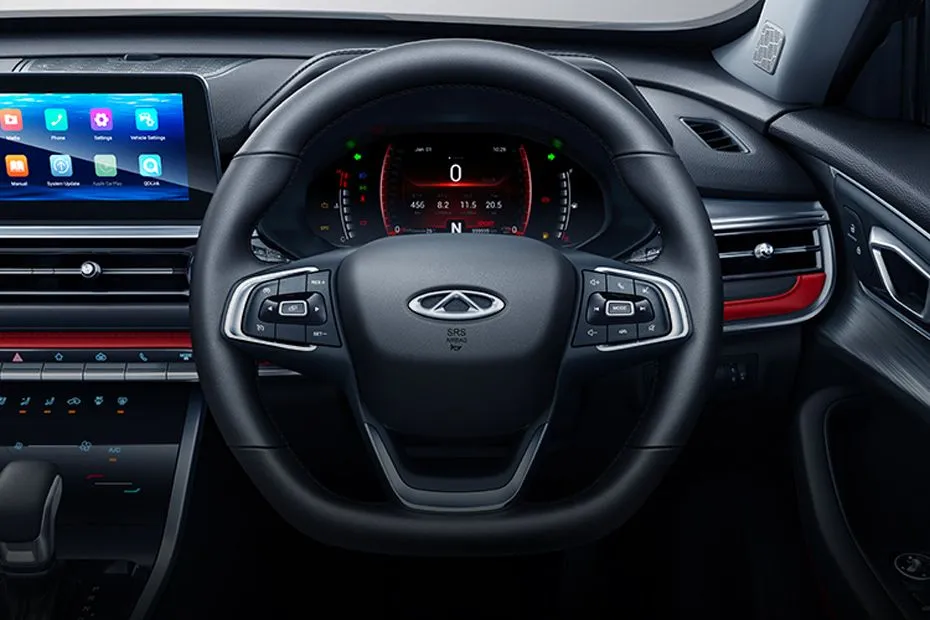
South African and international journalists who drove the Chery Q at Chery’s Longshan testing centre in Wuhu, China, in April and May 2026 were broadly positive about the car’s fundamentals at this price point.
“It’s a compact, yet spacious EV with a playful streak…the steering felt light and easy to use. It’s built for exactly this sort of fun, but in all seriousness, it’s here where we can get a feel for how Chery products handle under a bit of pressure.”
AutoTrader journalist Ane Albertse, first drive of Chery Q at Chery’s Longshan testing centre, Wuhu, China, May 2026
The rear-wheel-drive layout on a car of this size gives it a sharper feel than a front-wheel-drive competitor at the same weight. Multiple reviewers noted the interior space was surprisingly generous relative to the exterior dimensions, with the T12 platform’s flat floor enabling good rear-seat legroom and headroom.
Charging infrastructure: where you can and cannot rely on public networks
South Africa’s public charging network has grown from roughly 350 stations in mid-2023 to 500-plus by mid-2025, with an EV-to-charger ratio of approximately 1:7 (ChargePointSA market research, 2026). Gauteng has 60 to 70 public charging locations; Pretoria specifically has 10 charging stations (Electromaps). The Zero Carbon Charge N3 corridor is rolling out a 120-site solar-powered charging network along the Johannesburg to Durban route (DiscoveryAlert), which will materially improve long-distance viability for sub-400 km range EVs on that corridor.
Load-shedding passed 300 consecutive days without outages at midnight on 12 March 2026 (ChargePointSA). That streak has significantly reduced the anxiety around charging reliability. However, NERSA and Wood Mackenzie warn that retiring coal capacity creates a supply gap between 2026 and 2030, and periodic outages by 2027 to 2028 are described as a genuine risk (Reslink Energy, May 2026). Public EV chargers without solar or battery backup will go offline during load-shedding; 42% of GridCars chargers already use solar integration (ChargePointSA), which provides some resilience.
The N1 gap between Beaufort West and Three Sisters, approximately 300 km of limited fast charging, is the most material infrastructure constraint for a Chery Q or Dolphin Surf Comfort owner attempting a Cape Town to Johannesburg trip in a single day. Both cars can complete the journey with careful planning and a Paarl or Worcester departure charge, but neither offers the buffer of a 400-plus km real-world range car.
Home charging: what both launches include, and what to do if you need more
Both BYD and Chery are including a 7 kW home charging wallbox with their launch packages, which removes the most significant hidden cost for first-time EV buyers. A fully installed 7 kW smart wallbox in 2026 costs R13,800 to R16,200 for a straightforward installation within 15 metres of the DB board, per ChargePointSA, rising to R15,000 to R35,000 if the main supply needs upgrading. Getting that unit included in the purchase price is meaningful.
If your home has a three-phase supply, the ChargePoint SA Caro Pro (CP-AC22) at from approximately R13,900 per unit (indicative, plus installation quoted per site) charges at up to 22 kW, turning a near-empty Chery Q battery around in roughly two hours rather than eight. For most buyers who charge overnight, the supplied 7 kW unit is sufficient. If you live in a complex or sectional title scheme, ask the installer specifically about load balancing options and your body corporate’s consent process: a charger on common property requires an ordinary resolution of more than 50% of members under the STSMA. For a charger on your exclusive-use parking, the process is simpler under STSMA section 27.
The policy gap that keeps driving up purchase prices
“You cannot incentivise EV production on one hand and penalise EV adoption on the other. Without urgent tax reform and infrastructure funding, South Africa risks constraining domestic EV demand at precisely the moment it is trying to attract EV investment.”
Joubert Roux, Co-Founder and Chair of CHARGE, on the absence of consumer EV incentives in South Africa, 2026
As of mid-2026, South Africa has not introduced any consumer EV tax credit, rebate, or subsidy. The 150% manufacturer production tax deduction (effective March 2026) benefits vehicle assemblers, not buyers. President Cyril Ramaphosa indicated in January 2025 that consumer incentives are under consideration, but no timeline has been confirmed. In practice, the 25% import duty on EVs versus 18% on petrol vehicles adds thousands of rands to every Chinese EV sold here. Until that changes, the price premium South Africans pay relative to buyers in Europe, the UK, or the United States will persist.
Feature parity at the sub-R340,000 price point
“Three cars, three philosophies, virtually the same price bracket. Here is the thing about this table: the Chery Q wins on tech at every price point.”
ChargePointSA comparison analysis of the Chery Q, Geely E2, and BYD Dolphin Surf at sub-R340,000 pricing, May 2026
The Chery Q’s pre-order launch package includes a complimentary home charging pile, a portable backup charger, a R5,000 public charging card or deposit contribution, a power tailgate upgrade, and a 7-year/150,000 km warranty backing that package up. BYD’s Dolphin Surf launch package included a R10,000 cash incentive, a free 7 kW home charger, and R999 per month Absa insurance. These are promotional positions that will not persist indefinitely: once the launch excitement passes, buyers will be left with the base product and whatever warranty terms are in the contract. That is where the Chery Q’s 7-year warranty and the BYD’s confirmed 8-year battery warranty become the substance behind the marketing.
Who should buy which car
The BYD Dolphin Surf Dynamic at R389,900 is the better-value choice today for a buyer who needs a car on the road now, wants a confirmed battery warranty, and is comfortable with the 255 to 270 km real-world range in South African mixed driving. The launch-included 7 kW charger, 3-year service plan, and the Dolphin Surf’s established dealer network and growing SA sales record (239 units sold in March 2026 alone, making it the best-selling EV that month by NAAMSA data) all reduce first-owner risk. The Comfort at R339,900 is attractive on price but its 200 to 215 km real-world range requires discipline around charging habits that not every buyer will sustain.
The Chery Q makes sense if you are prepared to wait until Q3/Q4 2026 for confirmed pricing, if the 300 to 350 km real-world range better suits your regular routes, and if you are willing to accept the uncertainty around battery warranty terms and the brand’s current parts supply challenges in exchange for the longer vehicle warranty and potentially lower entry price. If Chery confirms pricing at R329,900 and finalises a battery warranty comparable to BYD’s 8-year/200,000 km coverage, the value proposition shifts decisively in its favour.
Neither car replaces a petrol vehicle for buyers who regularly drive routes without charging infrastructure. But for the 44 to 55 km per day average South African commuter charging at home overnight, both represent a genuine and cost-effective alternative to a petrol hatchback at current fuel prices, with monthly home-charging costs roughly one-tenth of the equivalent petrol bill at April 2026 inland prices.
To find out which EV fits your specific routes, budget and lifestyle, find your perfect EV with ChargePoint SA’s selection tool.
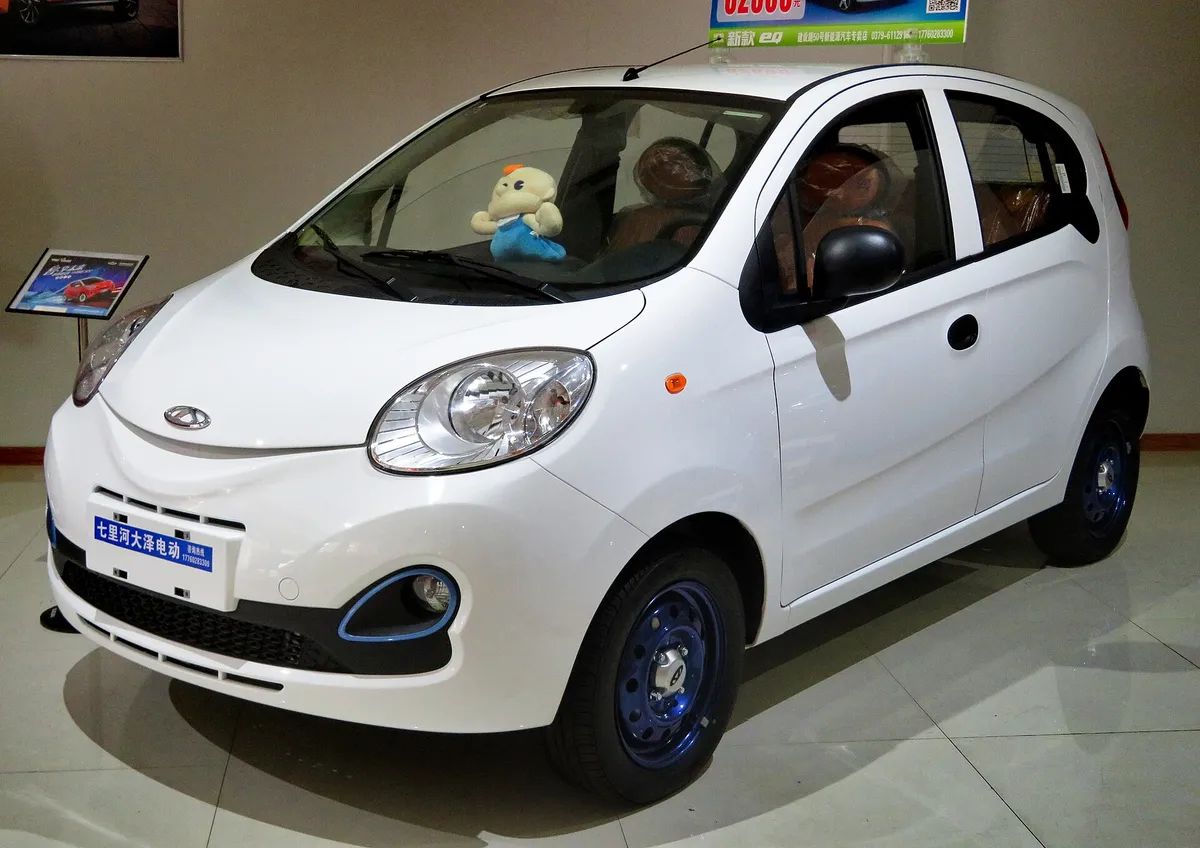
Photo: Kevauto / WikimediaCommons
Compare the Chery Q and BYD Dolphin Surf side-by-side
Explore specs, pricing and real-world range for both models.
Compare these EVs →WhatsApp us
CoC-certified installers, nationwide