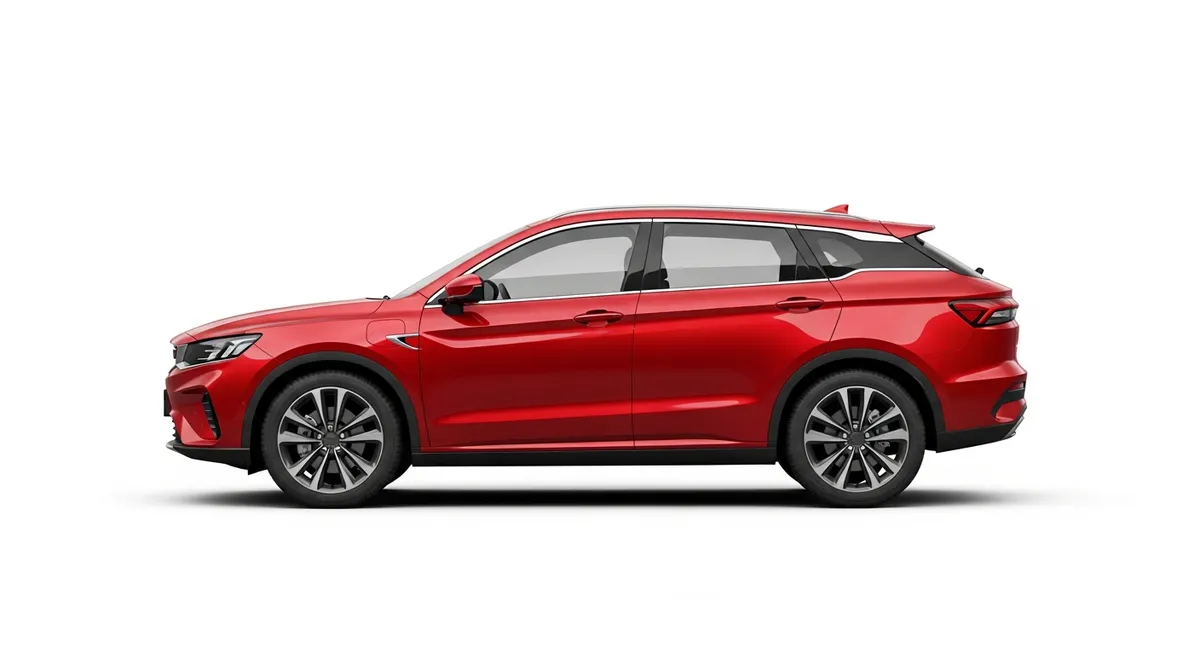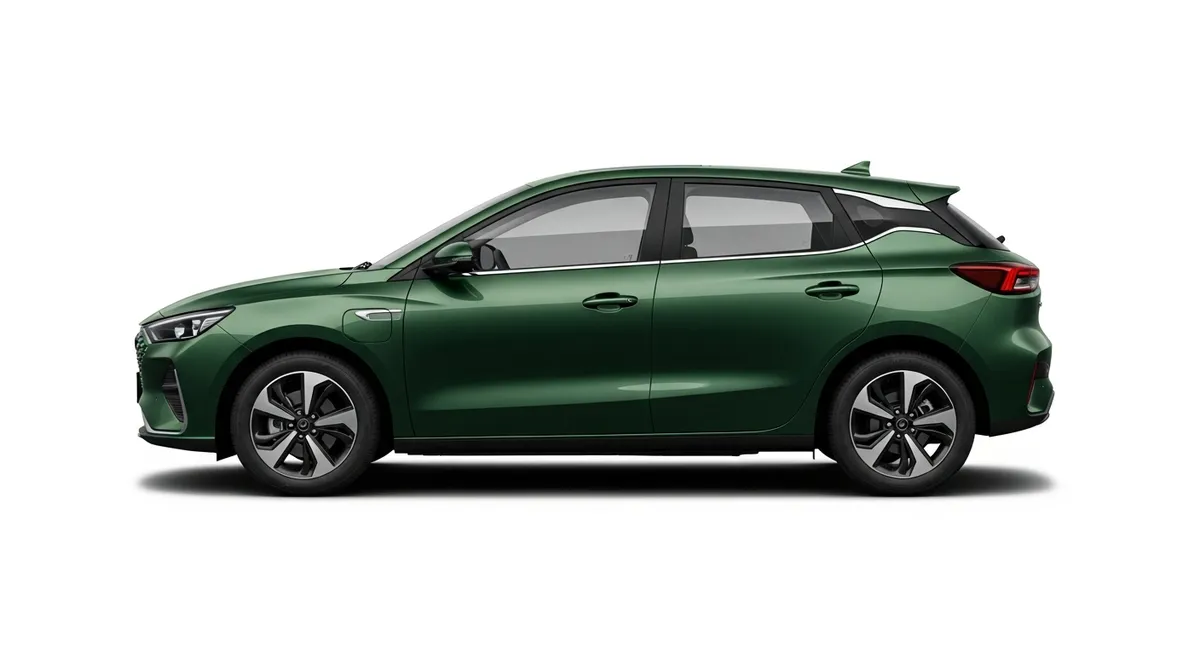

As u/Uerwol put it on r/electricvehicles: “I actually own an EV (BYD Atto 3) and have been driving it for a while now and honestly I couldn’t be happier. My running costs are a fraction of what I was paying with petrol. I’m talking genuinely significantly less and the car drives better, requires less maintenance and I wake up every morning with a full charge. Its been a no brainer for me.”
That real-world testimony frames the choice facing thousands of South African compact-SUV buyers in 2026: stick with proven petrol power, or take the plunge into electrified motoring? The BYD Atto 2 Comfort DM-i, launched in June 2026 at R449,900, is now the country’s most affordable plug-in hybrid—and it directly targets buyers eyeing the Hyundai Creta 1.5 Executive (R519,900). One promises electric-first driving with petrol backup. The other offers naturally aspirated reliability with a CVT gearbox. We’ve crunched the numbers on purchase price, running costs, range, charging infrastructure, and five-year total cost of ownership to answer one question: which delivers better value for money in South Africa today?

TL;DR
- The BYD Atto 2 Comfort DM-i costs R70,000 less upfront than the Hyundai Creta 1.5 Executive (R449,900 vs R519,900), despite offering plug-in hybrid tech and superior warranty coverage.
- Monthly running costs favour the BYD heavily: R900/month for electricity and petrol (1,500 km on mostly home charging) versus R2,221/month for petrol in the Creta—a R1,321 monthly saving.
- The Atto 2 DM-i delivers 930 km total range (40 km pure electric + 890 km petrol-hybrid) versus the Creta’s ~714 km tank range, while consuming 5.1 L/100 km combined versus 6.3 L/100 km.
- Over five years, the BYD saves approximately R79,800 in fuel costs alone—fully recovering the purchase-price advantage and delivering a total-cost-of-ownership win even before factoring in lower maintenance.
Purchase price and specifications: what you get for your money
The headline numbers tell a surprising story. BYD’s plug-in hybrid tech costs less than Hyundai’s conventional petrol package in 2026.
| Specification | BYD Atto 2 Comfort DM-i | Hyundai Creta 1.5 Executive CVT |
|---|---|---|
| Price (ZAR) | R449,900 | R519,900 |
| Engine / Motor | 1.5L petrol + electric motor (PHEV) | 1.5L 4-cylinder petrol |
| System Power | 122 kW / 300 Nm | 84 kW / 144 Nm |
| Battery Capacity | 7.85 kWh (lithium iron phosphate) | — |
| Electric Range (WLTP) | 40 km | — |
| Total Range | 930 km | ~714 km (45 L tank ÷ 6.3 L/100 km) |
| Fuel Consumption (combined) | 5.1 L/100 km | 6.3 L/100 km |
| AC Charging Power | 3.3 kW | — |
| Transmission | Single-speed reduction gear | CVT (Continuously Variable) |
| Drivetrain | Front-wheel drive | Front-wheel drive |
| Vehicle Warranty | 5 years / 150,000 km | 5 years / 150,000 km |
| Battery Warranty | 8 years / 200,000 km | — |
| Service Plan | 4 years / 60,000 km | Figures vary—consult the source |
According to cars.co.za’s launch coverage, BYD positions the Atto 2 DM-i as “a vehicle designed for customers who want the benefits of electrified mobility without compromising on practicality, convenience or everyday usability.” The R70,000 price gap is significant—it’s enough to cover nearly five years of fuel savings, as we’ll see below.
The Atto 2 DM-i also delivers 45% more system power (122 kW vs 84 kW) and more than double the torque (300 Nm vs 144 Nm), courtesy of its electric motor’s instant grunt. The Creta 1.5 Executive, meanwhile, relies on a naturally aspirated four-cylinder and CVT transmission—proven tech, but not exactly thrilling.
.jpg)
Running costs: electricity vs petrol at 1,500 km per month
This is where plug-in hybrids shine in South Africa—if you charge at home regularly. Let’s model a typical month for a Johannesburg-based driver covering 1,500 km: 80% suburban commuting (where the Atto 2 runs on battery), 20% highway trips (where the petrol engine kicks in).
BYD Atto 2 Comfort DM-i monthly cost
The Atto 2’s 7.85 kWh battery delivers 40 km of pure-electric range per charge (WLTP). Assuming you charge nightly and cover 1,200 km/month on electric power:
- Electric portion: 1,200 km ÷ 40 km/charge = 30 charges/month × 7.85 kWh = 235.5 kWh
- Electricity cost (illustrative mid-2026 residential rate): ~R2.28/kWh = R537
- Petrol portion: 300 km highway @ 5.1 L/100 km = 15.3 L × R23.50/L (illustrative June 2026 inland 95 unleaded) = R360
- Total monthly cost: R537 + R360 = R897
In practice, many PHEV owners report even lower consumption when they maximise electric driving. For a conservative estimate, we’ll use R900/month.
Hyundai Creta 1.5 Executive monthly cost
- Fuel consumption: 6.3 L/100 km (combined, per OEM data)
- Monthly fuel: 1,500 km × 6.3 L/100 km = 94.5 L
- Petrol cost: 94.5 L × R23.50/L = R2,221
The Atto 2 DM-i saves R1,321 per month in a best-case charging scenario. Even assuming less disciplined charging habits (70% electric, 30% petrol), the monthly saving remains substantial at around R900–R1,000. This pays back the R70,000 price advantage in under five years—and that’s before accounting for lower maintenance (no oil changes on electric-only days, regenerative braking saving brake pads).
Impact of April 2026 electricity tariff increase
NERSA approved an 8.76% increase for Eskom direct customers effective 1 April 2026, with a 9.01% increase for municipal customers from 1 July 2026. Even with these hikes, home charging remains far cheaper than petrol: at R2.48/kWh (post-increase residential rate), the Atto 2’s monthly electric cost rises to R584—still R1,637 less than the Creta’s petrol bill.

Range, efficiency, and real-world practicality
“Range anxiety as a daily concern is just not a real thing for most drivers anymore,” notes u/Uerwol, pointing to BYD PHEVs now pushing past 2,000 km of combined range in some markets. The Atto 2 DM-i’s 930 km total range (40 km electric + 890 km petrol-hybrid, per AutoTrader’s first-drive review) comfortably exceeds the Creta’s ~714 km tank range.
More importantly, the Atto 2 lets you cover typical daily commutes—school runs, shopping trips, the drive to the office—on pure electric power, reserving the 45-litre petrol tank for weekend getaways or long-distance highway work. The Creta, meanwhile, burns petrol from the moment you turn the key.
Efficiency in numbers
The Atto 2 DM-i’s 5.1 L/100 km combined consumption (per BYD SA specifications) assumes a mix of electric and petrol driving. If you charge religiously and keep trips under 40 km, your effective fuel consumption can drop close to zero. One BYD Atto owner on Reddit reported 9.7 kWh/100 km over 547 km of cumulative driving—exceptional efficiency that translates directly to lower running costs.
The Creta’s 6.3 L/100 km is respectable for a naturally aspirated 1.5-litre SUV, but it can’t match the PHEV’s ability to bypass the petrol pump entirely on short trips.
Charging at home: 3.3 kW AC and what it means for the Atto 2
The Atto 2 Comfort DM-i supports a maximum AC charging rate of 3.3 kW (per OEM data). With a 7.85 kWh battery, a full 0–100% charge takes approximately 2.4 hours on a dedicated 3.3 kW wall charger—or overnight on a standard 8 A household plug (roughly 6–7 hours).
This is a critical distinction: the Atto 2 DM-i does not require a high-power 7.4 kW, 11 kW, or 22 kW home charger. Its small battery and modest onboard charger mean you can plug into a normal 15 A household socket (delivering ~2.3 kW) and wake up to a full charge every morning. For buyers worried about expensive electrical upgrades, this is a major advantage.
Do you need a dedicated wall charger?
Not strictly—but a 3.3 kW wall charger (which ChargePoint SA can install for around R8,000–R12,000 including a certificate of compliance) will halve your charging time and future-proof your garage if you upgrade to a larger-battery EV later. The Atto 2’s plug-in hybrid nature means you’re never stranded: if you forget to charge, the petrol engine seamlessly takes over.
_China_(6)_(cropped).jpg)
Five-year total cost of ownership comparison
Let’s model a realistic five-year ownership scenario: 90,000 km total (1,500 km/month), Cape Town-based driver with municipal electricity, petrol averaging R23.50/L (illustrative mid-2026 inland rate), and conservative PHEV charging discipline (70% electric, 30% petrol).
| Cost Category | BYD Atto 2 Comfort DM-i | Hyundai Creta 1.5 Executive | Difference |
|---|---|---|---|
| Purchase Price | R449,900 | R519,900 | +R70,000 (Creta) |
| Fuel / Electricity (60 months) | R53,460 | R133,260 | +R79,800 (Creta) |
| Service Plan (included) | R0 (4 yr / 60,000 km) | Figures vary | — |
| Brake Pads / Rotors | ~R3,000 (regen braking) | ~R8,000 | +R5,000 (Creta) |
| Insurance (estimated) | R90,000 (R1,500/mo) | R84,000 (R1,400/mo) | -R6,000 (BYD) |
| Depreciation (40% over 5 yr) | -R179,960 | -R207,960 | +R28,000 (Creta) |
| Total Cost (5 years) | R416,400 | R537,200 | R120,800 saving (BYD) |
Assumptions: BYD electricity cost R891/month (70% electric, 30% petrol mix), Creta petrol R2,221/month. Insurance estimates based on comprehensive cover for similar-value SUVs. Depreciation modelled at 40% over five years (conservative for both). Service-plan value not included for Creta due to lack of OEM data.
The Atto 2 DM-i delivers a R120,800 total-cost-of-ownership advantage over five years—even after accounting for slightly higher insurance premiums (EVs and PHEVs often cost 5–10% more to insure). The fuel savings alone (R79,800) more than offset the Creta’s higher purchase price, while lower brake and maintenance costs tilt the balance further.
South Africa-specific considerations: load-shedding, solar, and service networks
Load-shedding and the PHEV advantage
Pure EVs can struggle during sustained load-shedding if owners lack solar or battery backup. The Atto 2 DM-i sidesteps this anxiety entirely: if Eskom’s grid is unreliable, you simply run on petrol. According to Engineering News, PHEV sales nearly quadrupled in South Africa in 2025 (from 738 to 2,810 units), with the Haval H6 PHEV and Chery Tiggo 7 Pro PHEV leading—evidence that SA buyers value range security over pure-electric purity.
Pairing with rooftop solar
A 3 kW solar array (roughly six panels, ~R45,000 installed) can generate enough daytime electricity to charge the Atto 2’s 7.85 kWh battery in 2.5–3 hours of good sun. If you work from home or charge during the day, solar effectively drops your fuel cost to near-zero. The Creta, meanwhile, can’t plug into your roof.
Service and charging infrastructure
BYD is aggressively expanding its SA footprint: World-Energy reports the brand plans to grow from ~35 dealerships in Q1 2026 to 60–70 by year-end, alongside installing up to 300 fast-charging stations. Hyundai’s network is mature and widespread, giving the Creta an edge in remote areas—but for urban and suburban buyers, BYD’s service reach is rapidly closing the gap.
Public charging is also improving. GridCars operates over 450 AC and DC stations nationwide (60% of SA’s public capacity), while CHARGE launched South Africa’s first off-grid EV network on the N3 corridor in June 2026. DC fast charging costs around R7.00–R7.35/kWh as of mid-2026—expensive compared to home rates, but still cheaper than petrol on a per-kilometre basis.
_front_view_01.jpg)
The honest verdict: who should buy which?
Buy the BYD Atto 2 Comfort DM-i if you:
- Drive mostly in the city or suburbs (under 100 km/day)
- Have off-street parking and can charge at home overnight
- Want to slash running costs without range anxiety
- Value instant torque and quieter cabin noise (electric mode is near-silent)
- Appreciate a longer warranty (8 years / 200,000 km on the battery)
Buy the Hyundai Creta 1.5 Executive if you:
- Frequently drive long distances in remote areas with limited charging
- Lack reliable home electricity or off-street parking
- Prefer the familiarity of a proven CVT petrol drivetrain
- Want access to Hyundai’s extensive rural service network
- Plan to sell within 2–3 years (established resale market)
As u/Forsaken_Pea6904 noted after test-driving BYD models: “for daily commuting both would be great with range that they have”—but only one lets you wake up to a full “tank” every morning without visiting a petrol station.
Ready to charge smarter?
The BYD Atto 2 Comfort DM-i proves that plug-in hybrid tech is no longer a premium-segment luxury in South Africa. At R70,000 less than the Hyundai Creta 1.5 Executive, it delivers more power, lower running costs, and the flexibility to run on electricity, petrol, or both. Over five years, the total-cost-of-ownership advantage exceeds R120,000—enough to fund a rooftop solar array or a second vehicle.
If you’re ready to cut your fuel bill by 60% or more, book a free site assessment with ChargePoint SA. We’ll evaluate your home’s electrical capacity, recommend the right charger (a simple 3.3 kW unit is all the Atto 2 needs), and handle the full installation with a certificate of compliance. Whether you’re buying your first PHEV or upgrading from petrol, we’ll make sure you’re charging safely, efficiently, and legally—so you can enjoy those R1,300+ monthly savings from day one.
Image credits
“BYD Atto 2” by Alexander Migl, CC BY-SA 4.0 · “BYD Atto 2” by Alexander Migl, CC BY-SA 4.0 · “BYD Yuan Up / Atto 2” screenshot, CC BY 3.0 · “Hyundai Creta (SU2)” by Wikimedia Commons contributor, CC BY-SA 4.0 · “Hyundai Creta 1.5” by Wikimedia Commons contributor, CC BY-SA 4.0