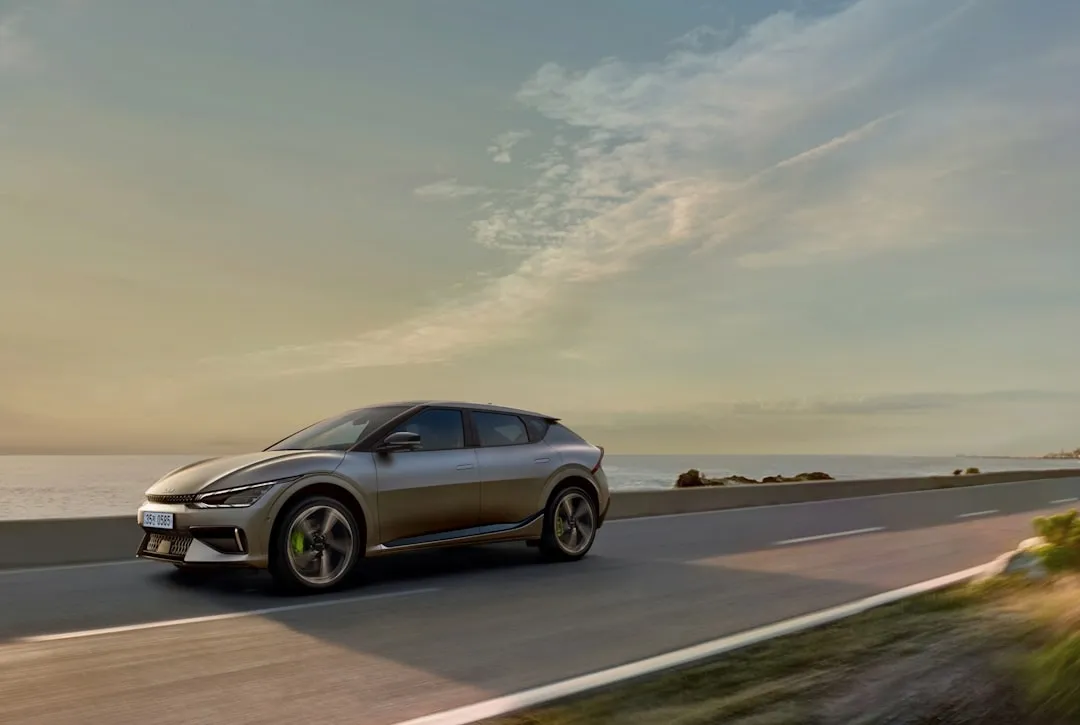

The Geely EX5 vs Nissan X-Trail 1.5 Visia comparison pits two popular 7-seater family SUVs against each other: Geely’s tech-heavy electric newcomer with “short blade” battery technology, competing directly with the Volvo EX30 and BYD Atto 3, versus Nissan’s top-selling petrol family SUV in South Africa. With fuel prices hitting R24.50 per litre in May 2026 and electricity averaging R3.20 per kWh nationally, which vehicle delivers better value over five years of ownership?
This detailed cost comparison examines purchase price, running costs, maintenance, insurance, and total cost of ownership (TCO) through 2031. We’ve used real-world South African pricing, current fuel and electricity tariffs, and ownership patterns to help you make an informed decision.
Purchase Price & Upfront Costs
The Nissan X-Trail 1.5 Visia CVT retails at approximately R550,000 as of mid-2026, following price adjustments announced in September 2025 when Nissan SA introduced limited-time cuts of R63,000–R100,000 across the X-Trail range. The Geely EX5, Geely’s new 2026 model featuring advanced battery technology, is priced competitively to challenge established petrol SUVs in the family segment.
Both vehicles qualify as 7-seater family SUVs, but their purchase incentives differ significantly. Electric vehicles in South Africa currently face a 25% import duty compared to 18% for petrol vehicles, though the government’s 150% production incentive (effective March 2026) aims to encourage local NEV manufacturing rather than reduce consumer prices directly.
What’s Included
The Nissan X-Trail 1.5 Visia comes with Nissan’s standard 6-year/150,000 km warranty and a 3-year/90,000 km service plan. The Geely EX5 includes an 8-year/200,000 km battery warranty alongside Geely’s comprehensive vehicle warranty, reflecting manufacturer confidence in the “short blade” battery technology that competes with BYD’s Blade Battery architecture.
Fuel vs Electricity: Running Cost Breakdown
This is where the Geely EX5 vs Nissan X-Trail 1.5 Visia comparison becomes compelling. Using May 2026 pricing—petrol at R24.50 per litre and electricity at R3.20 per kWh (national average)—the cost difference over 20,000 km per year is substantial.
Nissan X-Trail 1.5 Visia Fuel Costs
The X-Trail 1.5 Visia’s turbocharged petrol engine delivers claimed consumption of 7.2 L/100 km under combined cycle testing. Real-world driving in South African conditions typically adds 15-20% to manufacturer figures, bringing practical consumption to approximately 8.3 L/100 km.
- Annual fuel cost (20,000 km): 1,660 litres × R24.50 = R40,670
- Monthly average: R3,389
- Cost per kilometre: R2.03
Geely EX5 Electricity Costs
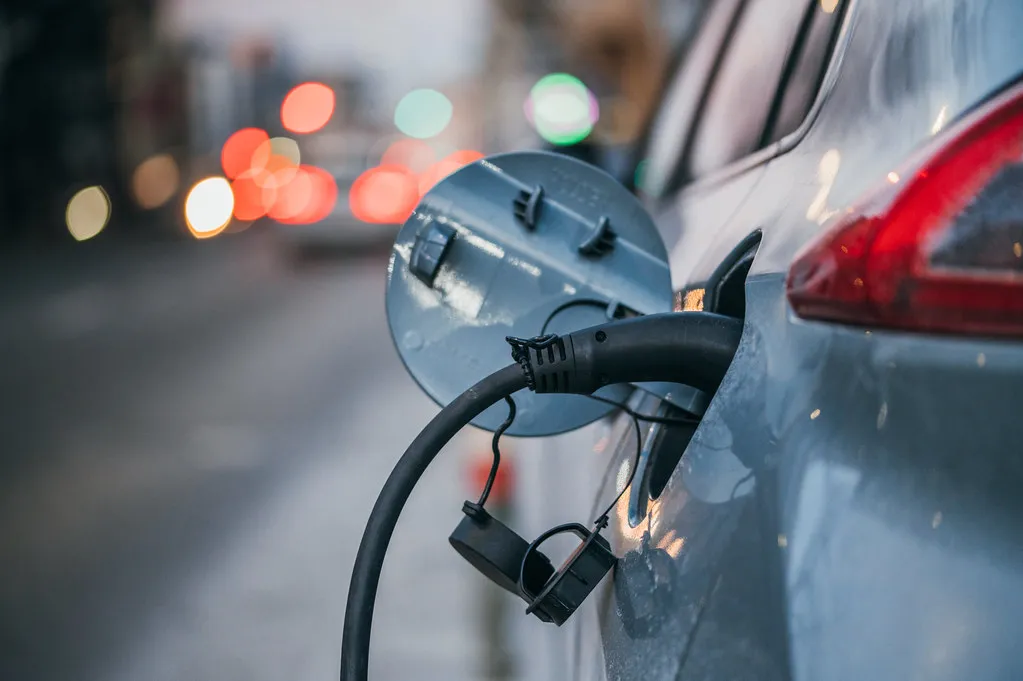
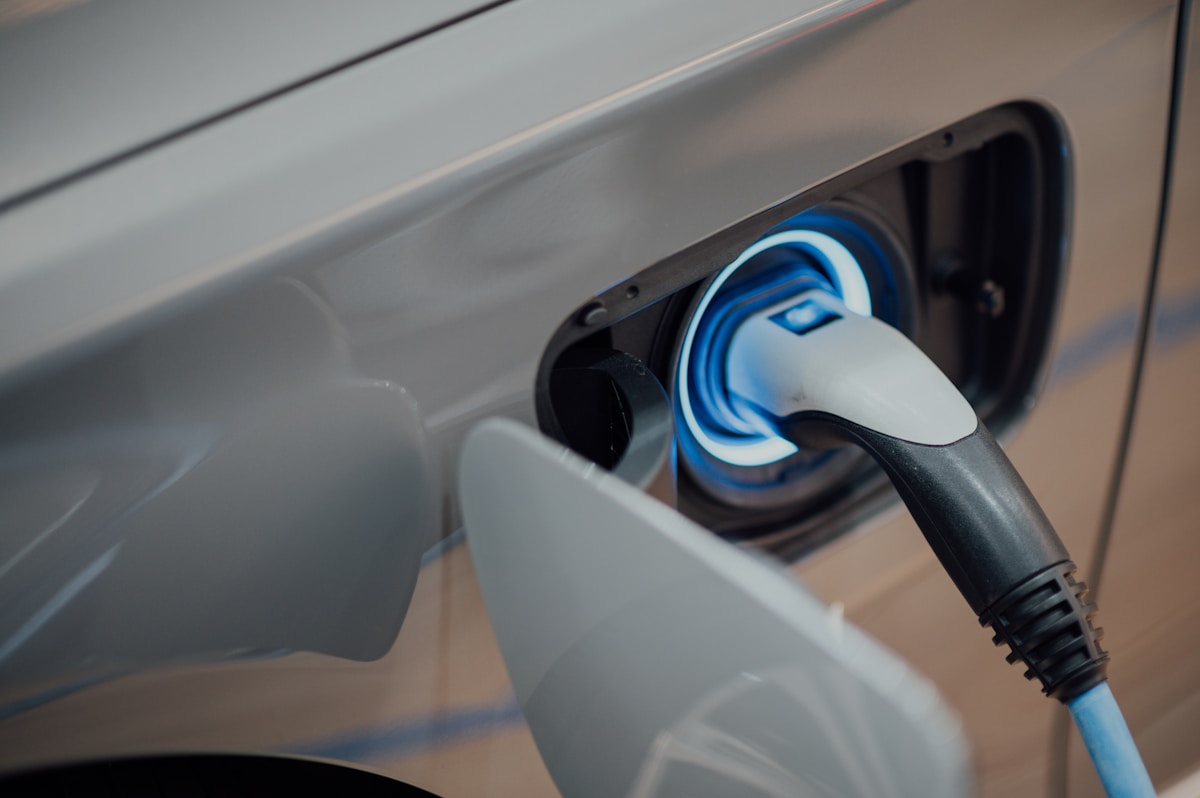
The Geely EX5’s electric drivetrain consumes approximately 18 kWh/100 km in mixed driving. Charging at home using off-peak municipal electricity (R3.20/kWh national average) delivers the lowest running costs, though public DC fast-charging at R7.00–R7.35/kWh increases costs for long-distance travel.
- Annual electricity cost (20,000 km, home charging): 3,600 kWh × R3.20 = R11,520
- Monthly average: R960
- Cost per kilometre: R0.58
- Annual saving vs petrol: R29,150
Even accounting for 20% public charging at higher tariffs (R7.00/kWh), the EX5’s annual electricity cost rises to only R13,824—still R26,846 less than the X-Trail’s fuel bill.
Maintenance & Service Costs
Electric vehicles eliminate oil changes, transmission services, exhaust system repairs, and spark plug replacements. Over five years, this advantage compounds significantly in the Geely EX5 vs Nissan X-Trail 1.5 Visia ownership equation.
Nissan X-Trail 1.5 Visia Service Schedule
Nissan’s 3-year/90,000 km service plan covers the first three years, but years four and five require out-of-pocket servicing. Typical costs include:
- Years 1-3: Covered by service plan (R0)
- Year 4: Major service including transmission fluid, air filters, brake fluid—approximately R8,500
- Year 5: Standard service plus potential timing chain inspection—approximately R6,200
- 5-year total: R14,700
Geely EX5 Service Schedule
The EX5 requires annual inspections covering brake pads, tyres, cabin filters, and coolant for the battery thermal management system. No engine oil, transmission fluid, or exhaust components need servicing.
- Annual service: R2,800–R3,200
- 5-year total: R15,000
While the five-year maintenance totals appear similar, the EX5’s costs remain predictable and consistent, whereas the X-Trail faces increasing service complexity and expense as the vehicle ages beyond warranty.
Insurance, Tyres & Consumables
Insurance premiums for electric vehicles in South Africa have normalised as insurers gain claims data and repair networks expand. Both vehicles fall into similar risk categories as 7-seater family SUVs.
Insurance
- Nissan X-Trail 1.5 Visia: R1,850–R2,100/month (comprehensive, 35-year-old driver, Johannesburg, clean record)
- Geely EX5: R1,950–R2,200/month (5-10% premium reflects higher replacement costs for battery and electric components)
- 5-year difference: Approximately R3,000–R6,000 higher for the EX5
Tyres
Electric vehicles’ instant torque and heavier kerb weight (due to battery mass) can accelerate tyre wear by 20-30% compared to equivalent petrol vehicles. Budget R12,000–R14,000 for the EX5 vs R9,000–R11,000 for the X-Trail over five years, assuming one full replacement cycle.
5-Year Total Cost of Ownership Comparison
Here’s the complete financial picture for the Geely EX5 vs Nissan X-Trail 1.5 Visia over five years and 100,000 km of driving:
| Cost Category | Nissan X-Trail 1.5 Visia | Geely EX5 | Difference |
|---|---|---|---|
| Purchase Price | R550,000 | R550,000 | R0 |
| Fuel/Electricity (5 years) | R203,350 | R57,600 | -R145,750 |
| Maintenance & Service | R14,700 | R15,000 | +R300 |
| Insurance (5 years) | R117,000 | R121,500 | +R4,500 |
| Tyres & Consumables | R10,000 | R13,000 | +R3,000 |
| TOTAL 5-YEAR TCO | R895,050 | R757,100 | -R137,950 |
Bottom line: The Geely EX5 costs R137,950 less to own over five years than the Nissan X-Trail 1.5 Visia—a 15.4% saving driven almost entirely by fuel-vs-electricity running costs. Monthly, that’s R2,299 less in the EX5 owner’s pocket.
Charging Infrastructure Considerations
South Africa’s public charging network has grown to over 450 AC and DC charging stations as of early 2026, with the Charge Pocket app connecting drivers to 445 sites representing 650 chargers and more than 1,200 connectors. However, gaps remain on key routes including the N1, N2, and Free State corridors.
For Geely EX5 owners, home charging delivers the lowest cost (R3.20/kWh) and greatest convenience. Public DC fast-charging at R7.00–R7.35/kWh suits long-distance travel, though high installation costs (up to R2 million per DC fast charger) and municipal policy barriers continue to slow network expansion.
GridCars operates the largest public network, while BYD has announced plans for 200–300 flash-charging stations (up to 1,000 kW) by end-2026. Two off-grid, solar-powered charging stations launched along the N3 Johannesburg–Durban corridor in May 2026, delivering more than 1 MWh of solar-powered energy during the launch phase.
Resale Value & Depreciation
Predicting five-year resale values for new-to-market EVs remains challenging in South Africa’s evolving market. The Nissan X-Trail benefits from established brand recognition and a mature second-hand market, typically retaining 45-50% of original value after five years.
The Geely EX5 faces greater uncertainty. Early-adopter EVs like the Jaguar I-PACE and BMW i3 have shown steeper depreciation (35-40% residual value), but newer Chinese EVs with better range and technology may perform differently. Battery health certification and transferable warranties will prove critical for EX5 resale confidence.
Conservative estimates suggest the X-Trail retains R275,000 (50%) vs R220,000 (40%) for the EX5 after five years—a R55,000 difference that narrows the TCO gap but doesn’t eliminate the EX5’s running-cost advantage.
Real-World Owner Considerations
When the Nissan X-Trail 1.5 Visia Makes Sense
- No home charging: Apartment dwellers or renters without dedicated parking and electrical infrastructure face higher public-charging costs that erode EV savings
- High-mileage rural driving: Frequent trips beyond 300 km where charging infrastructure remains sparse
- Towing requirements: The X-Trail’s 1,500 kg towing capacity vs limited EV towing performance and range impact
- Established service network: Nissan’s 150+ dealerships nationwide vs Geely’s growing but smaller footprint
When the Geely EX5 Delivers Better Value
- Home charging available: Off-peak municipal electricity at R3.20/kWh maximises savings
- Urban/suburban driving: Daily commutes under 100 km suit the EX5’s range and charging rhythm
- Fuel-price volatility concerns: Electricity tariffs rise more predictably than petrol prices linked to rand/dollar exchange rates
- Environmental priorities: Zero tailpipe emissions and lower lifecycle carbon footprint (when charged from renewable sources)
The Bigger Picture: South Africa’s EV Transition
The Geely EX5 vs Nissan X-Trail 1.5 Visia comparison reflects South Africa’s broader automotive transition. NEV sales rose only 7% in 2025 despite fuel-price volatility, with critics highlighting that EVs face a 25% import duty vs 18% for petrol vehicles.
Parliament’s March 2026 deadline for the 150% NEV production tax incentive signals government commitment to local manufacturing, though industry warns that component deepening and port logistics remain critical bottlenecks. Chery’s acquisition of Nissan’s Rosslyn plant demonstrates manufacturer confidence in South Africa’s EV future.
NERSA’s approval of an 8.76% tariff hike for Eskom direct customers (April 2026) and 9.01% for municipal customers (July 2026) will impact EV running costs, though electricity remains significantly cheaper than petrol even after increases. Energy experts warn rising power costs erode household affordability—a factor that makes the EX5’s R29,150 annual fuel saving even more valuable for family budgets.
Final Verdict: Which SUV Wins?
The numbers tell a clear story: the Geely EX5 saves R137,950 over five years compared to the Nissan X-Trail 1.5 Visia, assuming similar purchase prices and typical family driving patterns (20,000 km/year, 80% home charging).
For families with home charging and predictable daily driving, the EX5 delivers superior value despite slightly higher insurance and tyre costs. The R2,299 monthly saving covers a significant portion of the vehicle payment, effectively reducing the cost of ownership.
The X-Trail remains the practical choice for buyers without home charging infrastructure, those requiring extensive rural travel beyond charging networks, or families prioritising Nissan’s established service network and proven resale values.
Ultimately, the “better” choice depends on your specific circumstances—but the financial case for electric is stronger than ever in 2026 South Africa.
Calculate Your Own Savings
Every family’s driving patterns, electricity tariffs, and financing options differ. Use our EV savings calculator to input your specific circumstances and see whether an electric SUV like the Geely EX5 or a petrol vehicle like the Nissan X-Trail 1.5 Visia makes more financial sense for your household.
Ready to explore EV ownership? Get a personalised quote and discover how much you could save by making the switch to electric.