

Hermanus, the Western Cape’s renowned whale-watching destination approximately 120 kilometres from Cape Town, is experiencing a quiet revolution in electric vehicle adoption. As South Africa’s EV market recorded a historic 389 sales in March 2026 and AutoTrader reported a 220% year-on-year surge in EV searches, this affluent coastal town is positioning itself at the forefront of sustainable transport infrastructure. Whether you’re a homeowner, guesthouse operator, or business owner considering EV charger installation in Hermanus, understanding the complete cost landscape, municipal tariffs, and installation requirements is essential for making an informed investment in 2026.
This comprehensive guide covers everything from basic home charger setups starting at R8,000 to commercial installations exceeding R35,000, with specific insights into Overberg Municipality’s electricity tariffs, installer selection criteria, and the unique opportunities presented by Hermanus’s thriving tourism economy.
Understanding EV Charger Installation Costs in Hermanus
The total cost of EV charger installation in Hermanus varies significantly based on charger type, installation complexity, and your property’s existing electrical infrastructure. Based on 2026 market data, homeowners and businesses can expect the following investment ranges:
| Installation Type | Cost Range (ZAR) | Typical Use Case |
|---|---|---|
| Basic Level 1 (3.7 kW) home charger | R8,000 – R12,000 | Single EV, overnight charging, existing dedicated circuit |
| Level 2 (7–22 kW) home charger | R15,000 – R25,000 | Faster home charging, multiple vehicles, solar integration |
| Commercial/hospitality installation | R20,000 – R35,000+ | Guesthouses, B&Bs, retail, fleet charging |
| DB board upgrade (if required) | R5,000 – R15,000 | Older properties requiring electrical panel modernisation |
These figures include equipment, labour, and basic compliance certification. Properties requiring significant electrical upgrades—common in Hermanus’s historic homes and heritage buildings—may see costs at the higher end of these ranges. The coastal environment also necessitates corrosion-resistant hardware, adding approximately 10–15% to standard inland installation costs.
What Drives Installation Costs in Hermanus?
Several Hermanus-specific factors influence your final installation cost:
- Distance from distribution board: Hermanus properties often feature long driveways and detached garages, requiring extended cable runs that add R150–R300 per metre
- Coastal corrosion protection: Salt air necessitates marine-grade enclosures and stainless-steel mounting hardware
- Municipal compliance: Overberg Municipality requires Certificate of Compliance (CoC) from registered electricians, adding R1,500–R3,000
- Smart charger features: Load management, solar integration, and remote monitoring add R3,000–R8,000 but deliver long-term savings
- Trenching and civil works: Underground cable installation through landscaped gardens costs R500–R1,200 per metre
Hermanus Electricity Tariffs and Charging Economics
Understanding your charging costs is critical to calculating return on investment. Overberg Municipality supplies electricity to Hermanus at approximately R3.20 per kWh for residential customers in 2026, following NERSA’s approved 8.76% Eskom tariff increase effective 1 April 2026.
Real-World Charging Cost Comparison
Consider a popular entry-level EV like the BYD Dolphin Surf (South Africa’s most affordable EV at R339,900 as of February 2026) with a 44.9 kWh battery:
| Charging Scenario | Cost per Full Charge | Cost per 100 km | Annual Cost (15,000 km) |
|---|---|---|---|
| Home charging (R3.20/kWh) | R143.68 | R19.15 | R2,872 |
| Public DC fast charging (R4.50/kWh avg) | R202.05 | R26.94 | R4,041 |
| Petrol equivalent (R24/litre, 7L/100km) | — | R168 | R25,200 |
Even with the April 2026 tariff increase, home charging in Hermanus remains approximately 88% cheaper than petrol per kilometre—a compelling case for home charger installation that pays for itself within 12–18 months for most drivers.
Time-of-Use Optimisation
Following Eskom’s removal of Inclining Block Tariffs in April 2025, Hermanus residents on Eskom’s Homeflex time-of-use tariff (compulsory for solar-fed customers) can further reduce costs by charging during off-peak periods (22:00–06:00), when rates drop to approximately R1.80/kWh—a 44% saving over standard rates.
Choosing the Right EV Charger for Hermanus Conditions
Hermanus’s unique coastal environment and tourism-driven economy require careful charger selection. Here’s what to prioritise:
Essential Features for Hermanus Installations
- IP65 or higher ingress protection: Mandatory for coastal installations to prevent salt-air corrosion and moisture damage
- Load management capability: Critical for properties with solar installations or limited municipal supply capacity
- OCPP compatibility: Open Charge Point Protocol ensures future-proofing as networks like WattSpot expand to the Western Cape in Q3 2026
- Dual-socket or tethered cable: Hospitality operators should consider dual-socket units to serve multiple guests simultaneously
- Smart metering: Essential for guesthouses billing guests for charging—tracks consumption per session with 0.1 kWh accuracy
Recommended Charger Brands for Hermanus
Based on local installer feedback and coastal durability testing, these brands perform reliably in Hermanus conditions:
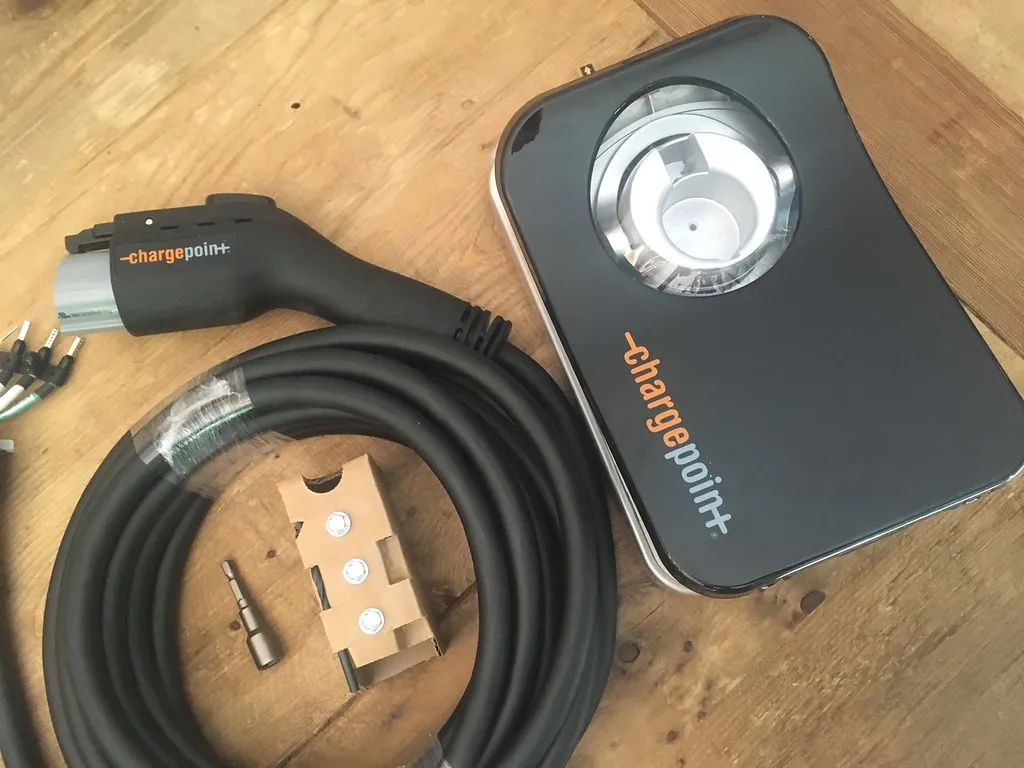
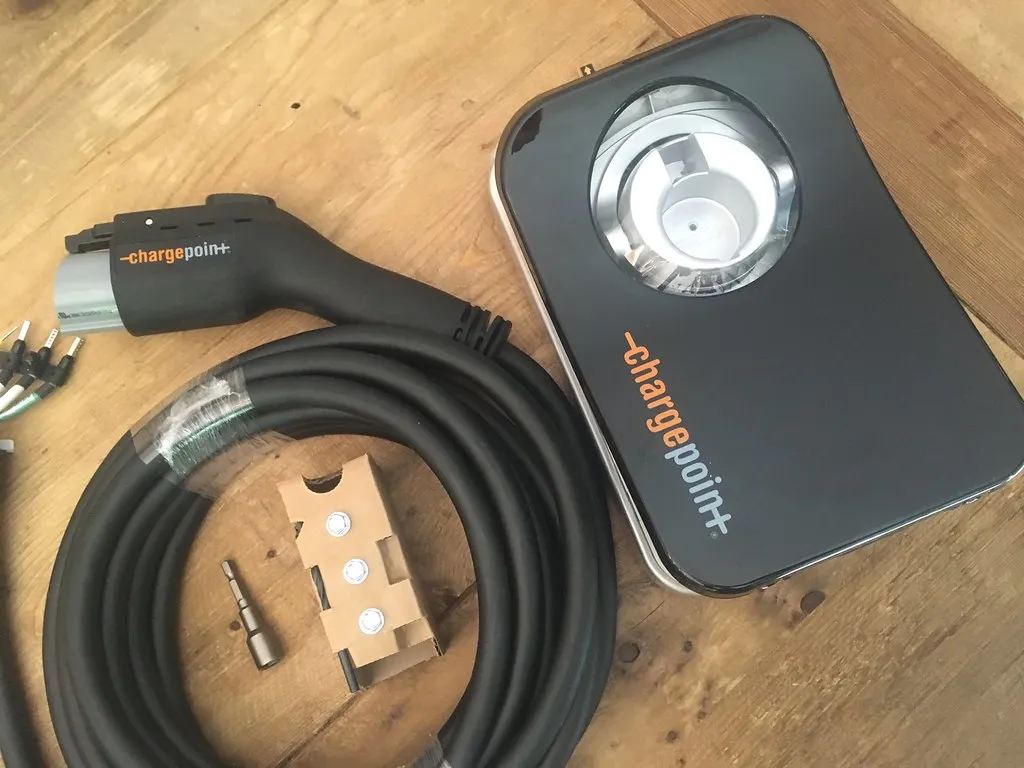
- ChargePointSA CP-AC7-CP (7 kW): R7 400 supply-only (installation extra), app-controlled, IP65-rated for coastal weather
- ChargePointSA CP-AC22-CP (22 kW): R13 900, three-phase tethered Type 2, built for hospitality and commercial installs
- ChargePointSA CP-AC7-CP (7 kW): R7 400, tethered Type 2, IP65, OCPP app control
- ChargePointSA CP-DUO-44B (dual 2×22kW): RFQ pricing, commercial-grade reliability, dual-socket configuration built in
Avoid budget chargers lacking IP65 rating or local warranty support—coastal failures are common and expensive to remedy.
The Hermanus Tourism Opportunity: Charging Infrastructure for Hospitality
Hermanus’s economy revolves around tourism, with over 150 registered guesthouses, B&Bs, and boutique hotels. As EV adoption accelerates toward a market tipping point in 2026, charging infrastructure is rapidly becoming a competitive differentiator for accommodation providers.
Why Hospitality Operators Should Install Now
- Guest demand is surging: Cape Town to Garden Route is South Africa’s premier coastal EV route; Hermanus is the natural overnight stop
- Premium pricing opportunity: Properties can charge R50–R150 per charging session, recovering installation costs within 24–36 months
- Marketing advantage: Listings on PlugShare, Chargemap, and booking platforms highlight EV-friendly properties to high-value travellers
- Future-proofing: With BYD planning 200–300 flash-charging stations by end of 2027, destination charging will complement—not replace—hospitality charging
Commercial Installation Considerations
Hospitality installations differ from residential projects:
- Multiple units: Budget R22,000–R28,000 per charging point for 2–4 unit installations with load balancing
- Payment integration: Smart chargers with billing capability cost R5,000–R8,000 more but enable guest charging fees
- Signage and access: Clear wayfinding and secure overnight parking add R3,000–R6,000 to project costs
- Insurance and liability: Notify your insurer and consider R2,500–R4,000 annual premium increase for charging infrastructure
Finding Qualified Installers in Hermanus
Hermanus has a limited pool of electricians experienced in EV charger installation. Selecting the right professional is critical to safety, compliance, and long-term reliability.
Installer Selection Checklist
- Registered with Department of Employment and Labour: Verify registration number and ensure installer holds valid wireman’s licence
- EV charging experience: Request photos and references from minimum three previous Hermanus installations
- Coastal installation expertise: Ask specifically about corrosion protection methods and IP-rated enclosure experience
- Manufacturer certification: ChargePointSA’s own certified installation teams keep your charger’s warranty valid
- Insurance coverage: Minimum R5 million public liability insurance and professional indemnity cover
- Certificate of Compliance: Confirm installer will provide CoC for Overberg Municipality submission
Red Flags to Avoid
- Quotes significantly below R8,000 for basic installations—indicates corner-cutting on compliance or materials
- Reluctance to provide written quotations with itemised costs
- Pressure to use specific charger brands without explaining technical rationale
- Inability to explain load calculation methodology or DB board capacity assessment
- No mention of earthing system verification or RCD protection requirements
For vetted, qualified installers serving Hermanus and the Overberg region, request quotes through ChargePoint SA’s installer network—all professionals are pre-screened for licensing, insurance, and EV-specific experience.
Solar Integration and Load-Shedding Resilience
Hermanus enjoys excellent solar irradiation (averaging 5.2 kWh/m²/day) and has largely escaped the load-shedding that plagued South Africa through 2023–2024. However, forward-thinking homeowners are pairing EV chargers with solar installations to maximise energy independence and reduce grid reliance.
Solar-Optimised Charging Economics
A typical 5 kW rooftop solar system in Hermanus (cost: R80,000–R120,000 installed) generates approximately 25 kWh per day—enough to fully charge a BYD Dolphin Surf every two days from solar alone. When paired with a smart charger featuring solar excess charging:
- Daytime charging cost: R0/kWh (solar excess) vs R3.20/kWh (grid)
- Annual saving: R2,872 (full grid charging) reduced to R800–R1,200 (winter grid top-ups only)
- System payback: Combined solar + EV charger installation pays for itself in 6–8 years through fuel and electricity savings
Note that under Eskom’s April 2025 tariff restructuring, Homeflex time-of-use tariff is now compulsory for solar-fed customers. This affects export credit rates and requires careful system sizing to maximise self-consumption rather than grid export.
Battery Backup Considerations
While Hermanus has enjoyed stable grid supply in 2025–2026, some homeowners are adding battery storage (R60,000–R150,000 for 10–15 kWh systems) to enable EV charging during potential future outages. This is particularly relevant for hospitality operators who cannot afford guest service disruptions.
Regulatory Compliance and Municipal Requirements
All EV charger installations in Hermanus must comply with Overberg Municipality electrical regulations and national wiring standards (SANS 10142-1).
Mandatory Compliance Steps
- Electrical Certificate of Compliance (CoC): Required for all new fixed electrical installations; issued by registered electrician upon completion (R1,500–R3,000)
- Municipal notification: Overberg Municipality requires 48-hour advance notice for installations exceeding 20 A load; submit via municipal website or Hermanus office
- Earthing verification: Installer must test and certify earth resistance below 20 Ω; coastal properties often require earth spike upgrades (R2,000–R5,000)
- RCD protection: 30 mA Type B RCD mandatory for EV charging circuits to detect DC fault currents (R1,800–R2,500)
- Labelling and signage: Charging point must display voltage, current rating, and emergency contact information per SANS 10142-1
Heritage Property Considerations
Hermanus’s historic Old Harbour area and several residential streets fall under heritage protection. If your property is heritage-listed, additional approvals may be required for external charger mounting or visible cable runs. Consult Heritage Western Cape before commencing installation to avoid costly remediation.
2026 Market Outlook: Why Install Now
Several converging factors make 2026 an optimal year for EV charger installation in Hermanus:
- EV market acceleration: March 2026’s record 389 EV sales and 220% search growth signal mainstream adoption is underway
- Price compression: Entry-level EVs like the BYD Dolphin Surf at R339,900 are bringing electric mobility within reach of middle-income buyers
- Manufacturing incentive: The 150% NEV tax incentive (live 1 March 2026) is expected to stabilise long-term pricing as manufacturers move toward local assembly
- Infrastructure expansion: CHARGE’s R100 million DBSA-backed off-grid network and BYD’s 1,000 kW flash-charger rollout will improve Western Cape coastal routes by late 2026
- Fuel price anxiety: Record petrol prices are driving the 220% surge in EV searches—home charging offers immediate cost relief
For hospitality operators, the window to establish first-mover advantage is narrowing. As more Hermanus properties install chargers, the competitive differentiation diminishes—but early adopters will capture the growing EV tourist market through 2026–2027.
Getting Started: Your Next Steps
Ready to install an EV charger at your Hermanus property? Follow this roadmap:
- Assess your electrical capacity: Have a qualified electrician evaluate your DB board and determine if upgrades are needed (free assessment from most installers)
- Define your requirements: Single vs multiple vehicles, charging speed needs, solar integration plans, hospitality billing requirements
- Request multiple quotes: Obtain minimum three written quotations with itemised costs; verify installer credentials and insurance
- Plan for future expansion: If budget allows, install conduit and wiring for future second charger—adds only R2,000–R4,000 now vs R8,000+ later
- Coordinate with solar installer: If planning solar, synchronise projects to optimise load management and avoid duplicate electrical work
- Schedule installation: Book 3–4 weeks ahead during peak season (November–March); off-season installations (April–August) often secure 10–15% discounts
Hermanus is uniquely positioned at the intersection of South Africa’s EV revolution and the Western Cape’s world-class coastal tourism economy. Whether you’re a homeowner future-proofing your property, a guesthouse operator capturing the EV tourist market, or a business investing in fleet electrification, professional EV charger installation delivers compelling returns in 2026 and beyond.
Ready to get started? Request free quotes from qualified Hermanus EV charger installers and join the Western Cape’s electric mobility transformation.