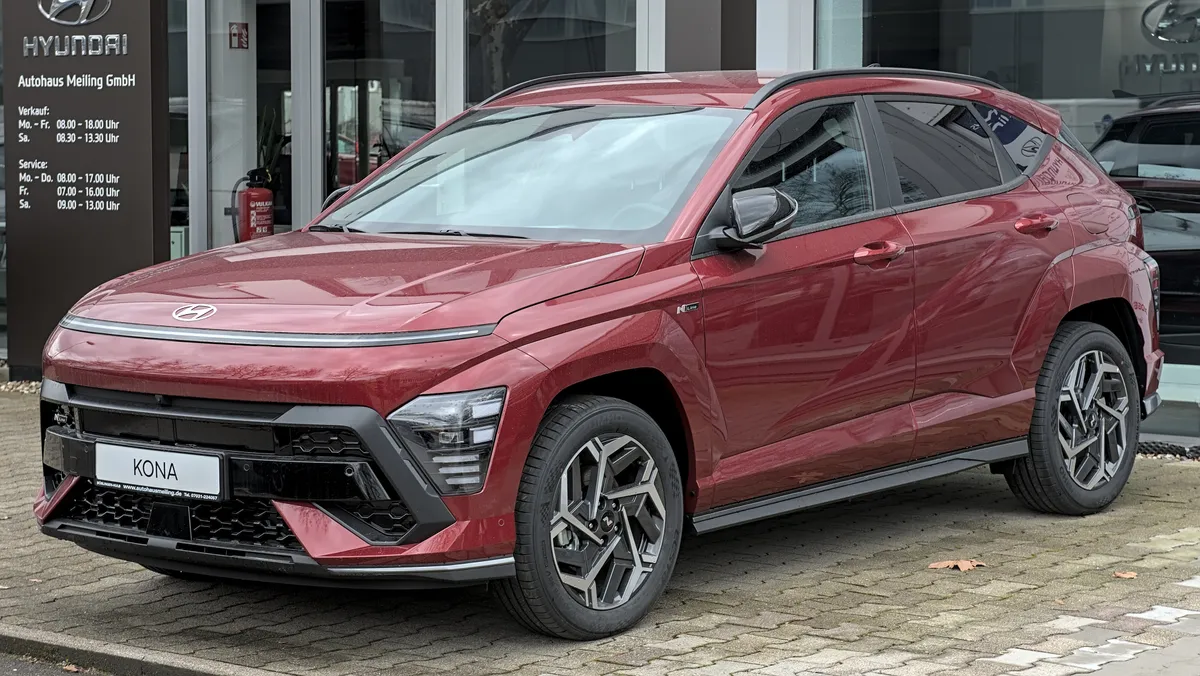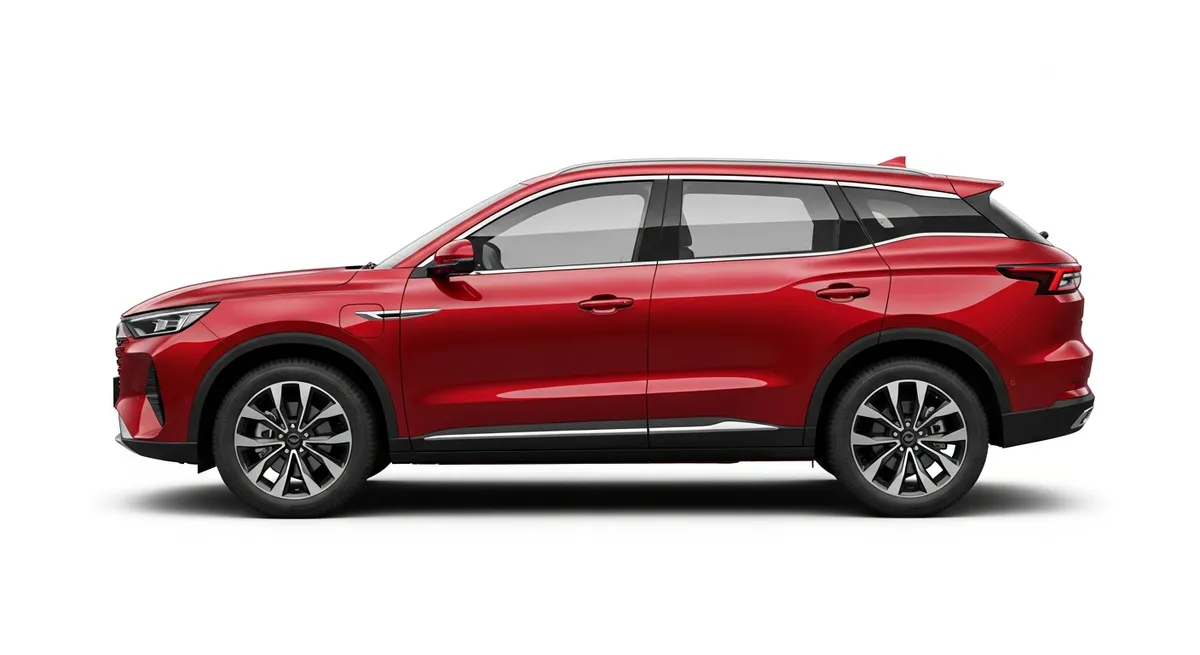

The BYD Dolphin Surf landed in South African showrooms in early 2026 at R339,900 — the first sub-R350k EV from a major brand — but for the 60% of buyers who live in sectional title complexes, the real hurdle isn’t the price tag. It’s convincing a body corporate to approve a home charger installation, a process that takes 2–6 weeks and requires navigating the Sectional Titles Act, electrical capacity assessments, and trustee meetings.

In March 2026, Sectional Title Solutions published guidance on EV charger approvals for homeowners’ associations and body corporates — the clearest roadmap yet for residents navigating shared electrical infrastructure. With installers reporting 2–6 week approval timelines and public charging networks expanding slowly due to municipal bureaucracy, home charging remains the make-or-break factor for EV ownership in South Africa.
Body corporate approval for EV chargers in sectional title schemes takes 2–6 weeks and requires a trustee resolution under Sectional Titles Act Section 5. You’ll need proof of electrical capacity (typically single-phase 60–80A supply), a SANS 10142-compliant electrician quote, and load management plans for shared parking areas. Installation costs range R8,000–R15,000 for a standard 7 kW AC wallbox in a garage bay, with the owner covering all expenses. Public charging remains inadequate — home charging is the only reliable way to avoid queues, premium tariffs (R7.00+/kWh), and unreliable station uptime.
Why body corporate approval matters now
As u/More-Sock-67 put it on r/electricvehicles: “I can’t emphasize enough how much home charging can make or break the EV experience. I had to use superchargers for the first 2 weeks and it was miserable. My city doesn’t have a great network so that didn’t help. Either way, you’re charging more often than you’d get gas and you’re sitting there way longer.”
South Africa’s public charging infrastructure grew modestly in early 2026 — Rubicon added 11 stations in the Eastern Cape between January and February, while GridCars operates over 450 sites nationwide. But expansion is slowing: Pretoria’s Basic Charge policy has made new installations financially unviable in some metros, and Rubicon’s network still comprises just 103 public stations for a country of 60 million people.
Meanwhile, NERSA approved an 8.76% electricity tariff increase for Eskom direct customers in April 2026 (9.01% for municipal customers in July). Home charging on a municipal time-of-use tariff still costs roughly R2.50–R4.00 per kWh during off-peak hours — half the R7.00–R7.35/kWh you’ll pay at a Rubicon or GridCars DC fast charger.
The legal framework: Sectional Titles Act Section 5
Under South Africa’s Sectional Titles Act, any modification to common property — including running a dedicated electrical circuit to your parking bay — requires a special resolution by the body corporate trustees. The 2016 amendments to the Act don’t explicitly address EV chargers, so trustees typically treat installations as “exclusive use area” upgrades: you bear the cost, you maintain the equipment, and the infrastructure reverts to the body corporate if you sell.
TopAuto’s May 2026 installation guide confirms that body corporate approval is non-negotiable for sectional title complexes, alongside mandatory licensed electrician work under SANS 10142 and municipal electrical permits.
Step-by-step approval process
1. Check your complex’s electrical capacity
Before approaching the trustees, confirm the building can support an additional 7–11 kW load. ChargePoint SA’s 2026 installation guide notes that most SA homes run on single-phase 60–80A supply — sufficient for a standard 7 kW charger. But older complexes with undersized distribution boards may require a load management system or grid connection upgrade.
Ask your body corporate managing agent for a copy of the electrical certificate of compliance (CoC) and the main breaker rating. If the building has spare capacity, you’re in good shape. If not, you may need to propose a shared load management system (see below).
2. Get a SANS 10142-compliant electrician quote
South African law requires a registered electrician to design and install any new circuit. Your quote should include:
- Circuit breaker and cable sizing (typically 32A or 40A breaker, 6mm² or 10mm² cable)
- Dedicated earth leakage protection (mandatory for EV circuits)
- Conduit or trunking from the distribution board to your parking bay
- Wall-mounted charger unit (7 kW AC is the SA standard for home use)
- Municipal electrical permit application
- Final CoC upon completion

Apartment charging guides peg the all-in cost at R8,000–R15,000 for a single AC wallbox in a garage. If you’re installing in an open parking bay without existing power, expect the higher end of that range due to trenching and conduit work.
3. Draft your body corporate application
Your application to the trustees should include:
- Motivation letter: Explain why you need the charger, confirm you’ll cover all costs, and commit to maintaining the equipment.
- Electrician’s quote and scope of work: Attach the SANS 10142-compliant quote from step 2.
- Load impact assessment: Show that your 7 kW charger represents 0.X% of the building’s total capacity (e.g., 7 kW ÷ 500 kW main incomer = 1.4%).
- Insurance and liability: Confirm your household insurance covers the charger, and indemnify the body corporate against damage caused by your installation.
- Proposed conduct rules: If you’re the first EV owner in the complex, suggest draft rules for future installations (e.g., “Chargers must be wall-mounted, metered separately, and maintained by the owner”).
Sectional Title Solutions recommends proposing a load management system if multiple residents plan to install chargers. These systems (available from installers like ChargePoint SA) rotate charging sessions to prevent simultaneous peak draw — critical for complexes with limited electrical headroom.
4. Attend the trustee meeting (or request a special resolution)
Body corporate trustees typically meet quarterly. If your complex has a proactive managing agent, your application may be tabled at the next scheduled meeting. Otherwise, you can request a special resolution — though this may incur admin fees.
Be prepared to answer questions about:
- Fire safety: Modern EV chargers have built-in overcurrent and earth leakage protection. The risk of electrical fire is lower than a tumble dryer or geyser.
- Resale value: EV charging infrastructure is increasingly seen as a value-add. MyPR’s March 2026 buyer guide notes that many modern complexes are proactively installing EV-ready infrastructure to attract buyers.
- Precedent: Once one unit has a charger, others will follow. Propose a standardised approval process to streamline future requests.

5. Installation and compliance handover
Once the trustees approve (typically 2–6 weeks from application), your electrician can begin work. Expect the physical installation to take 1–2 days for a straightforward garage bay, longer if trenching or distribution board upgrades are needed.
Upon completion, the electrician will issue a CoC and submit it to your municipality. You’ll receive a compliance certificate within 4–6 weeks. File a copy with your body corporate managing agent — it’s proof that the installation meets SANS 10142 and won’t void the building’s electrical insurance.
What this means for SA EV buyers
Plan ahead — charger approval takes longer than car delivery
BYD’s Dolphin and Atto 3 models now have 4–6 week delivery windows from order to handover. But body corporate approval can take 2–6 weeks, and municipal permits another 4–6 weeks. Start your charger application before you order the car, or you’ll spend your first month as an EV owner hunting for public chargers.
As u/jrosen9 noted on r/electriccars: “I looked at our Electric Utility company and they offer an $850 credit toward getting your house ready for level 2 charging. However, they require you to have an EV registered to your house to claim the credit. This feels like a chicken and the egg situation as wouldn’t I want the house ready for the charger prior to getting an EV?” South African EV buyers face the same timing puzzle — solve it by starting the approval process early.
Right-size your charger (7 kW is plenty for overnight charging)
GridCars’ BYD onboarding portal specifies a 7.4 kW home charger as standard, delivering roughly 30 km of range per hour. For a typical 60 kWh EV with 400 km range, that’s a full charge in 8 hours — perfect for overnight top-ups.
BMW South Africa’s home charging guide touts 22 kW wallboxes, but these require three-phase power (uncommon in SA residential complexes) and won’t meaningfully reduce your charging time unless you’re doing multiple daily trips. For body corporate applications, a 7 kW single-phase charger is easier to approve and half the installation cost.
Rental and sectional title tenants: negotiate upfront
If you’re renting in a complex, the approval process is doubly complex: you need both landlord and body corporate sign-off. As u/lendacharge shared on r/evcharging: “I live in a rental house — no Level 2 charger installed, landlord won’t approve one, so I’m stuck either hunting for public stations or using a slow Level 1 outlet in the garage that adds about 30 miles overnight.”
Propose a win-win: you cover the installation cost, the landlord keeps the charger when you move out (boosting the property’s rental value for the next EV-driving tenant). Some SA landlords are warming to this — especially in Cape Town and Johannesburg, where EV adoption is highest.
What’s next: watch for HOA policy updates
South Africa’s Department of Human Settlements has flagged EV infrastructure as a priority for the next round of Sectional Titles Act amendments, likely in 2027. Expect clearer guidance on:
- Deemed approval timelines: If trustees don’t respond within 30 days, the application may be auto-approved (similar to Australian strata reforms).
- Standardised conduct rules: Template EV charging policies that body corporates can adopt without legal fees.
- Shared infrastructure incentives: Tax breaks or municipal rebates for complexes that install multi-bay charging hubs.
In the meantime, BYD’s announcement of a 200–300 station megawatt-scale charging network (deployment starting Q2 2026) will ease public charging anxiety — but home charging will remain the cheapest, most convenient option for daily use.
Key stats: SA EV charging landscape (2026)
| Metric | Value | Source |
|---|---|---|
| Body corporate approval timeline | 2–6 weeks | EV24.africa |
| Home charger installation cost (7 kW AC) | R8,000–R15,000 | Apartment charging guide |
| Standard home charger power | 7 kW (single-phase) | ChargePoint SA |
| Range added per hour (7.4 kW) | ~30 km | GridCars BYD portal |
| Public DC fast charging tariff | R7.00–R7.35/kWh | ChargePoint SA |
| Home charging cost (off-peak municipal TOU) | R2.50–R4.00/kWh | Estimate based on NERSA 2026 tariffs |
| GridCars public charging network | 450+ stations, 650 chargers | GridCars network data |
| Rubicon public charging network | 103 stations (Feb 2026) | CleanTechnica |
| BYD Dolphin Surf launch price | R339,900 | ChargePoint SA |
Stakeholder reactions: installers, automakers, and body corporates
Installers: “Approval delays are the biggest bottleneck”
ChargePoint SA and other accredited installers report that technical work (running cables, mounting chargers, issuing CoCs) takes 1–2 days. The 2–6 week timeline is almost entirely body corporate admin: waiting for trustee meetings, legal reviews, and special resolutions.
One Western Cape installer told EV24.africa: “We’ve had clients wait three months because the managing agent kept deferring the application. Meanwhile, they’re paying R7/kWh at Rubicon stations instead of R3/kWh at home. It’s costing them thousands.”
Automakers: “Home charging is the sales enabler”
BMW South Africa’s EV buyer guide now includes a R10,000 charging voucher with every iX and i4 sale — redeemable for home wallbox installation or public charging credit. The message: home charging isn’t optional; it’s the foundation of EV ownership.
BYD’s local distributor has partnered with GridCars to offer a bundled 7.4 kW home charger with every Atto 3 and Dolphin sale, though body corporate approval remains the buyer’s responsibility.
Body corporates: “We need template policies”
Sectional Title Solutions’ March 2026 guide was written in response to trustee demand for standardised EV charging conduct rules. Managing agents report fielding 5–10 charger applications per quarter in Johannesburg and Cape Town complexes — but no two applications look alike, forcing trustees to reinvent the approval process each time.
The industry is coalescing around a template: owner-funded, owner-maintained, separately metered, SANS 10142-compliant, with load management for multi-charger complexes. Expect the Community Schemes Ombud Service (CSOS) to formalise this in 2027 regulations.

Ready to charge smarter?
If you’re an EV owner — or soon-to-be owner — in a sectional title complex, don’t wait for your body corporate to draft an EV policy. Start your application now: get an electrician quote, draft your motivation letter, and table it at the next trustee meeting. The 2–6 week approval window means you can have a charger installed before your new BYD or BMW arrives.
ChargePoint SA specialises in body corporate installations across Gauteng, Western Cape, and KwaZulu-Natal. We’ll handle the electrician quote, load assessment, and compliance paperwork — so you can focus on the trustee meeting. Get a free site assessment and body corporate application pack tailored to your complex’s electrical setup.
Home charging isn’t just convenient — it’s the difference between an EV that fits your life and one that controls it. Make it happen.
Image credits
“Dark Days Ahead: Eskom Rolling Blackouts and Loadshedding” by Axel Bührmann (CC BY 2.0, via flickr) · “Eskom – they’re rolling blackouts, dammit” by Axel Bührmann (CC BY 2.0, via flickr) · “Eskom en Eksdom” by Axel Bührmann (CC BY 2.0, via flickr) · “Green Machine” by jurvetson (CC BY 2.0, via flickr)