“EVs today are V-E-R-Y overpriced,” writes u/3drikal on r/electricvehicles. “But as manufacturers focus on less ‘premium’ orders and start offering ranges in the 5-600 km at prices that rival ICE, there is simply no more reasons to go to BEV… the BEV will put ICE to shame every time.”
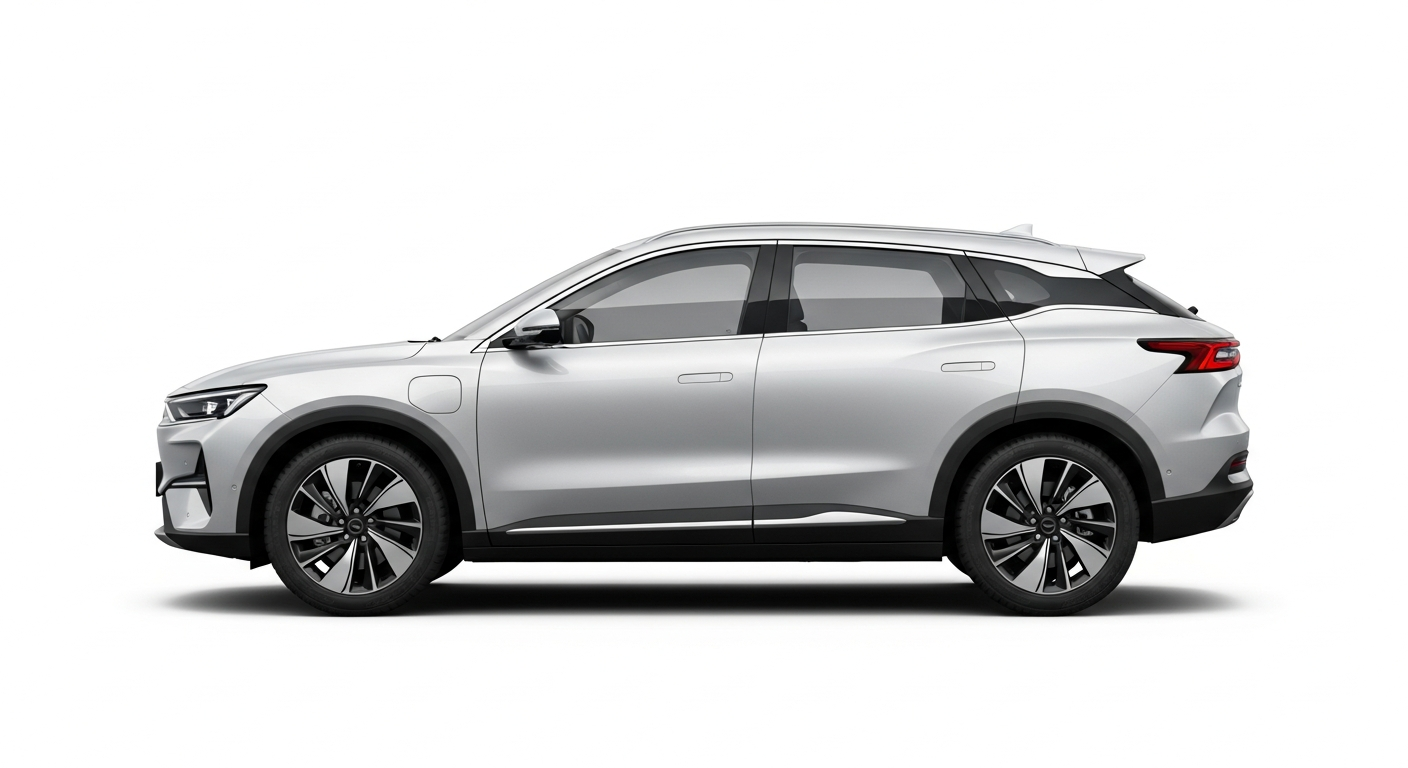
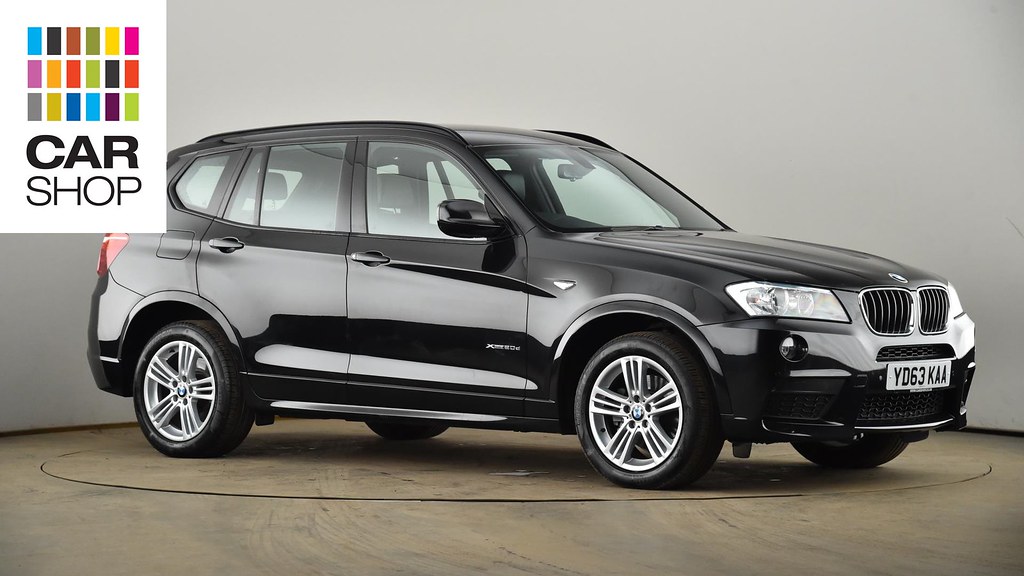
That tipping point has arrived in South Africa. The BYD Sealion 7 Premium at R1,109,900 now sits R76,517 *below* the BMW X3 xDrive20d M Sport’s R1,186,417 sticker price. Both are premium five-seat SUVs. One runs on electrons, the other on diesel. Over five years, the gap widens dramatically — but only if you can live with the EV’s real-world trade-offs in South Africa’s unique energy landscape.
TL;DR
- BYD Sealion 7 Premium costs R76,517 less upfront than the BMW X3 20d M Sport, with 520 km NEDC range and 19.8 kWh/100 km efficiency
- Monthly running costs at 1,500 km: R594 for the BYD (home charging at R2.27/kWh Eskom Homepower) vs R2,813 for the BMW (diesel at R25/L, 7.5 L/100 km), saving R2,219/month
- Five-year total cost of ownership favours the BYD by R209,657 even after factoring in higher insurance and 8.76% annual electricity tariff increases
- The BMW wins on service network density (42 SA dealers vs BYD’s 11), resale confidence, and refuelling speed — critical for buyers who can’t charge at home or travel beyond major routes regularly
Price showdown: sticker shock vs long-term value
| Specification | BYD Sealion 7 Premium | BMW X3 xDrive20d M Sport |
|---|---|---|
| Retail price (ZAR) | R1,109,900 | R1,186,417 |
| Powertrain | 82.5 kWh battery, single motor FWD | 2.0L turbo-diesel, AWD |
| Power / Torque | 230 kW / 380 Nm | 145 kW / 400 Nm |
| 0-100 km/h | 6.7 seconds | 7.1 seconds |
| Range (NEDC / tank) | 520 km | ~813 km (61 L tank) |
| Efficiency | 19.8 kWh/100 km | 7.5 L/100 km (claimed) |
| Warranty | 6 years / 150,000 km vehicle + 8 years battery | 5 years / 100,000 km |
| Service plan | 6 years / 150,000 km | 5 years / 100,000 km |
The BYD’s R76,517 price advantage is meaningful but not decisive. What matters more: the R2,219 monthly fuel saving. Over 60 months that’s R133,140 in your pocket — but only if Eskom’s tariffs behave and you drive the national average.
The March 2026 sales reality check
BYD sold just 9 Sealion 7 units in March 2026 out of 589 total brand sales — the Dolphin Surf hatchback claimed 40% of volume. The X3, meanwhile, remains one of South Africa’s best-selling premium SUVs. That gap tells you something about buyer confidence, resale anxiety, and the inertia of 120 years of internal combustion.
Running costs: the 1,500 km monthly breakdown
Assume 1,500 km per month — the South African household average for a primary vehicle. We’re using April 2026 prices: Eskom Homepower tariff at R2.27/kWh after NERSA’s 8.76% increase, and diesel at R25.00/L (inland, mid-2026 average).
BYD Sealion 7 Premium (home charging only)
- Consumption: 19.8 kWh/100 km × 15 = 297 kWh/month
- Electricity cost: 297 kWh × R2.27 = R674/month
- Public top-ups (10% of charging at R7.00/kWh GridCars): +R208
- Total monthly energy: R882
- Insurance (comprehensive, 35-year-old, good record): ~R2,100/month
- Maintenance: R0 (6-year service plan covers scheduled work)
Total monthly running cost: R2,982
BMW X3 xDrive20d M Sport
- Consumption: 7.5 L/100 km × 15 = 112.5 L/month
- Diesel cost: 112.5 L × R25.00 = R2,813/month
- Insurance (comprehensive, same profile): ~R1,850/month
- Maintenance: R0 (5-year service plan)
Total monthly running cost: R4,663
Monthly saving with the BYD: R1,681. That’s R20,172 per year, or R100,860 over five years — before compounding electricity tariff increases eat into the margin.
The Eskom tariff creep factor
NERSA approved 8.76% for 2026/27. If that rate holds (optimistic), your BYD’s monthly charging bill climbs from R882 in Year 1 to R1,218 in Year 5. Diesel inflation historically tracks CPI (~5-6%), so the gap narrows but the EV still wins on energy cost alone.
Five-year total cost of ownership
Here’s the full picture, assuming 90,000 km over five years (1,500 km/month), 8% annual electricity increases, 5% annual fuel inflation, and 15% depreciation per year on both vehicles.
| Cost category | BYD Sealion 7 Premium | BMW X3 xDrive20d M Sport |
|---|---|---|
| Purchase price | R1,109,900 | R1,186,417 |
| Energy (5 years, compounded inflation) | R58,248 | R184,392 |
| Insurance (5 years, 6% annual increase) | R141,372 | R124,434 |
| Maintenance | R0 (plan covers 90k km) | R0 (plan covers 90k km) |
| Tyres (one set @ 60k km) | R12,000 | R14,000 |
| Licence, roadworthy | R6,500 | R6,500 |
| Total spend | R1,328,020 | R1,515,743 |
| Resale value (44.4% retained) | -R492,796 | -R526,770 |
| Net 5-year cost | R835,224 | R988,973 |
BYD advantage: R153,749 over five years.
The caveat: we’ve assumed identical 15% annual depreciation. In reality, the X3’s resale curve is battle-tested; the Sealion 7’s is a guess. If BYD’s residual value drops to 35% (not unreasonable for a Chinese EV with 9 monthly sales), the TCO gap shrinks to R44,800 — still a win, but not a landslide.
Charging at home: which speed matches the Sealion 7?
The BYD Sealion 7 Premium supports 11 kW AC charging via its onboard charger. That means:
- 7.4 kW charger: 0-80% in ~9 hours (fine for overnight, bottlenecked by the charger not the car)
- 11 kW charger: 0-80% in ~6 hours (matches the car’s max AC rate — this is your sweet spot)
- 22 kW charger: still charges at 11 kW (the car can’t accept more AC power, so you’re paying for headroom you won’t use unless you add a second EV later)
For most Sealion 7 owners, an 11 kW wall-box is the Goldilocks solution. It future-proofs your driveway without wasting money on 22 kW capacity the car will never tap. Installation cost: R18,000–R25,000 depending on your DB board’s proximity and whether you need a sub-meter for Time-of-Use billing optimisation.
Public DC fast charging: the road-trip reality
The Sealion 7 supports up to 150 kW DC charging. In practice, South Africa’s 650 public chargers (across 445 sites as of April 2026) deliver 60-120 kW at most GridCars and Rubicon stations. That’s 10-80% in 35-45 minutes — enough time for a Woolworths run and a coffee, but slower than the 5-minute diesel splash-and-dash the X3 offers.
BYD plans 200-300 flash charging stations (up to 1,000 kW) by end-2026, starting at dealerships then expanding to motorways. If that materialises, the Sealion 7’s charge curve could hit 10-80% in under 20 minutes. Until then, budget 40 minutes per DC session.
South Africa-specific realities: load-shedding, solar, and service networks
Load-shedding and home charging
Stage 2-4 load-shedding (the 2026 baseline) means 2-4 hours without grid power per day. If you’re on a 6-hour overnight charge cycle with an 11 kW charger, one 2.5-hour outage can leave you 20-25 km short of a full charge. Solutions:
- Time your charging: Use Eskom’s schedule to start charging immediately after your slot ends
- Solar + battery: A 5 kW solar array with 10 kWh battery storage can top up 30-40 km of range per sunny day, cutting grid dependence by 20-25%. Payback period: 6-8 years at current Eskom tariffs
- Workplace charging: If your employer has chargers, you’re insulated from home load-shedding entirely
The X3 doesn’t care about load-shedding — diesel pumps run on generators. That’s a genuine convenience edge in South Africa’s current grid reality.
Service and support network
BMW operates 42 dealerships across South Africa with factory-trained technicians and 120 years of institutional knowledge. BYD has 11 dealers as of mid-2026, concentrated in Gauteng, Western Cape, and KZN. If you’re in Polokwane or East London, the nearest BYD service centre could be 300 km away.
The Sealion 7’s 6-year/150,000 km warranty beats the X3’s 5-year/100,000 km plan on paper, but warranty claims require physical access to a dealer. For buyers outside metro areas, that’s a real friction point.
Resale confidence and the 2026 sales data
The 9 Sealion 7 units sold in March 2026 suggest tepid market acceptance. Compare that to the X3’s consistent four-digit monthly sales (exact March figures not disclosed by BMW, but the model remains a segment leader). When you sell in 2031, the buyer pool for a five-year-old Chinese EV is unproven. The X3’s resale market is deep and liquid.
The honest verdict: who should buy which?
Buy the BYD Sealion 7 Premium if you:
- Have off-street parking with reliable 220V supply and can install an 11 kW charger (budget R20,000)
- Drive predictable routes under 400 km/day with charging access at home or work
- Live within 100 km of a BYD dealer (Johannesburg, Pretoria, Cape Town, Durban, Port Elizabeth)
- Value the R153,749 five-year TCO saving and can stomach 15-20% resale uncertainty
- Want instant torque, lower NVH, and the moral high ground on tailpipe emissions
Stick with the BMW X3 xDrive20d M Sport if you:
- Regularly drive 500+ km days or tow a trailer (the X3’s 2,000 kg tow rating vs the BYD’s 750 kg)
- Rent or live in a complex without charger installation rights
- Need service access in secondary towns (Nelspruit, Kimberley, George)
- Prioritise resale liquidity and brand heritage over running-cost savings
- Can’t tolerate 40-minute charge stops on road trips vs 5-minute fuel stops
The BYD wins on paper. The BMW wins on intangibles — and in South Africa’s infrastructure reality, intangibles still matter.
Ready to charge smarter?
If you’re leaning toward the Sealion 7, the next step isn’t the dealership — it’s your driveway. An 11 kW charger installation requires a site assessment to check your electrical certificate of compliance, DB board capacity, and cable run from your meter box. ChargePoint SA offers free site assessments across Gauteng, Western Cape, and KZN with same-day feasibility reports and fixed-price quotes. Book yours now and know your real total cost before you sign the BYD finance agreement.
The EV transition is here. The question isn’t whether — it’s when, and for whom. If your life fits the 520 km range envelope and you can charge at home, the Sealion 7’s R153,749 five-year advantage is hard to ignore. If it doesn’t, the X3’s 813 km tank range and 5-minute refills still make it the rational default. Choose accordingly.
Image credits
No images were embedded in this article.
Continue Reading